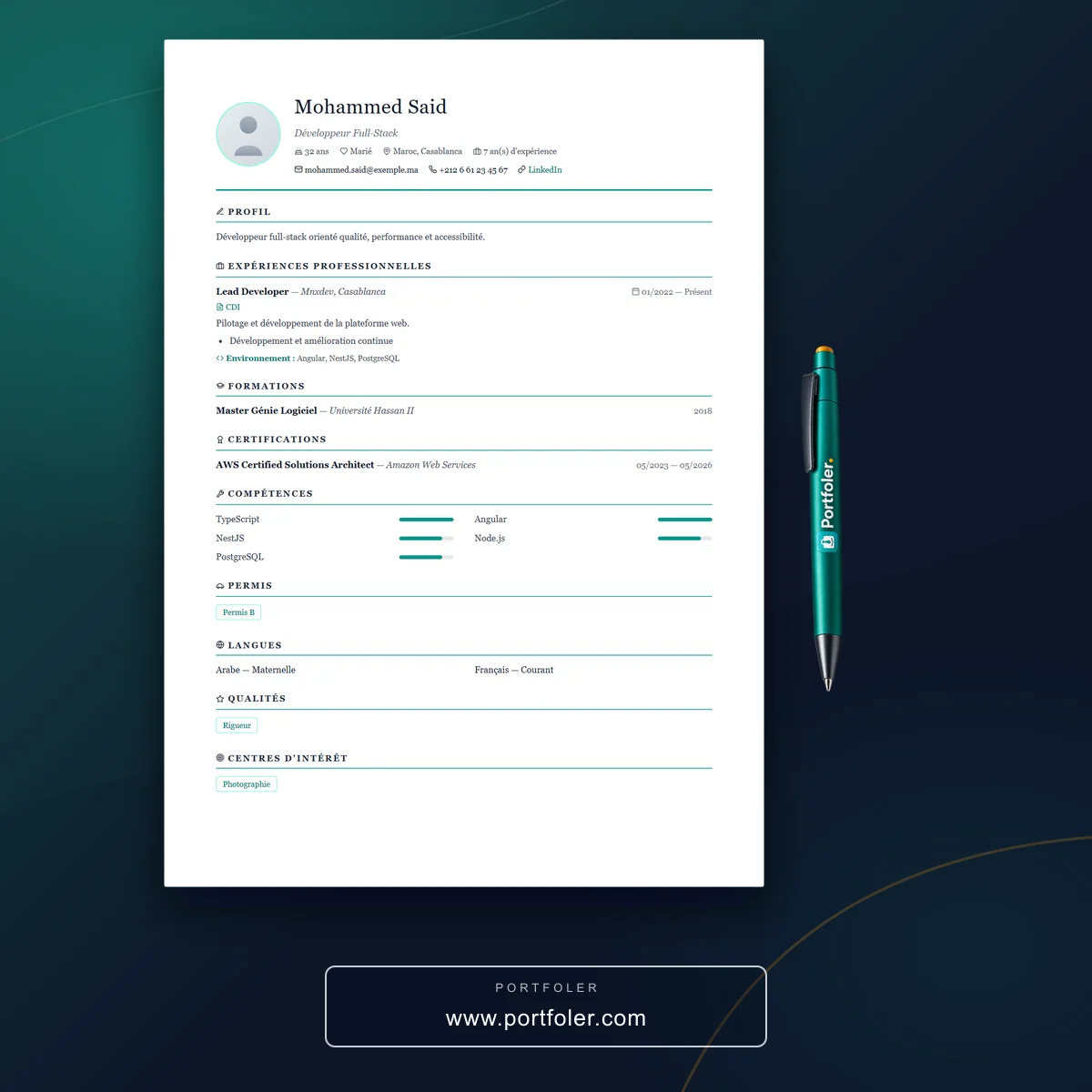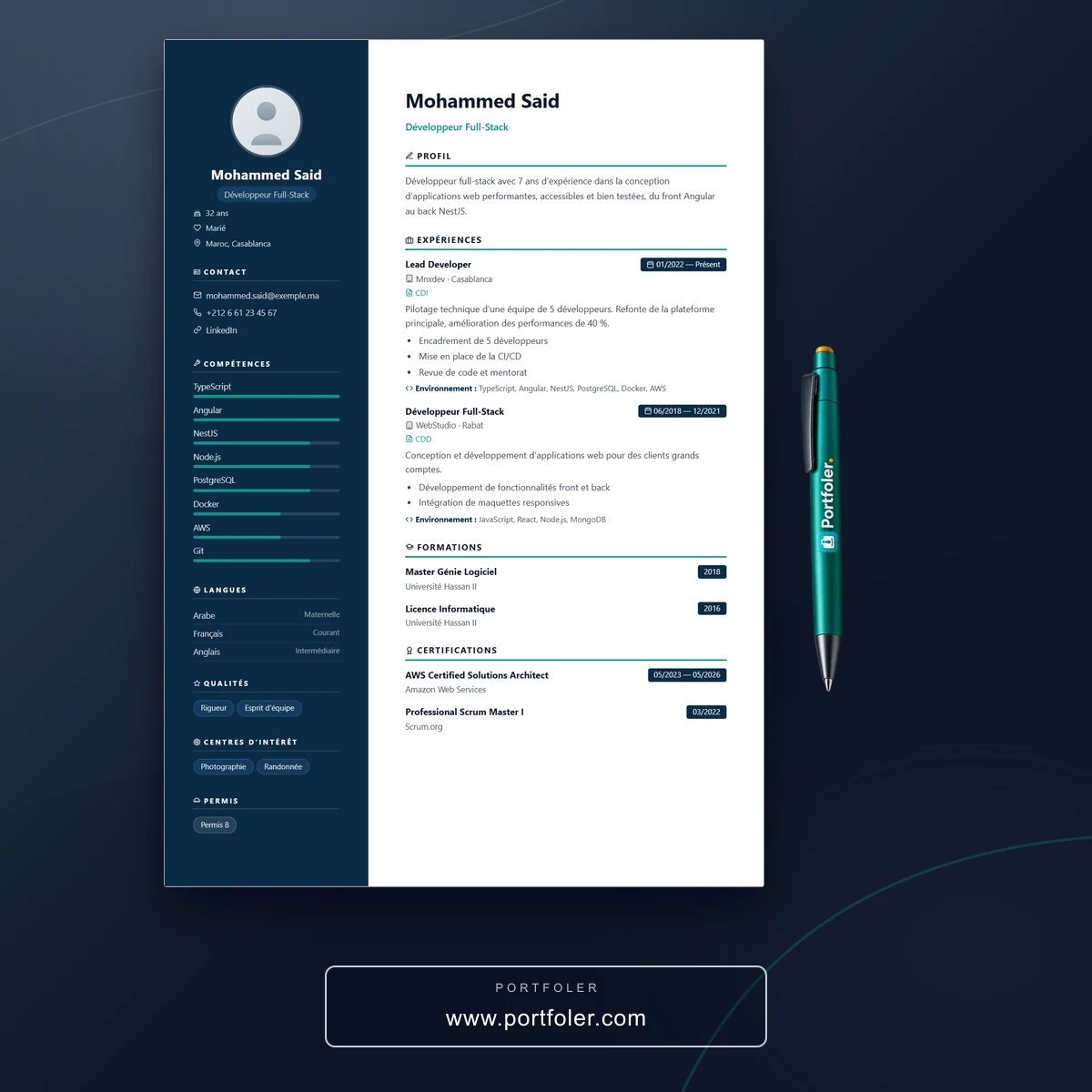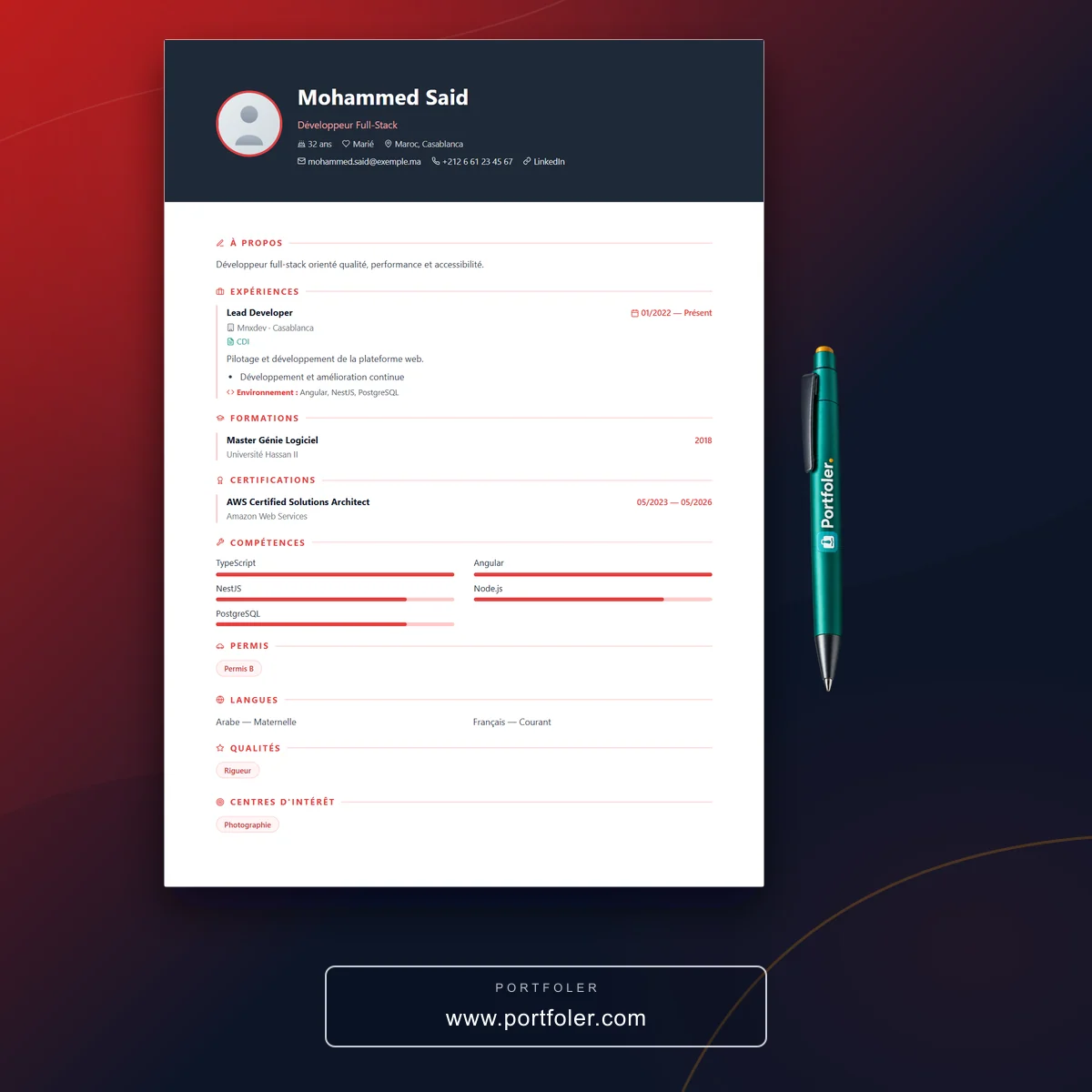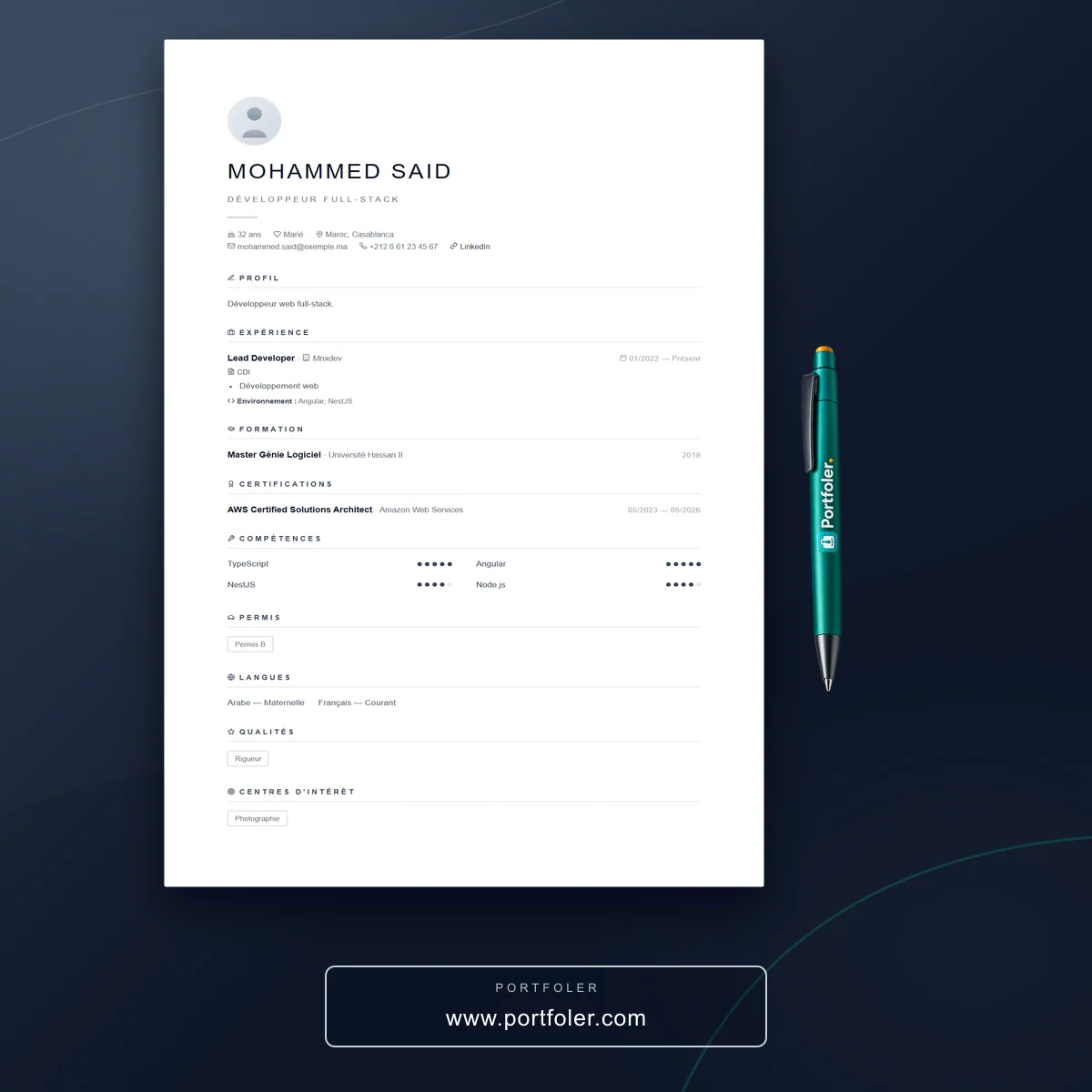
A penetration tester, or pentester, is an ethical hacker paid to attack information systems with authorization. Their mission: think like an attacker to uncover weaknesses before real cybercriminals do, then help the organization fix them.
Role overview
The penetration tester runs offensive security assessments, always within a legal and contractual framework. They simulate real-world attacks against web applications, networks, cloud environments, mobile systems and even employees (social engineering) to measure how well an organization can withstand a breach.
Their work follows a disciplined methodology: scoping the engagement, reconnaissance, identifying and exploiting vulnerabilities, privilege escalation, then writing a detailed report. Beyond proving exploitation, the pentester delivers real value through actionable remediation advice and the ability to prioritize risk for decision-makers.
Key responsibilities
- Define the scope and rules of engagement with the client.
- Conduct reconnaissance and map the attack surface.
- Identify and exploit vulnerabilities (web, network, cloud, mobile).
- Run red team campaigns and social engineering assessments.
- Write clear reports with proof of concept and remediation recommendations.
- Practice responsible disclosure and support the remediation process.
Required skills
Hard skills: command of Kali Linux and offensive tooling (Metasploit, Burp Suite, Nmap, Wireshark, Cobalt Strike), scripting (Python, Bash), OWASP Top 10, TCP/IP networking, Windows/Linux/Active Directory systems, cloud security, reverse engineering and web/binary exploitation.
Soft skills: curiosity, tenacity, methodical rigor, unimpeachable ethics, and the ability to synthesize and explain technical risk to non-technical stakeholders.
Salaries around the world
Penetration testers command high pay, driven by the shortage of cybersecurity talent and the critical nature of security stakes. The salary-by-country table below gives indicative annual gross ranges, in local currency, for an experienced professional.
Career path
- Junior (0 – 3 years): security analyst, first supervised penetration tests, ramping up on tooling.
- Pentester (3 – 6 years): autonomous delivery of web, network and cloud engagements, gradual specialization.
- Senior / Red Team Lead (6 – 10 years): leading complex campaigns, red teaming, mentoring the team.
- Manager (10+ years): Offensive Security Manager, head of audit or of the offensive security practice.
Education & training
- Bachelor's to Master's degree in cybersecurity, computer science or networks (engineering schools, universities, specialized master's).
- A self-taught path is possible and highly valued when backed by labs, bug bounty and a portfolio of reports.
- Reference certifications: OSCP, OSEP, CEH, GPEN, highly sought after by recruiters.
Industries & opportunities
Penetration testers are in demand across banking and insurance, defense, consulting and audit firms, SaaS vendors and any company facing compliance requirements. Bug bounty programs and freelancing also offer dynamic, international opportunities.
In short
A fascinating, demanding and very well paid career at the heart of defending digital systems. If you love understanding how things break in order to protect them better, create your profile on Portfoler.com and connect with companies hiring penetration testers.
 United States
 United Kingdom
 Germany
 France
 Canada
 United Arab Emirates
 Morocco
 India
 Spain
 Australia