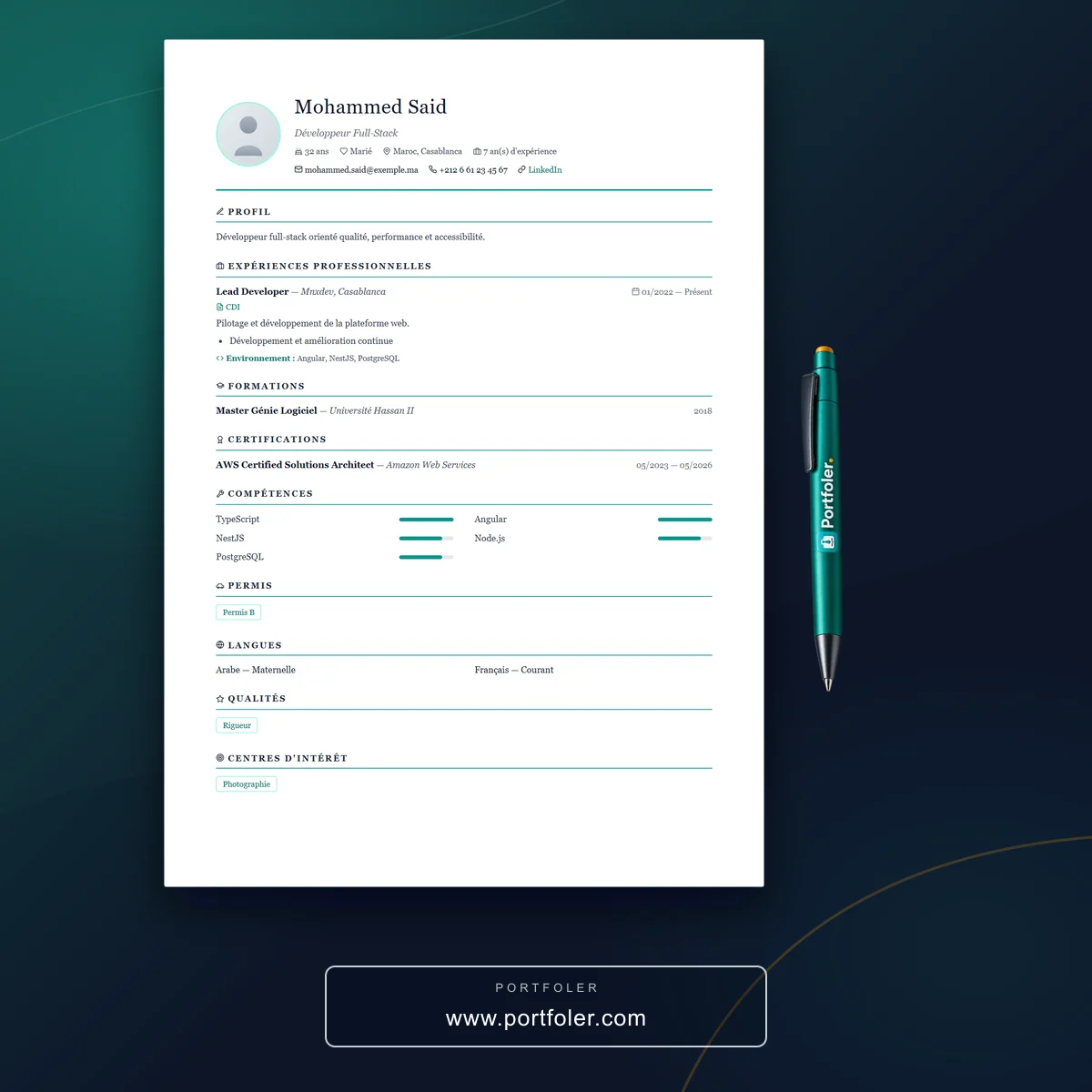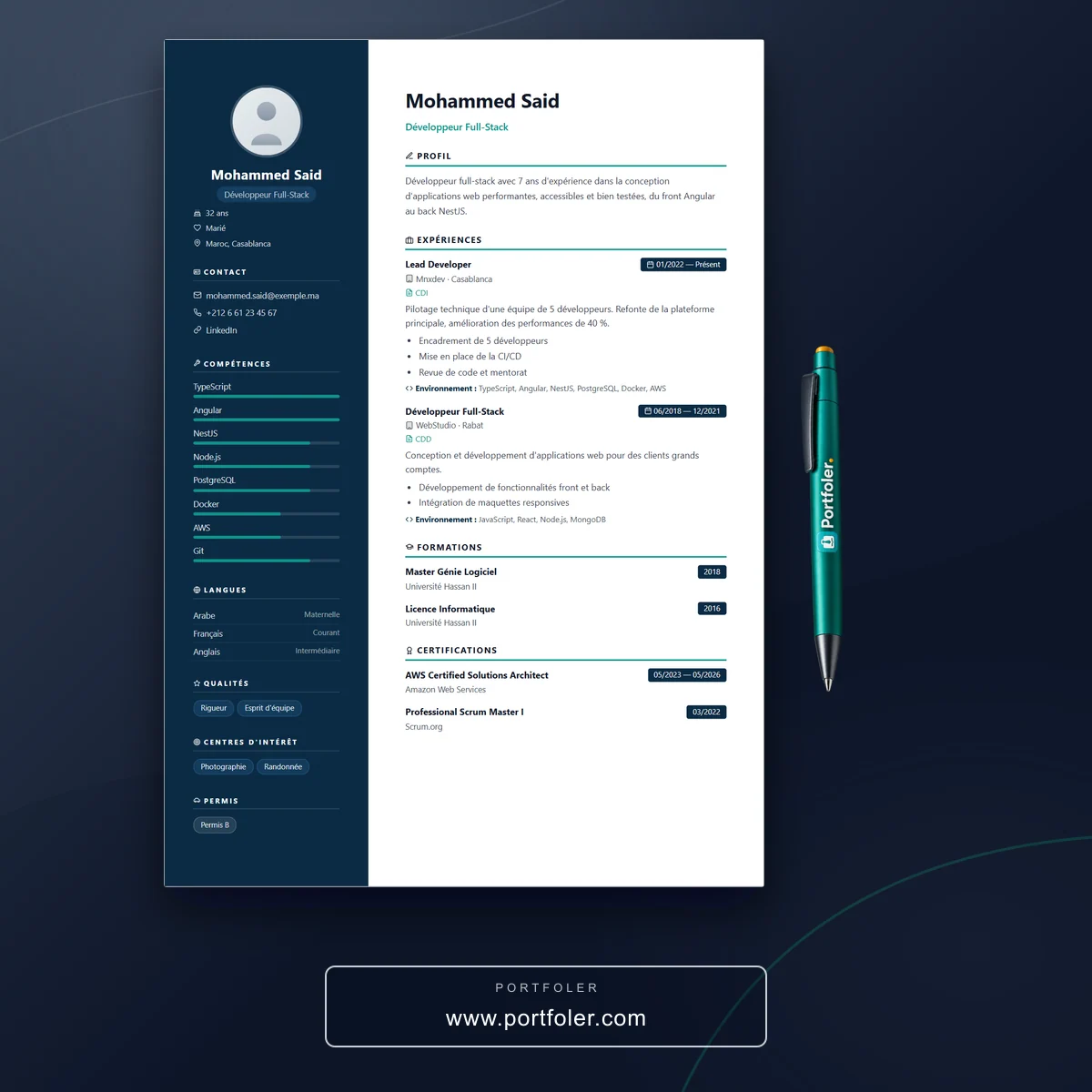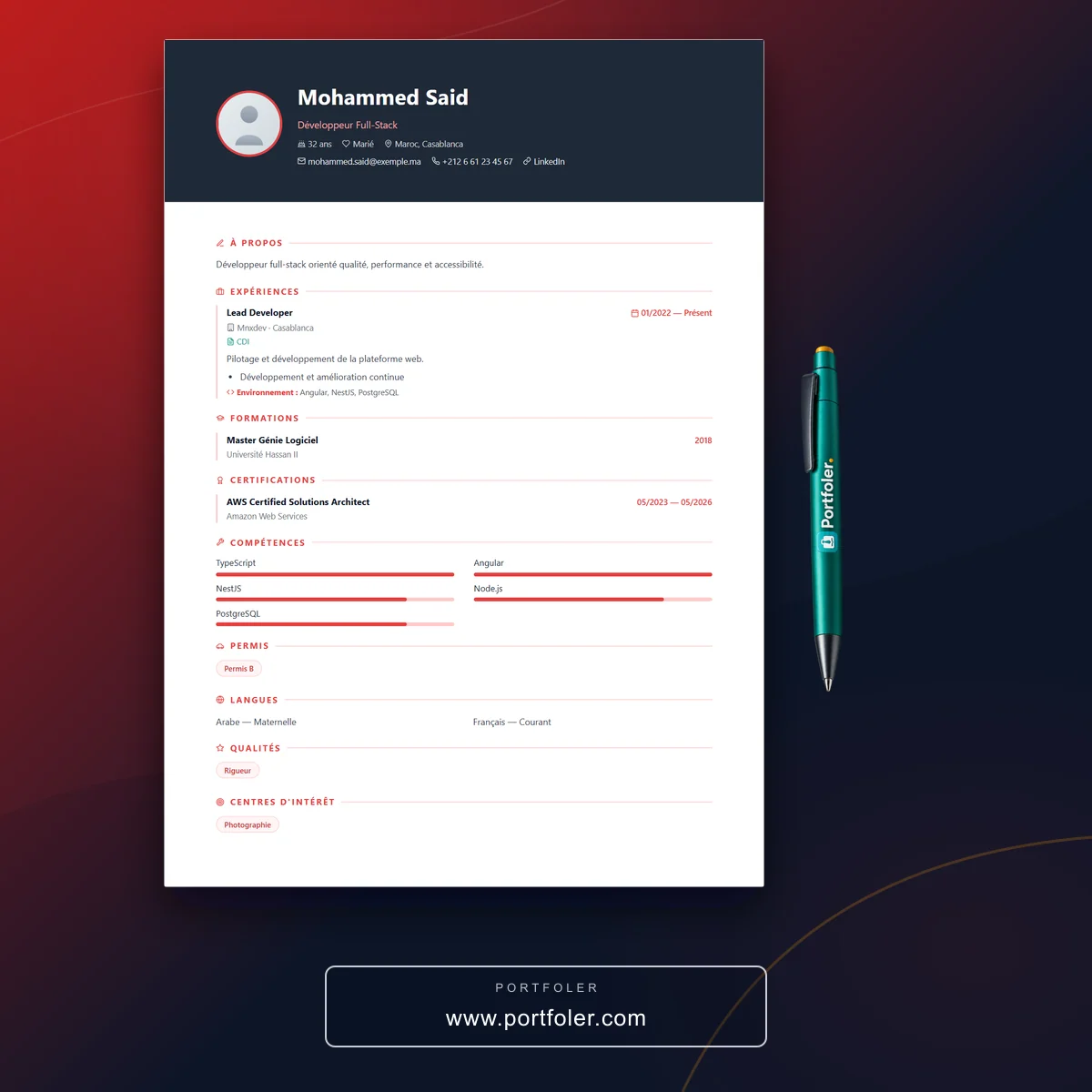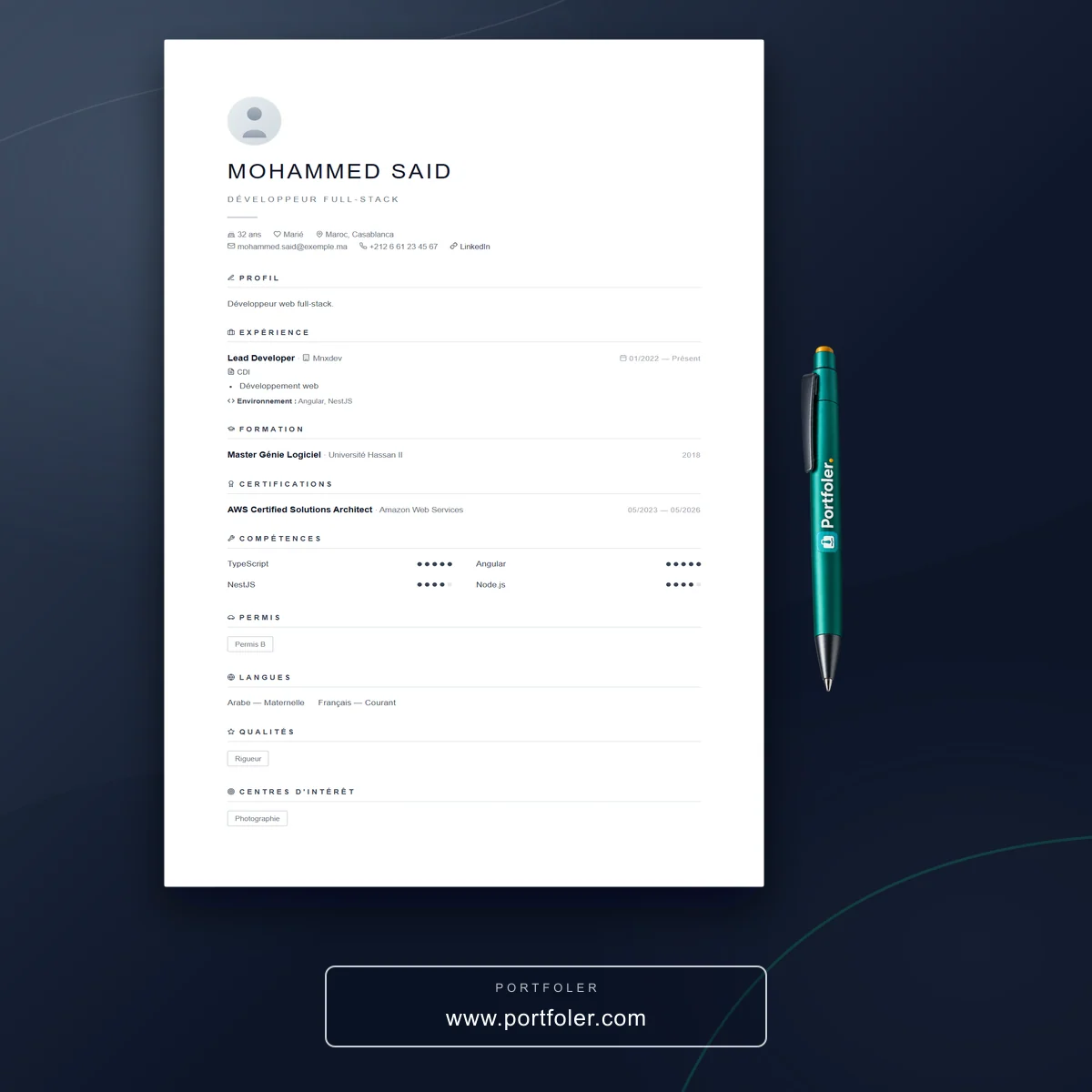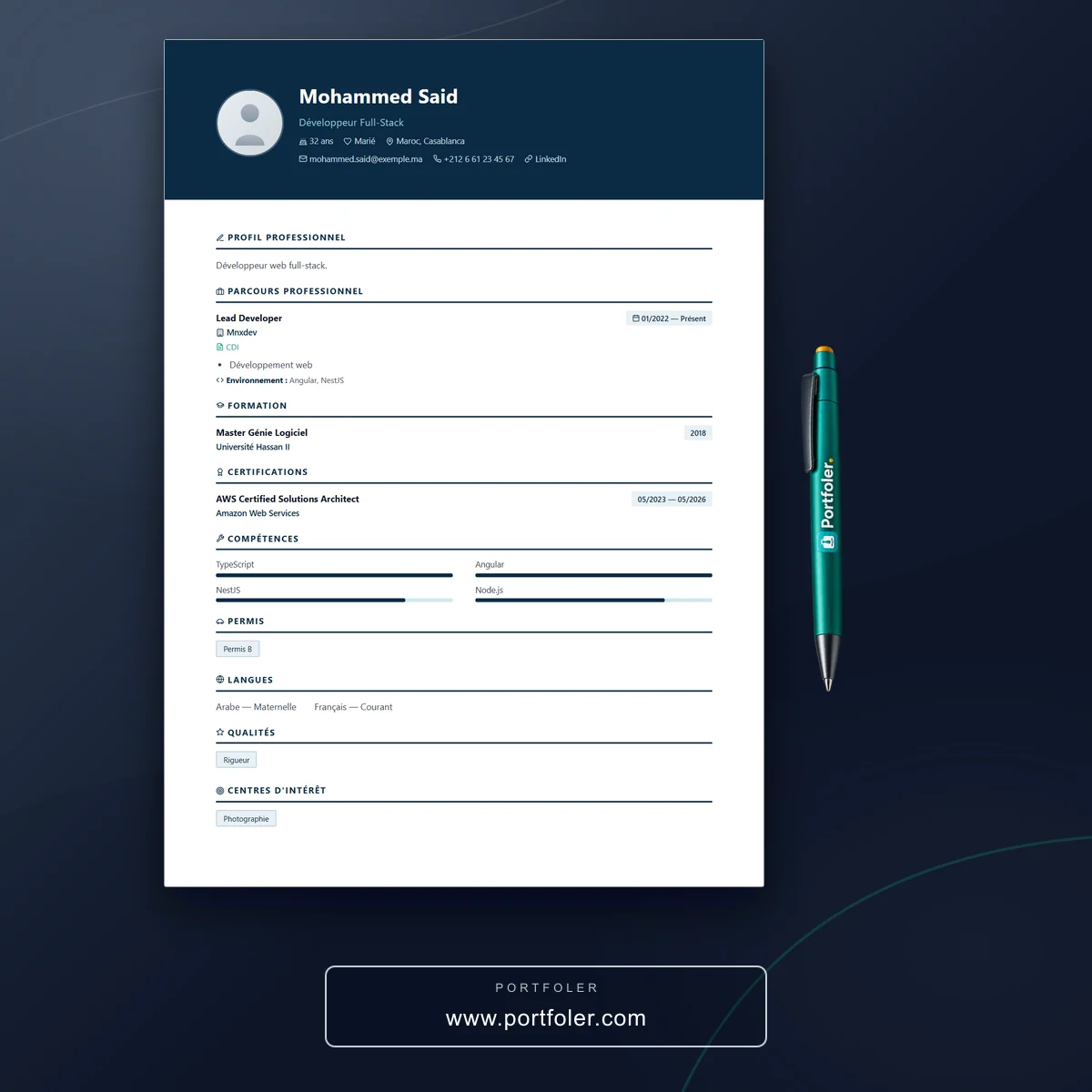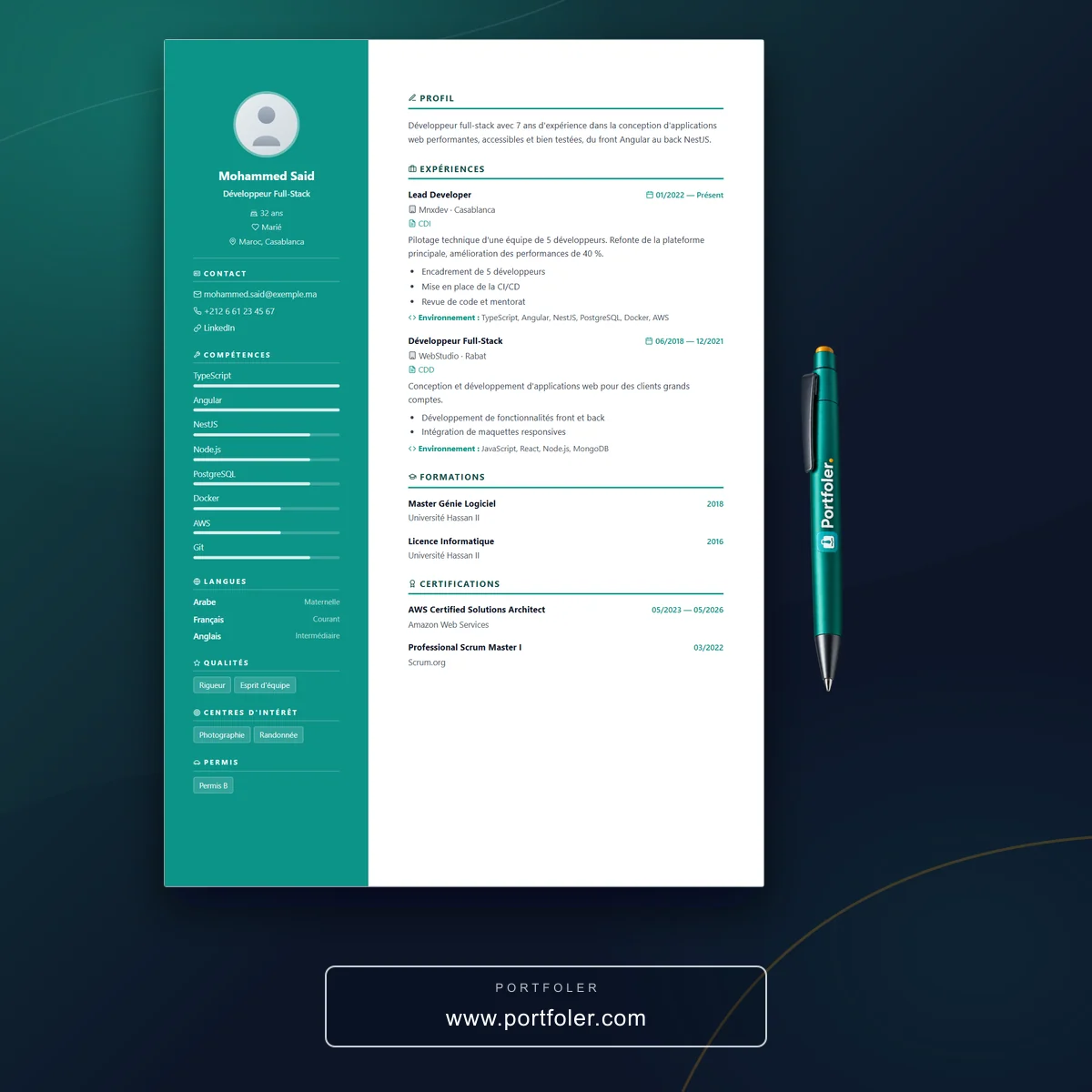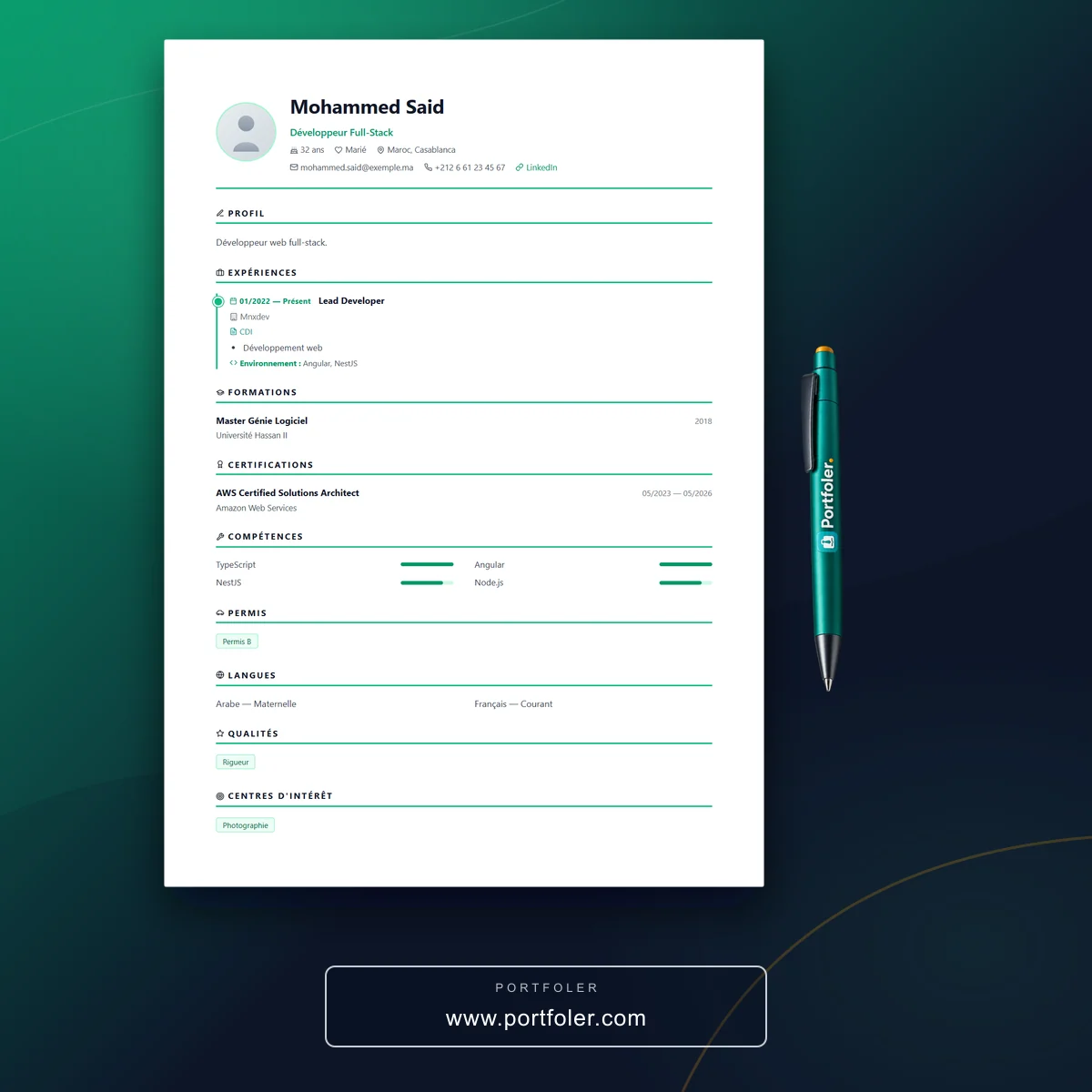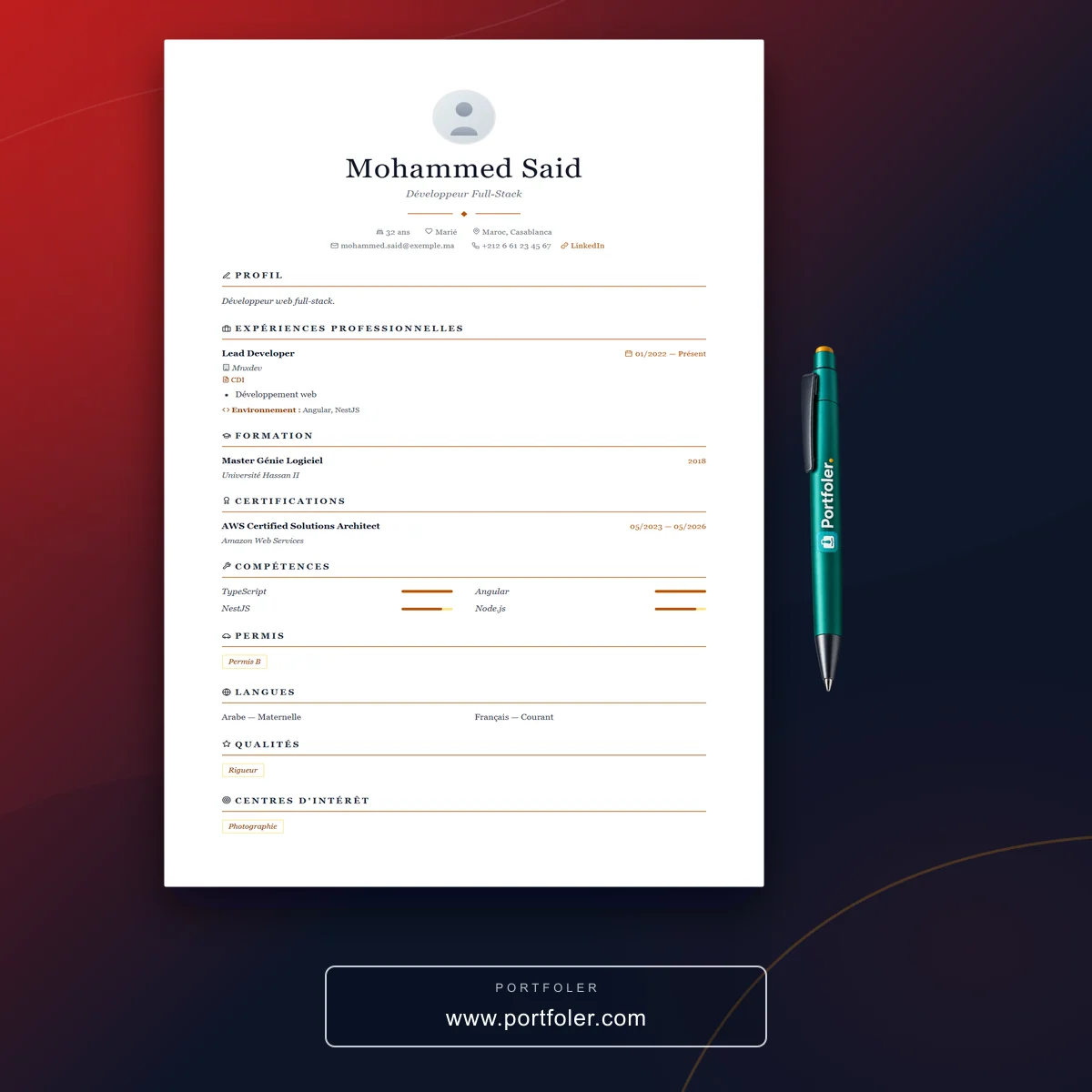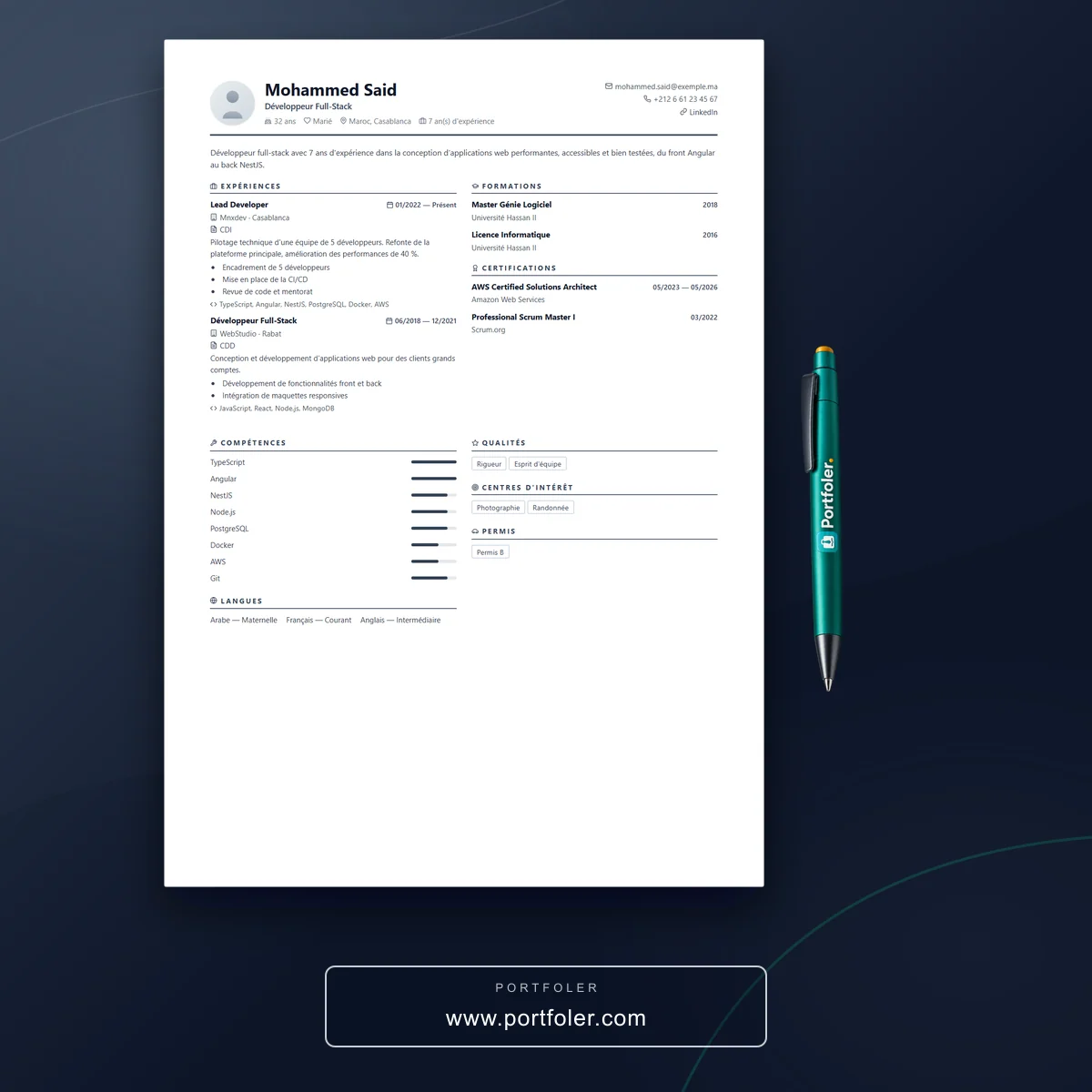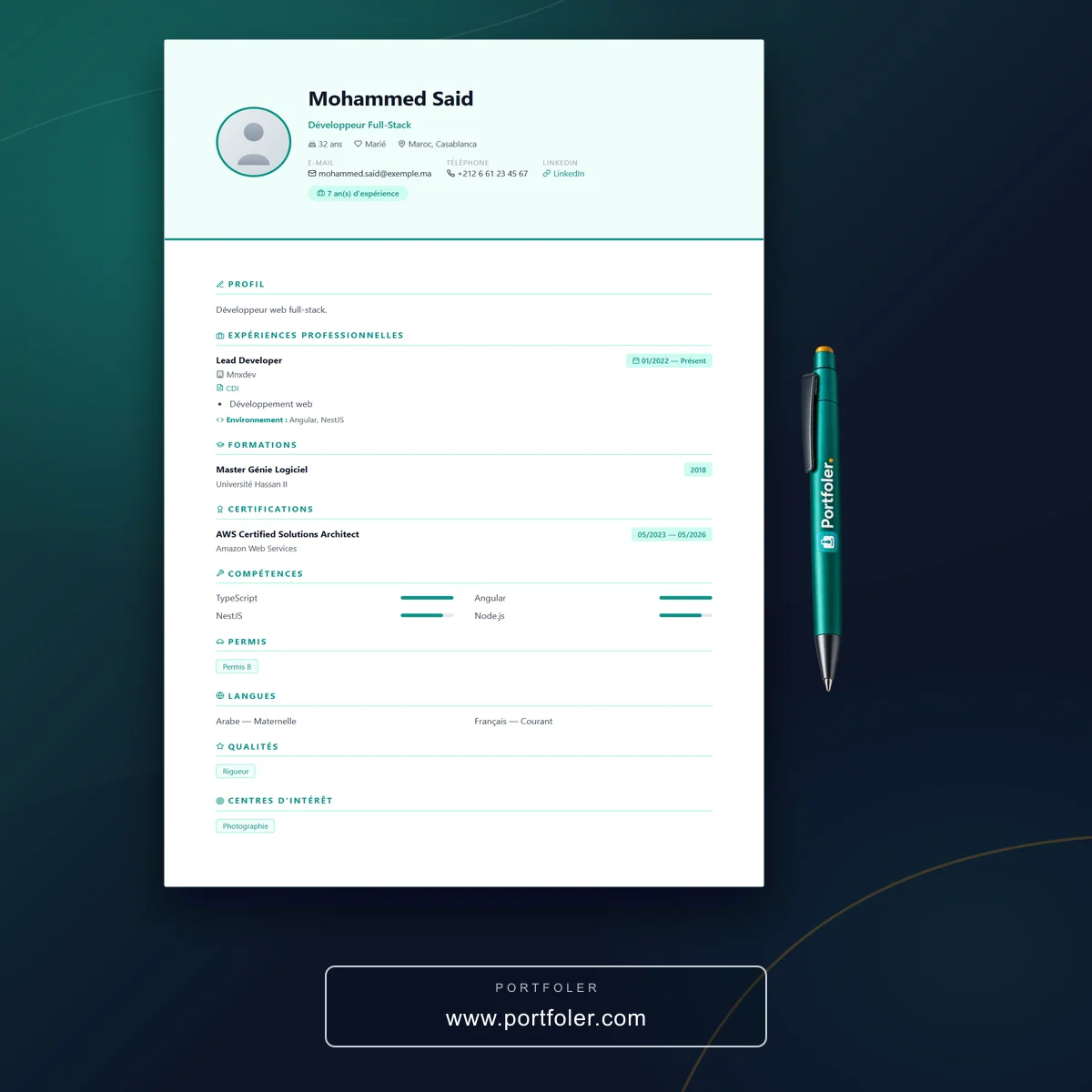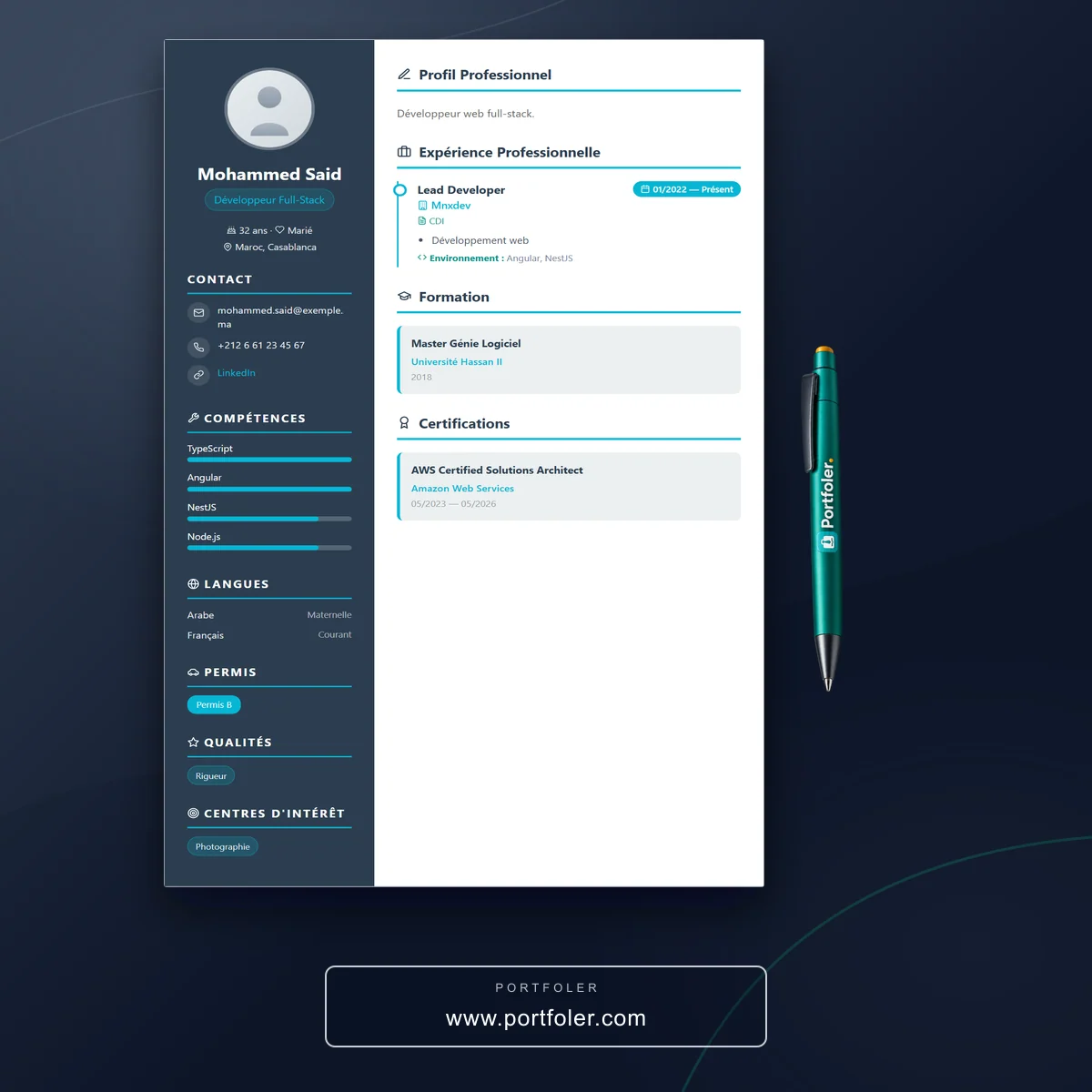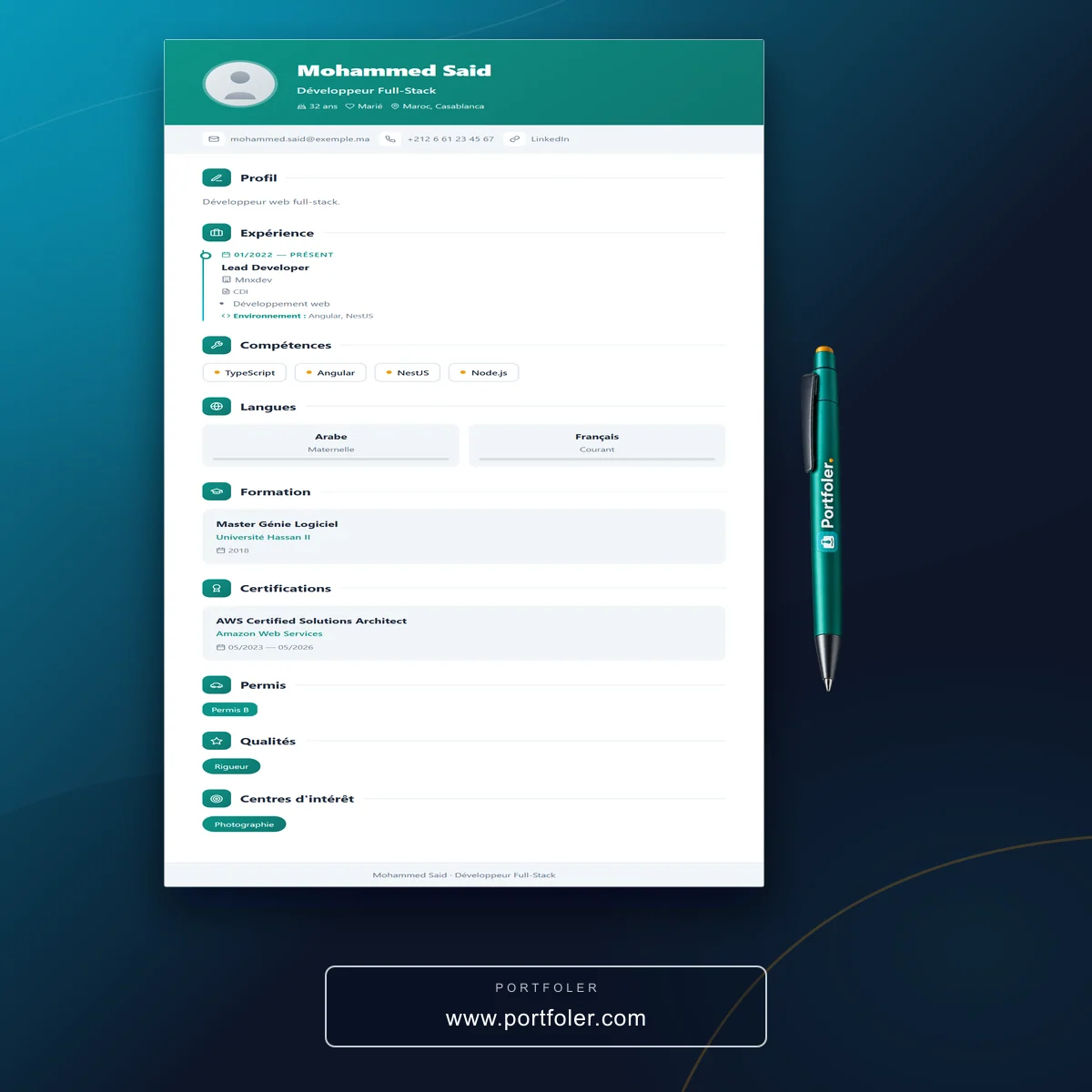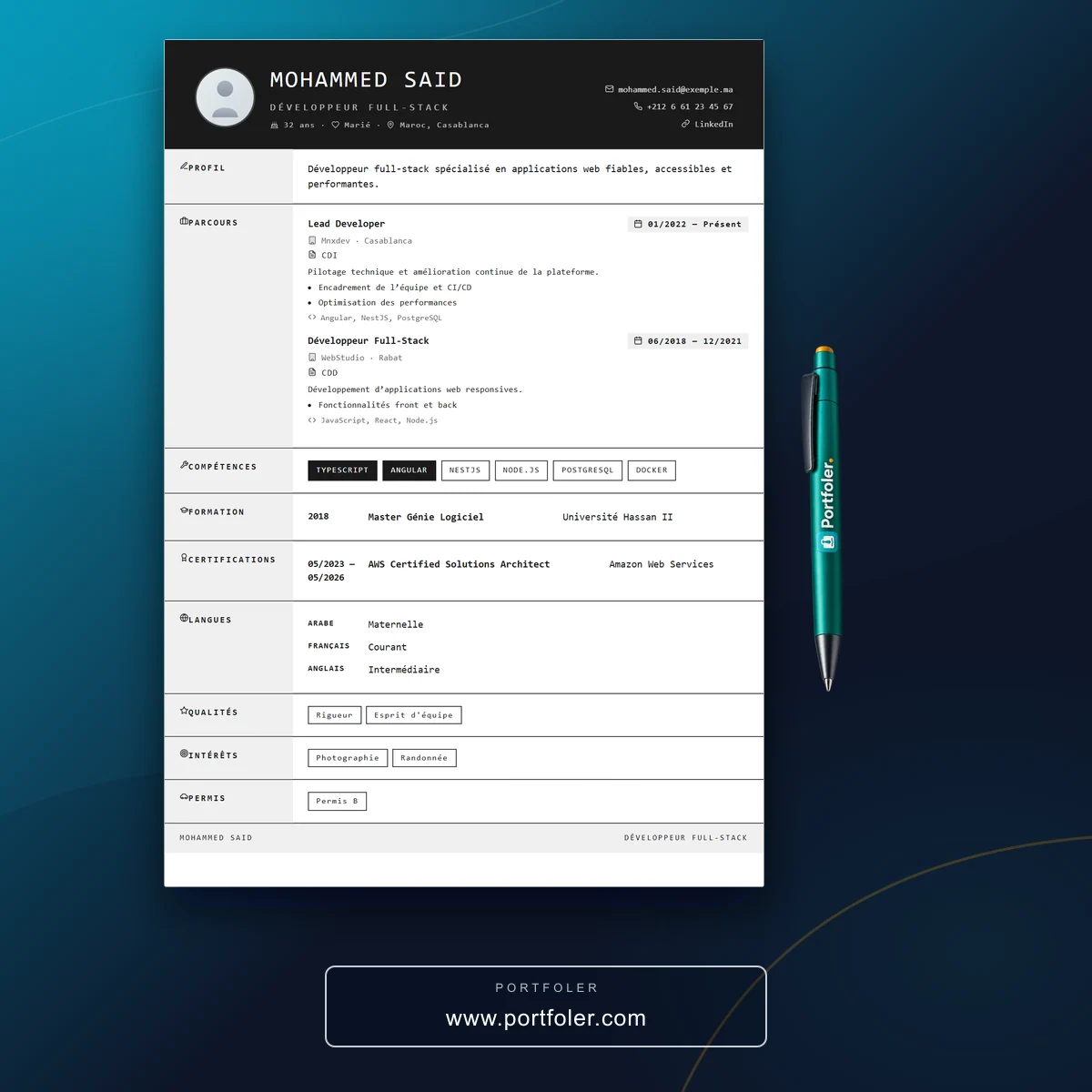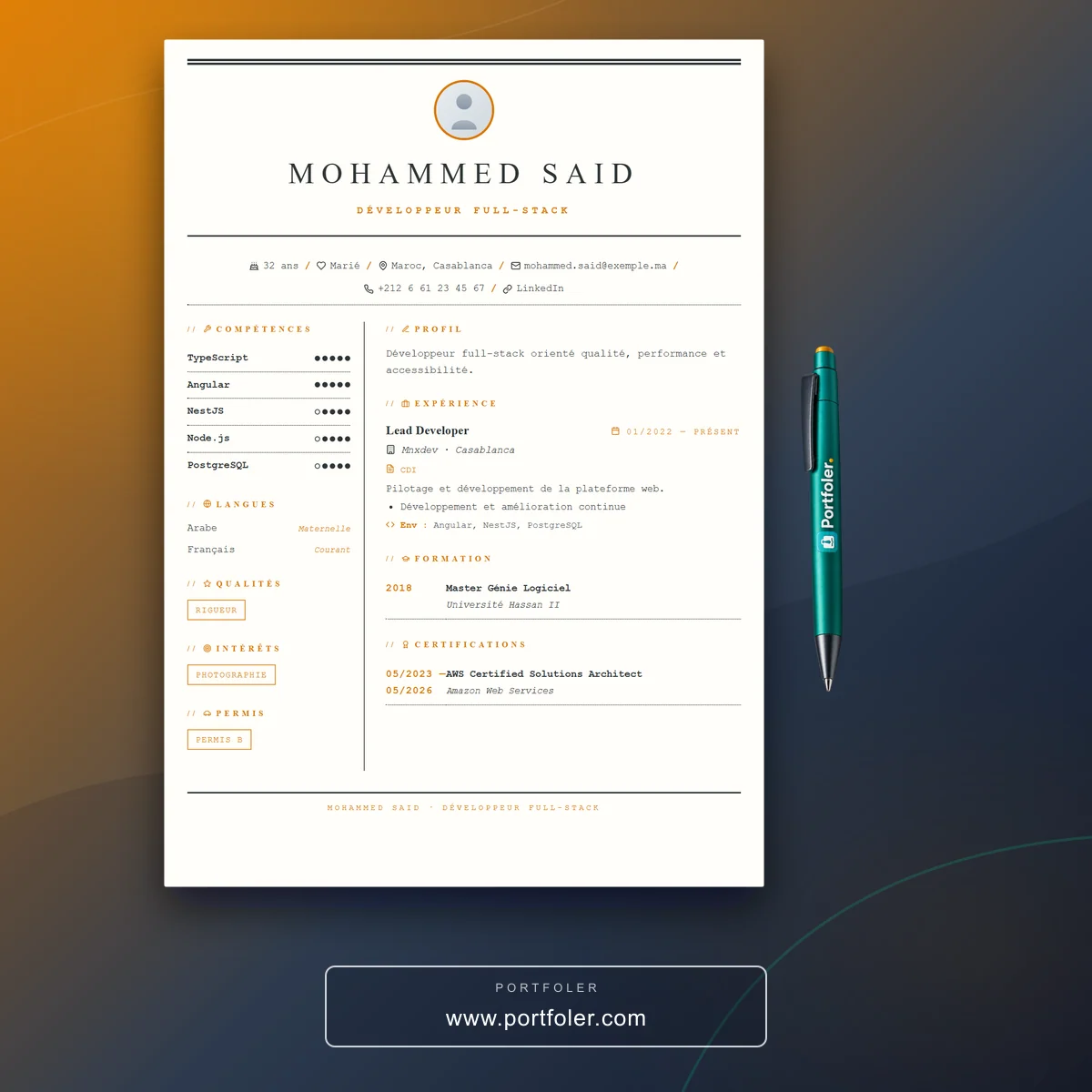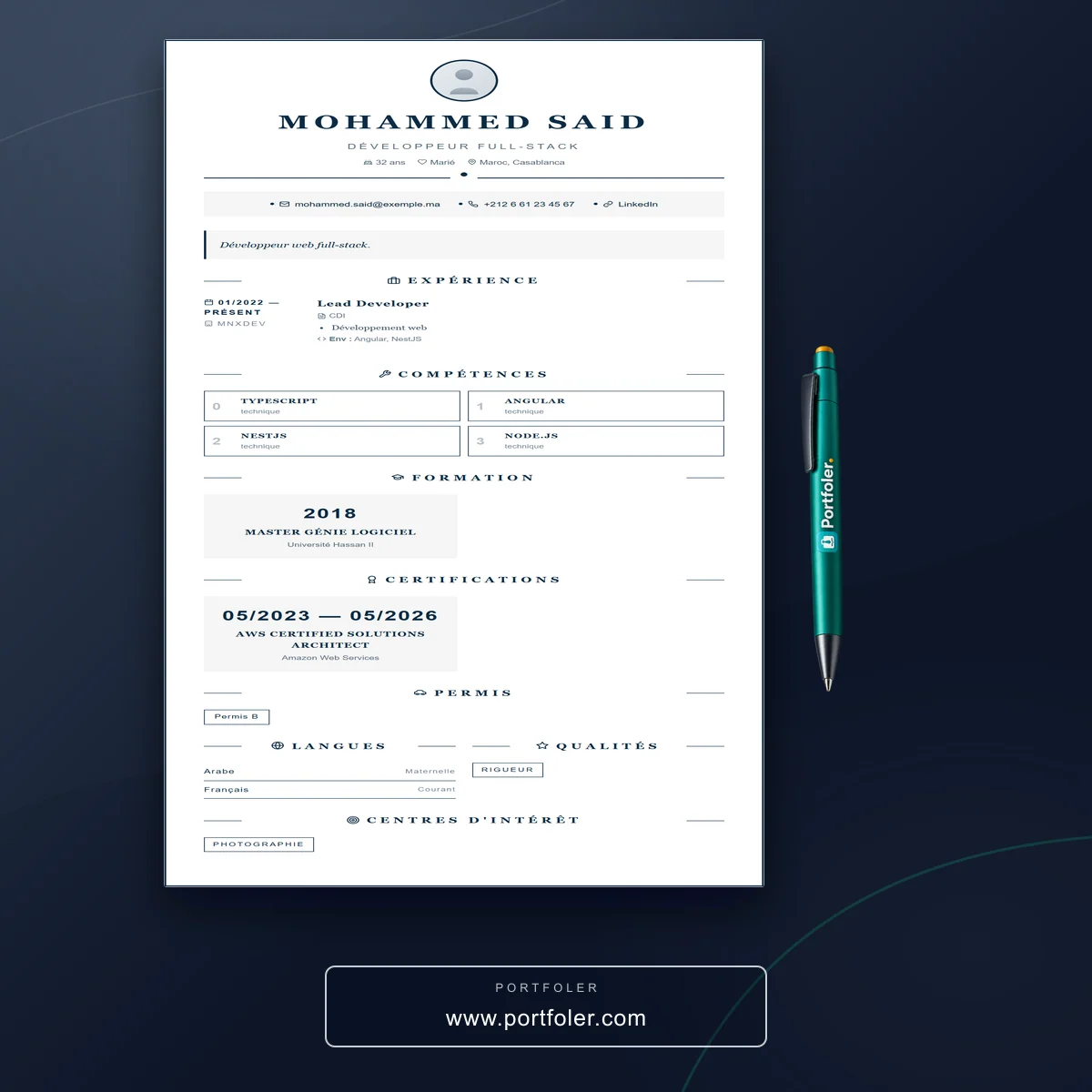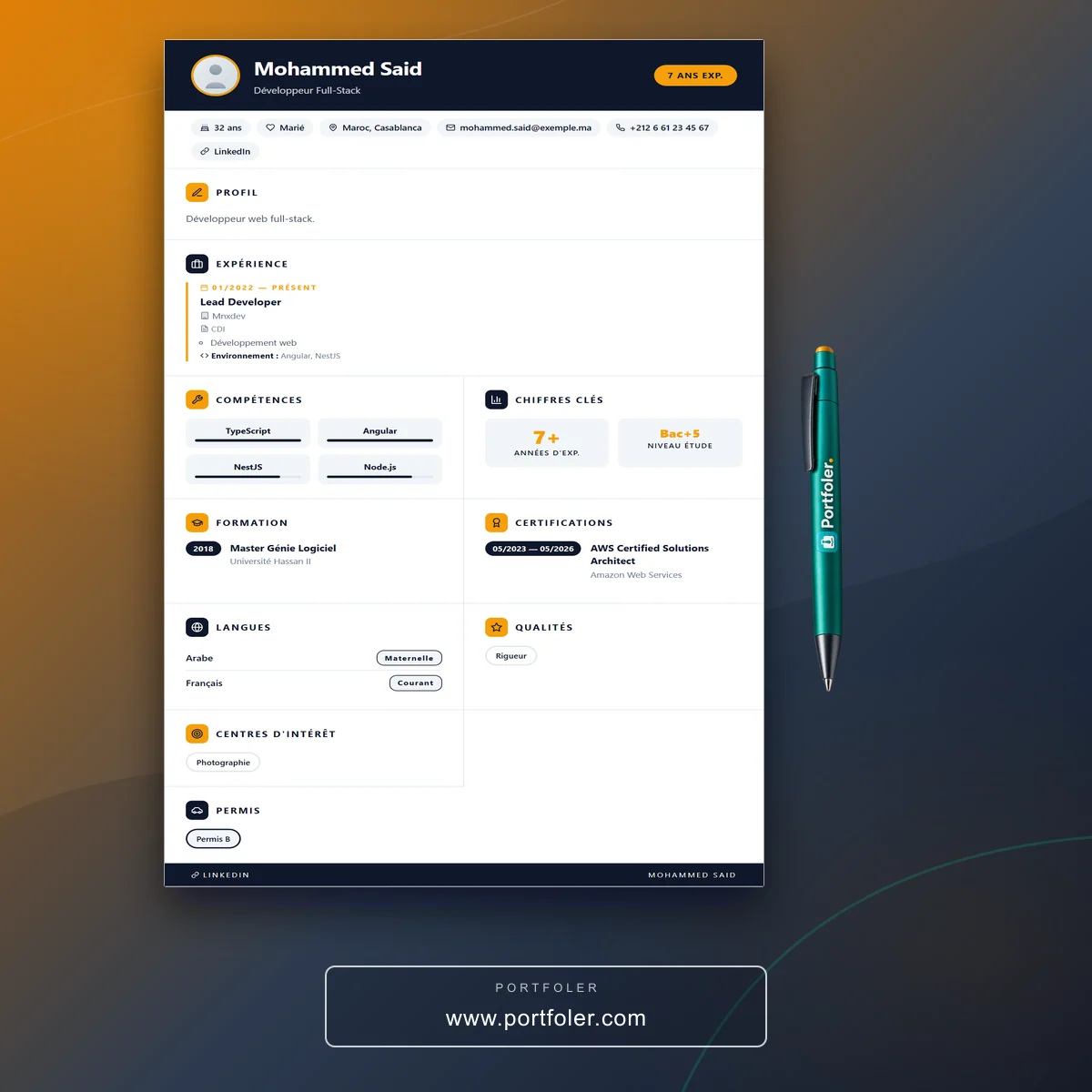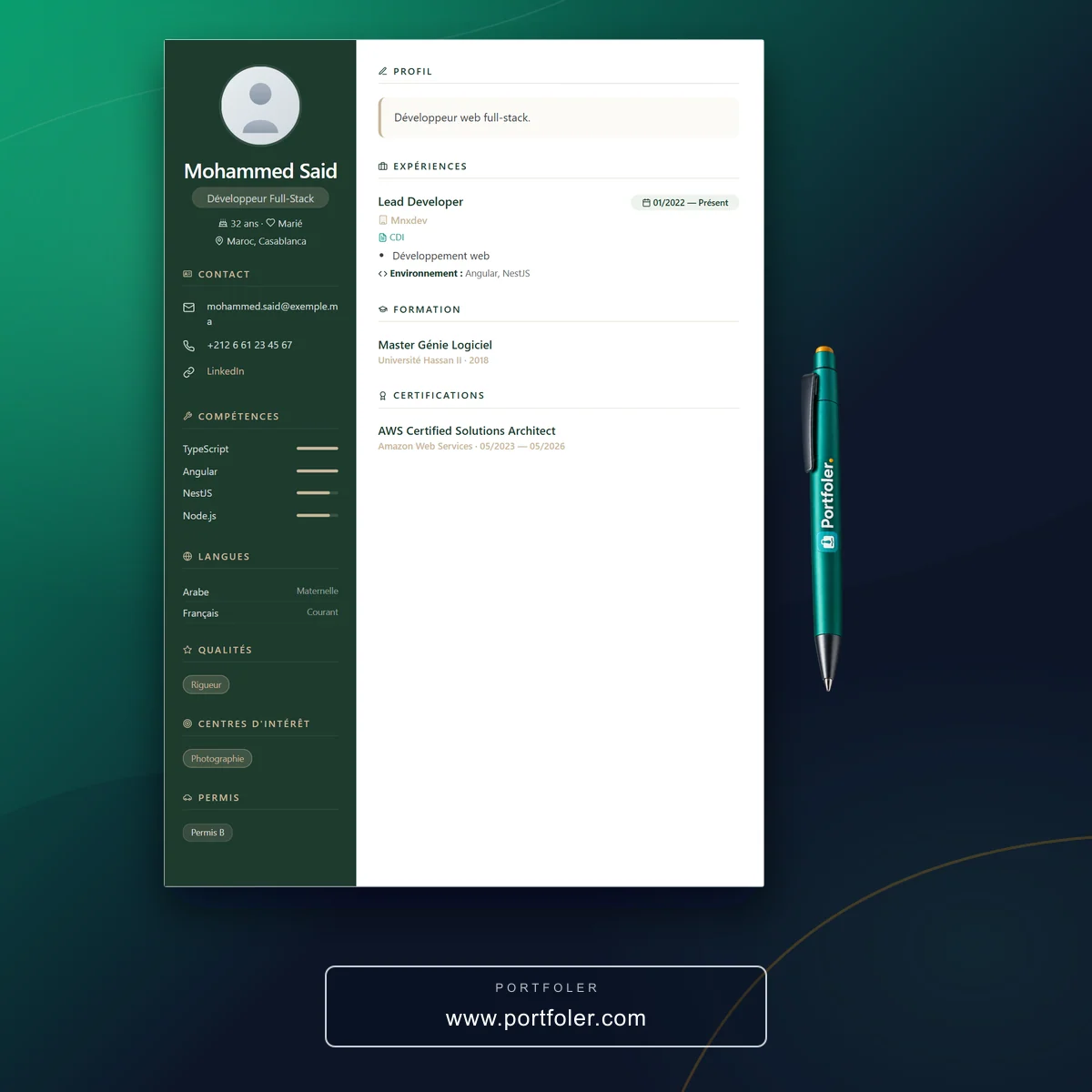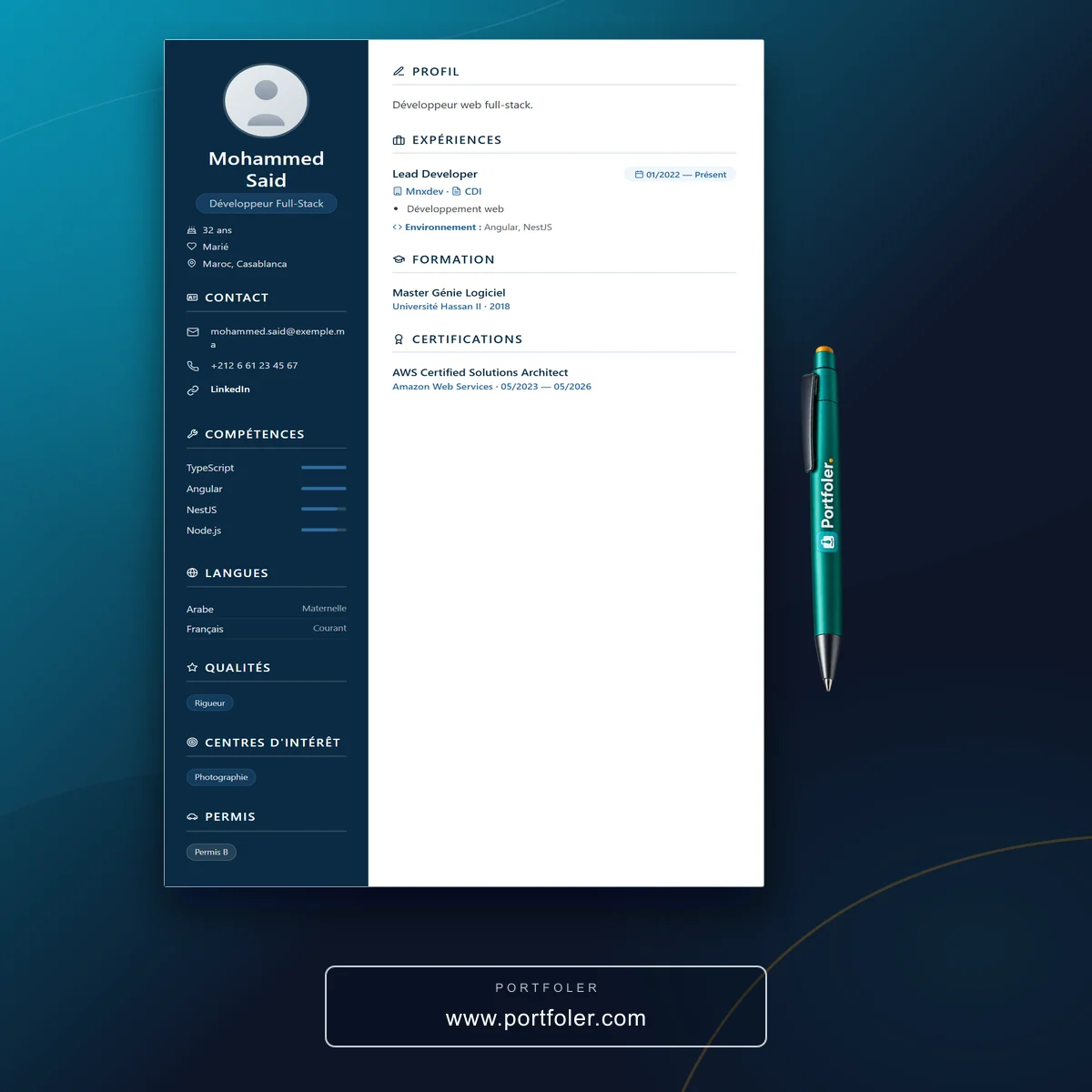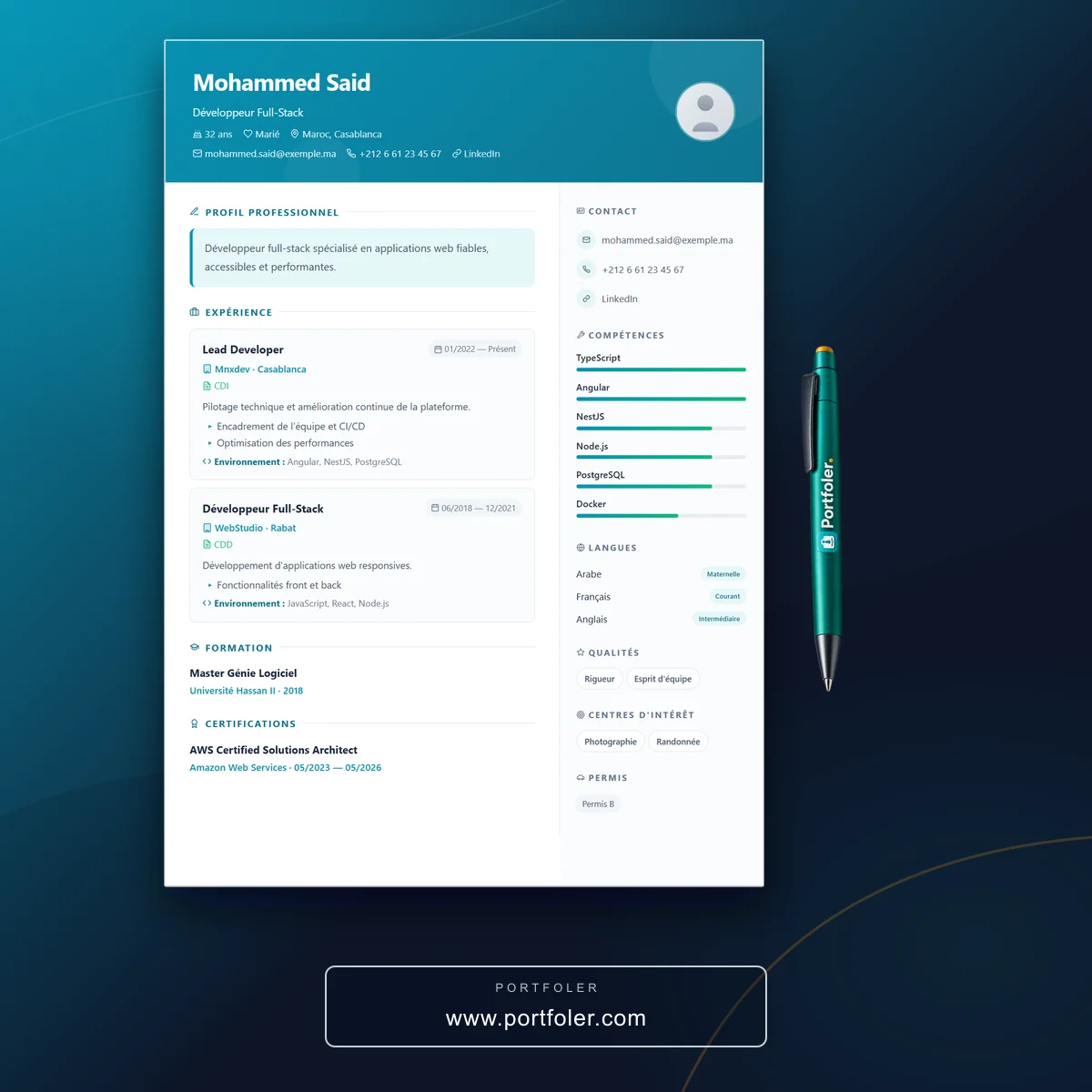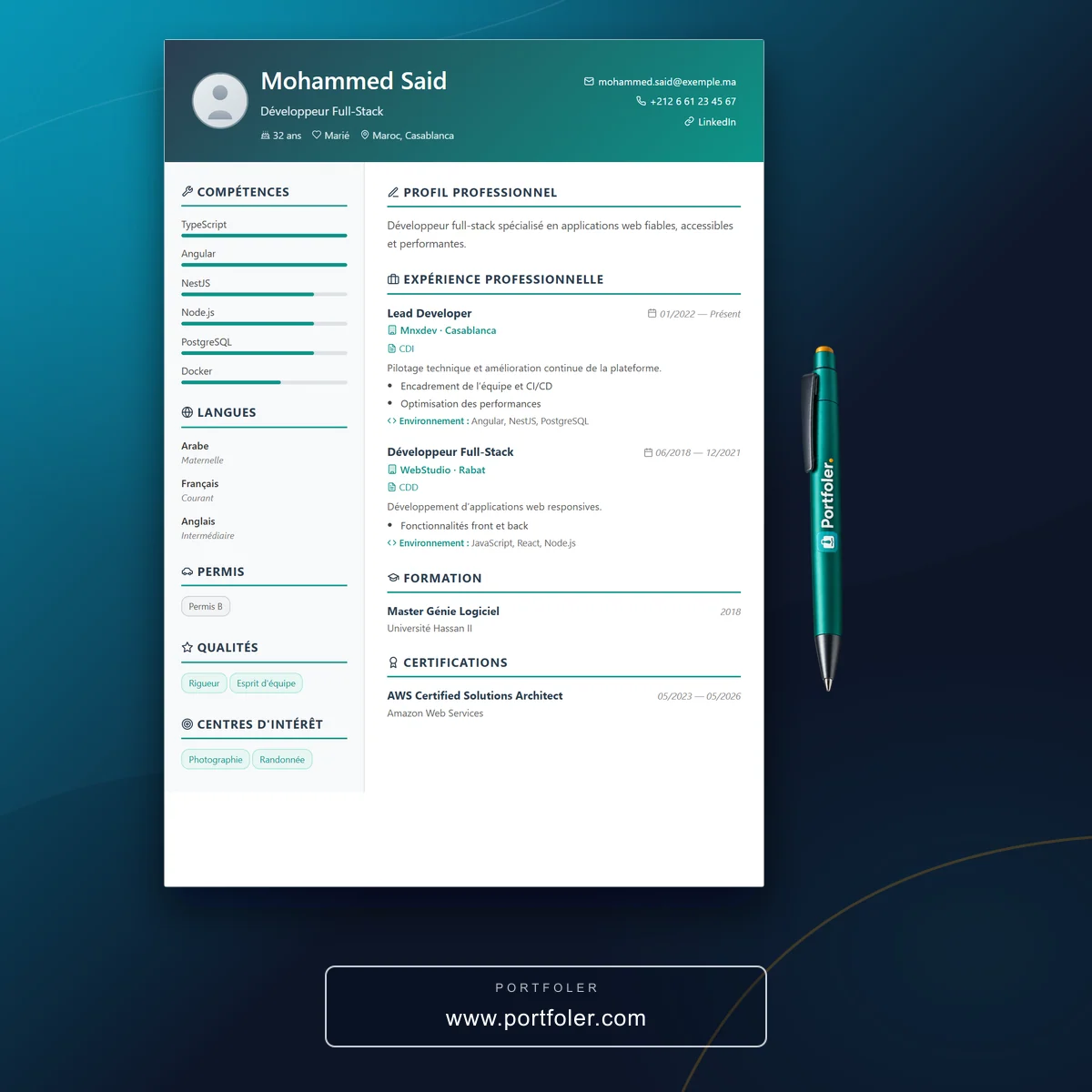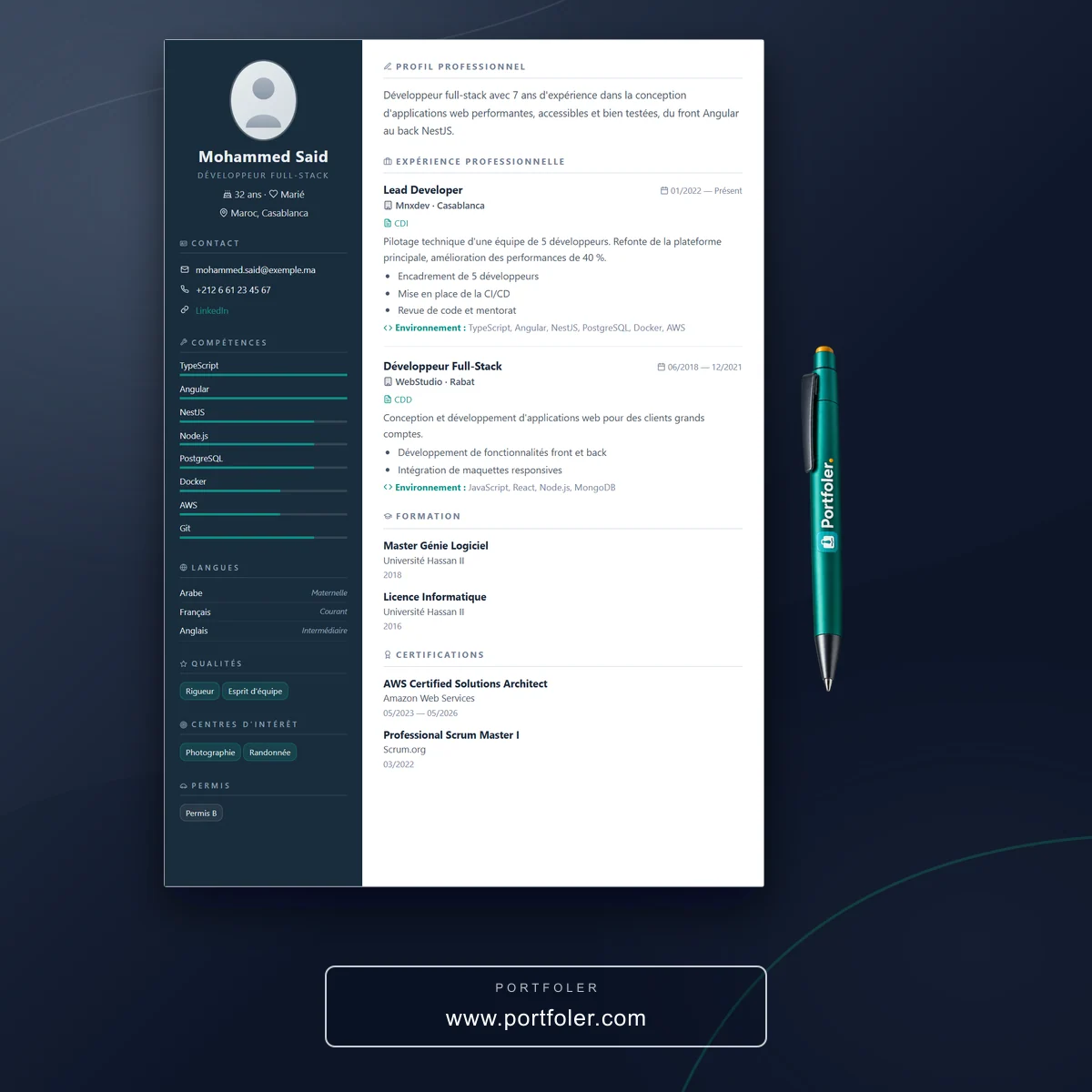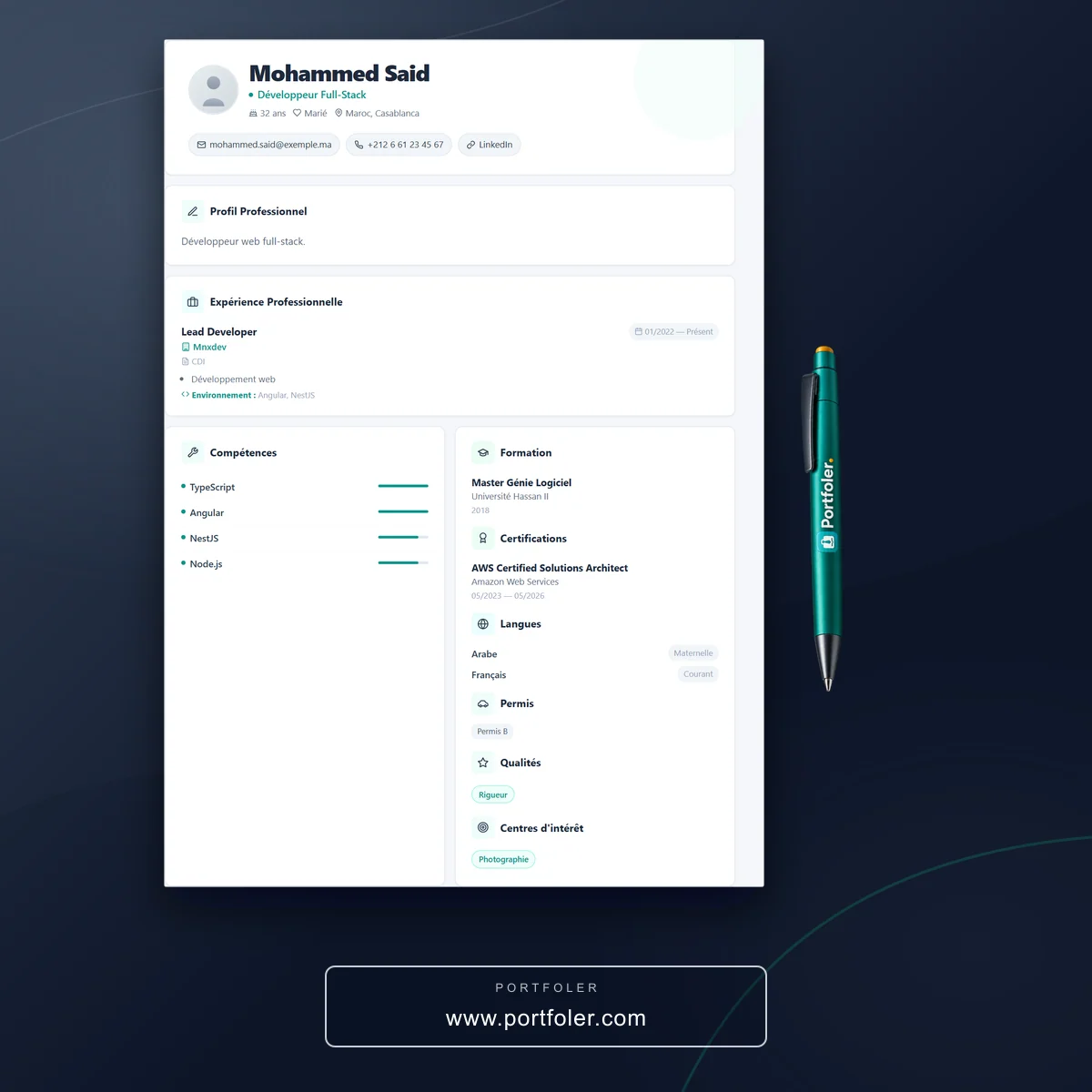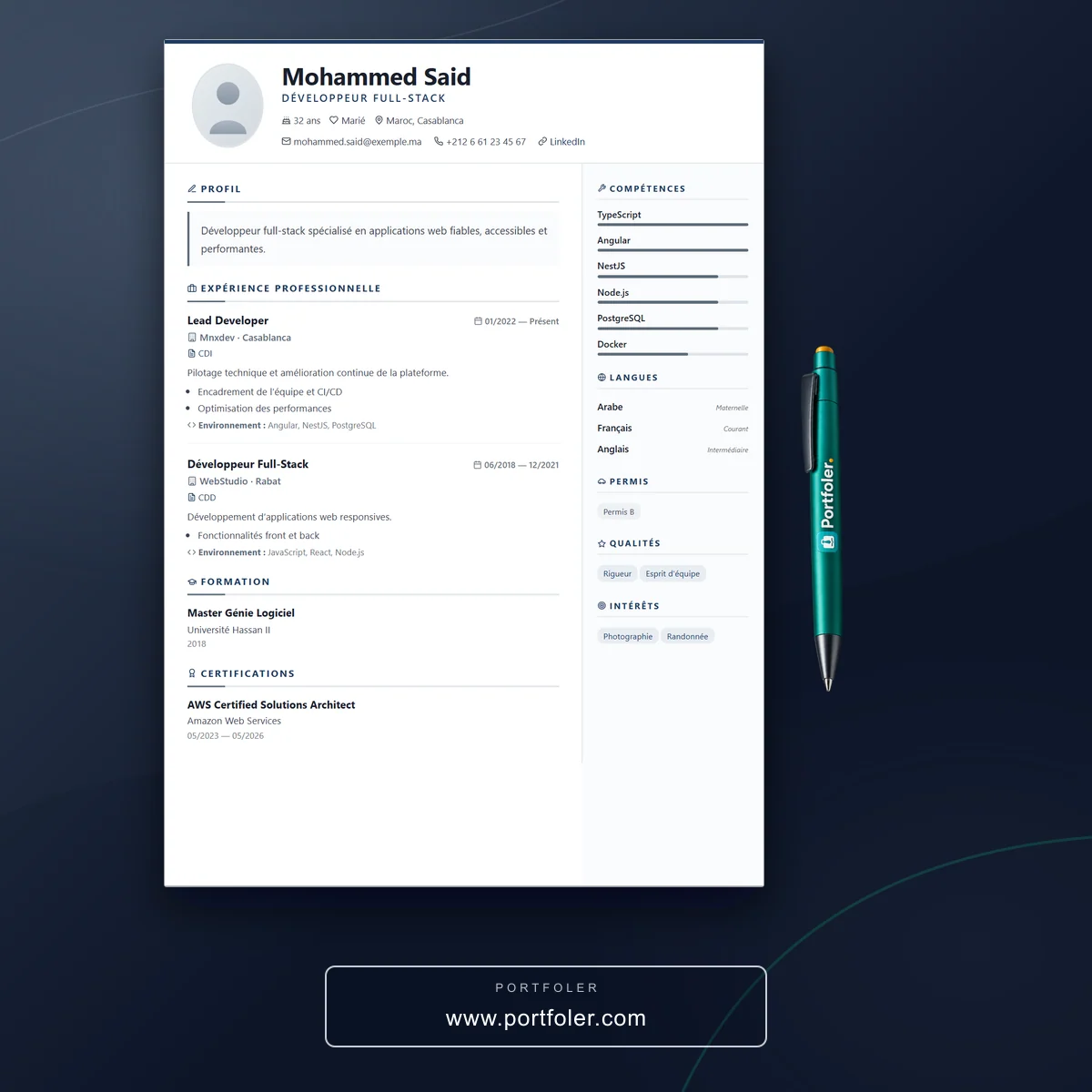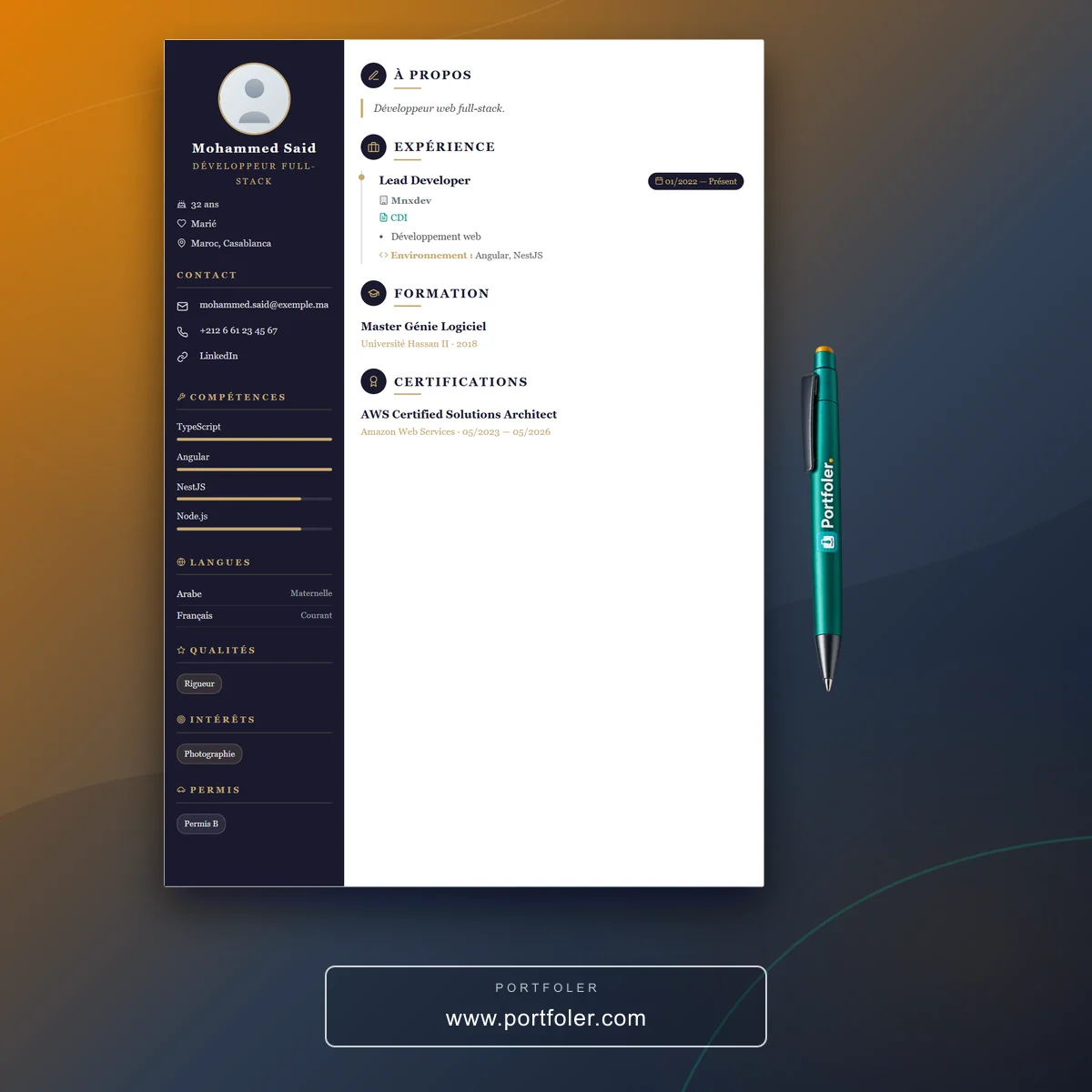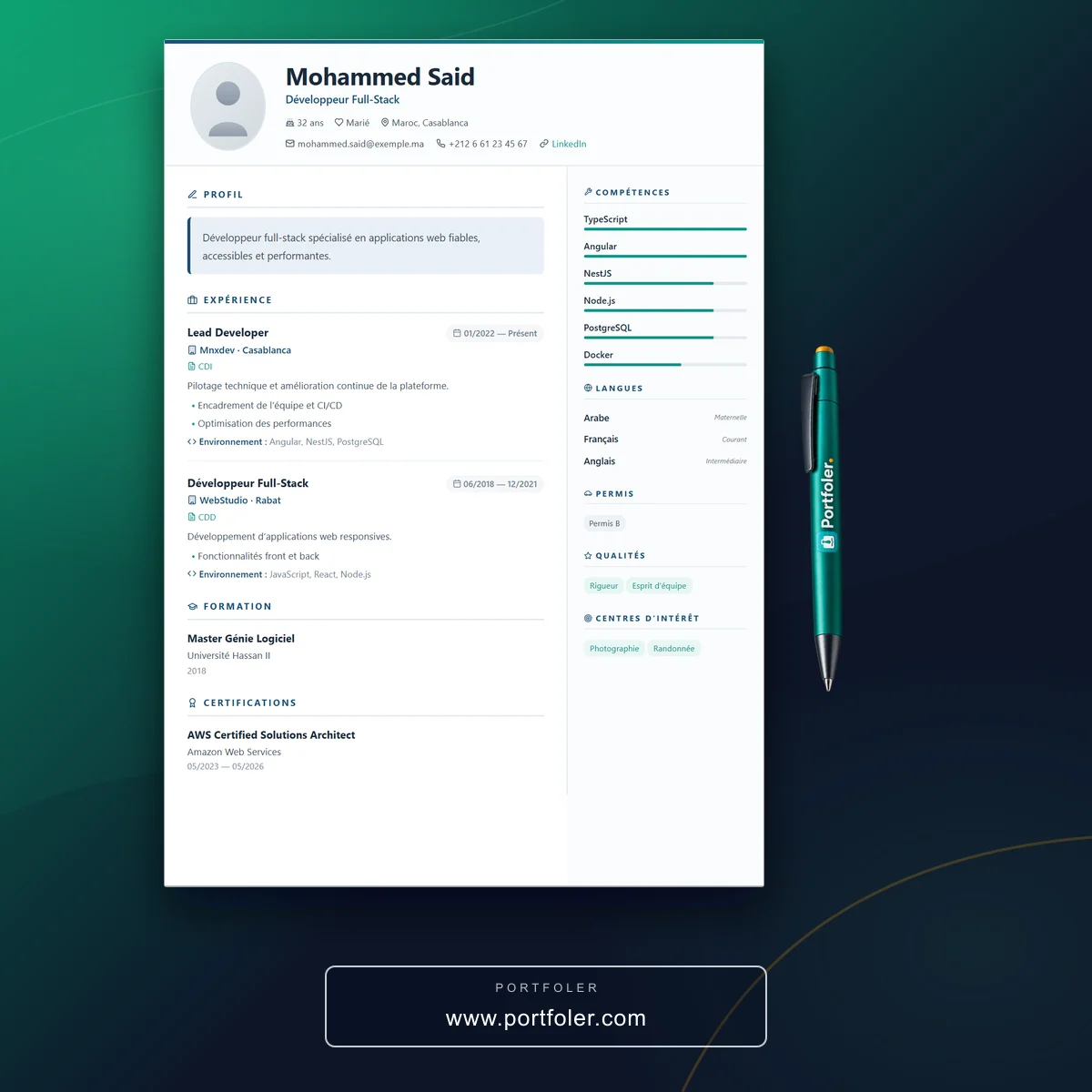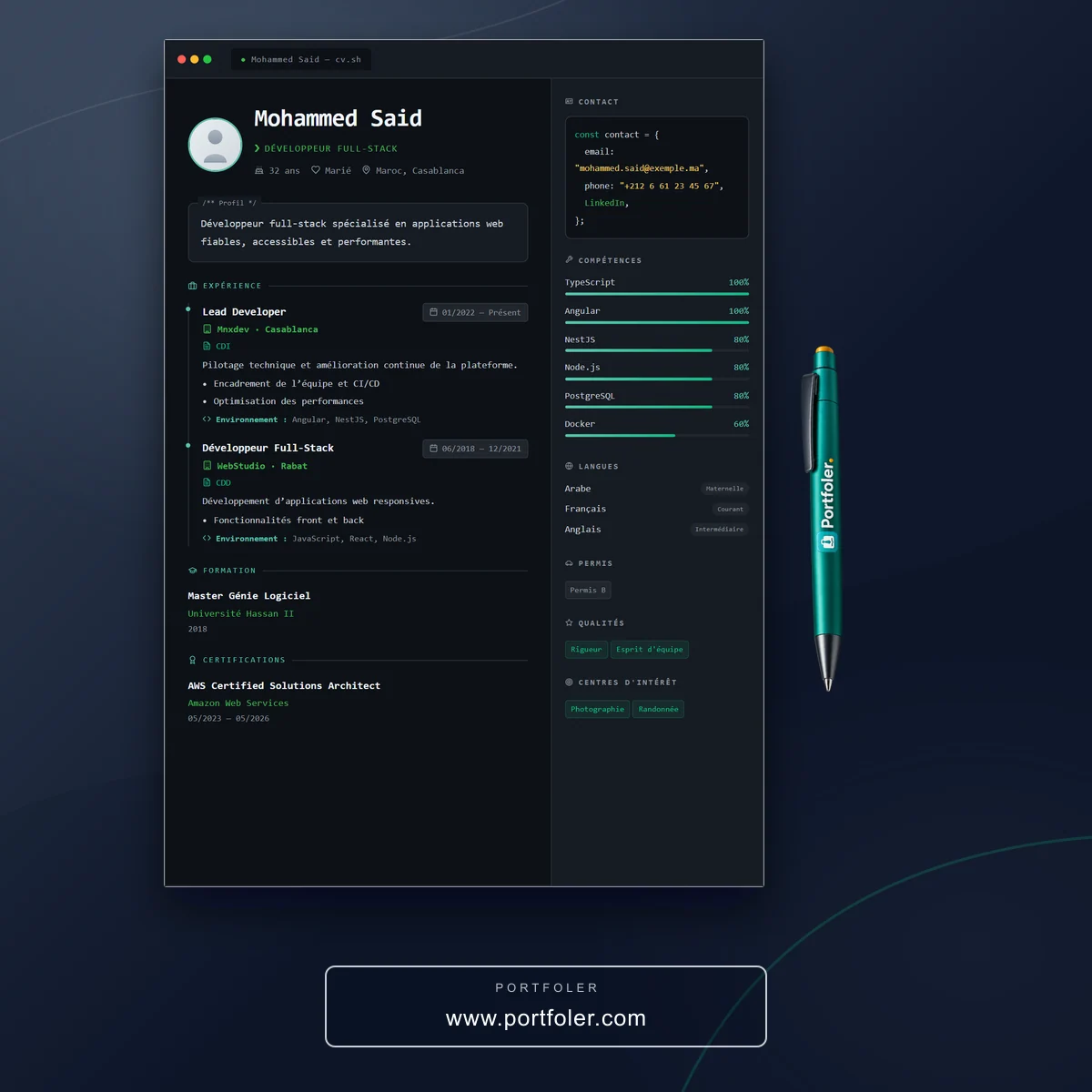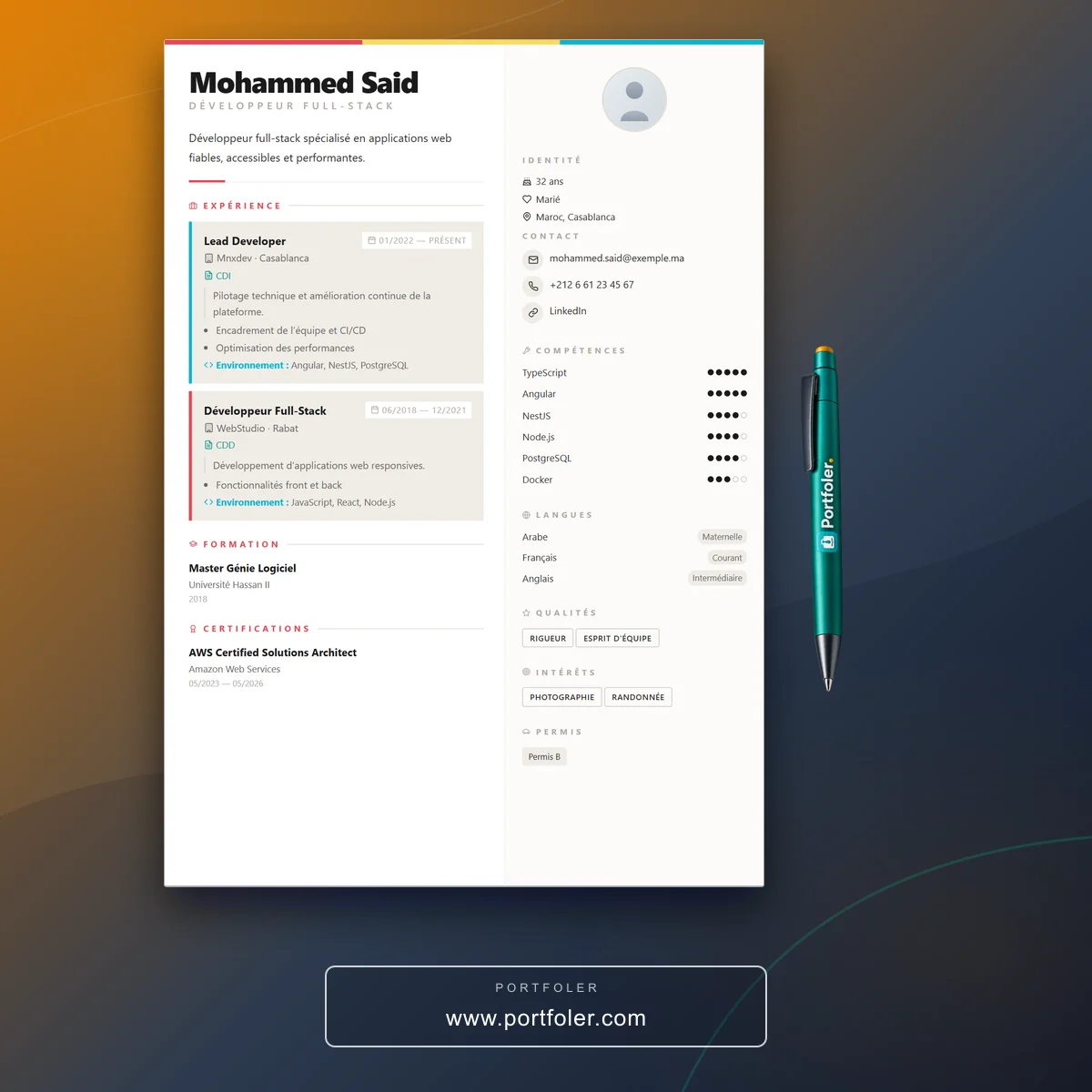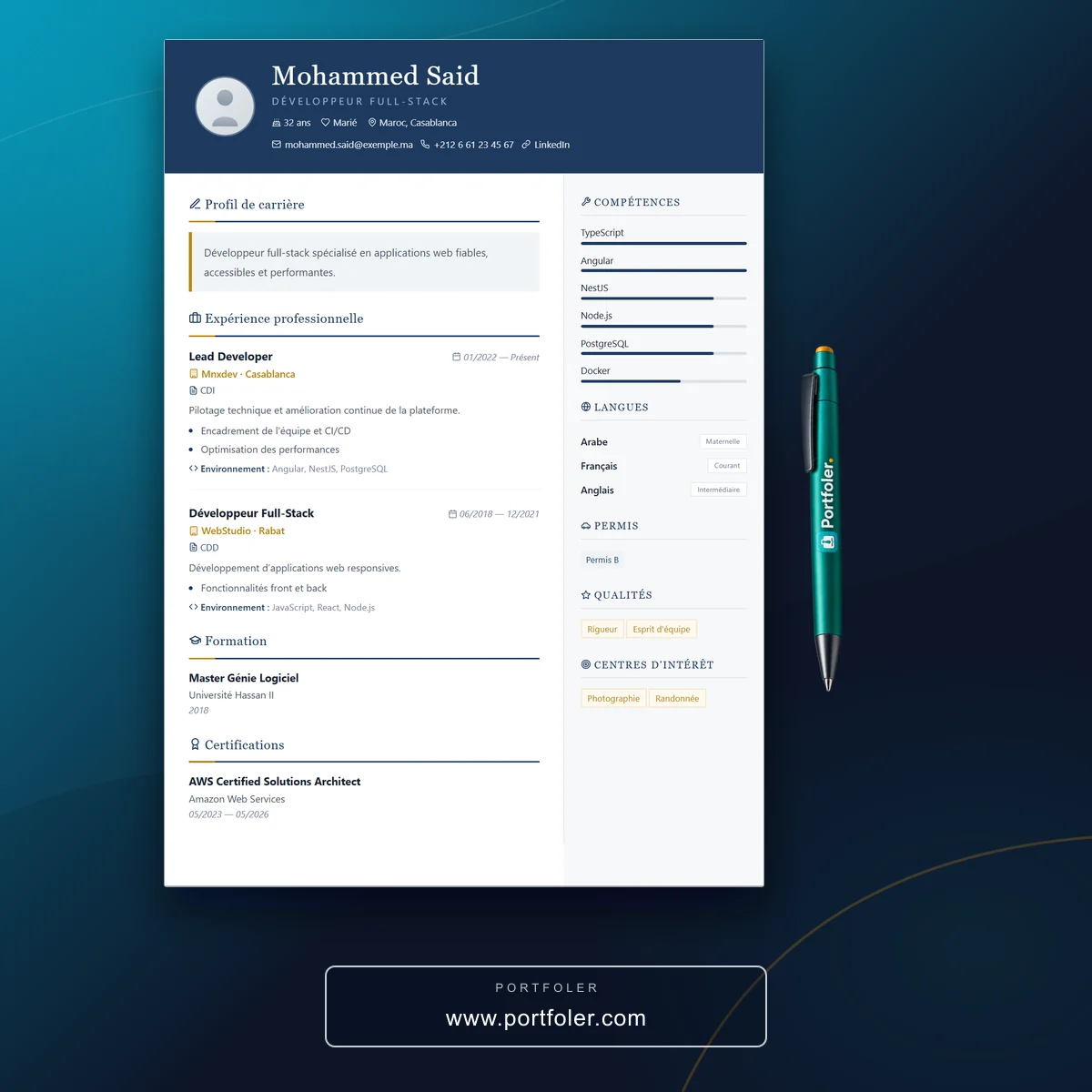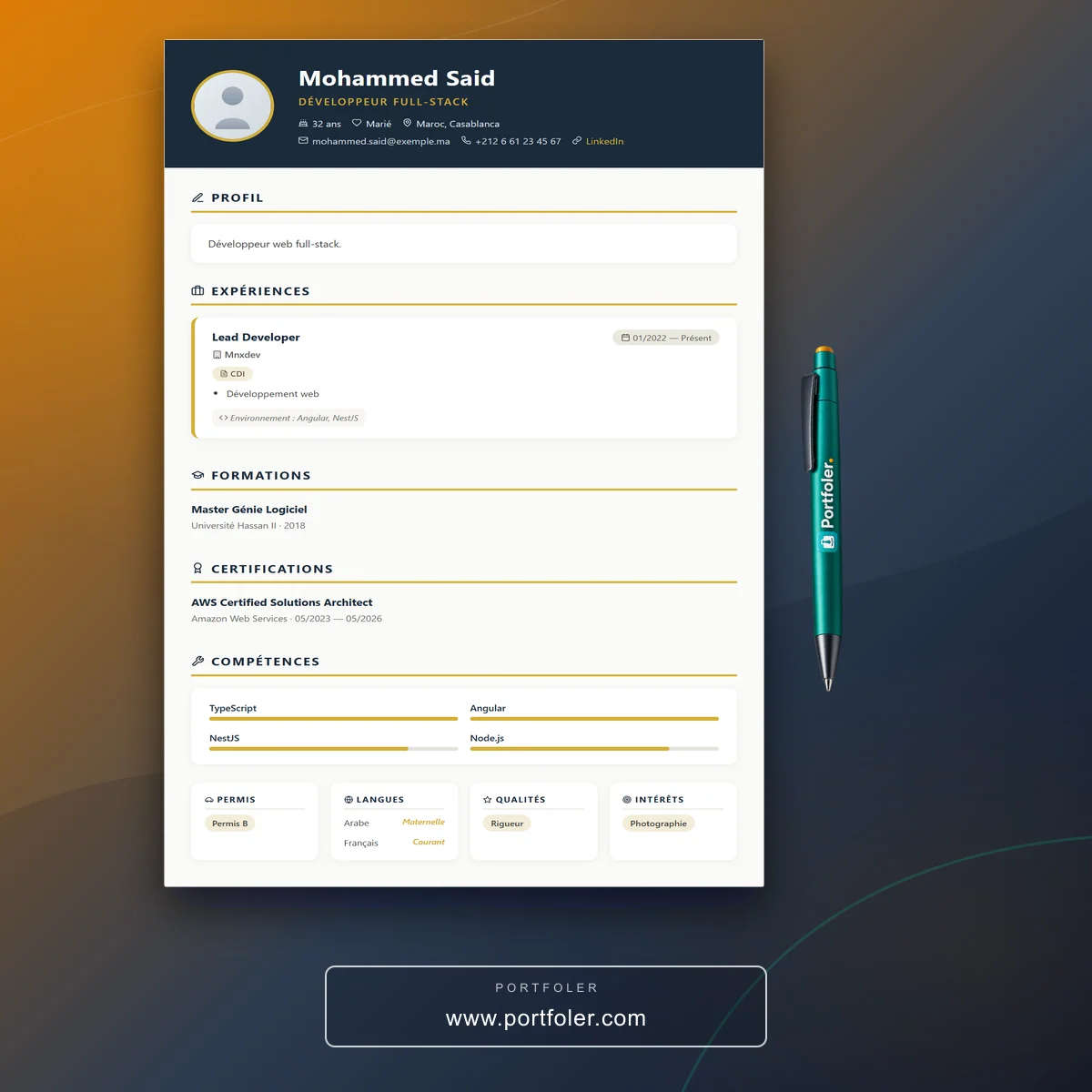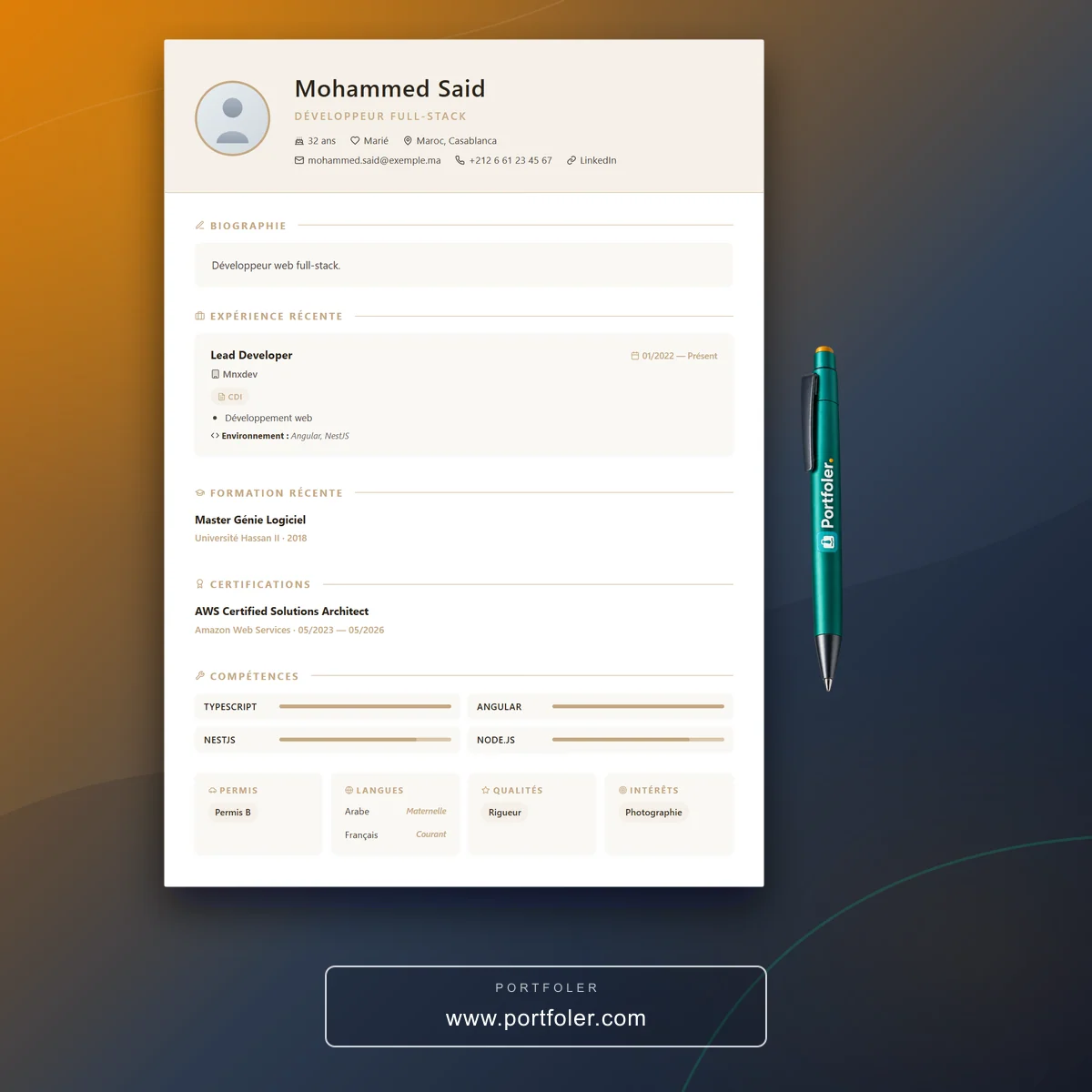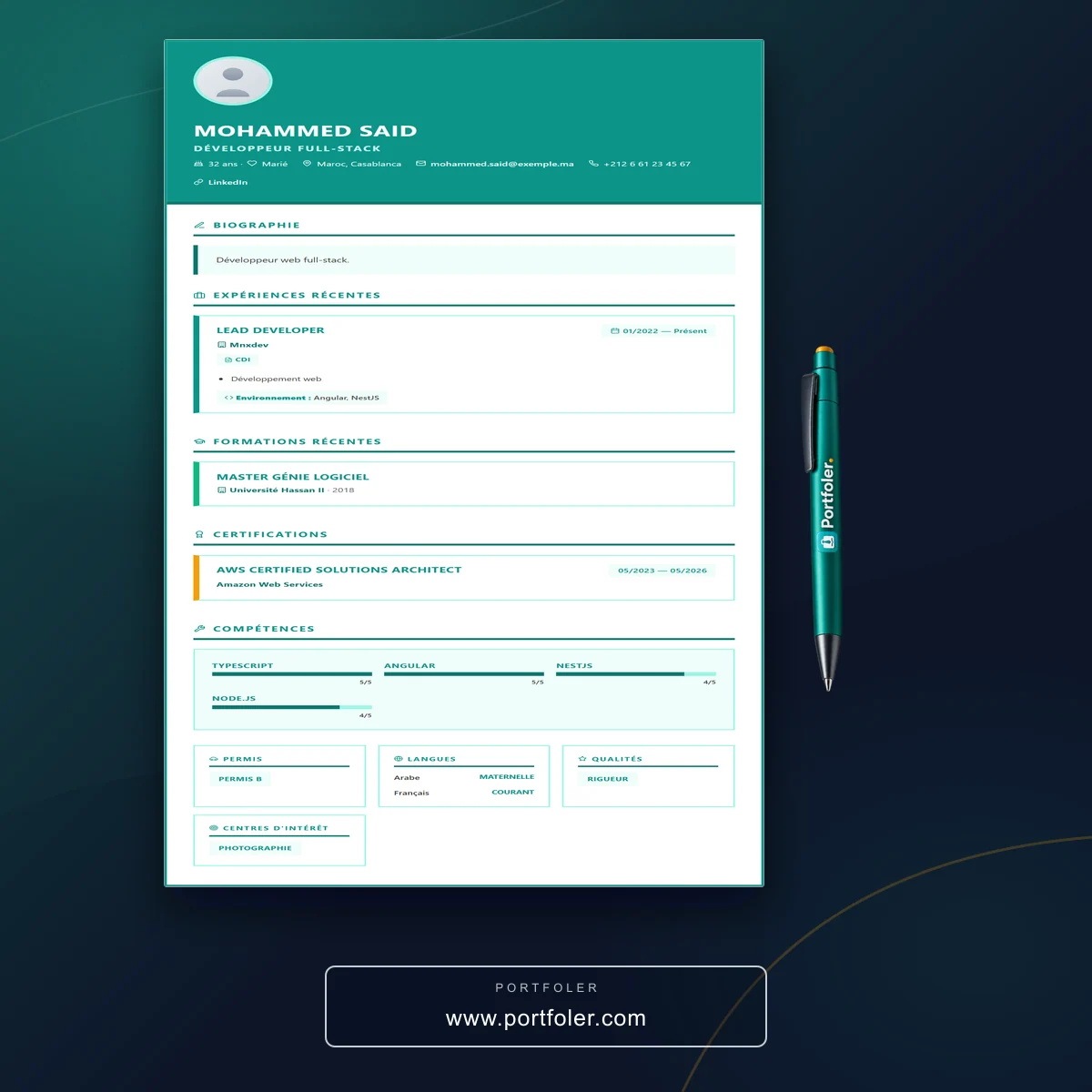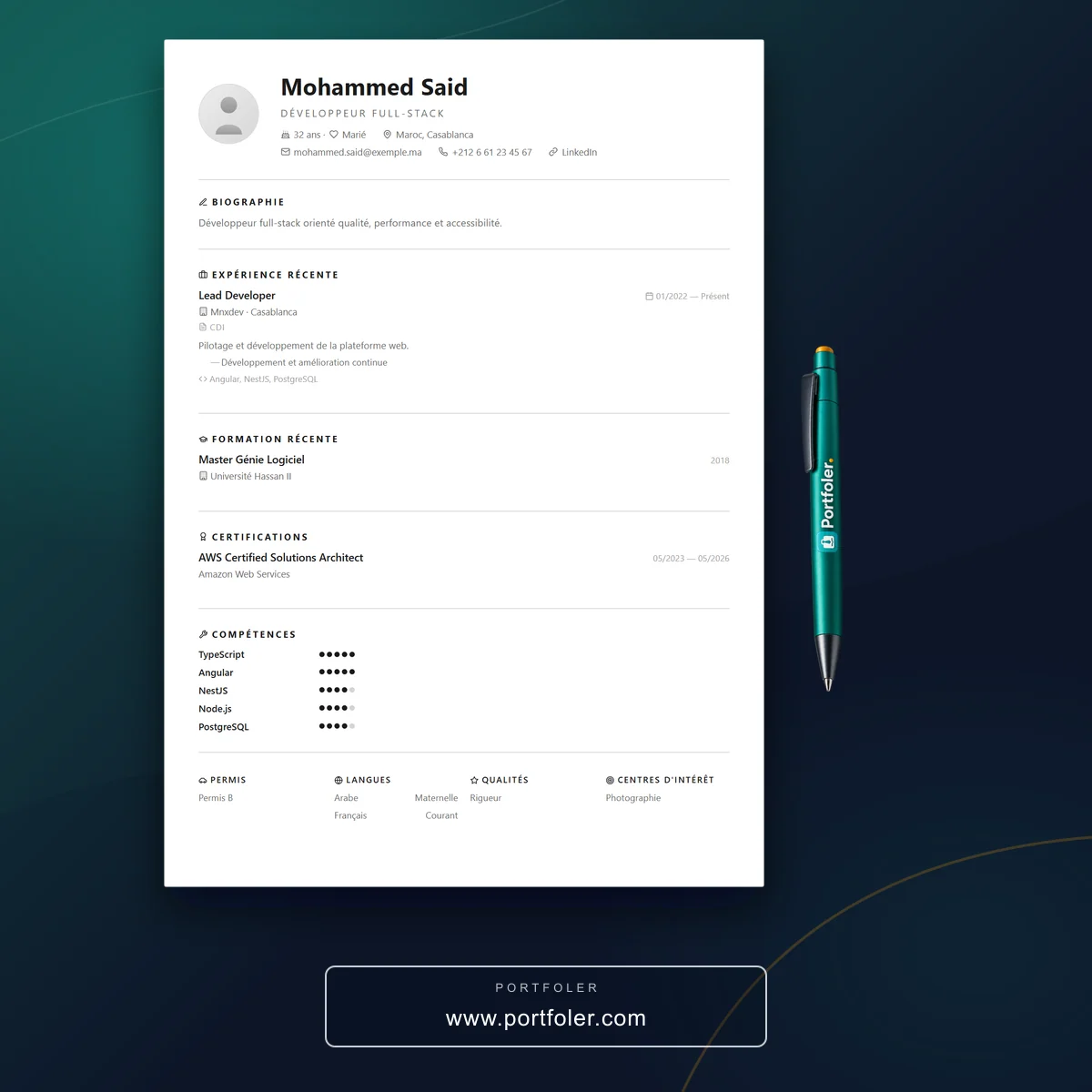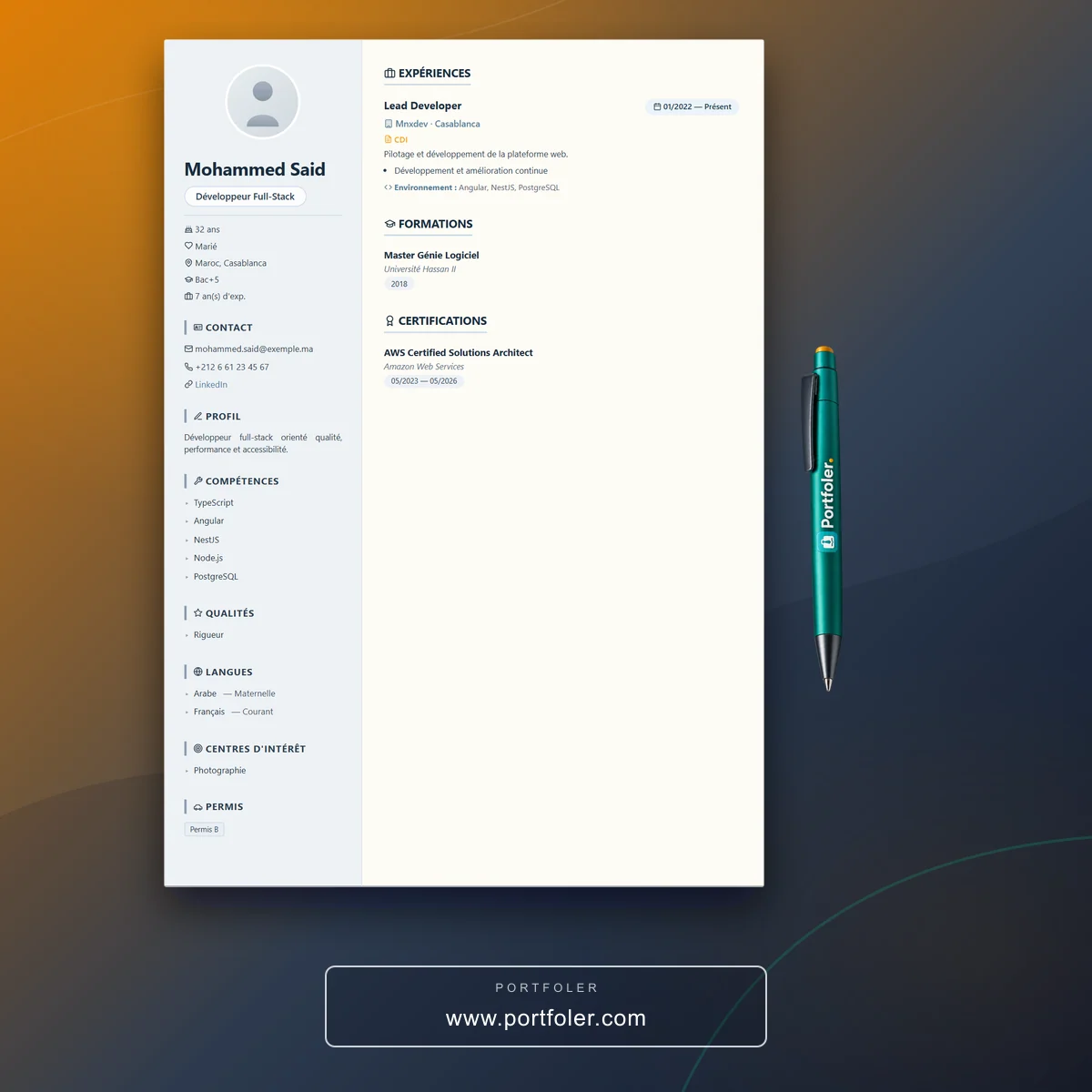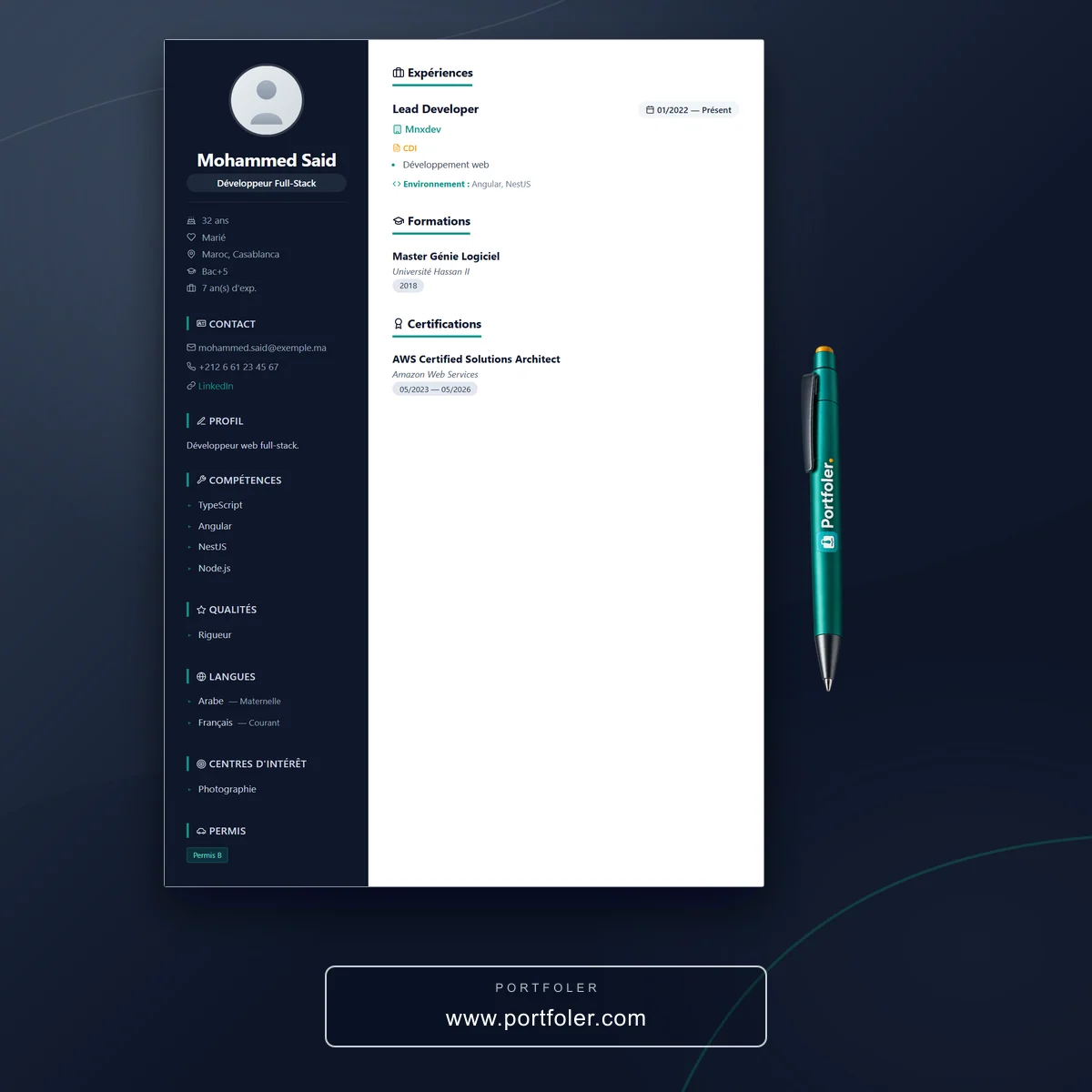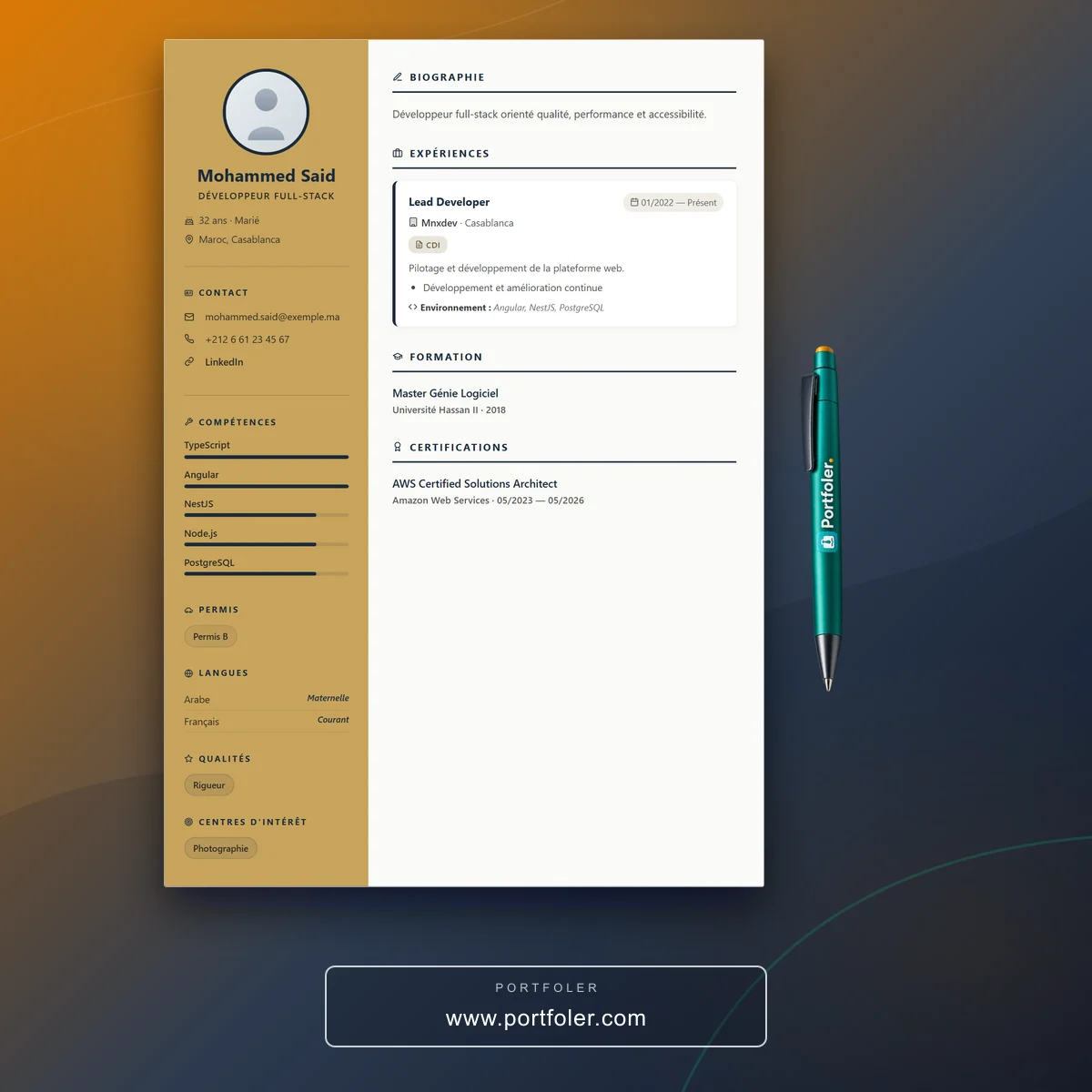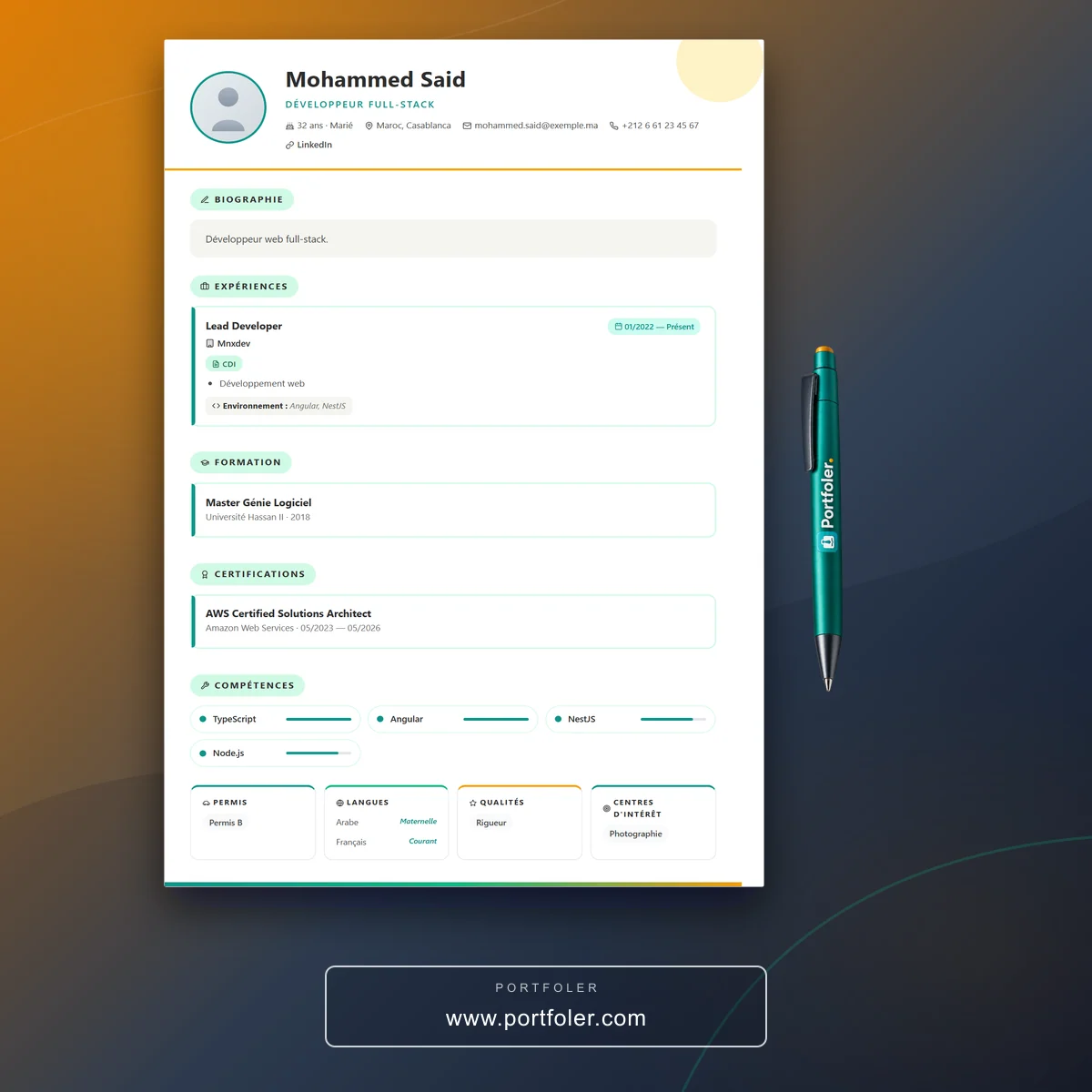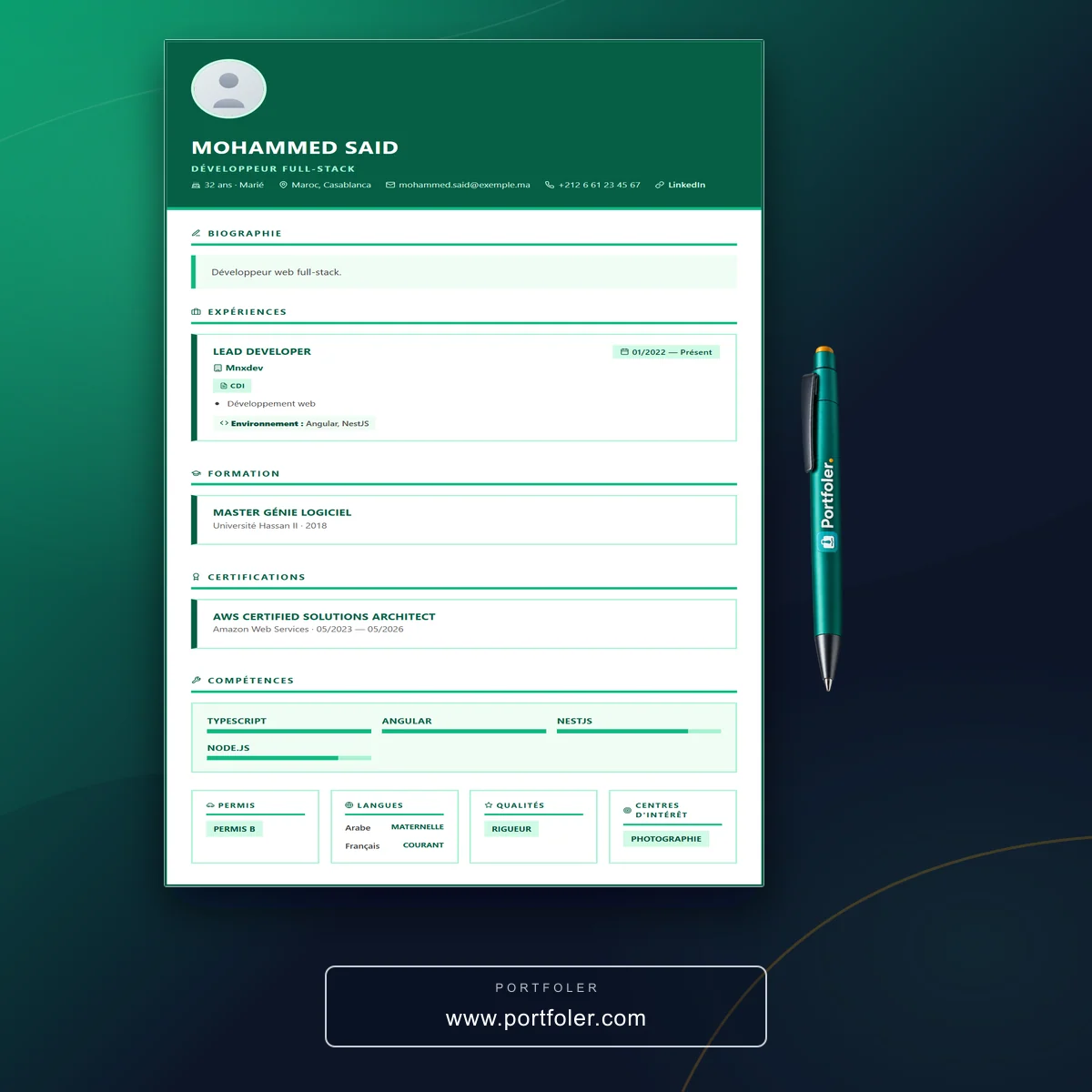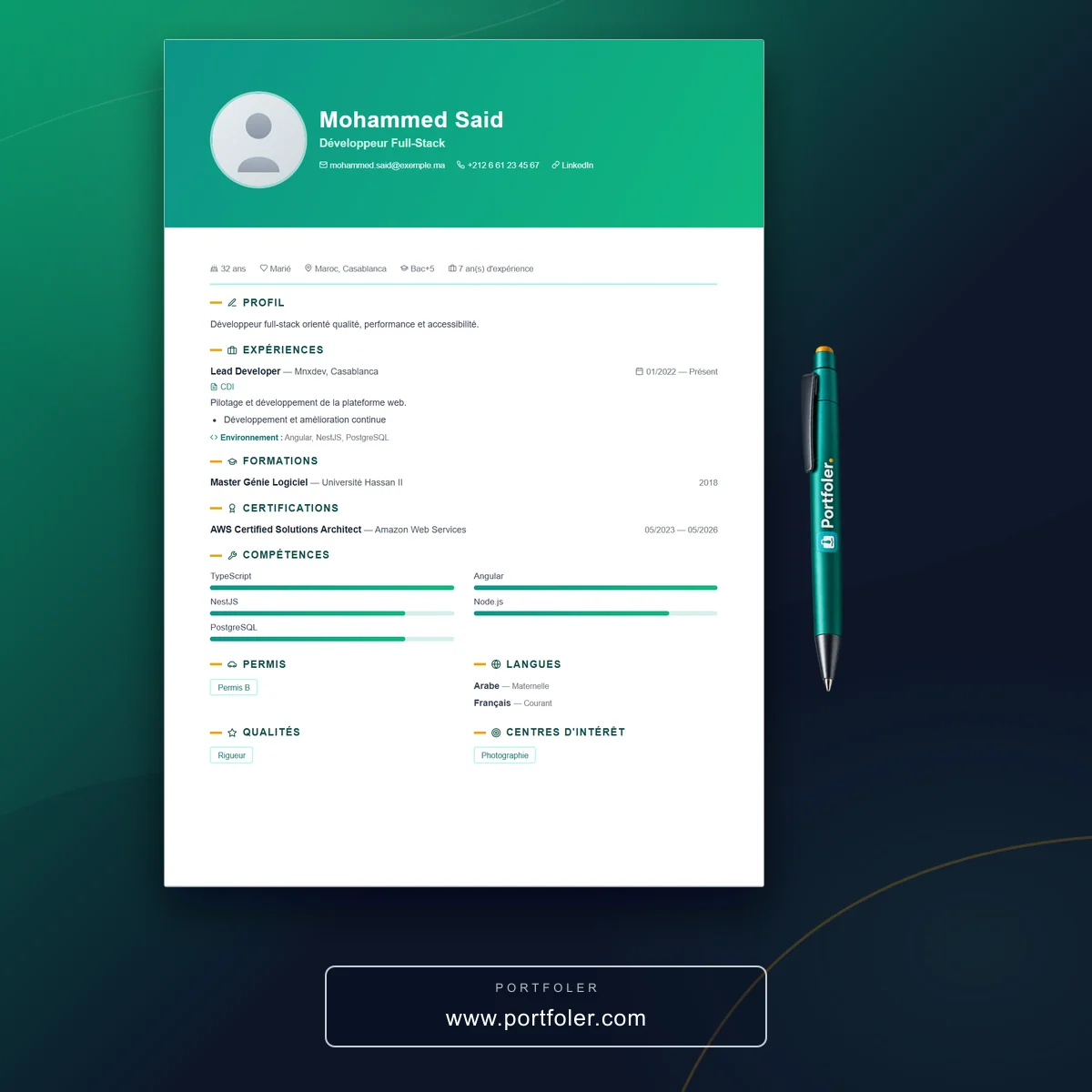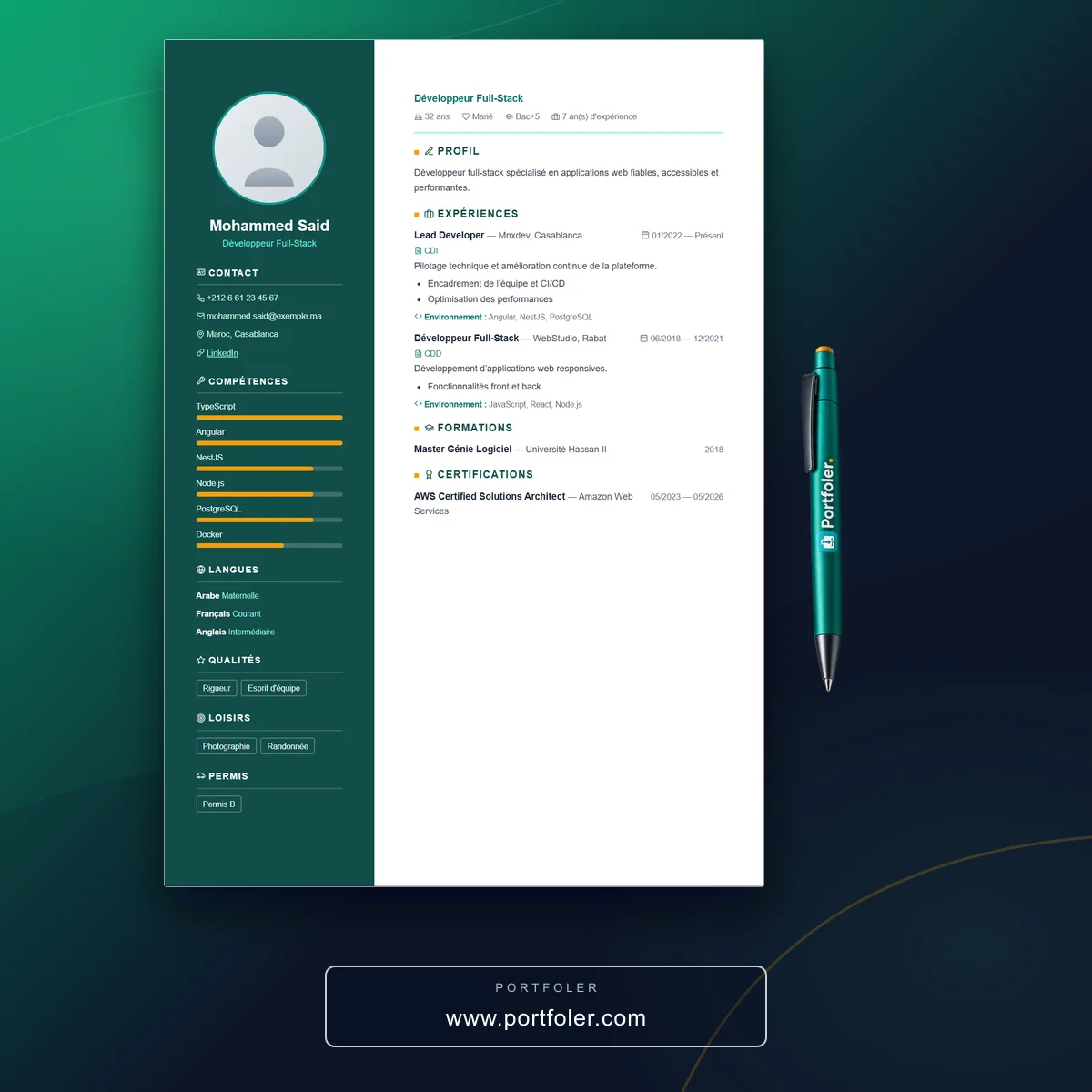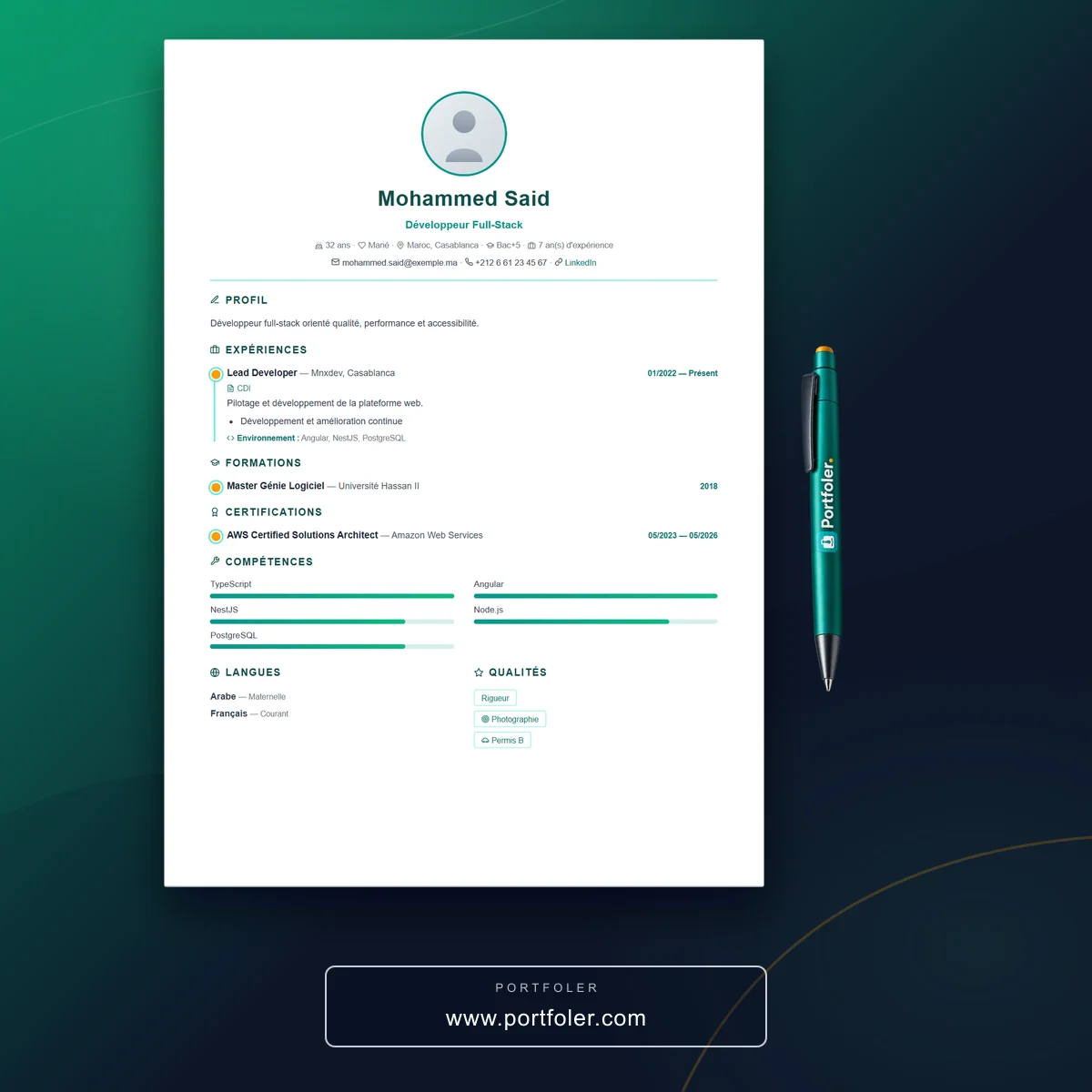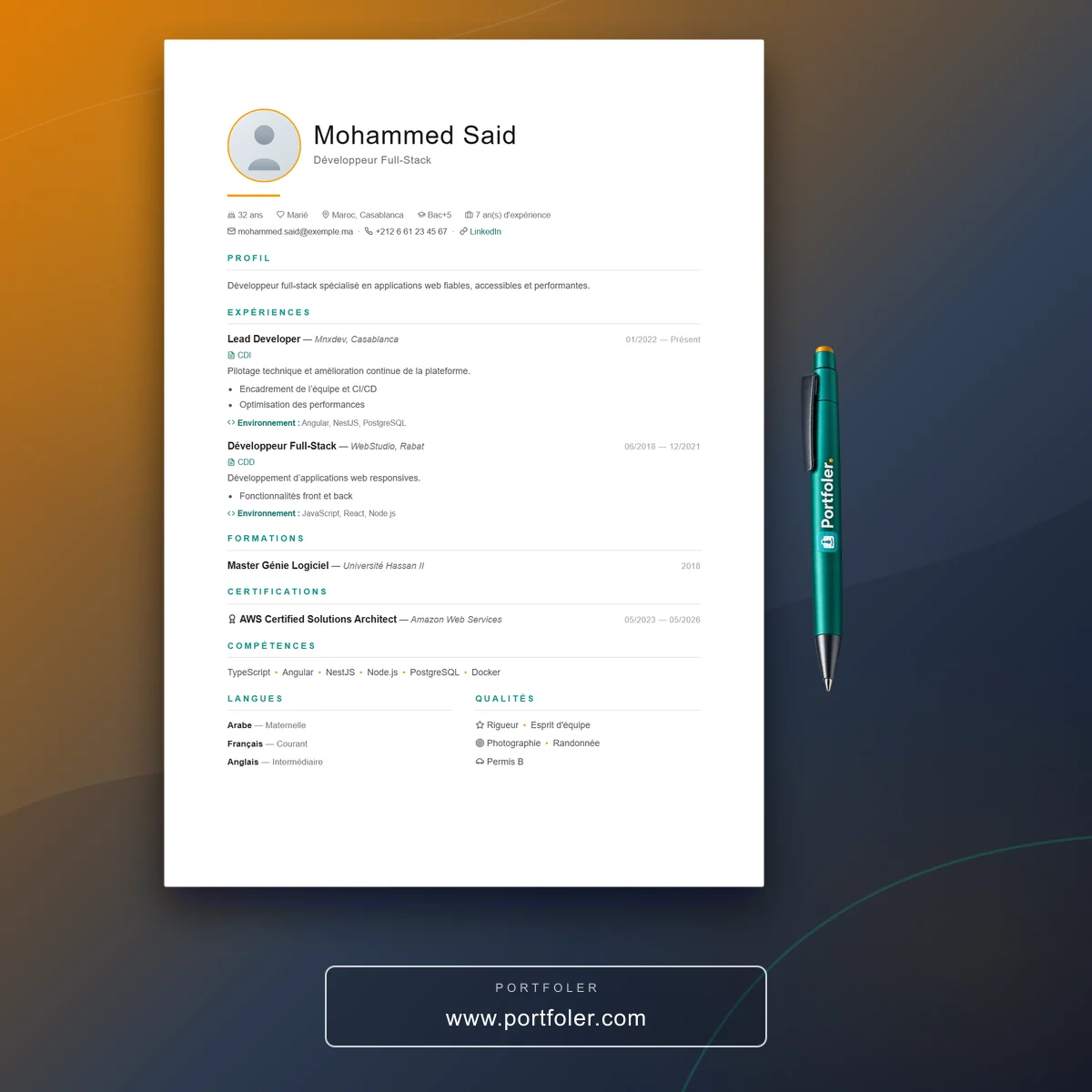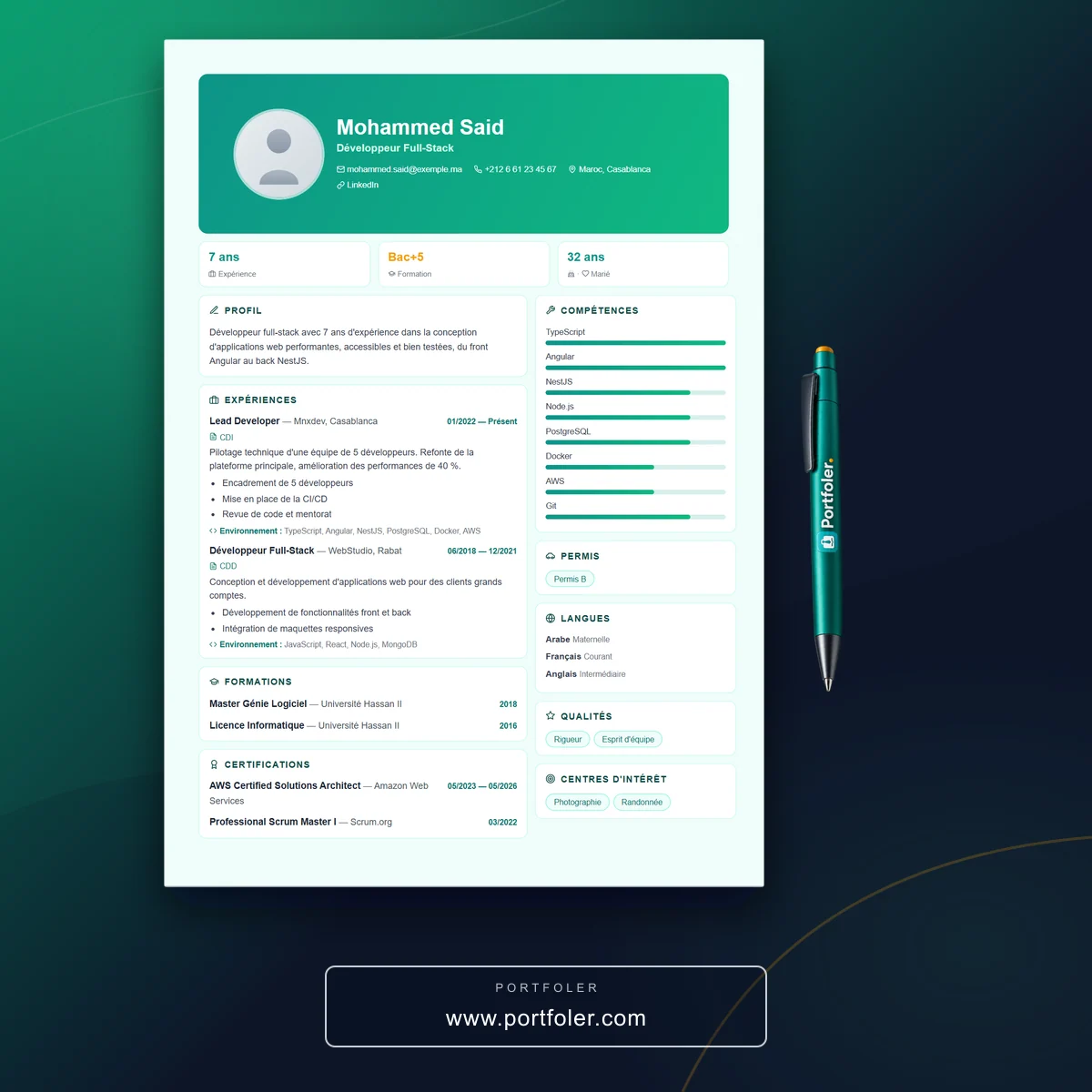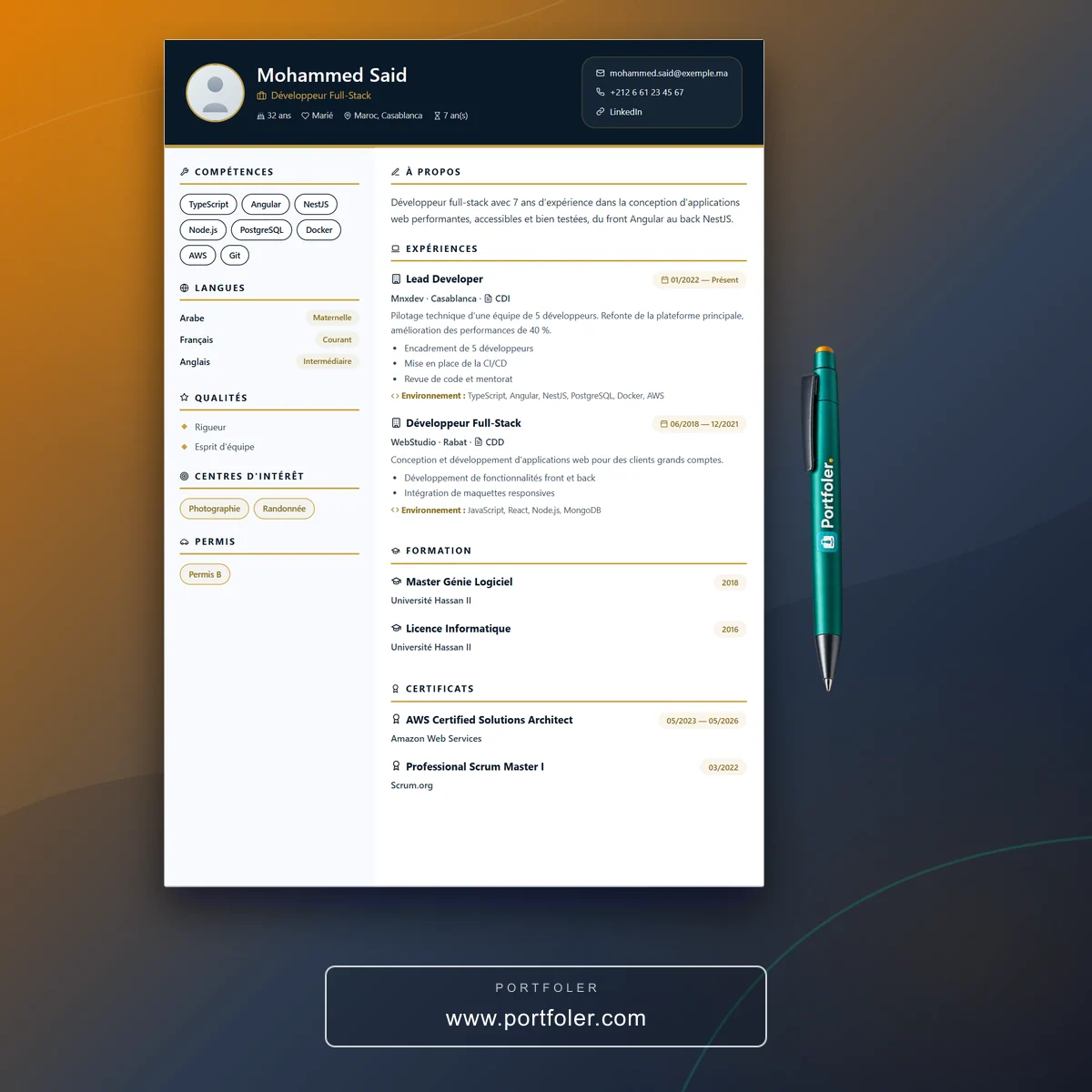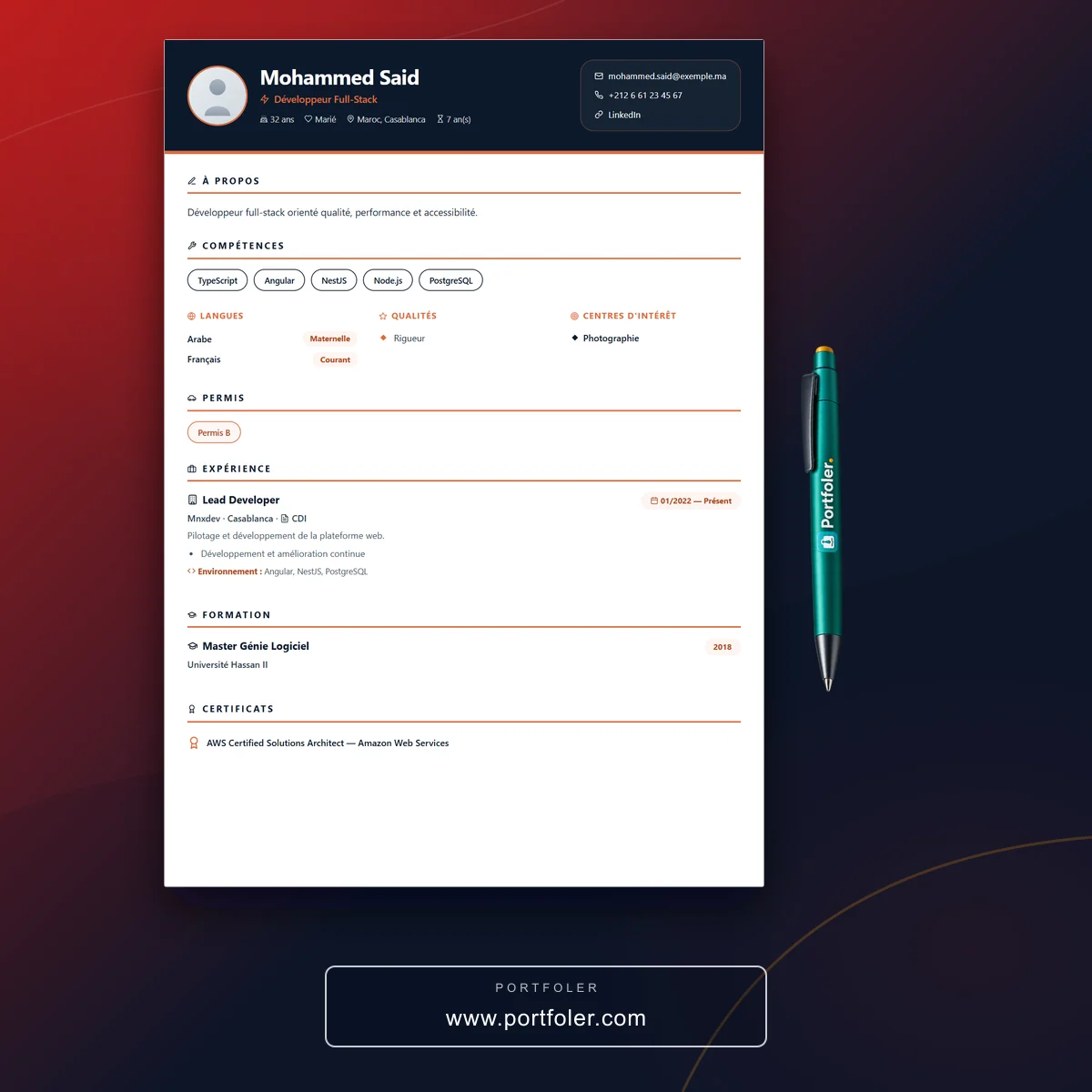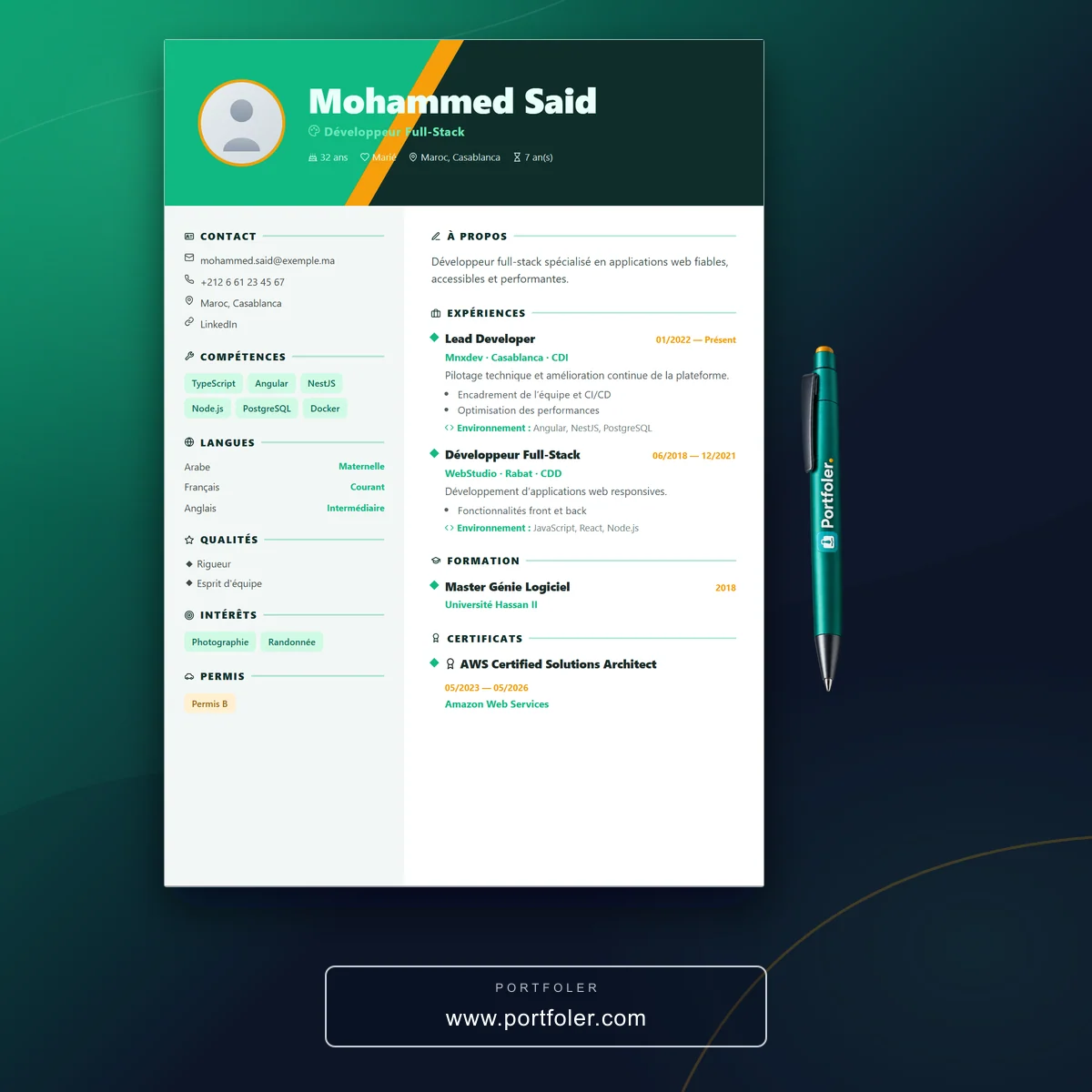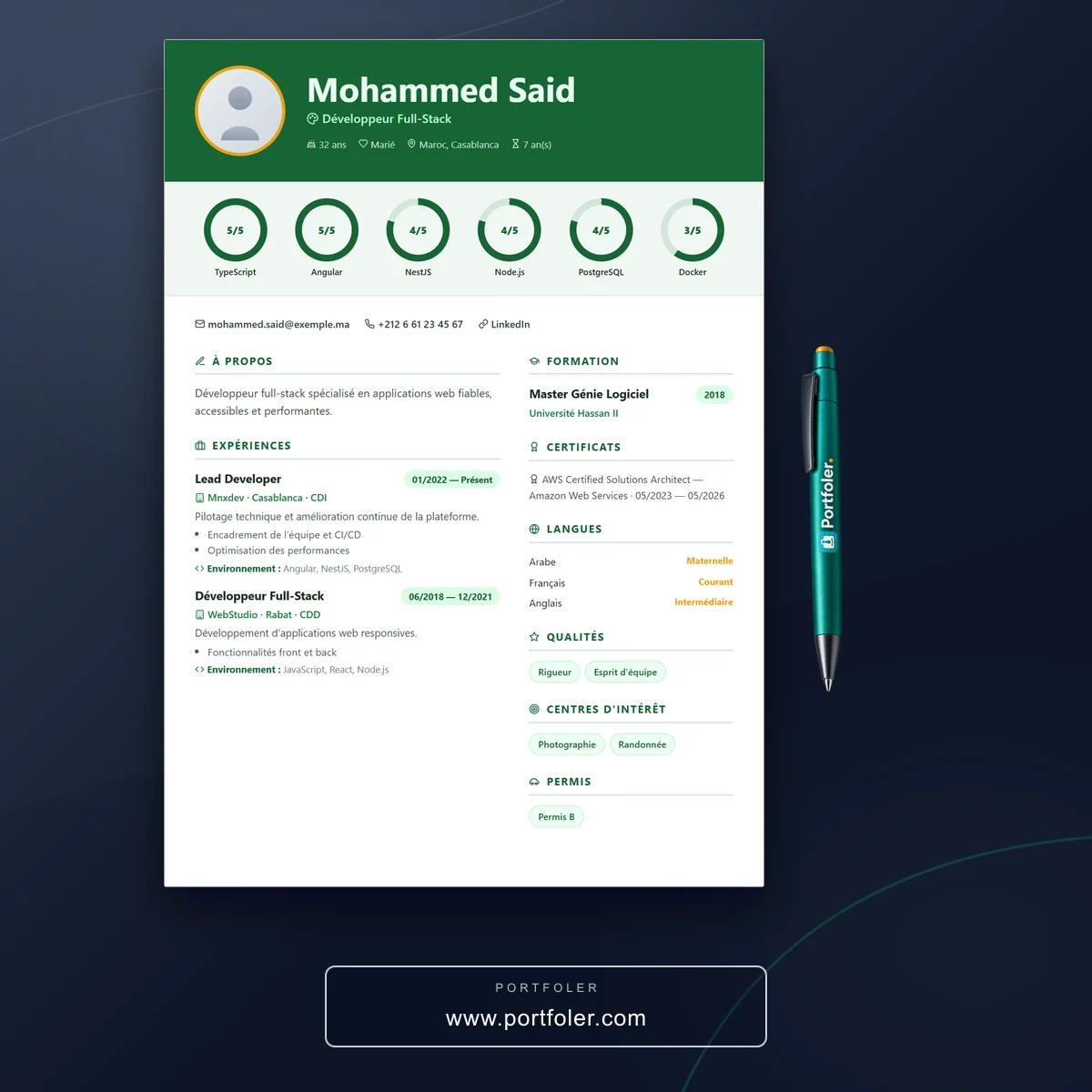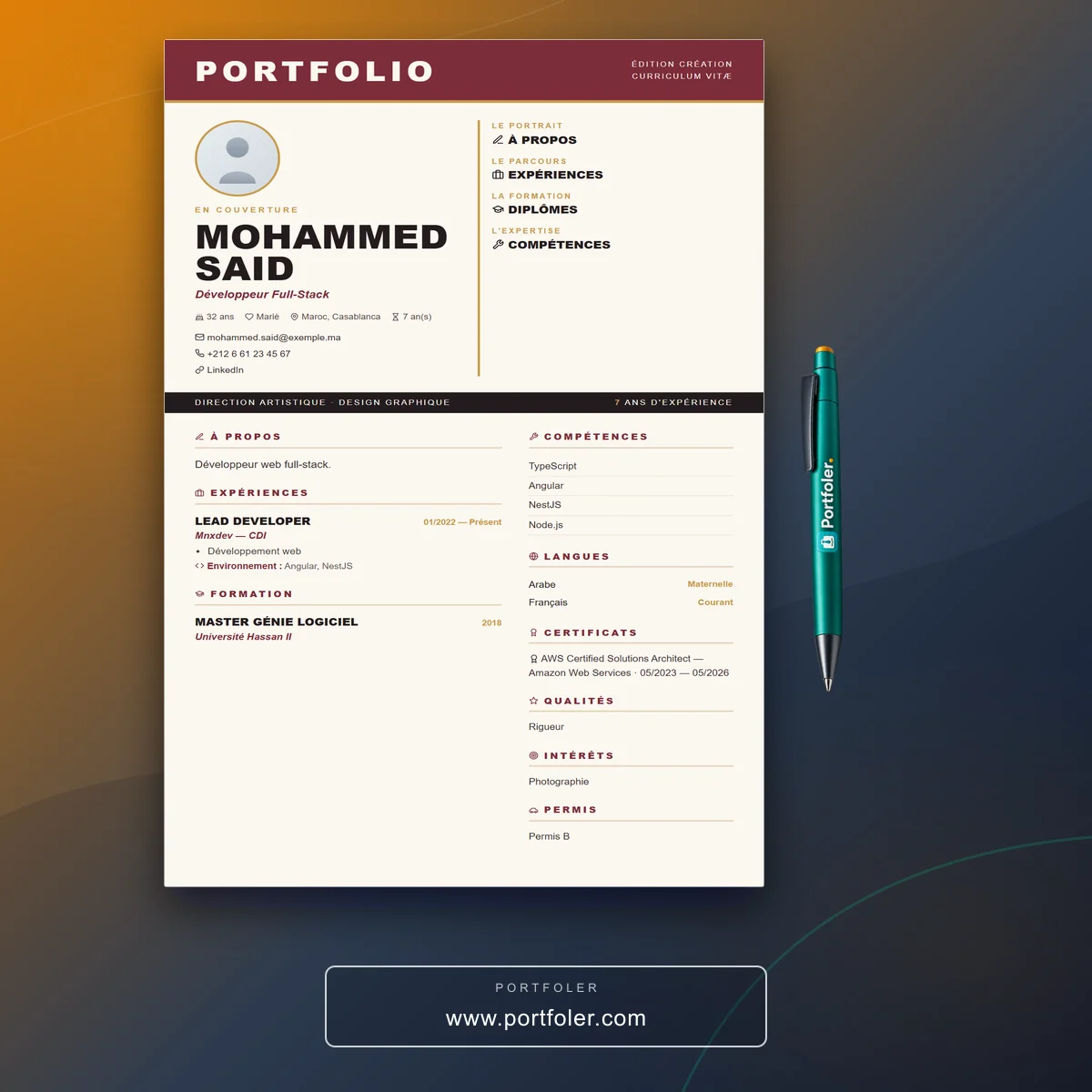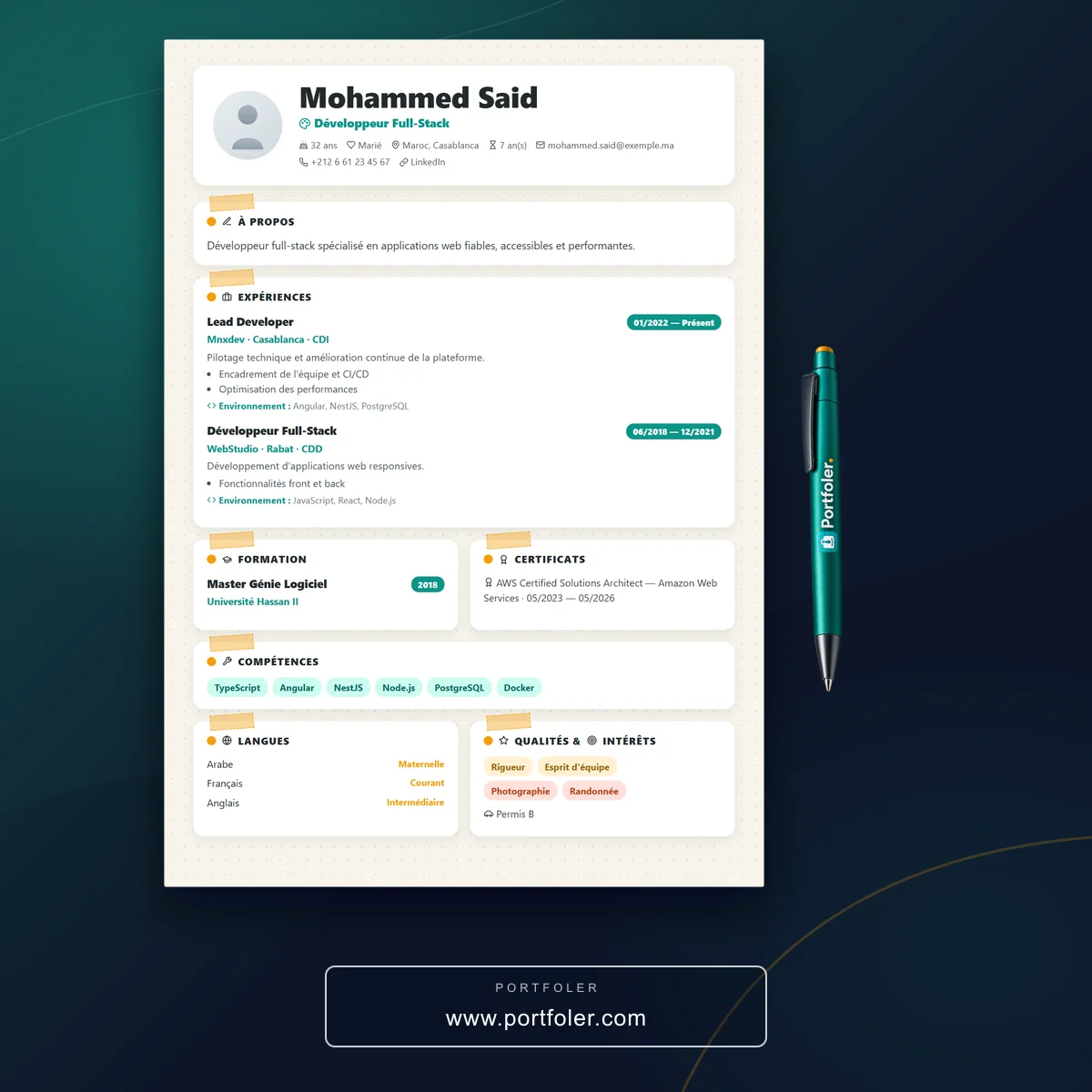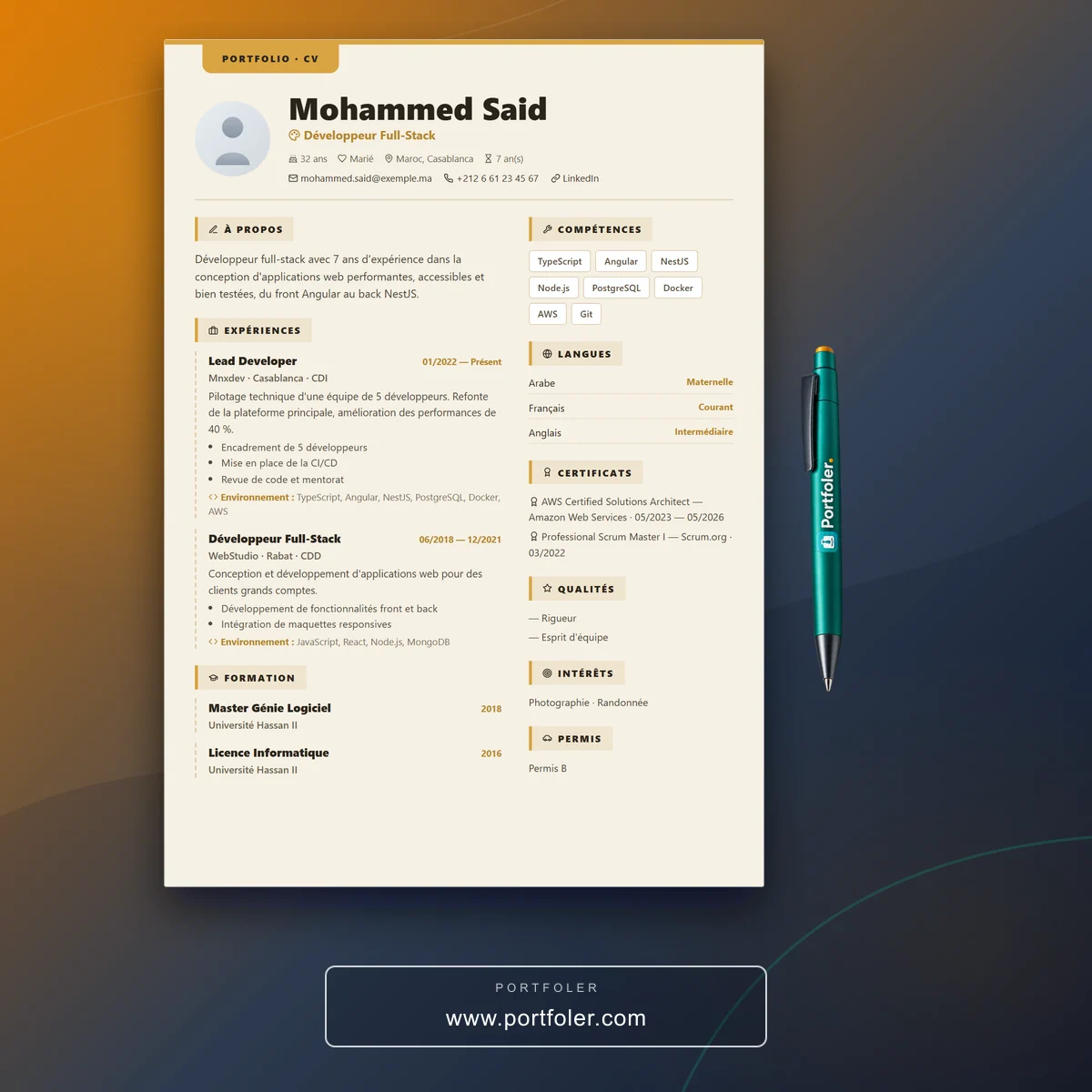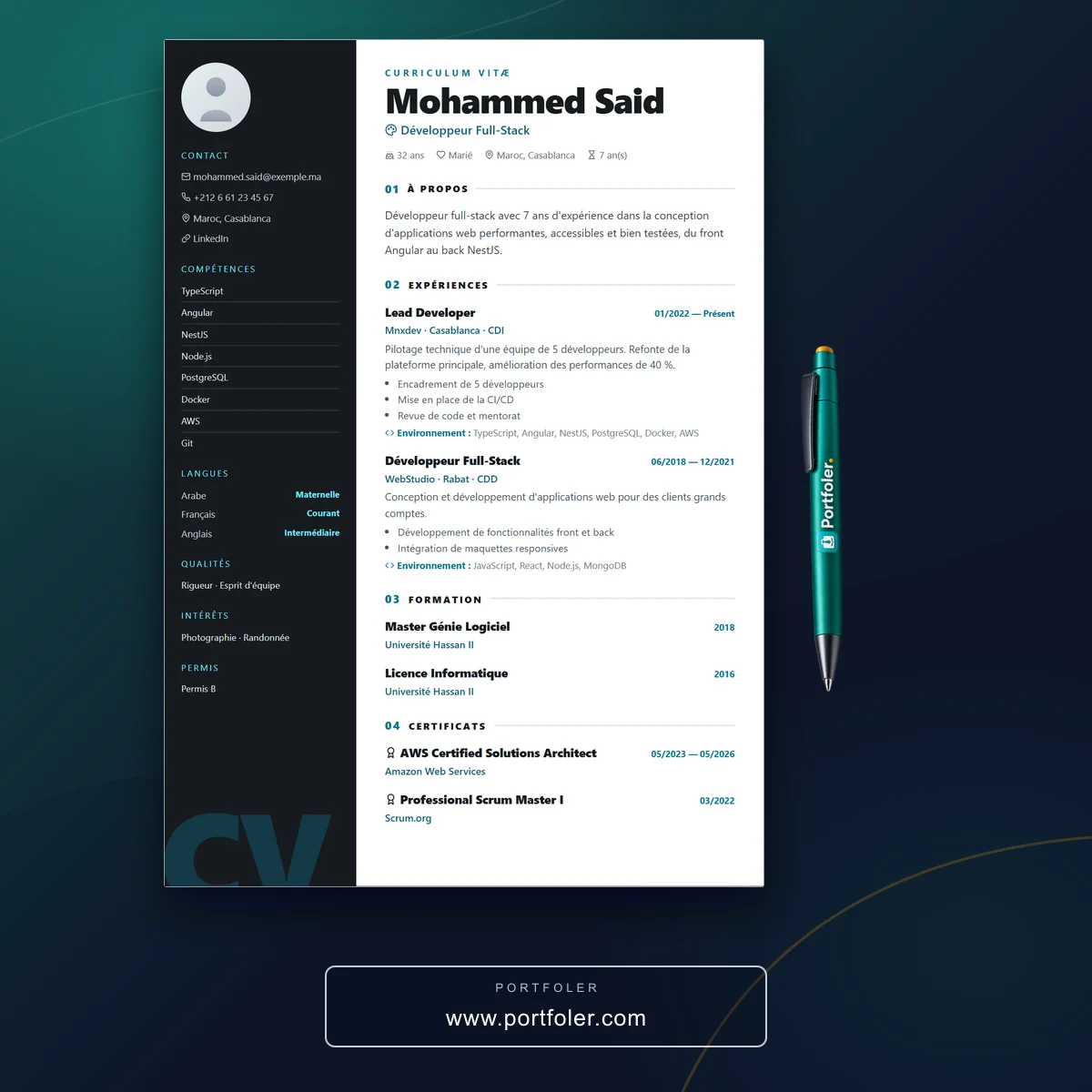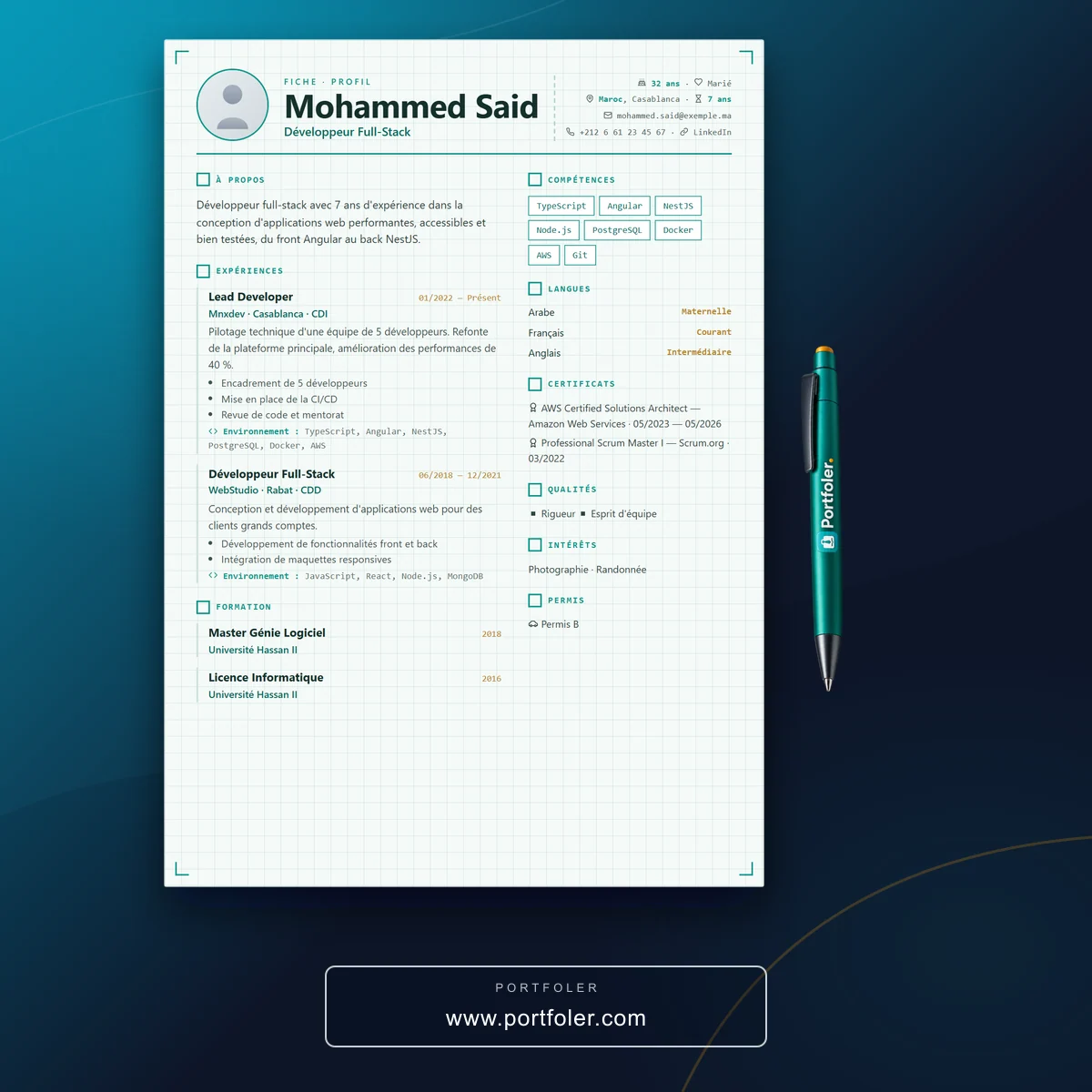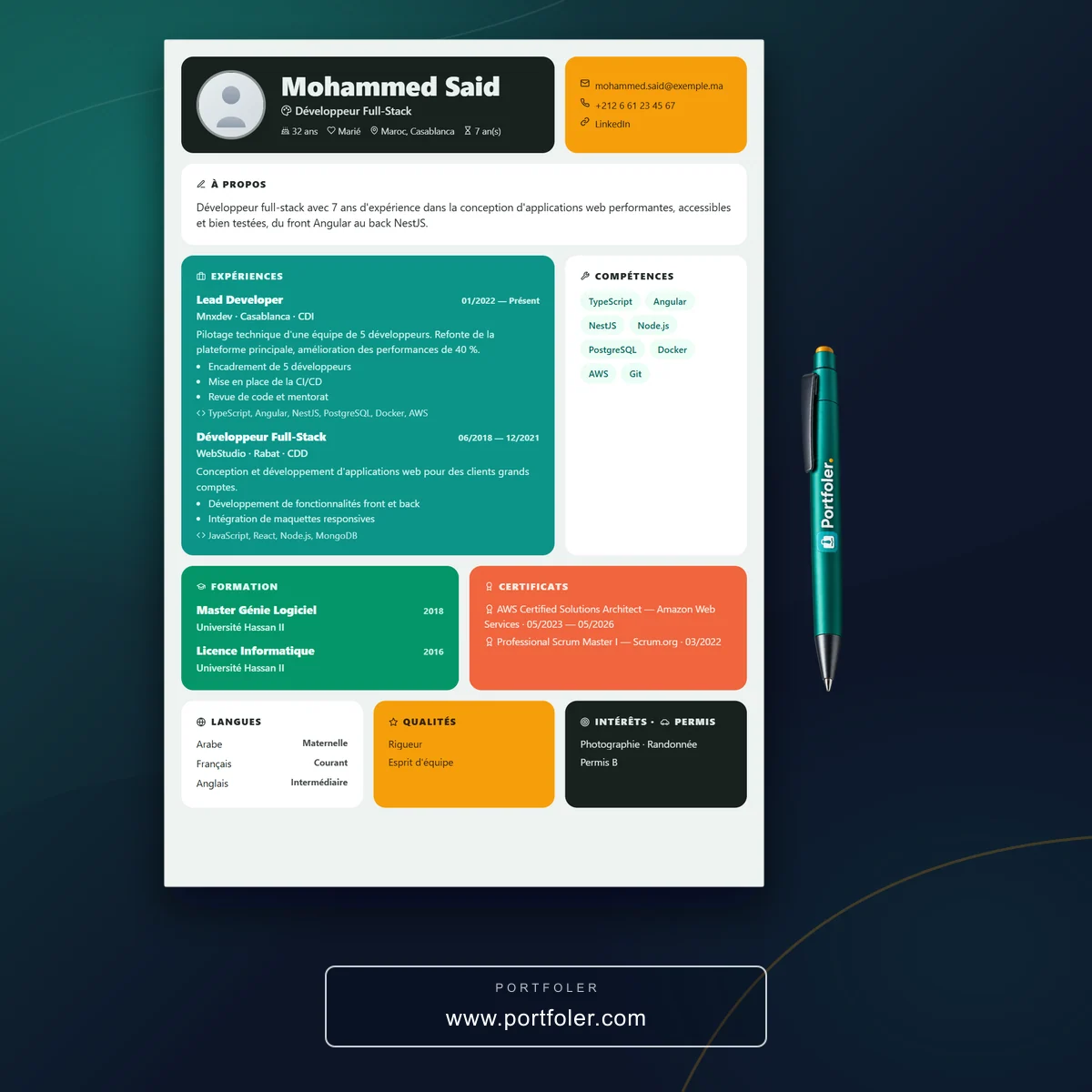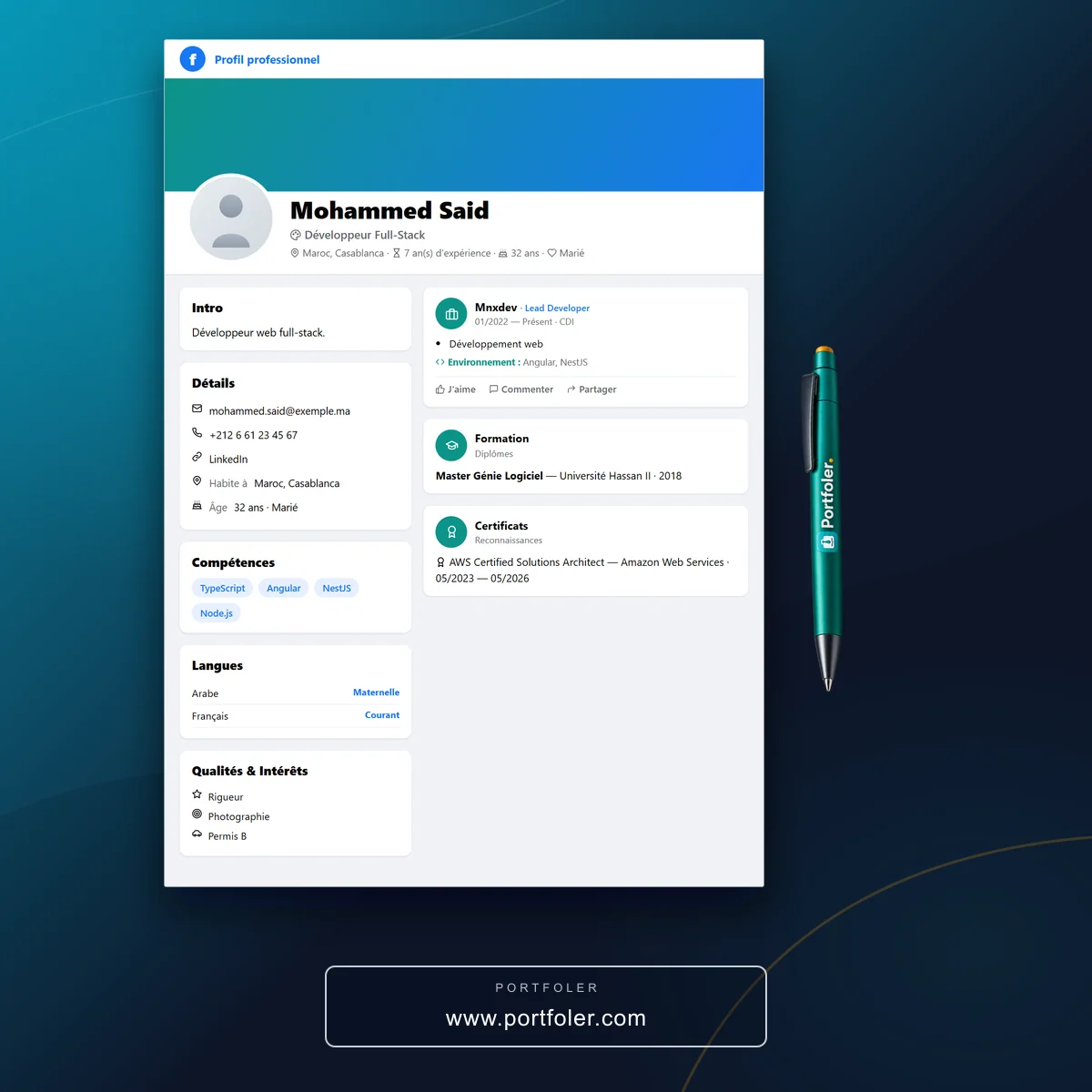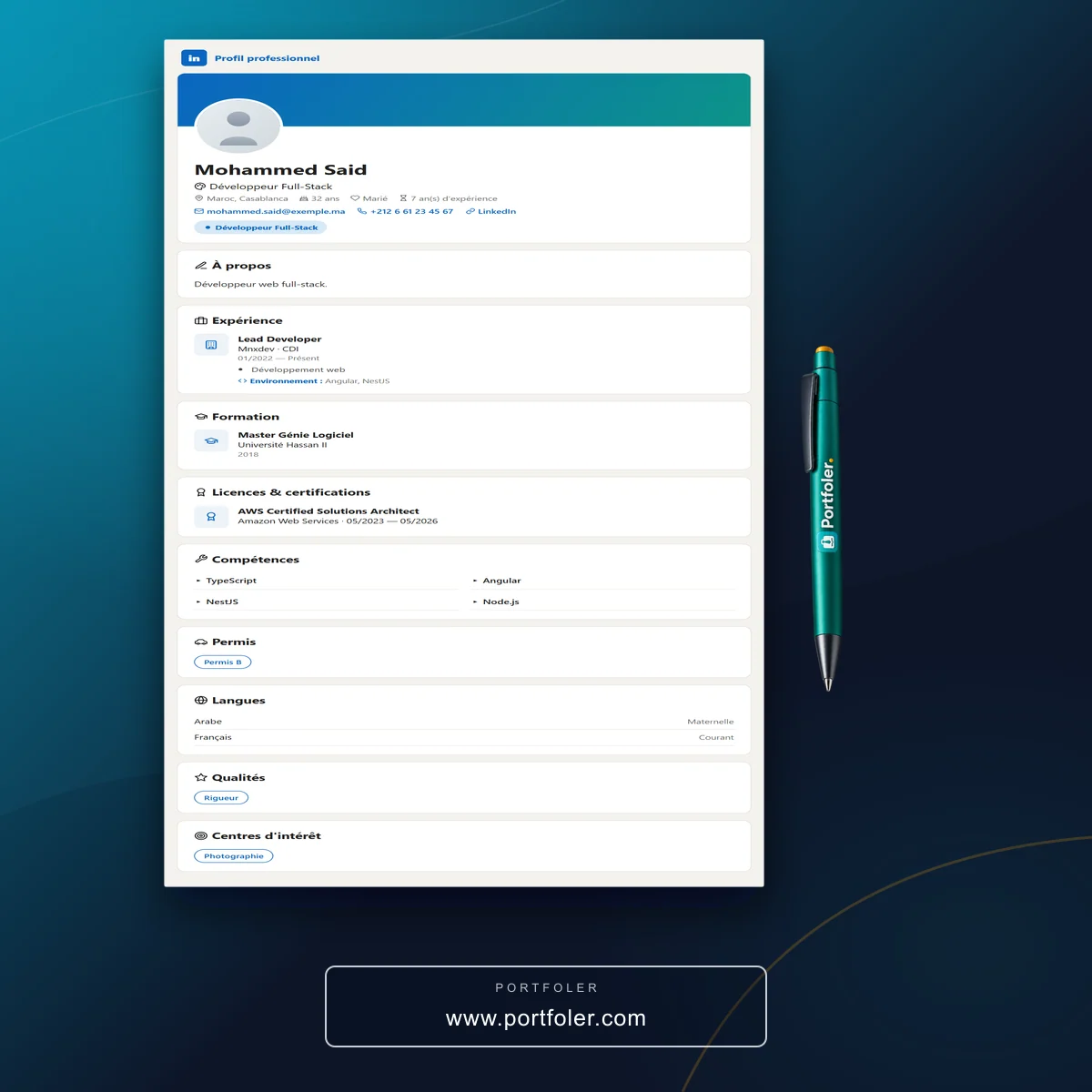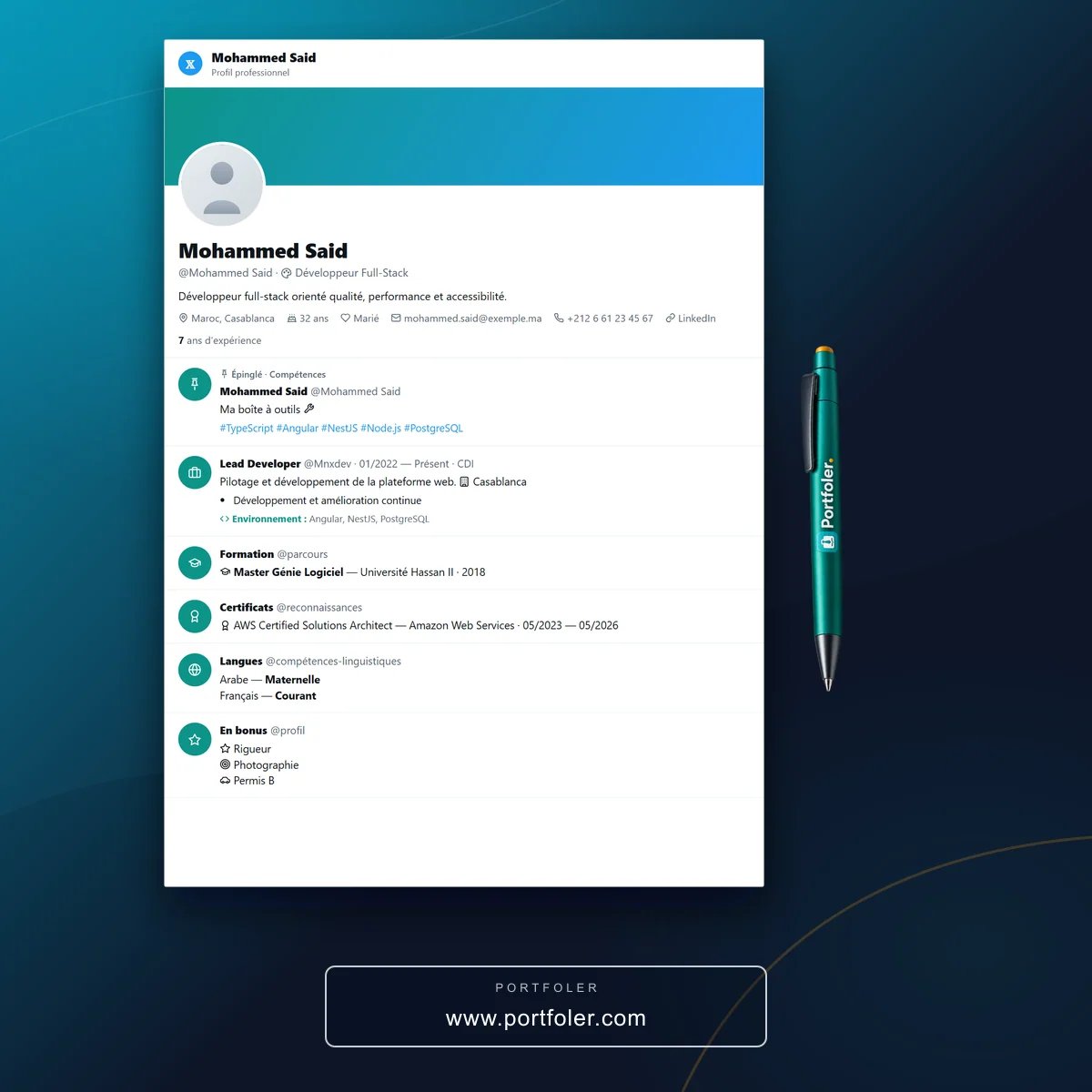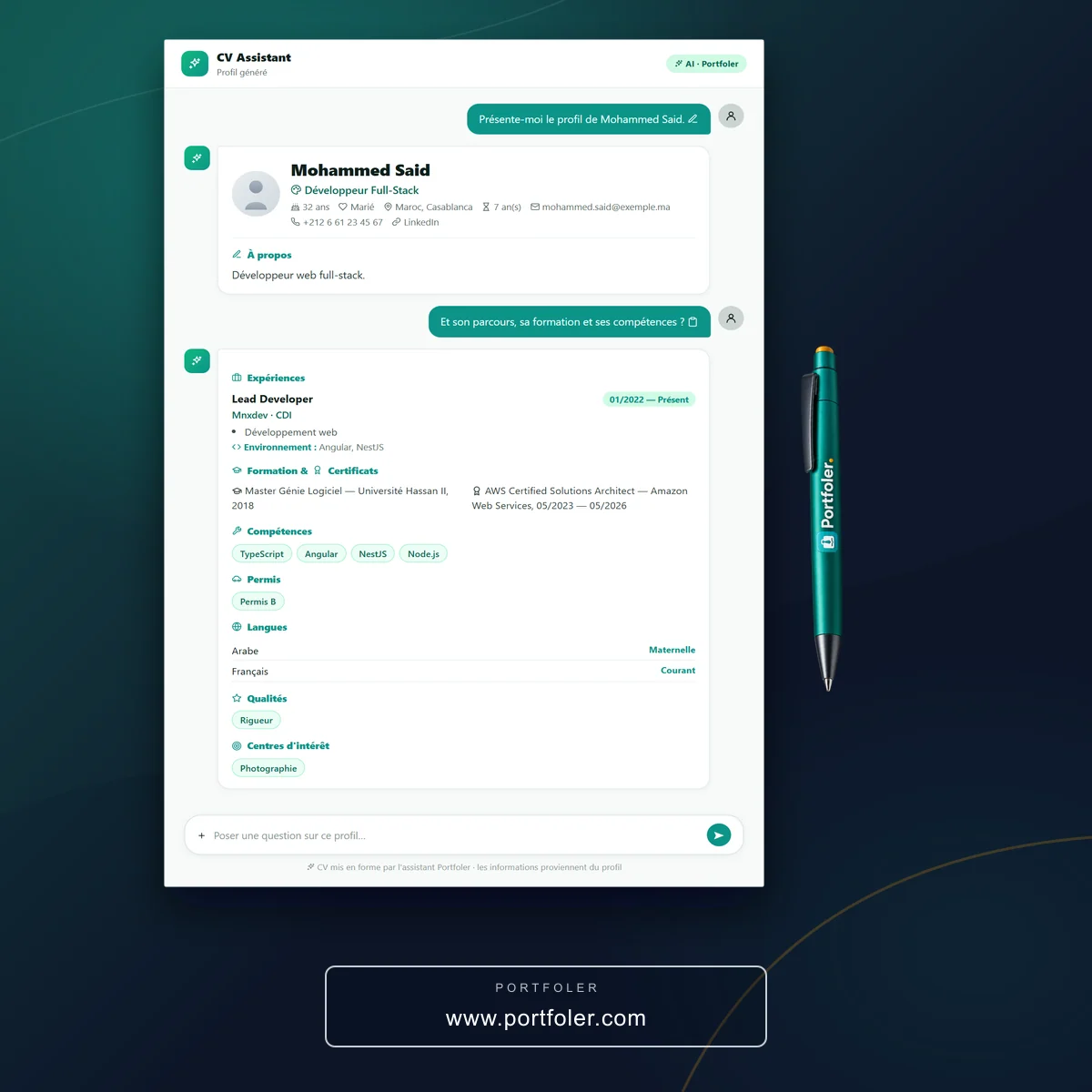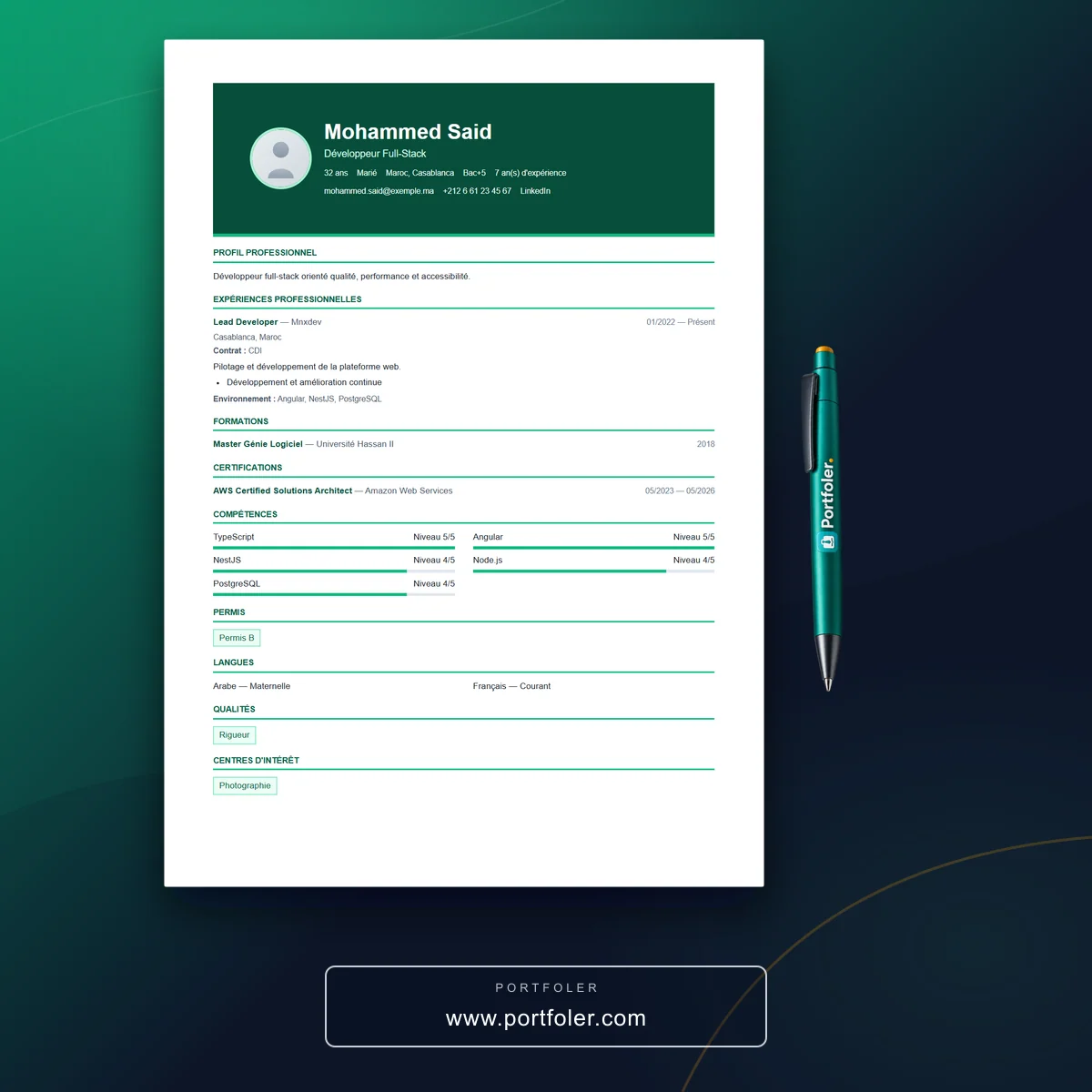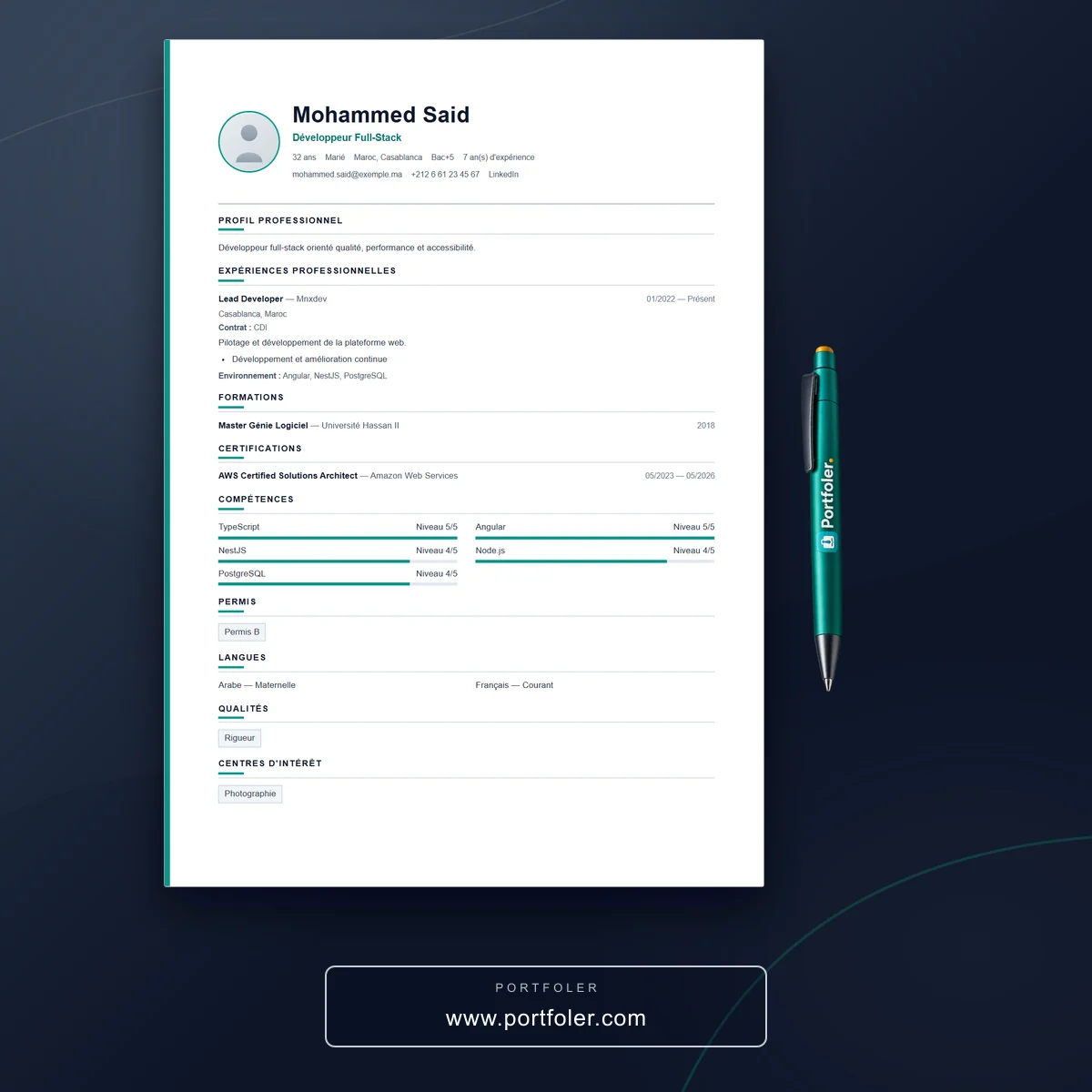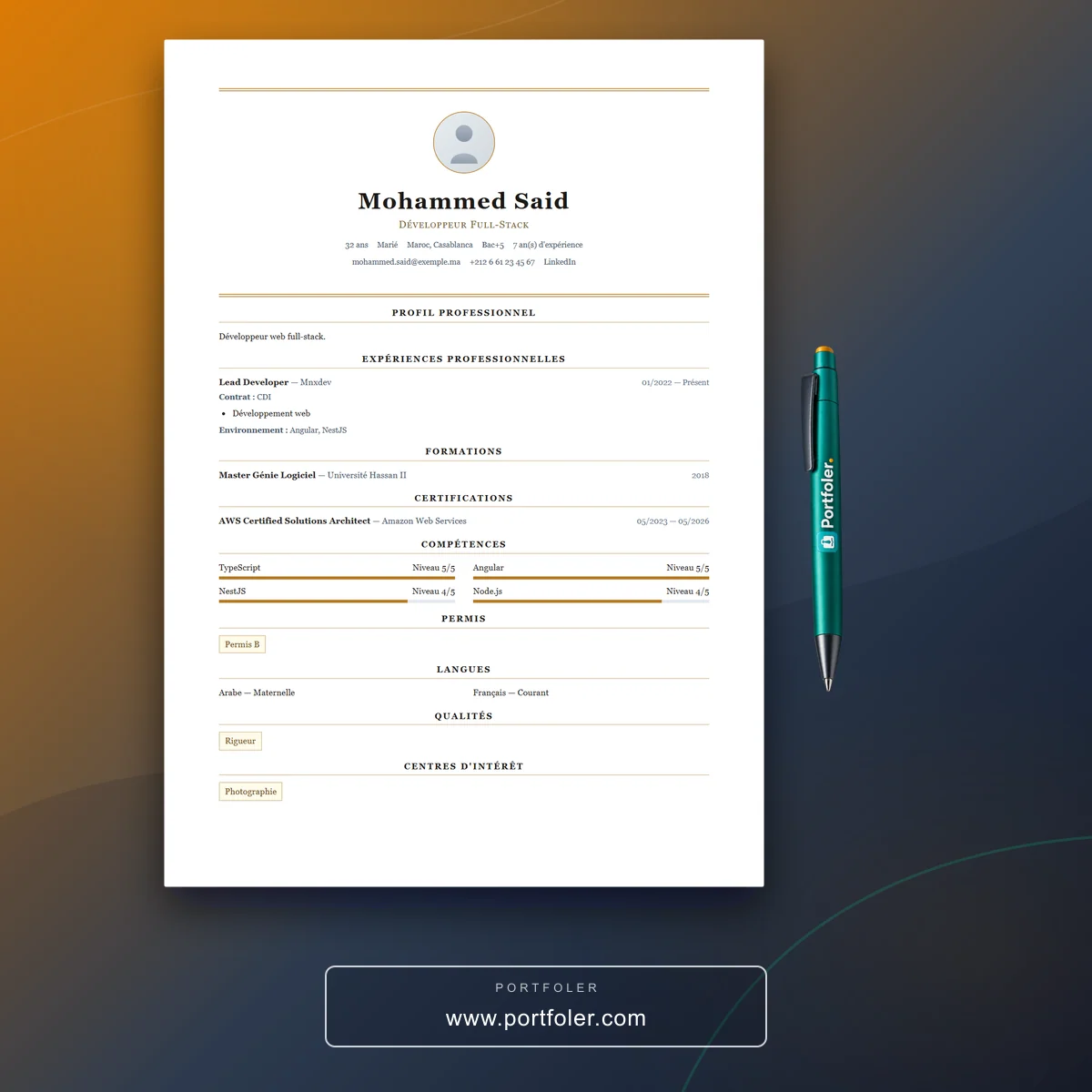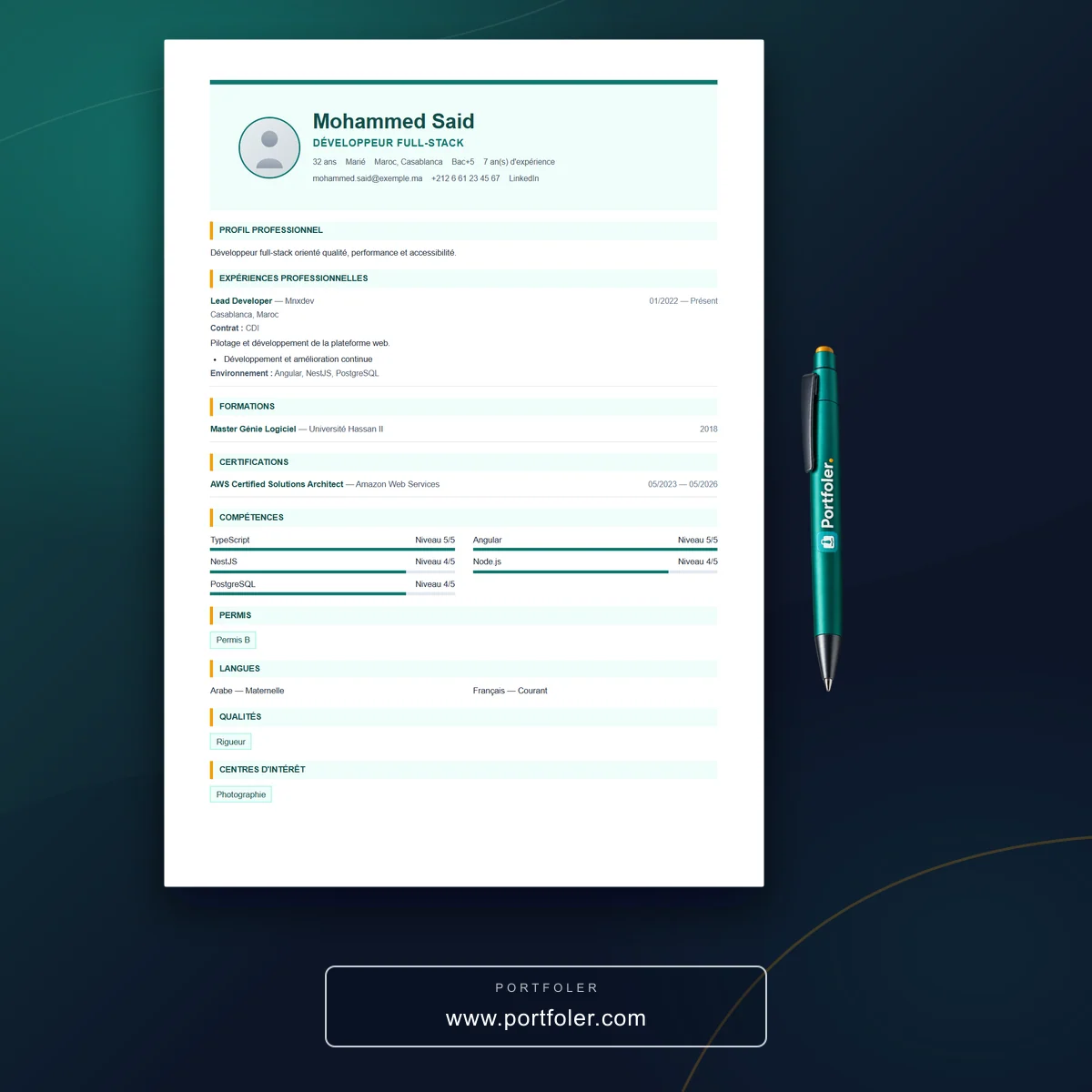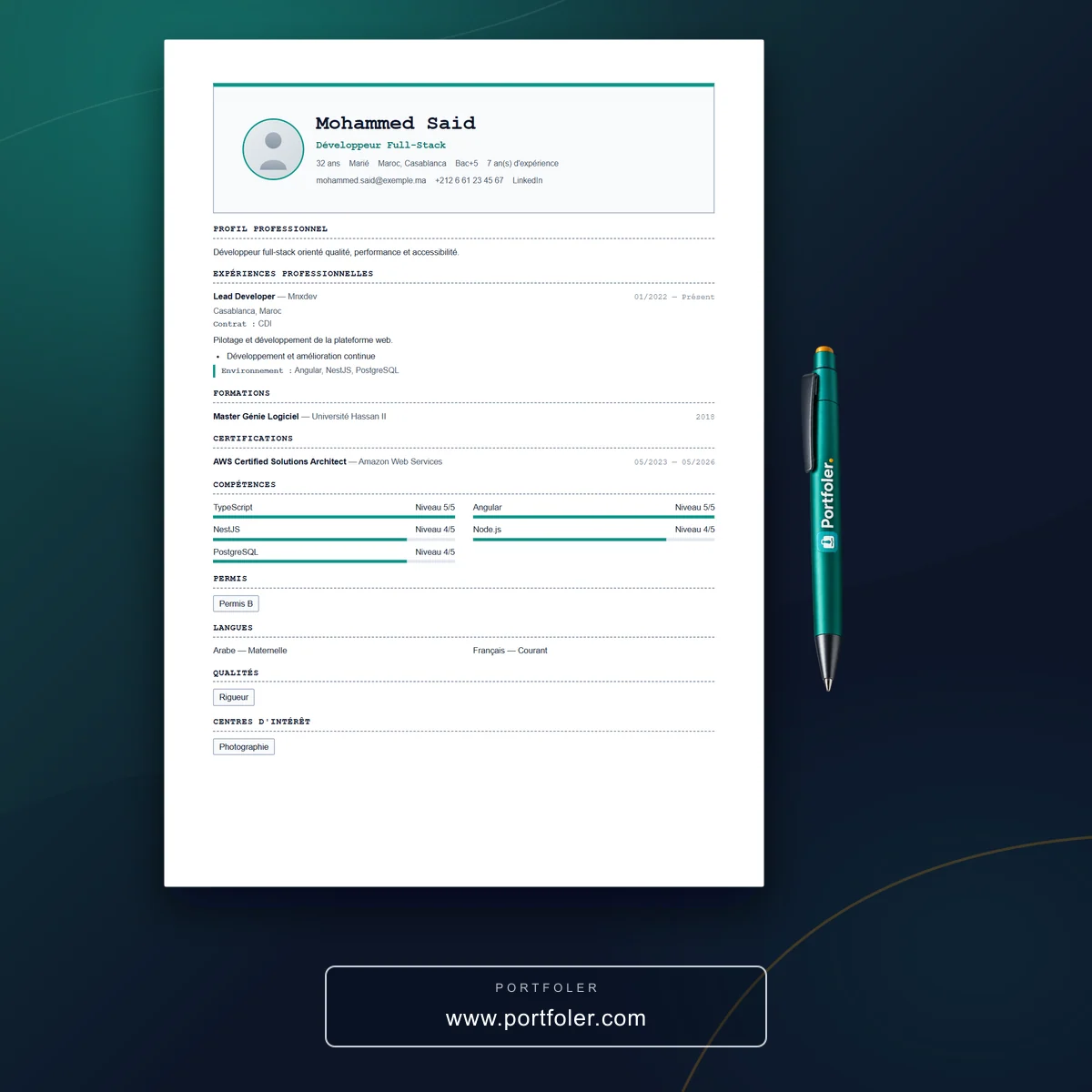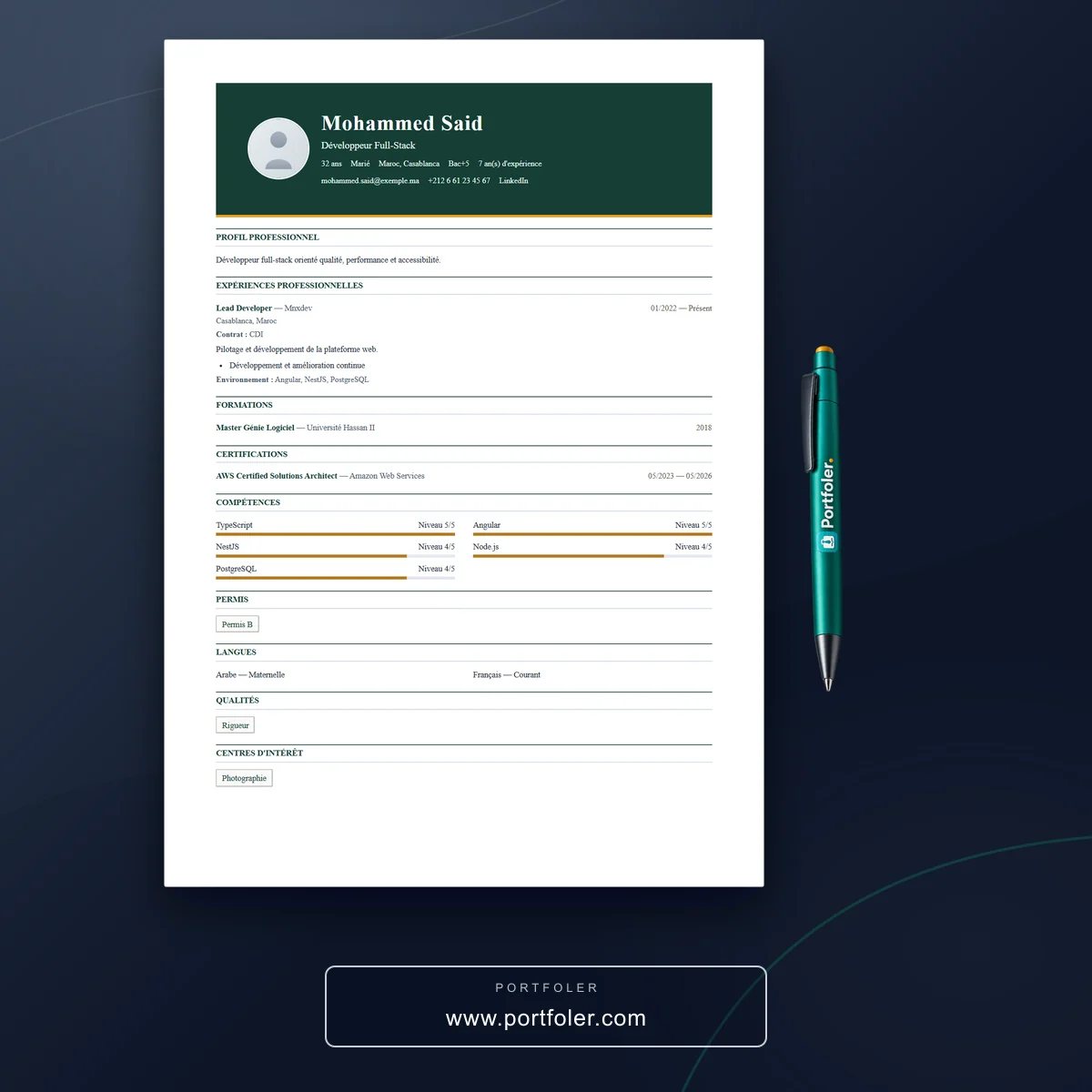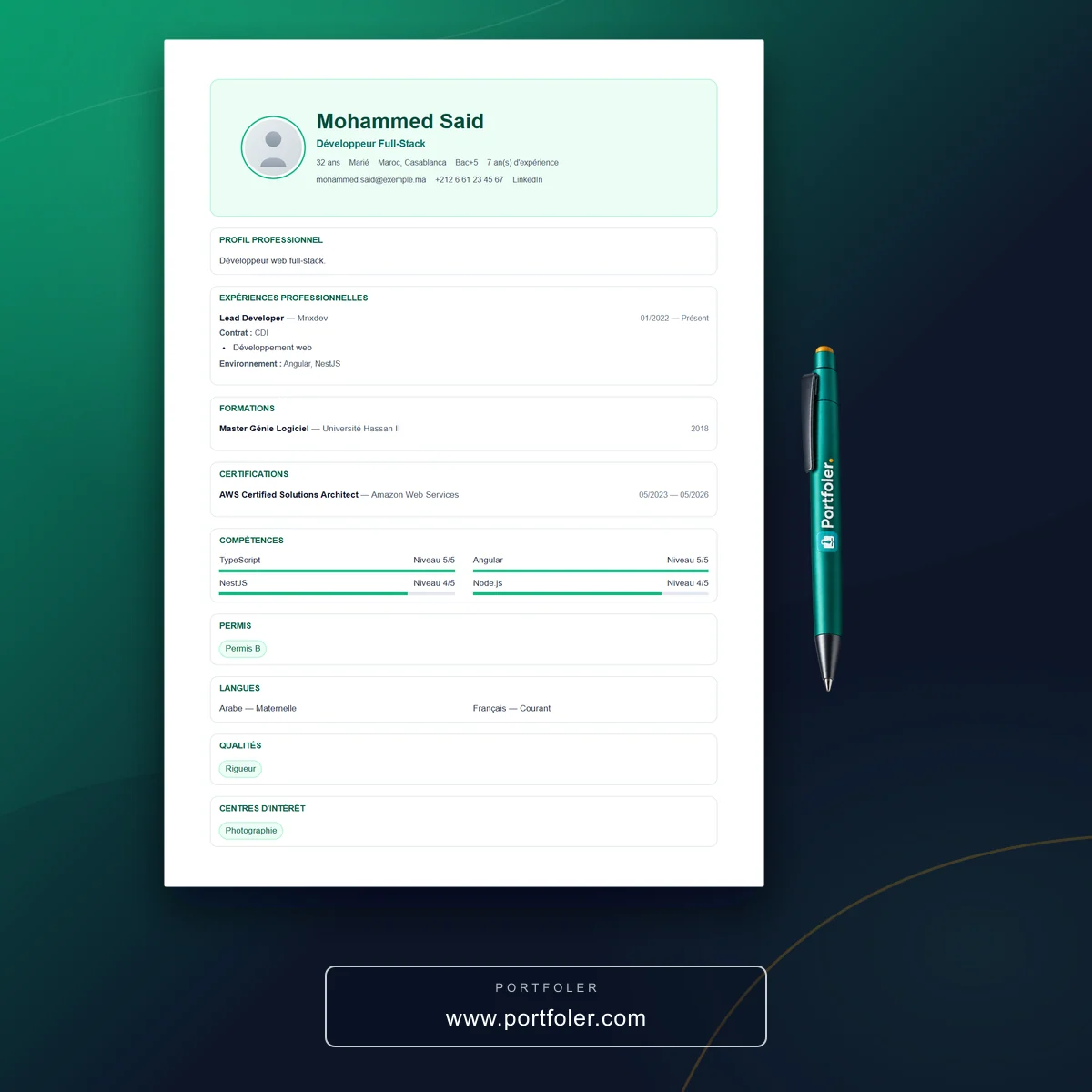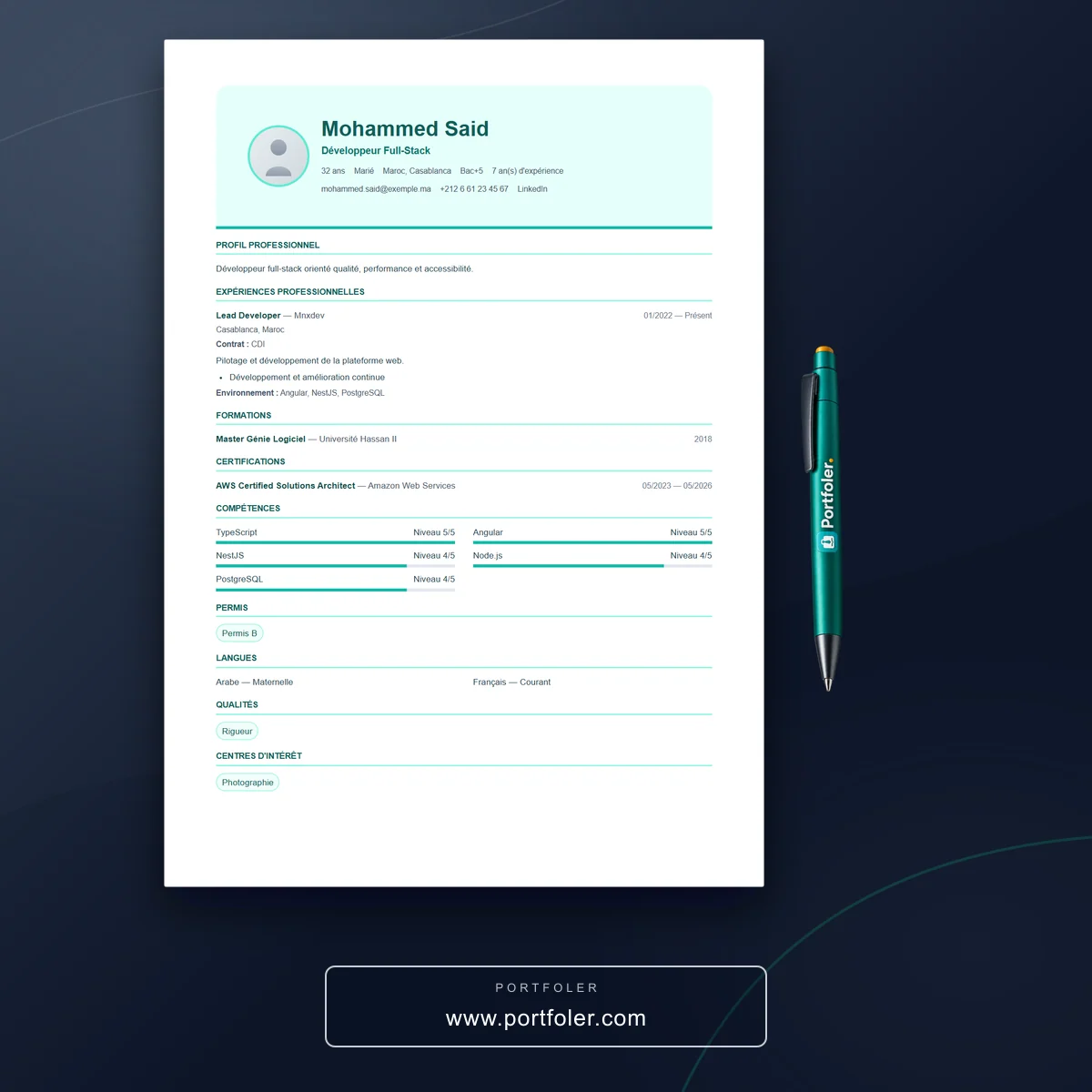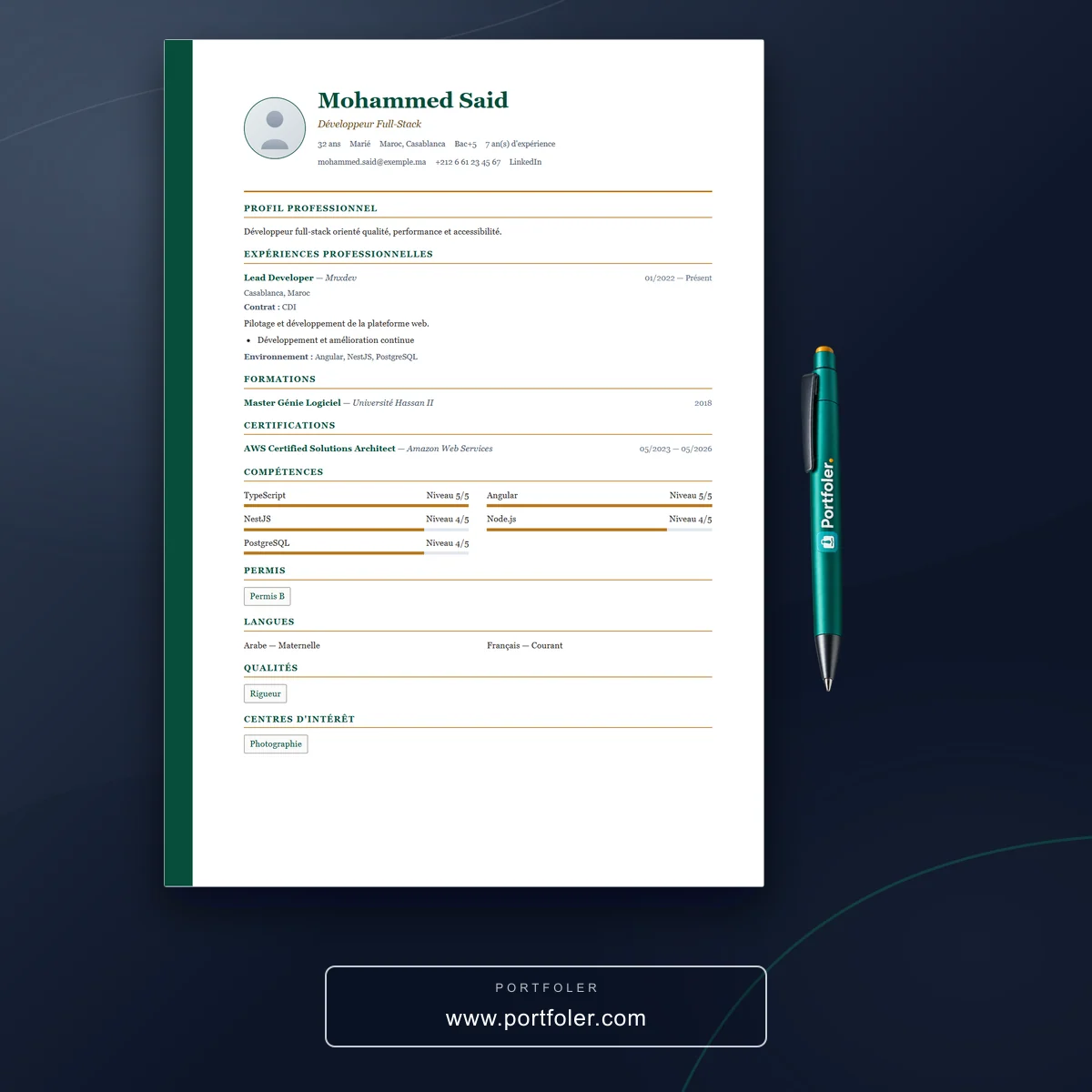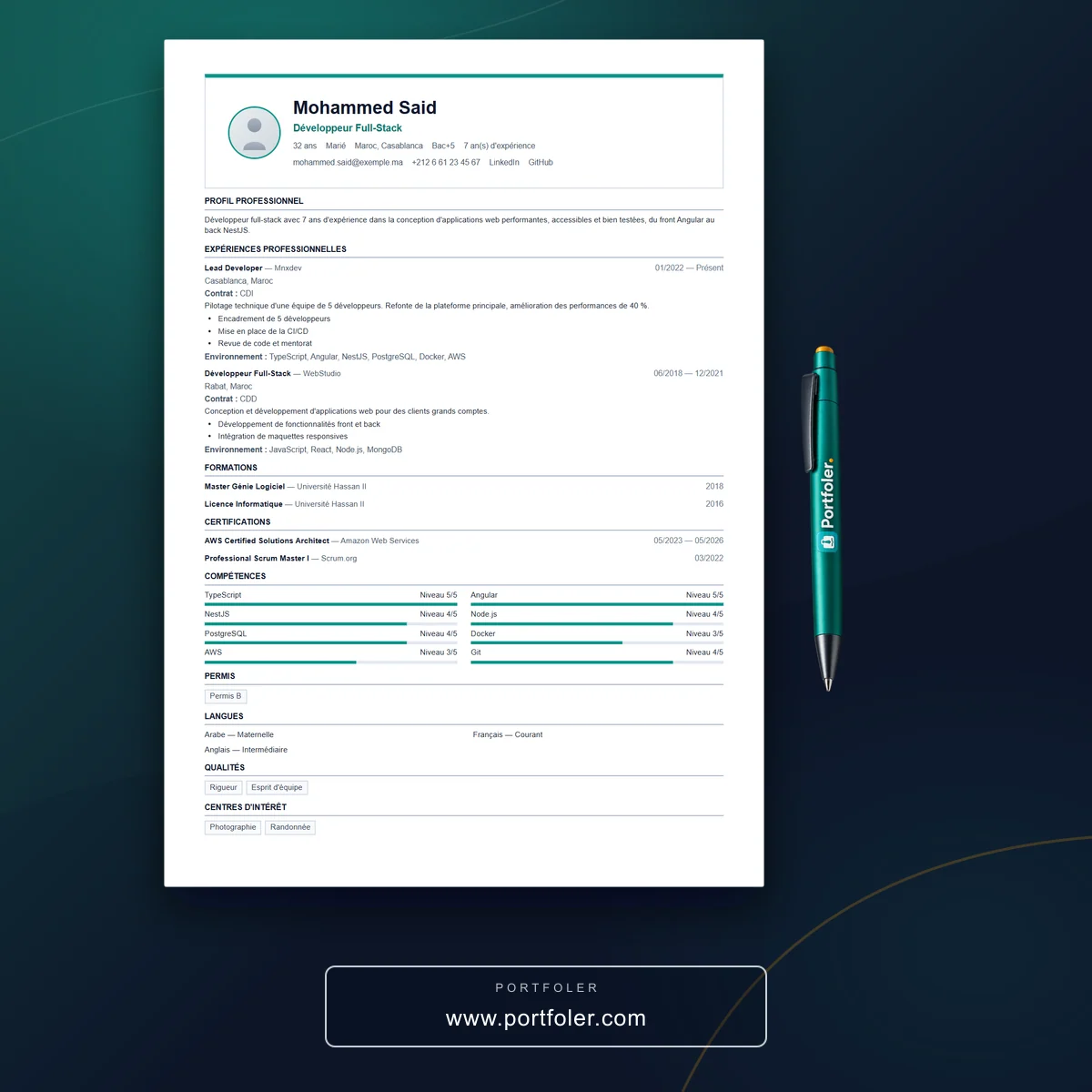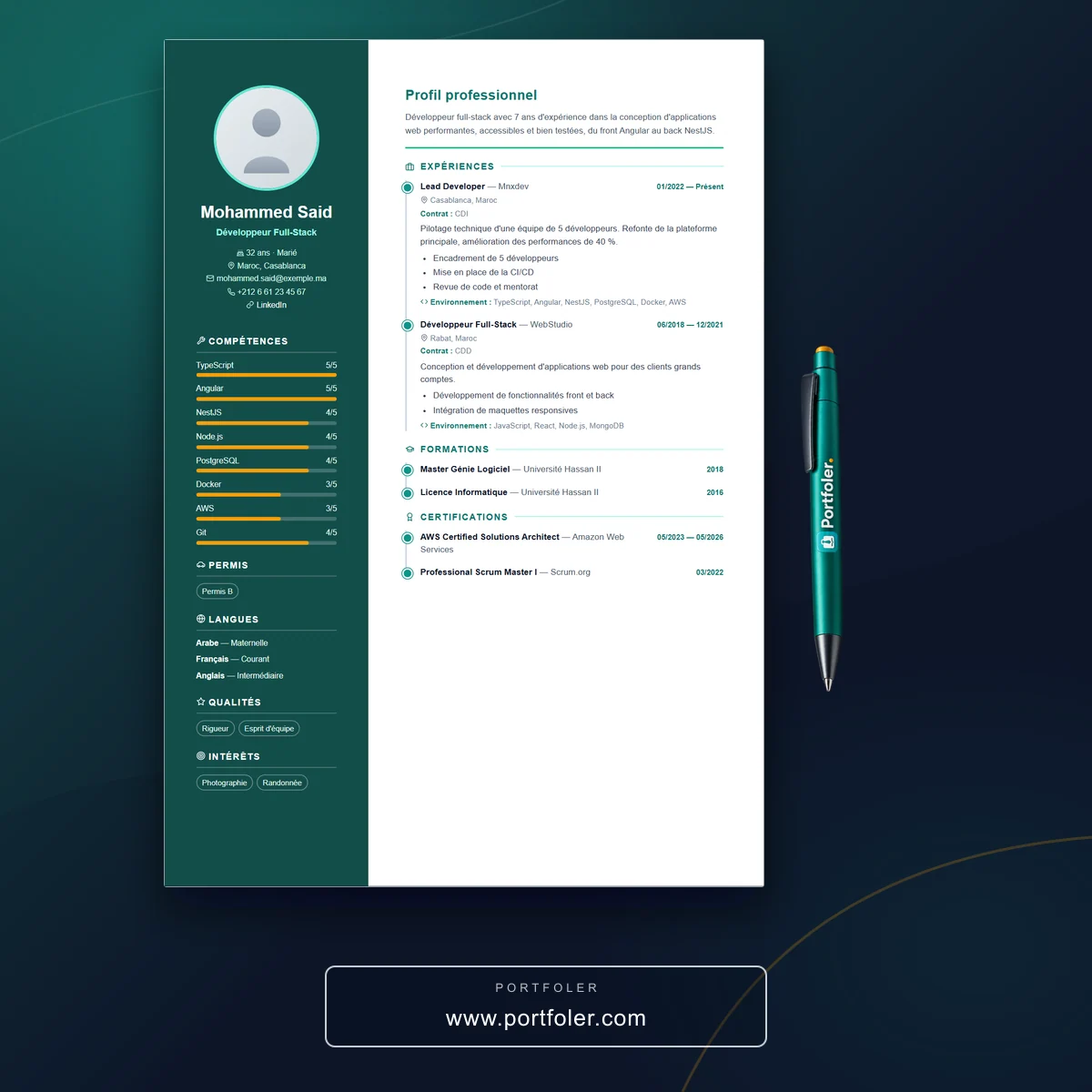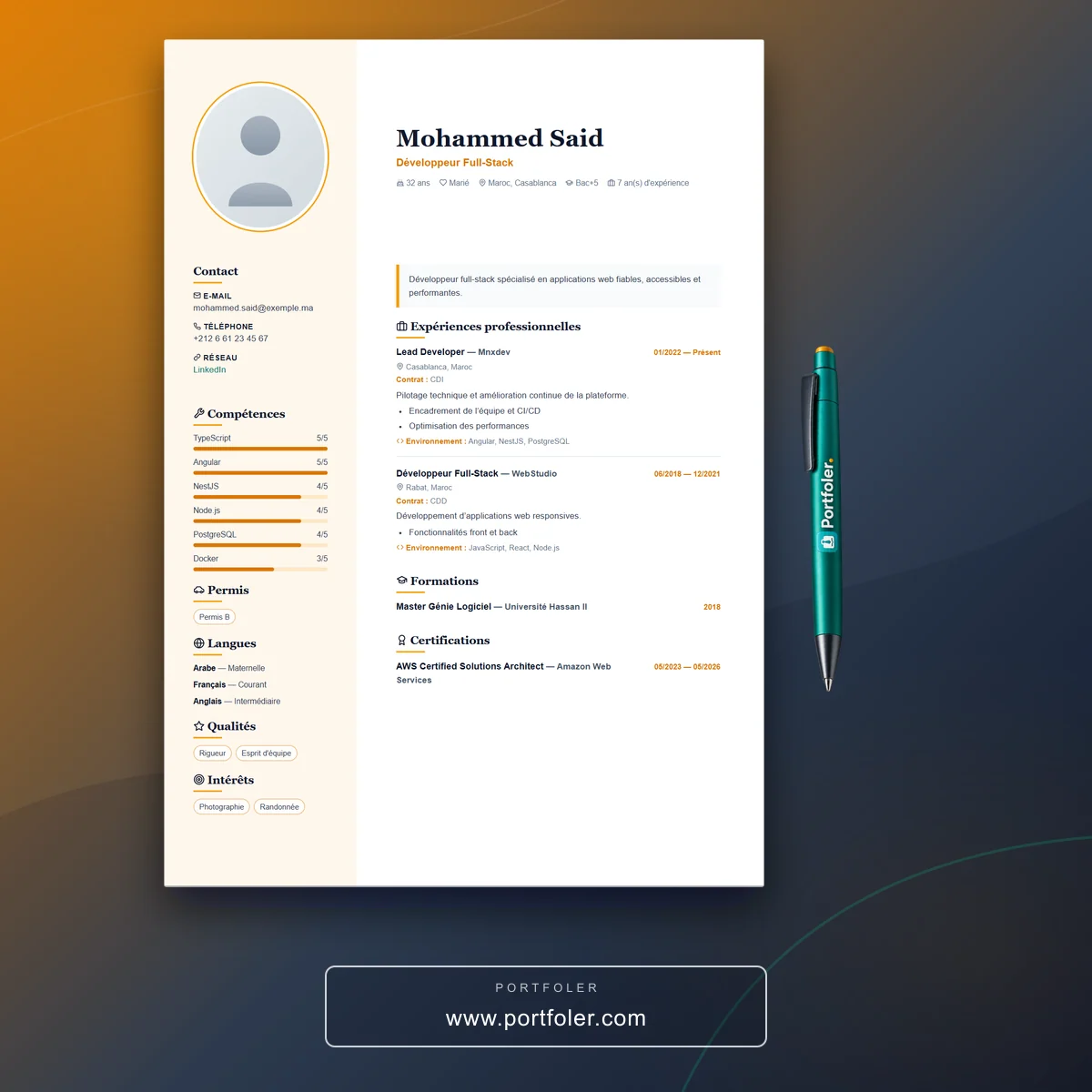
You have your degree, plenty of energy and a long list of applications sent. Yet the replies are few and far between. You are not alone: artificial intelligence is reshaping the first job. The tasks once given to juniors (summaries, first drafts, research, formatting) are now automated in seconds. And on the other side, recruiters are buried under AI-generated CVs and cover letters, all flawless… and all identical.
The good news? Companies still need juniors. But they are no longer looking for the same ones. Here is how to become the profile they cannot ignore.
What has really changed for recent graduates
Understanding the new rules already puts you one step ahead.
- Juniors are no longer hired to execute: they are hired to learn fast, judge the quality of a result and take over where the tool stops.
- A CV is no longer enough to stand out: when anyone can produce a perfect document, form proves nothing. Concrete proof makes the difference.
- Recruiters look for signs of authenticity: a real project, a measurable result, a recommendation, a passed test.
In other words, the question is no longer "what can you do?", but "show me".
Make AI your ally, not your replacement
Rejecting AI would be a mistake. Relying on it entirely would be one too. Recruiters want beginners who use it with judgment.
- Master the tools of your field: writing assistants, data analysis, code generation, visual creation… Learn the ones that matter in your industry.
- Keep a critical mind: check the facts, fix the errors, own the final result. That judgment is exactly what is expected of you.
- Explain how you use it: in an interview, saying you halved the time of a task with a tool while controlling the quality is a powerful argument.
AI will not replace you. A candidate who uses it better than you will.
Bet on the skills AI cannot replace
The further automation goes, the more valuable human skills become. They are what makes a manager say "I want to work with this person".
- Communication: explaining clearly, listening, rephrasing, persuading.
- Problem solving: asking the right questions before looking for the right answers.
- Curiosity and fast learning: showing that you train yourself, continuously.
- Reliability: meeting deadlines, flagging difficulties early, delivering careful work.
- Teamwork: collaborating, sharing, accepting feedback.
Do not just list them on your CV: illustrate each one with a real situation (group project, student association, student job, internship).
Prove rather than promise: the beginner's portfolio
"I have no experience" is the sentence every graduate dreads. The answer? Create your own proof.
- Study projects: pick the best two or three and present them as real case studies: context, problem, your role, result.
- Personal projects: a website, a market study, an app, a campaign for a non-profit… Anything that shows initiative counts.
- Short assignments: a small freelance gig or skills-based volunteering gives you a first real reference.
- Figures: time saved, number of users, budget managed, grade obtained. A number beats an adjective.
A recruiter spends a few seconds on a CV. They can spend several minutes on a well-told project.
Make your level verifiable
Faced with mass-generated applications, what reassures a recruiter is what can be verified.
- Take skills tests in your field and display your results: it is objective proof, independent of how well you write.
- Ask for recommendations from internship supervisors, teachers or association leaders while your work is still fresh in their minds.
- Earn targeted certifications, directly related to the role you want, rather than piling up unrelated badges.
Apply less, but better
Sending a hundred identical applications means blending into the crowd. Ten targeted applications often get more replies.
- Tailor your CV to each job offer: reuse the keywords of the ad to pass ATS filters, and highlight the skills requested.
- Personalise your message: mention a company project, explain why it genuinely interests you. One sincere sentence beats a generic page.
- Reach out directly to a team lead or an alumnus of your school: a human conversation gets through where a form fails.
- Follow up politely a week later. Many candidates never do.
Polish your online presence
Before meeting you, a recruiter searches for you. What they find must confirm your application.
- A complete professional profile: a neat photo, a clear headline, a summary that says what you are looking for and what you bring.
- Total consistency between your CV, your profile and your portfolio.
- A voice: posting from time to time about what you are learning, a finished project or a thought about your field makes you visible and memorable.
In short
Landing your first job in the age of AI is no longer about a perfect CV, but about proof: concrete projects, a verifiable level, credible recommendations and a smart use of tools. Graduates who have understood this do not suffer the market shift: they take advantage of it.
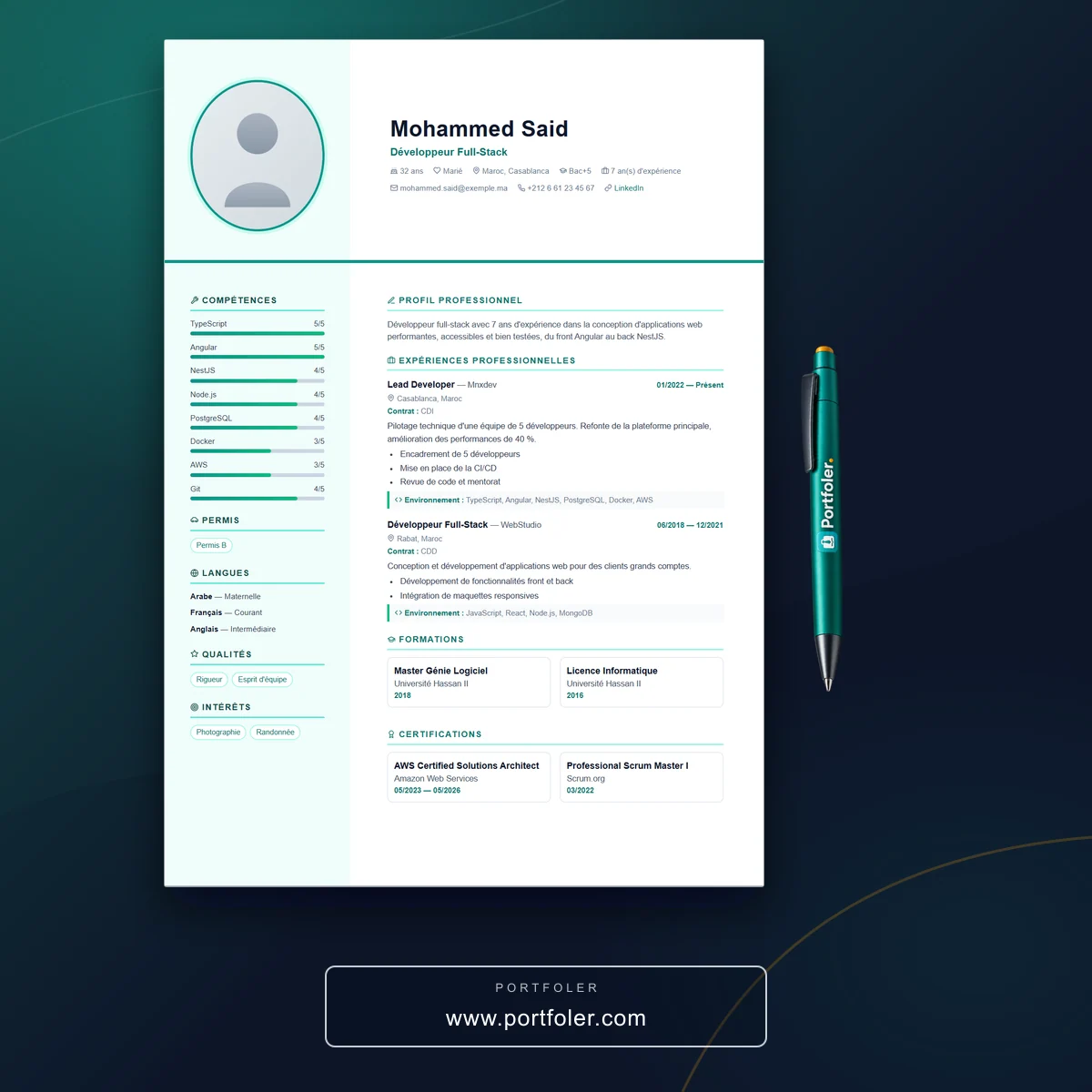
On Portfoler.com, create your professional profile for free, showcase your projects in a portfolio that tells your value, take skills tests to prove your level and gather recommendations from your supervisors. Your first job starts with a profile recruiters want to open.