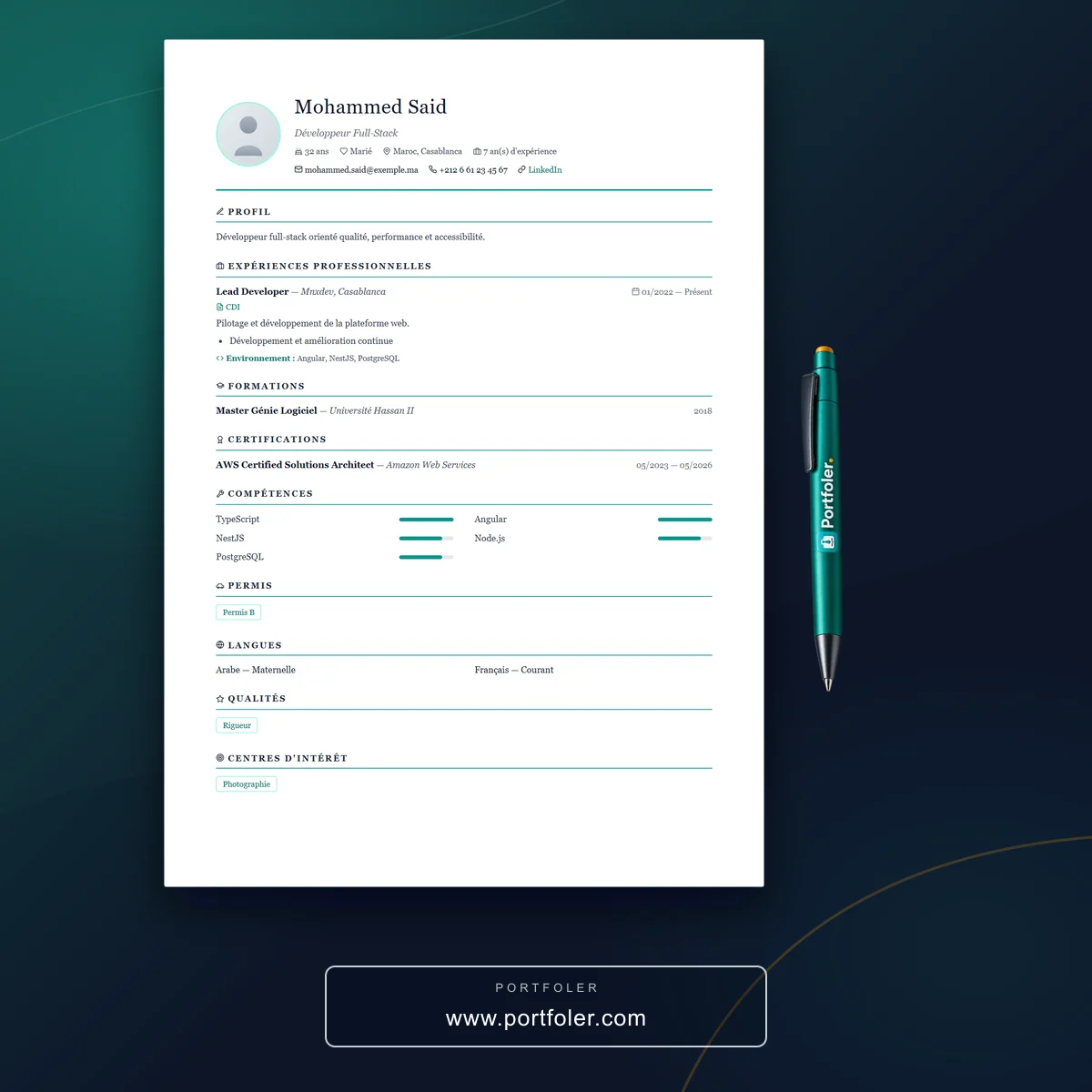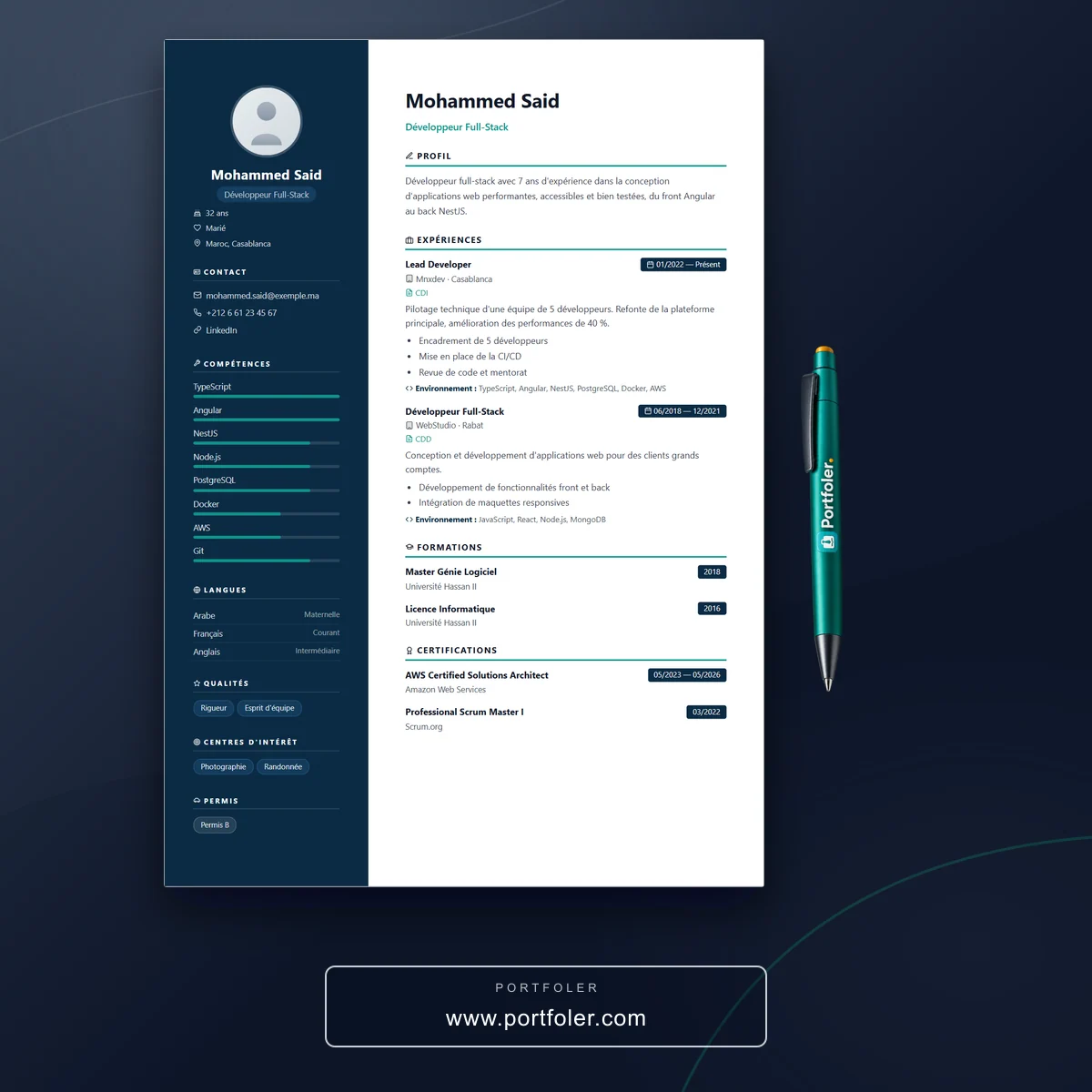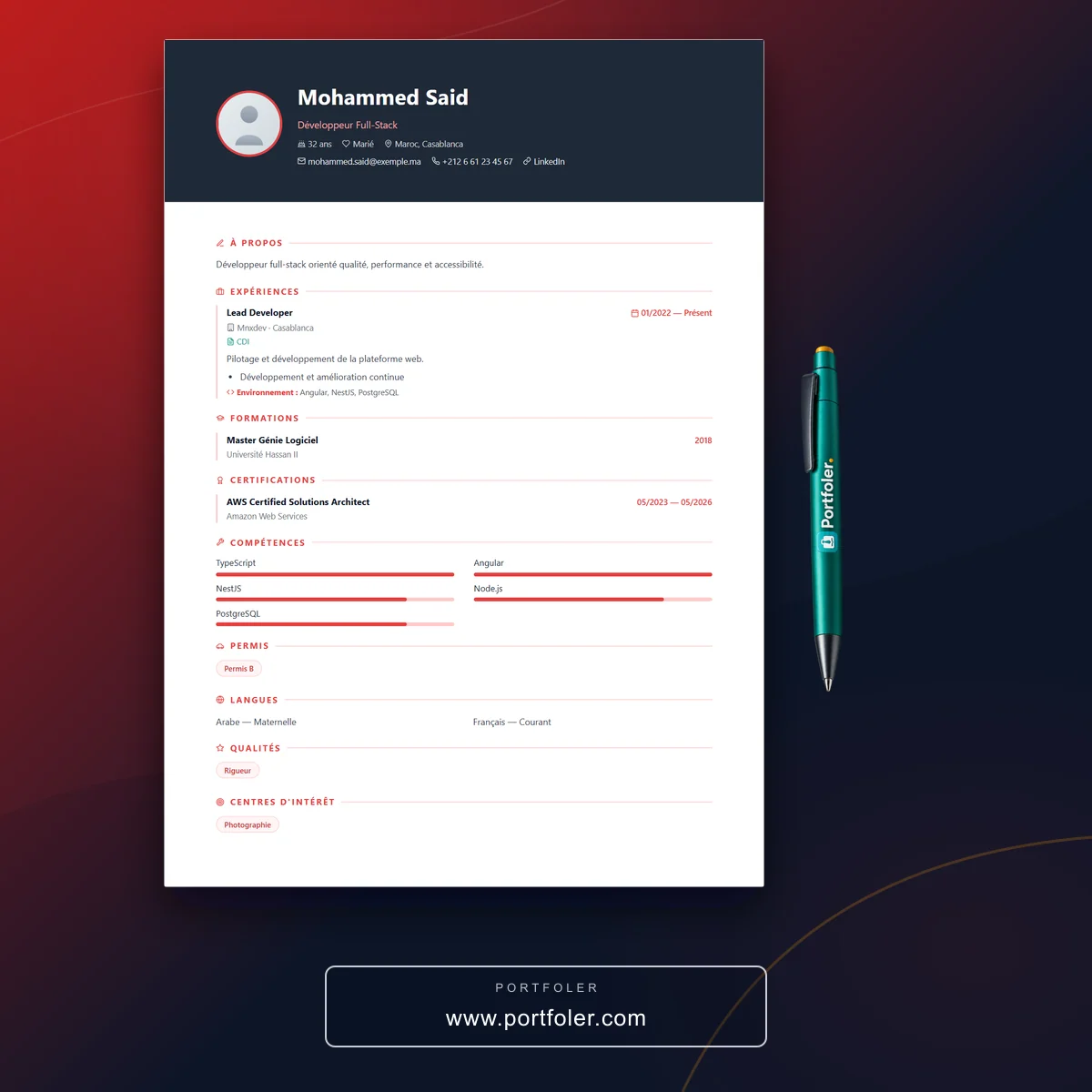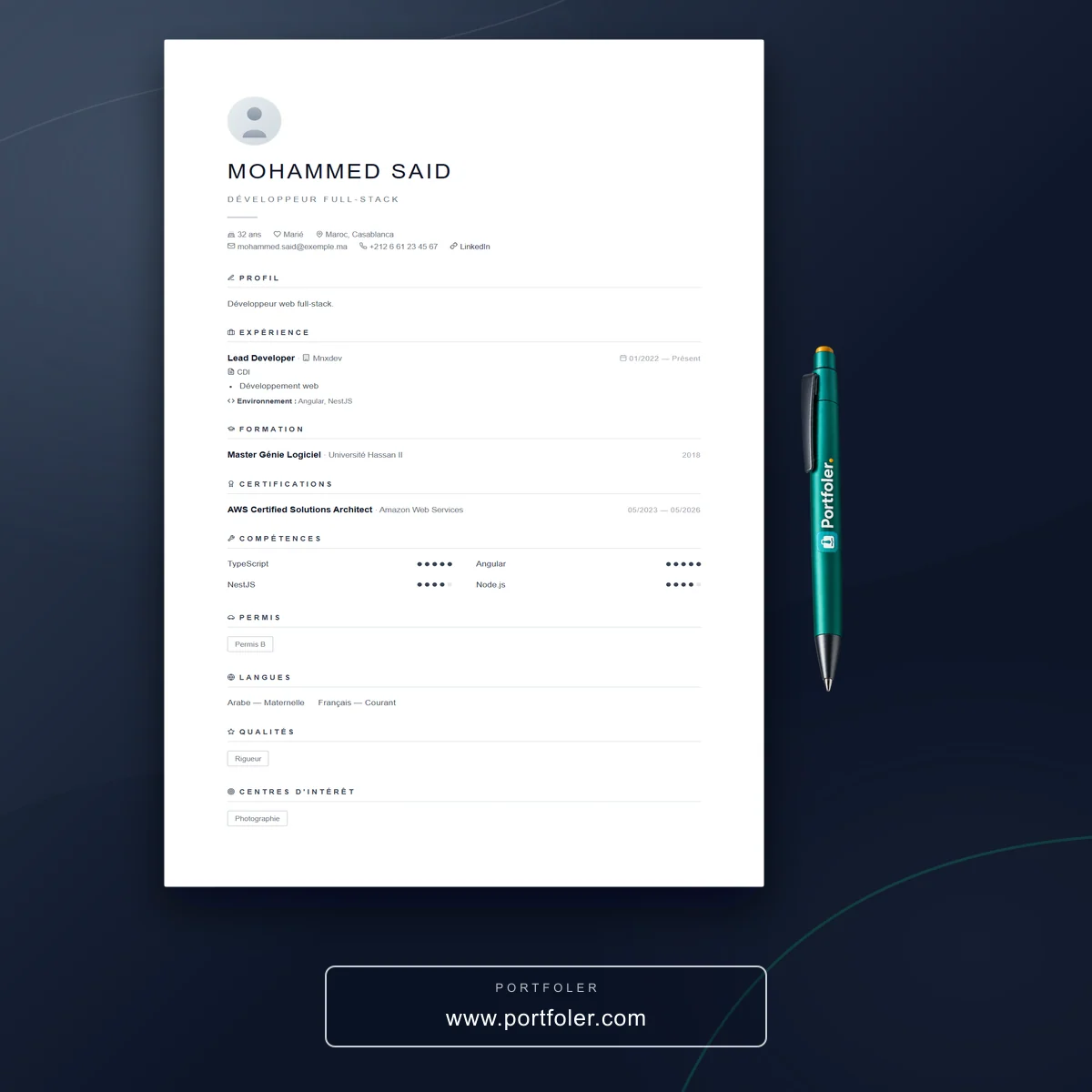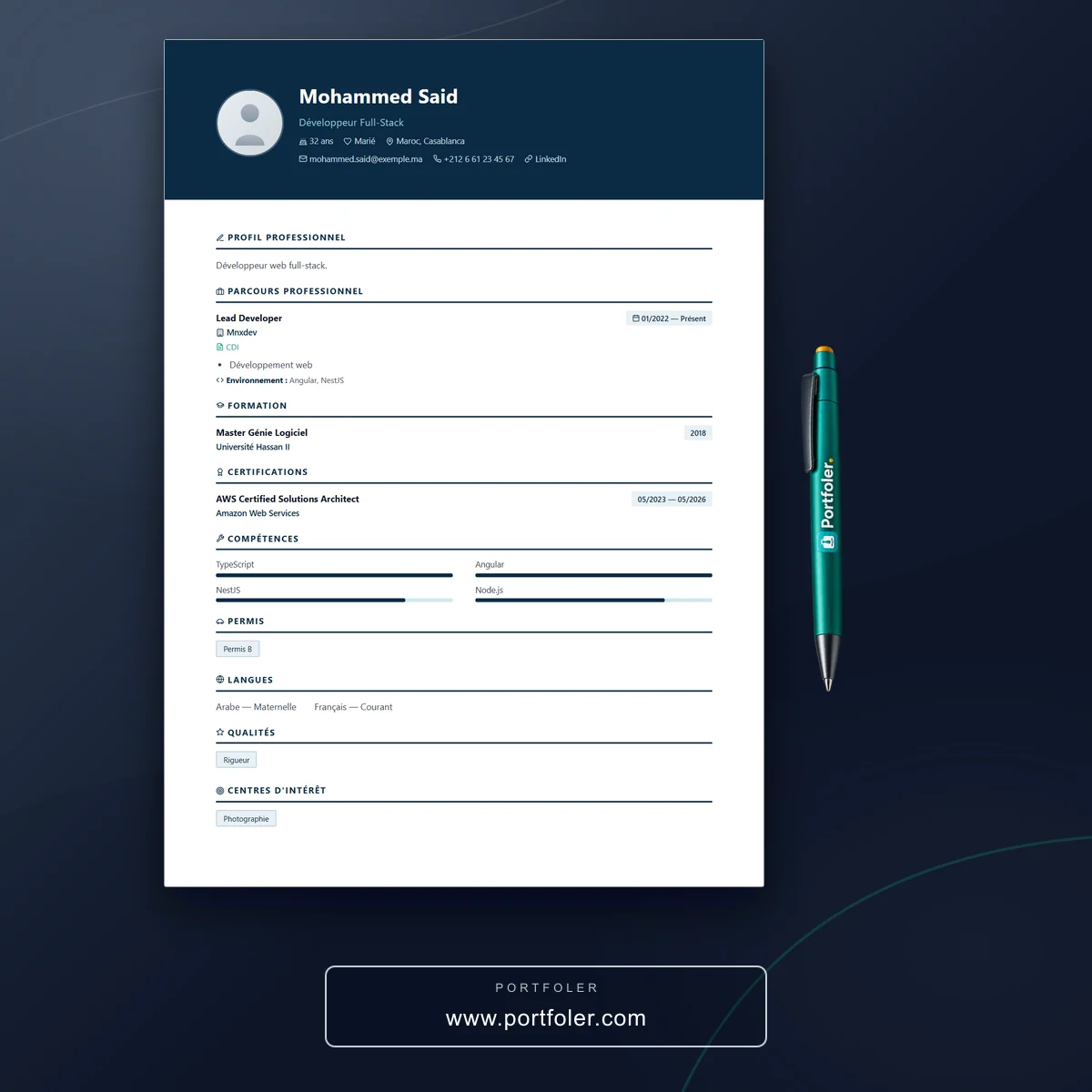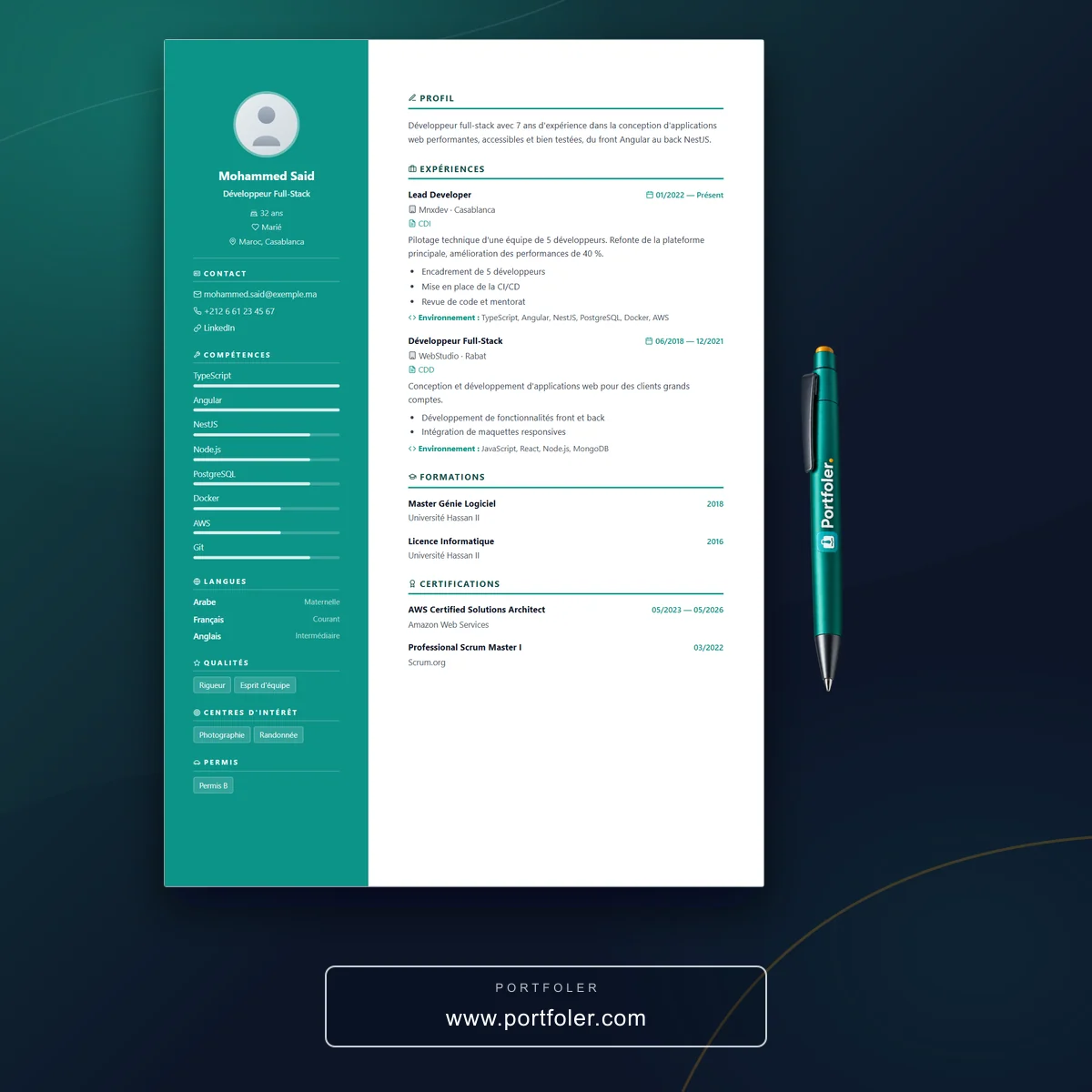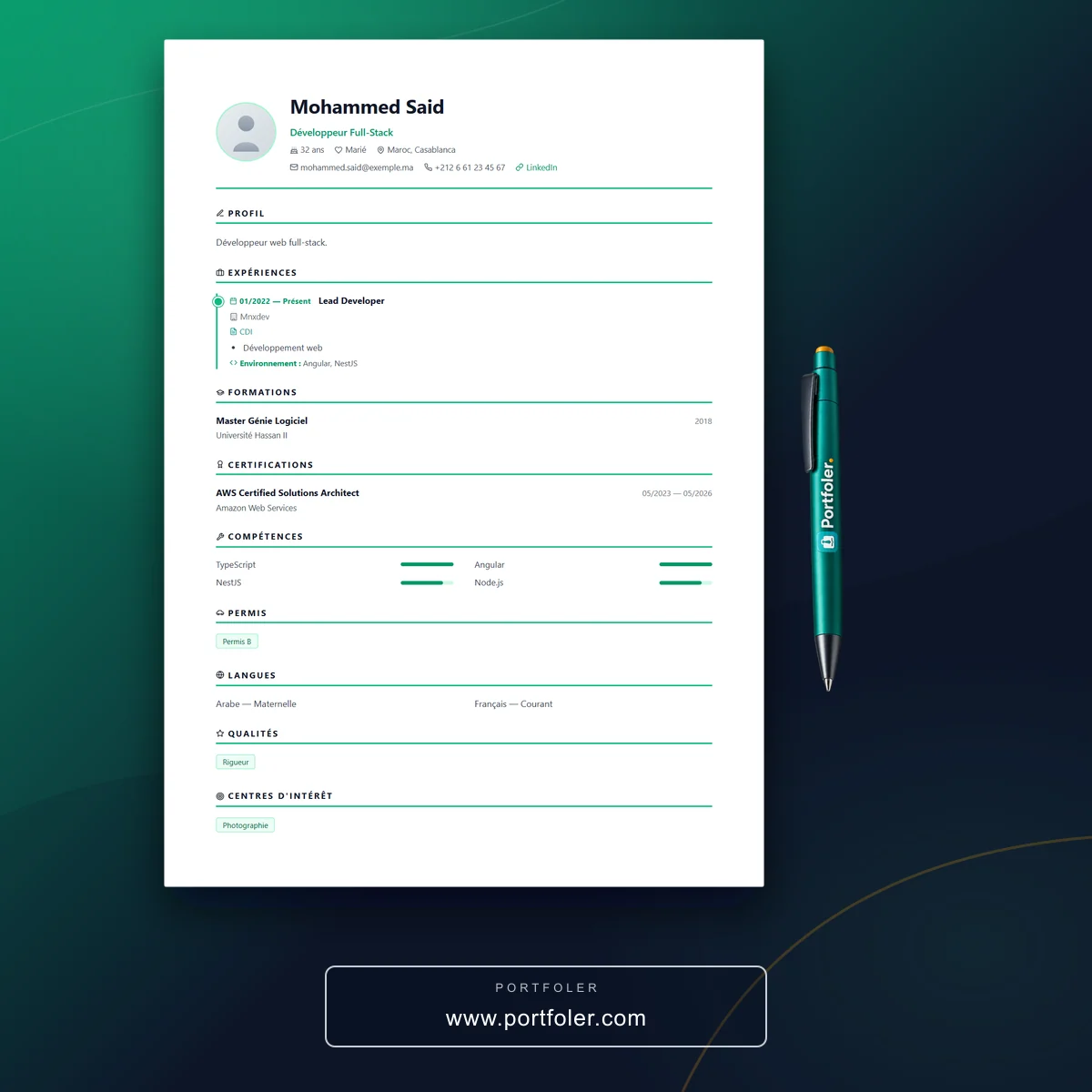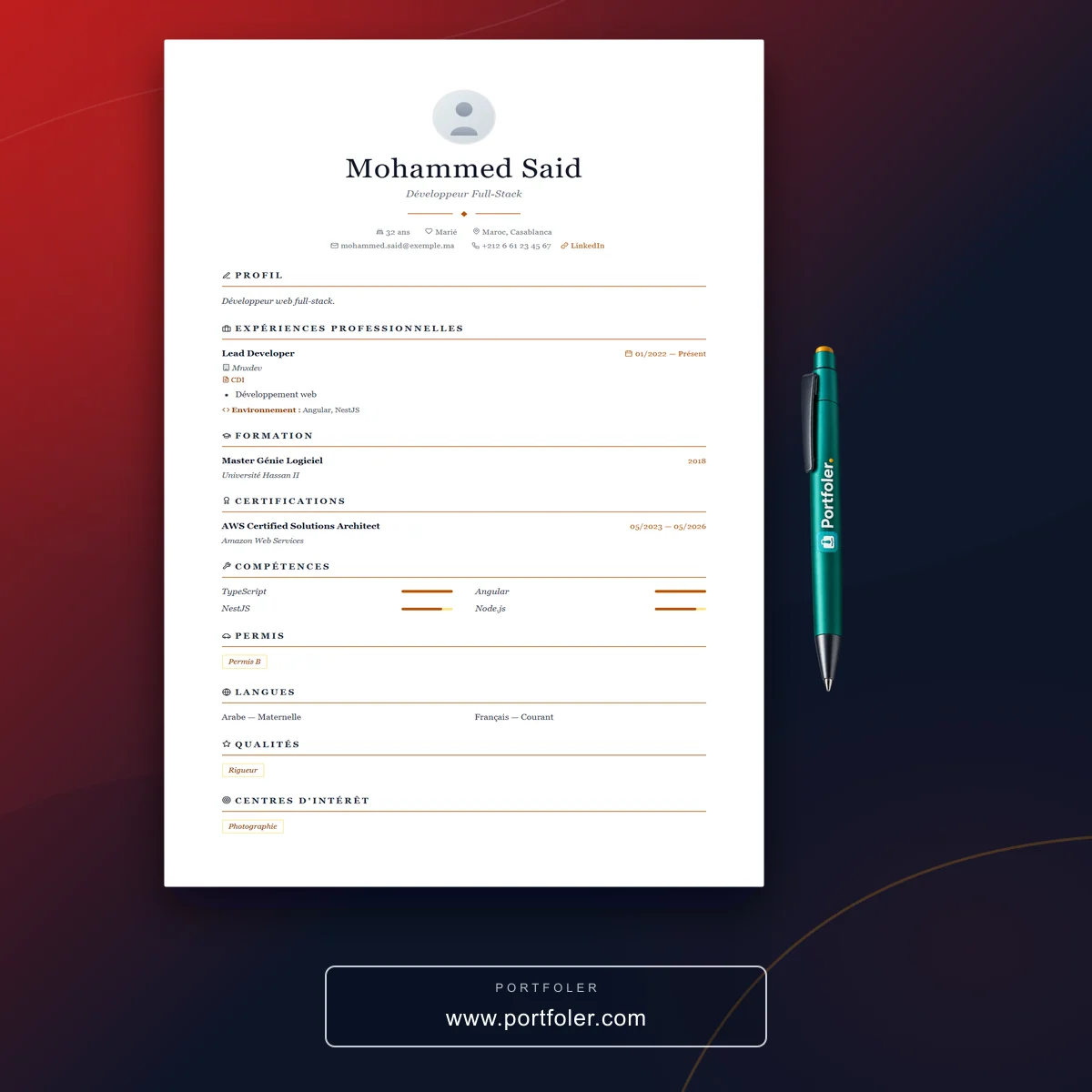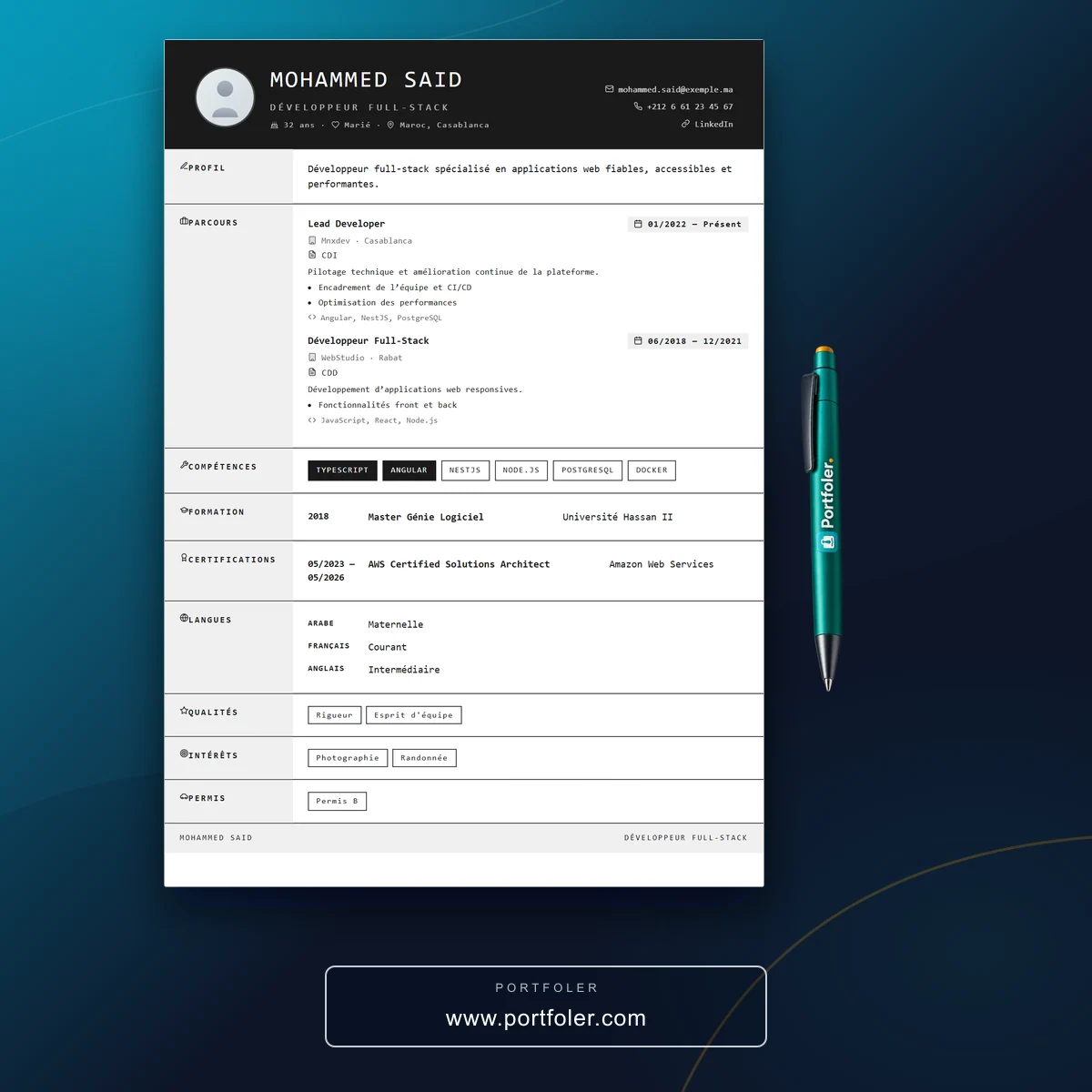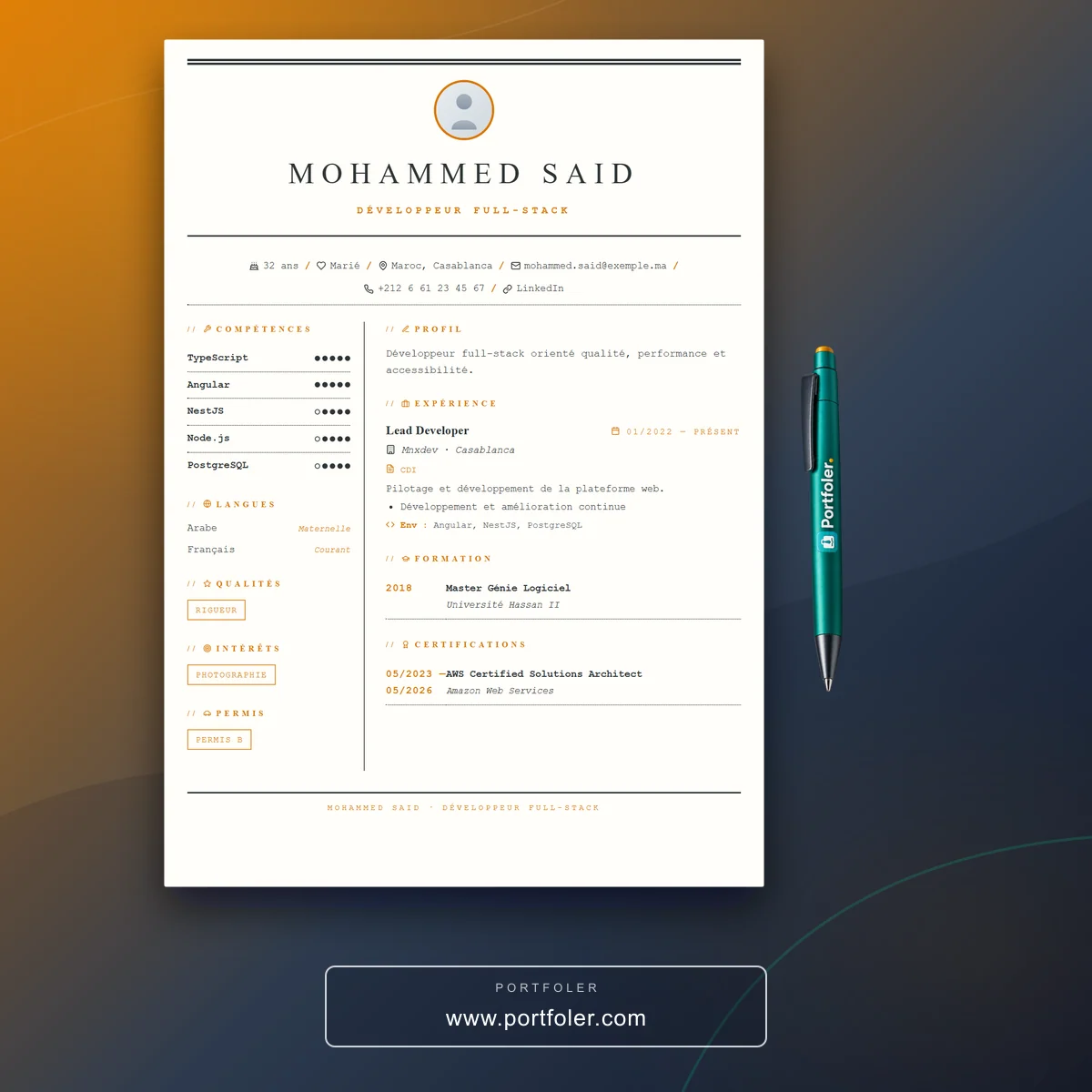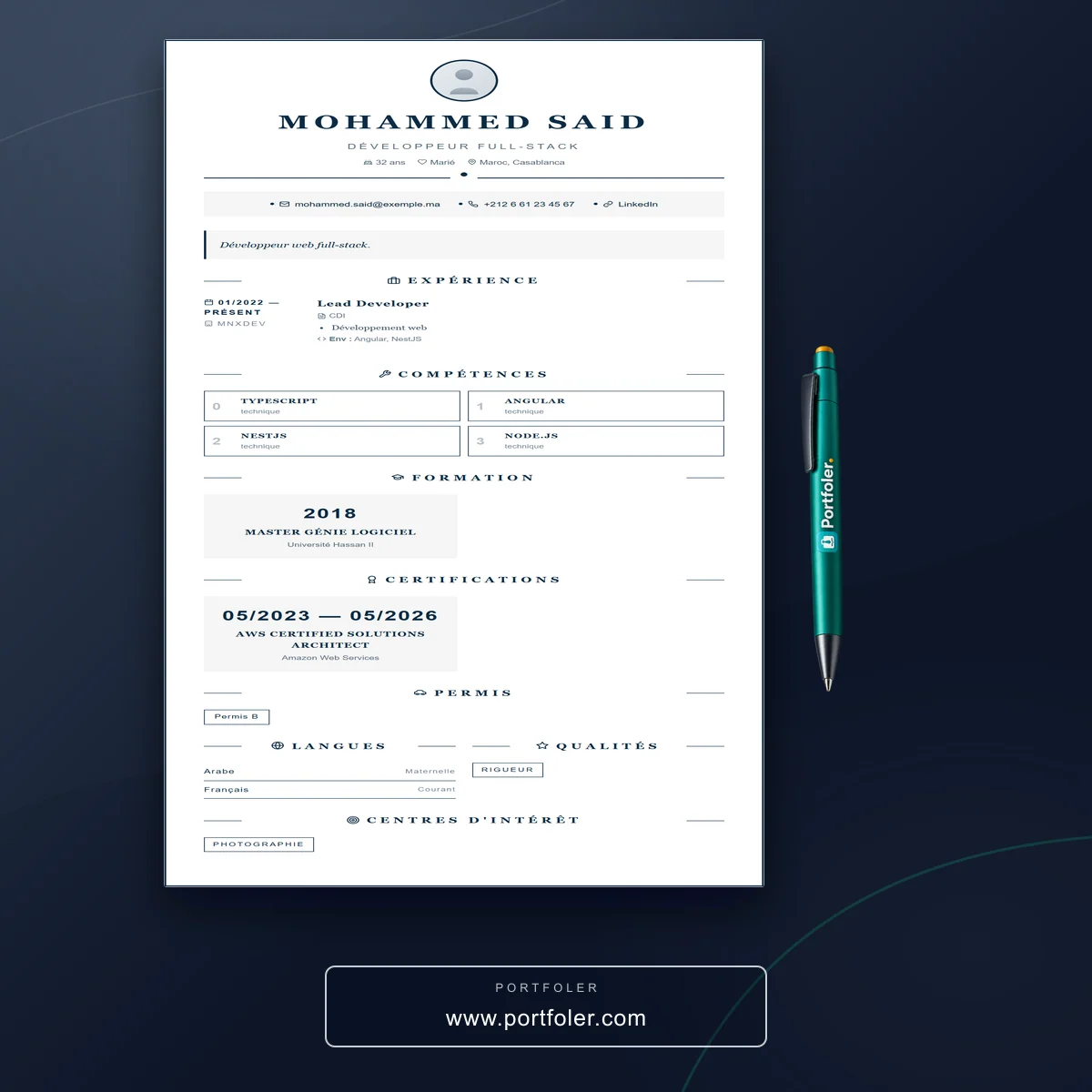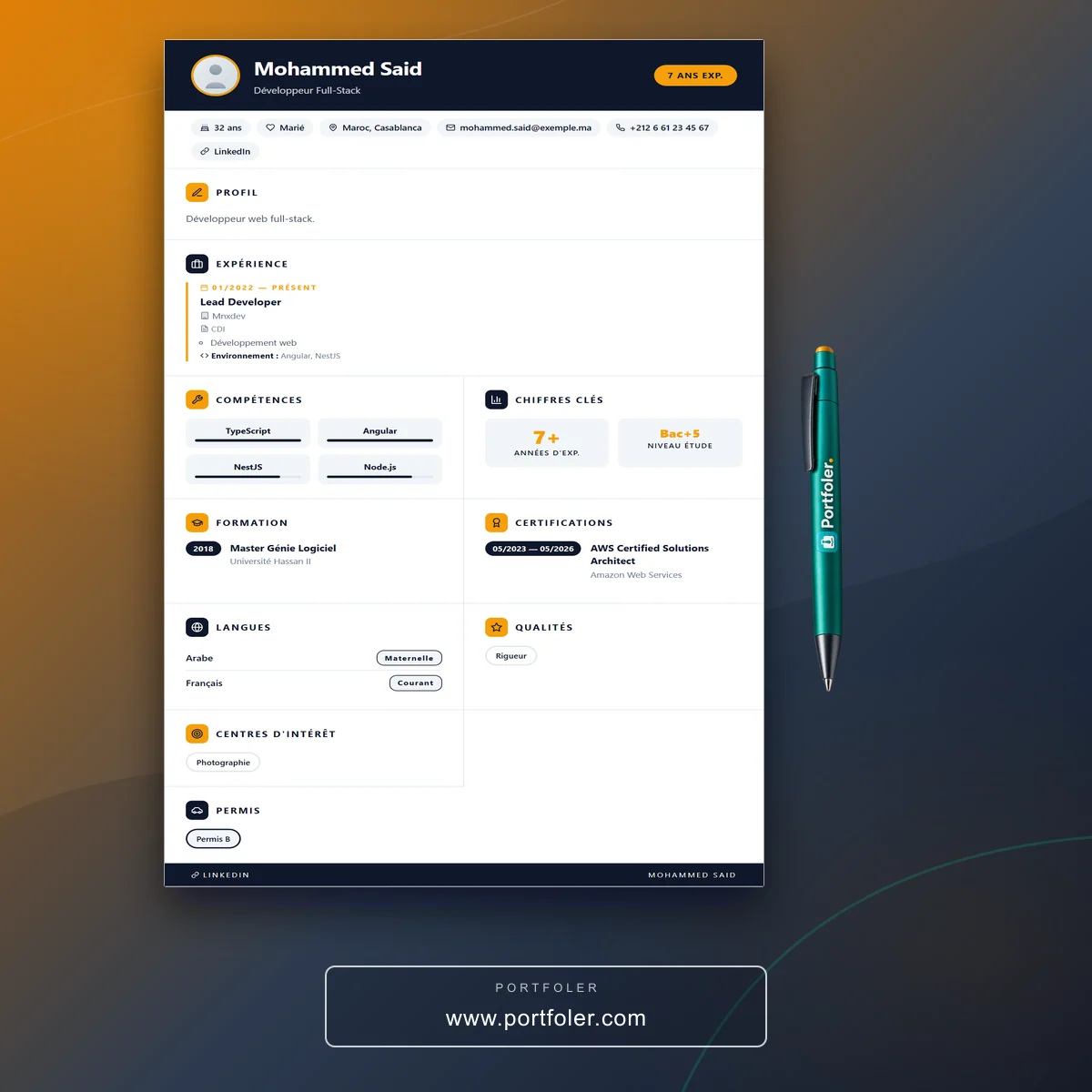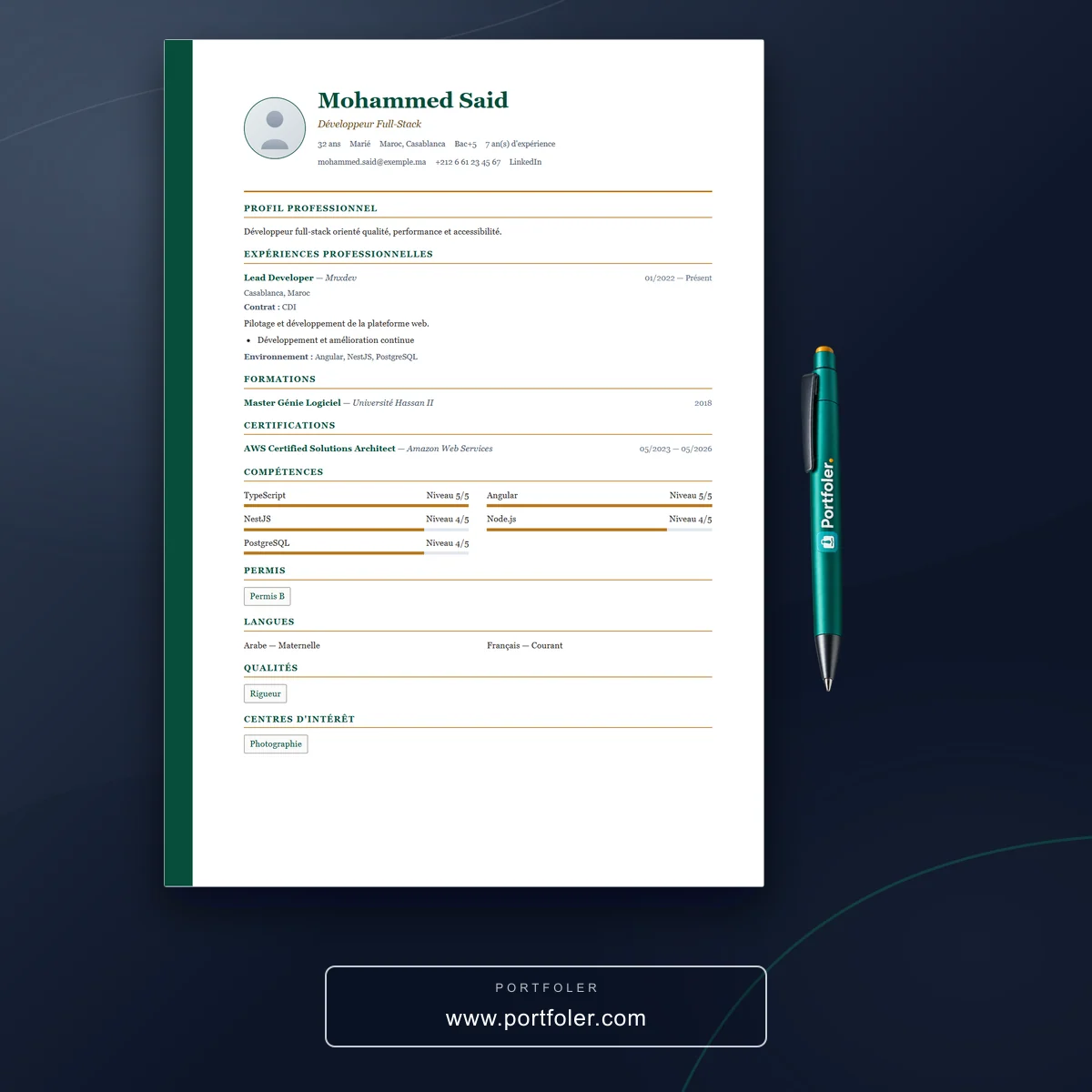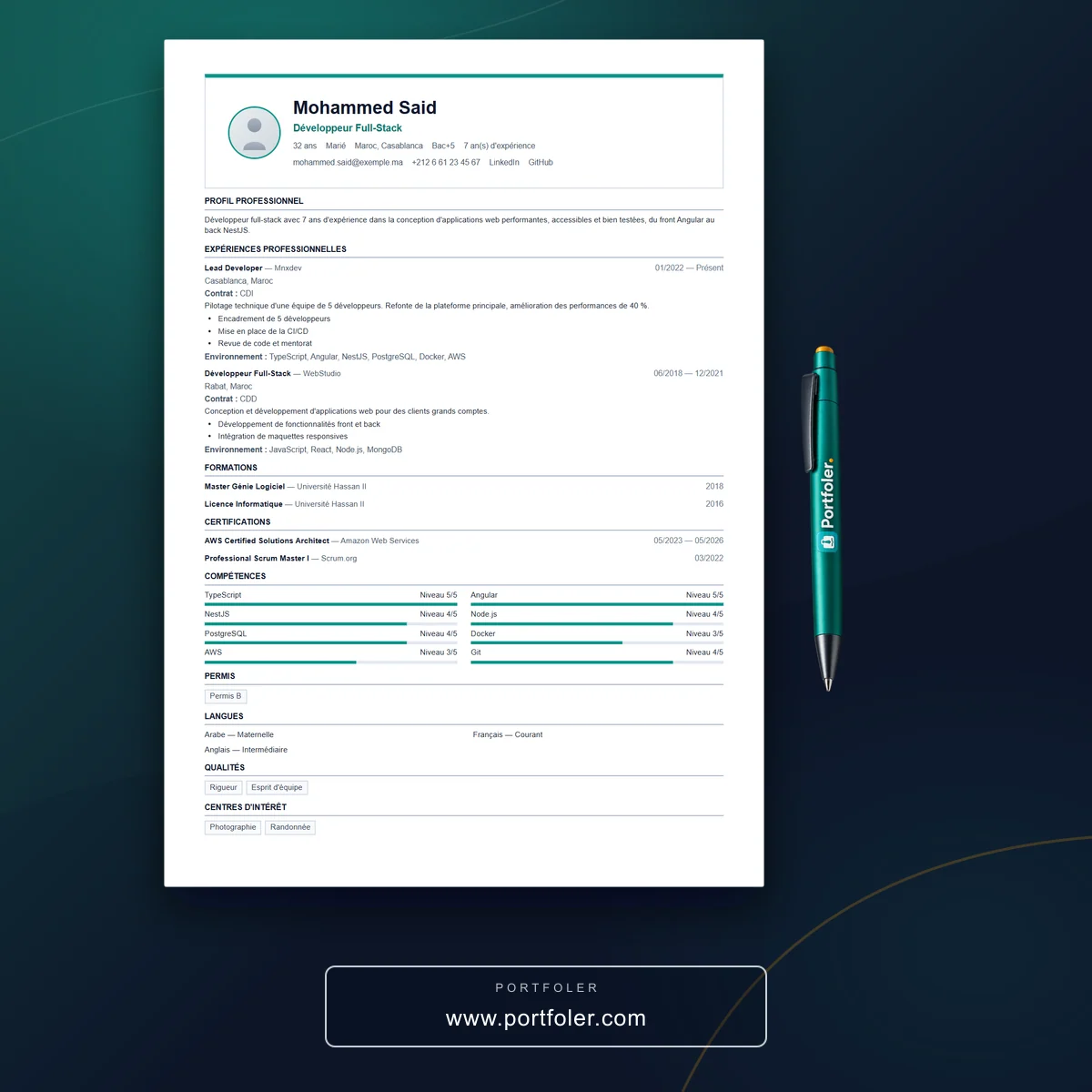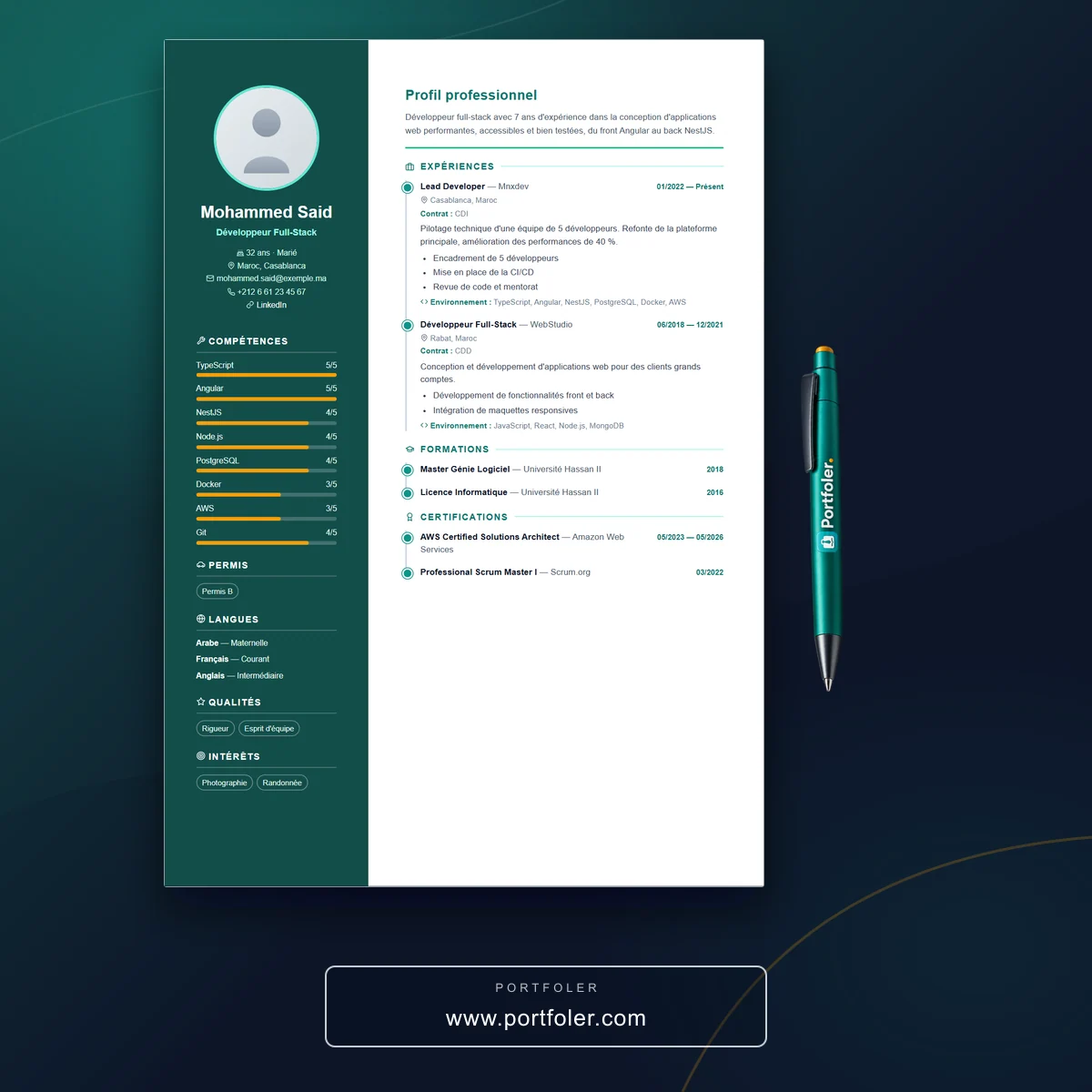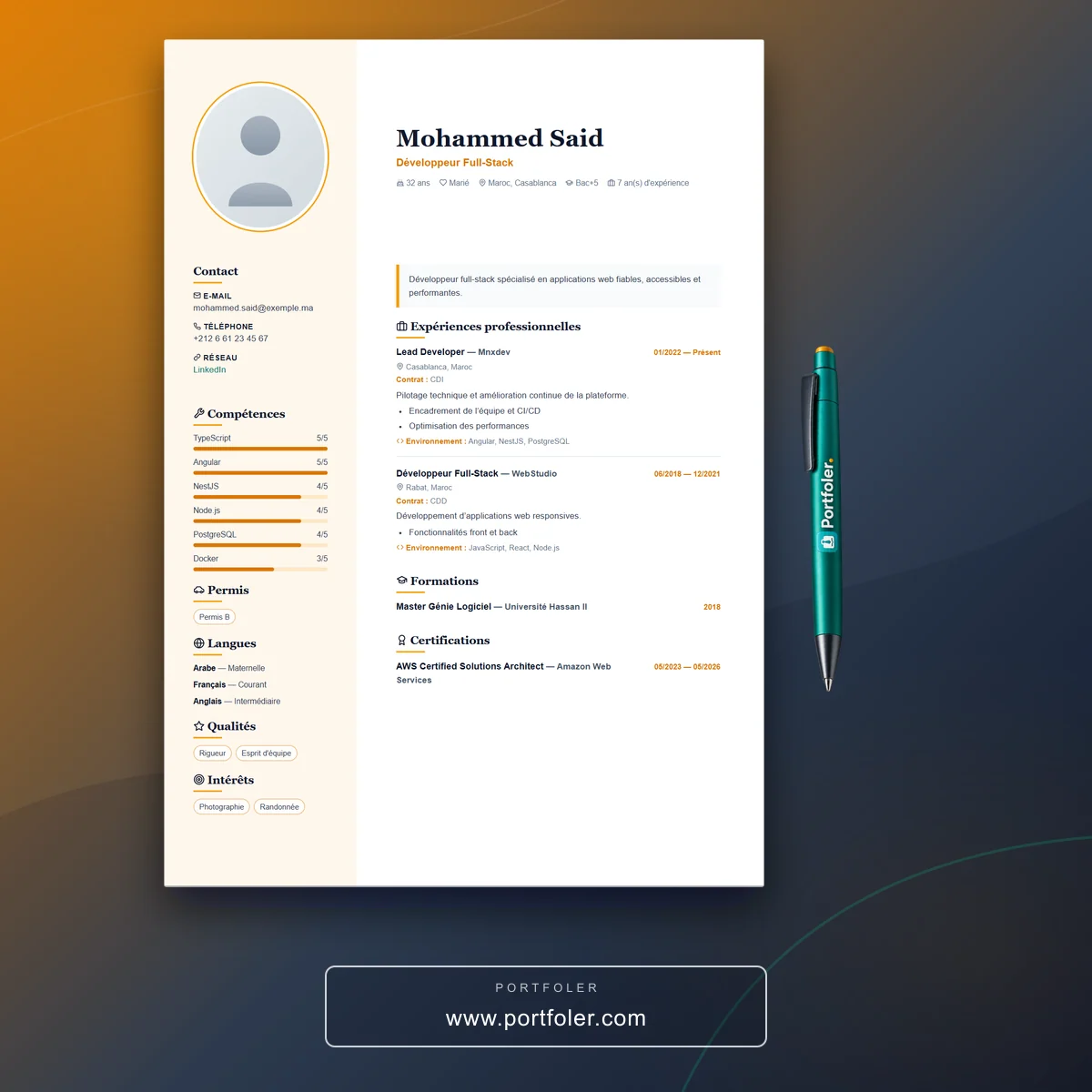
Fifty applications sent, three automated replies, not a single interview. If that sounds familiar, take heart: the problem is almost never your profile, it's your method. You don't land an internship through volume, but through precision. A student who targets twenty companies with a carefully crafted application gets more interviews than one who sprays two hundred with the same CV. Here is the complete, step-by-step method to land the internship that really matters.
Define your target before sending a single application
A recruiter spots an application sent "to everyone" in three seconds. Before writing a single line, get clear on what you're looking for.
- The framework: length, start and end dates, schedule (full-time, work-study), city or remote.
- The tasks: what you actually want to learn, not just the job title.
- The type of organization: a startup will quickly hand you responsibilities, a large company will give you method and a network.
- Your target list: twenty to thirty specific companies, ranked by priority.
An internship you chose is one you can defend with conviction in an interview. An internship you settled for shows.
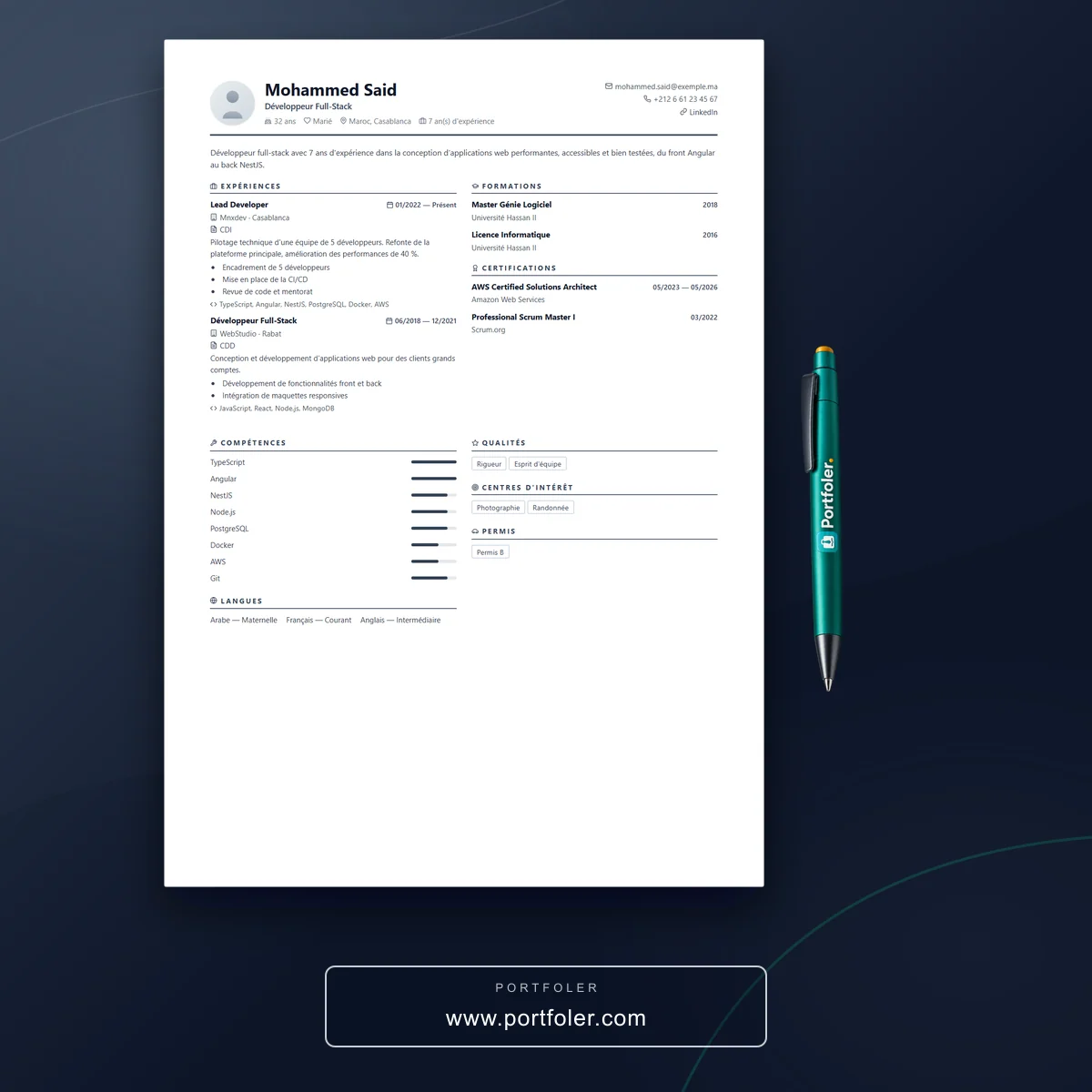
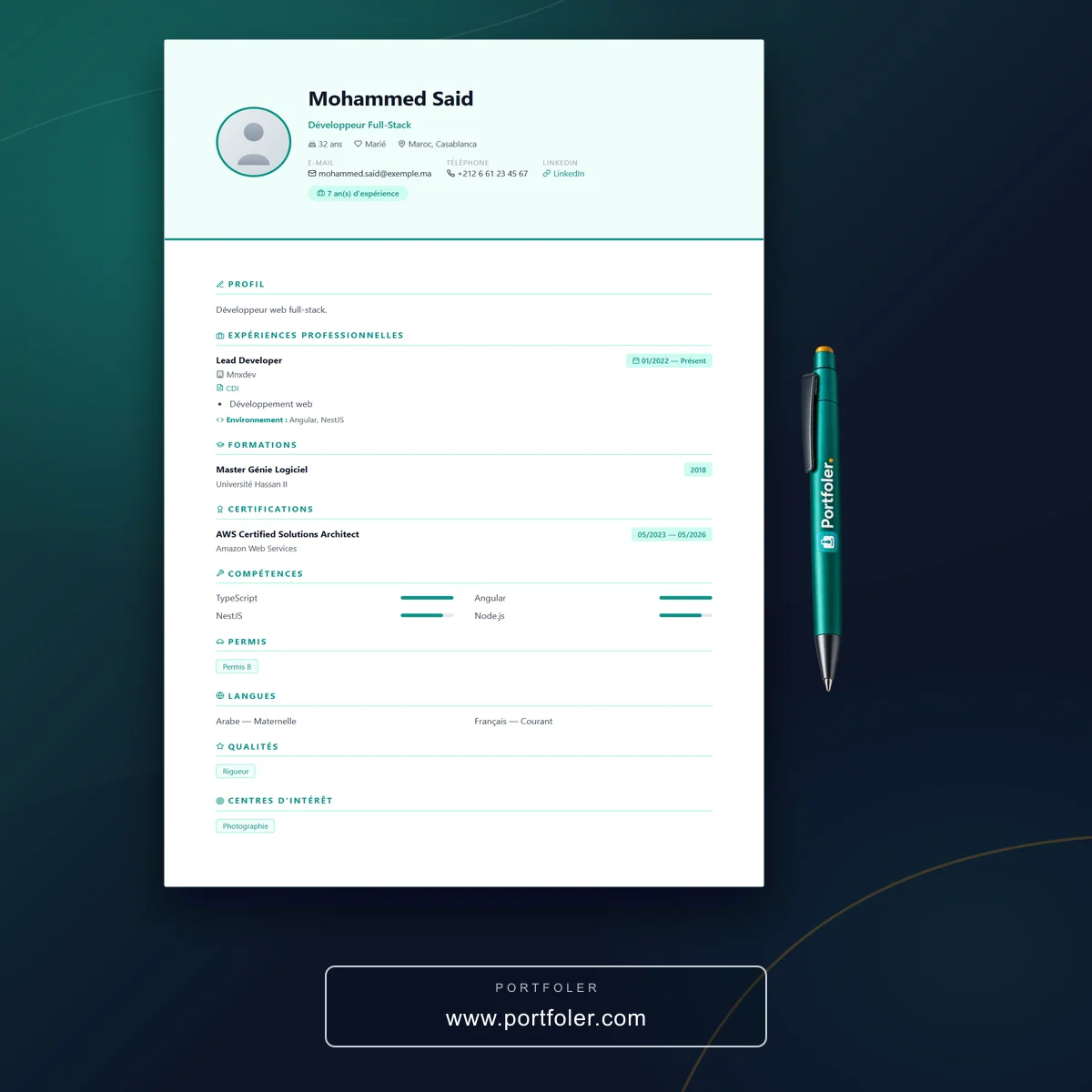
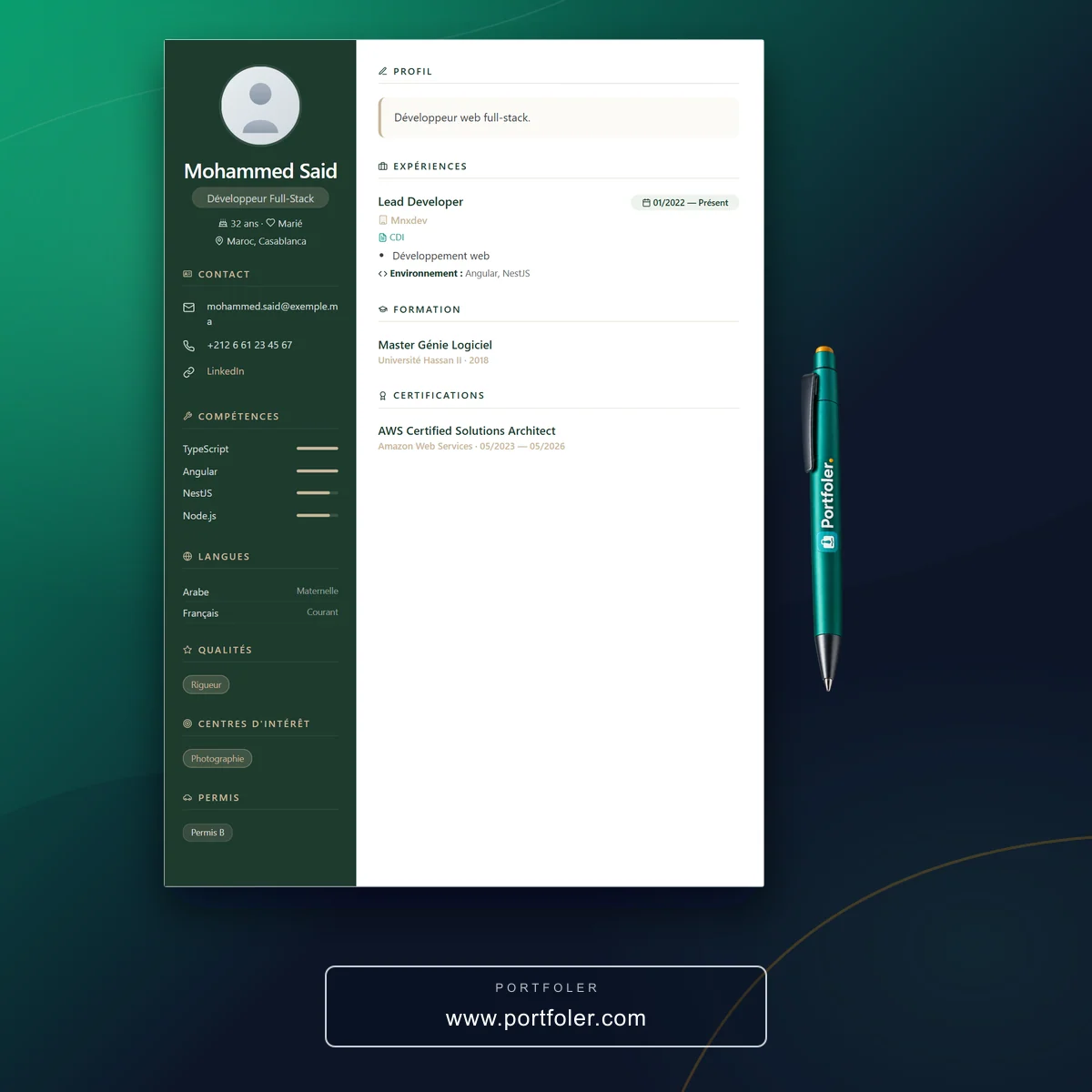
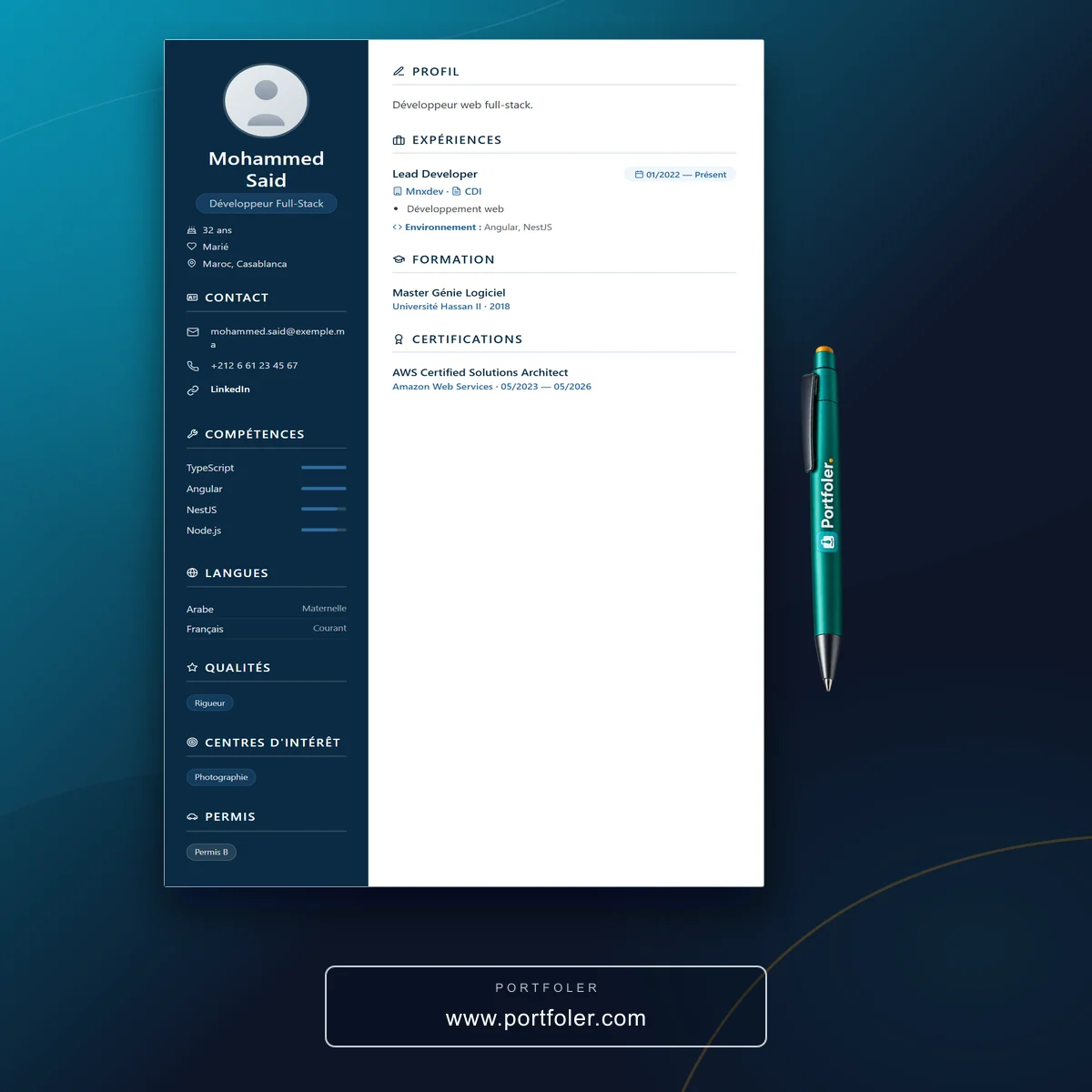
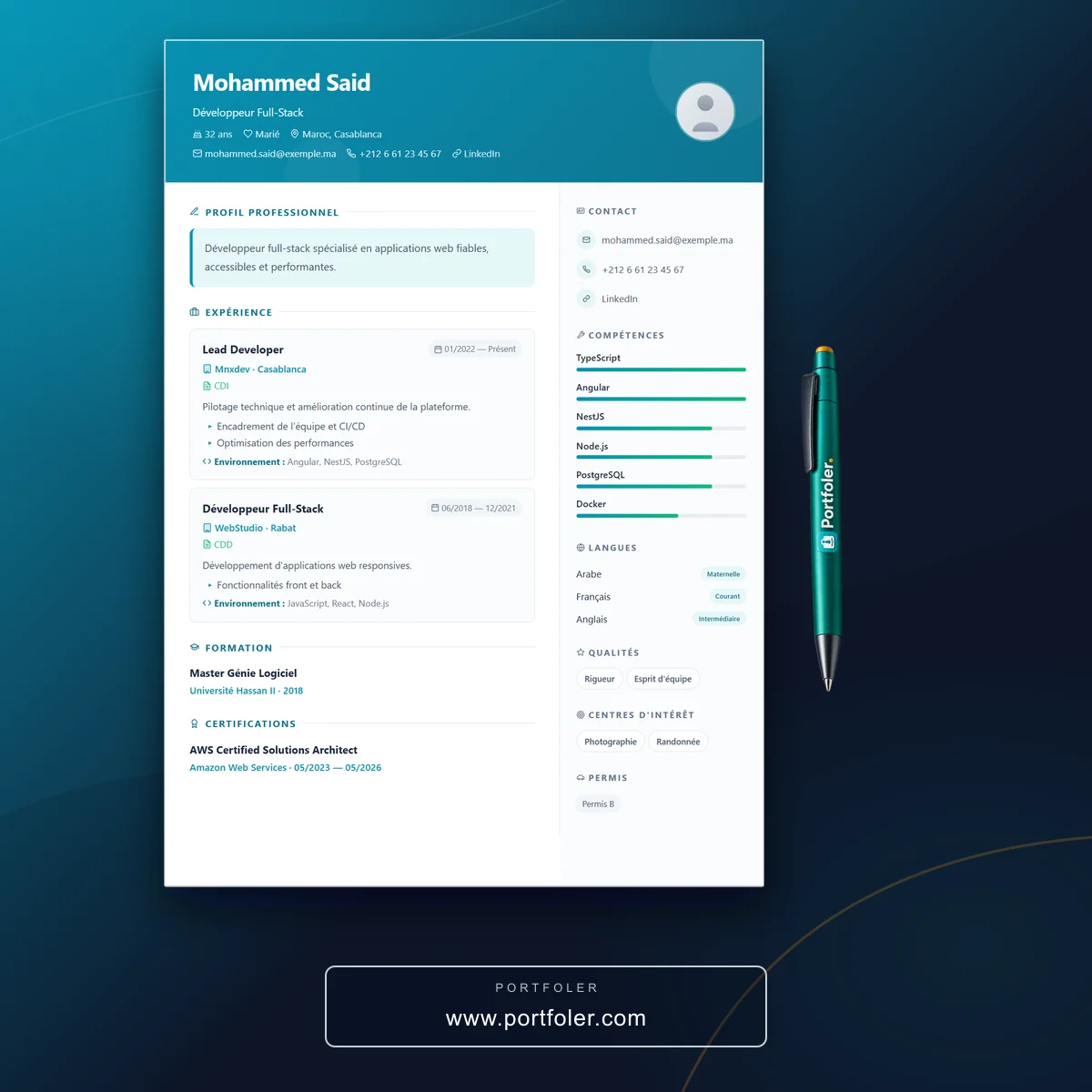
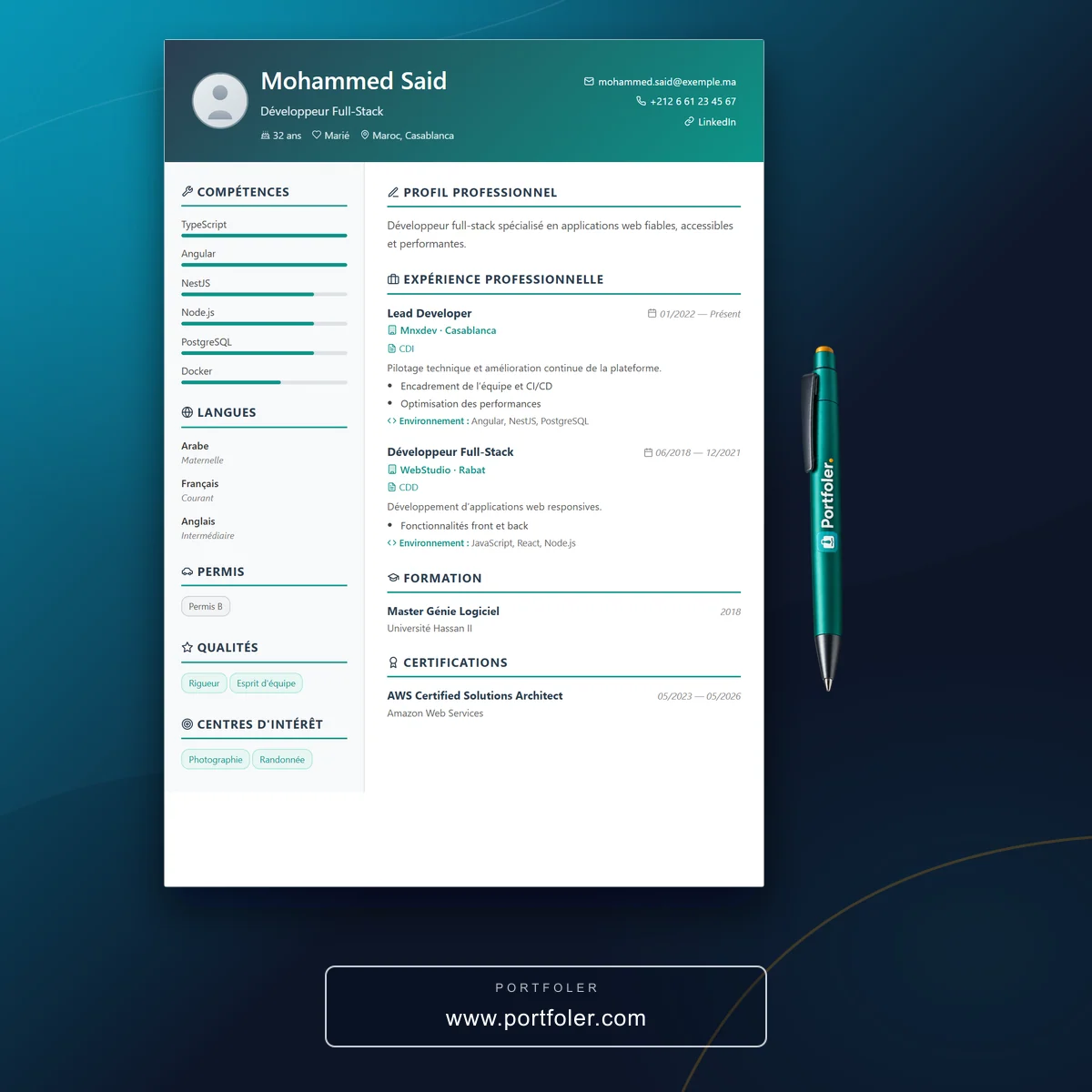
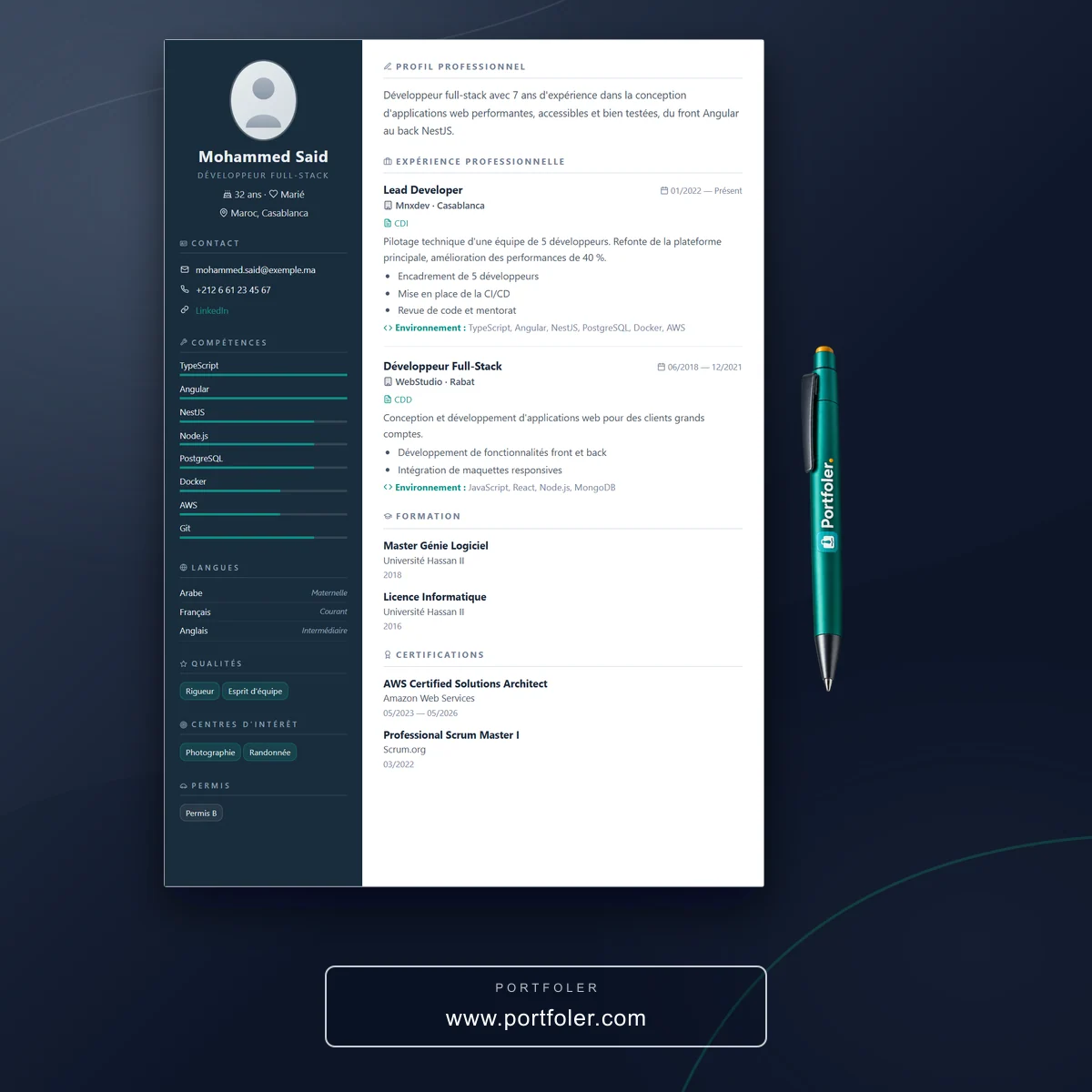
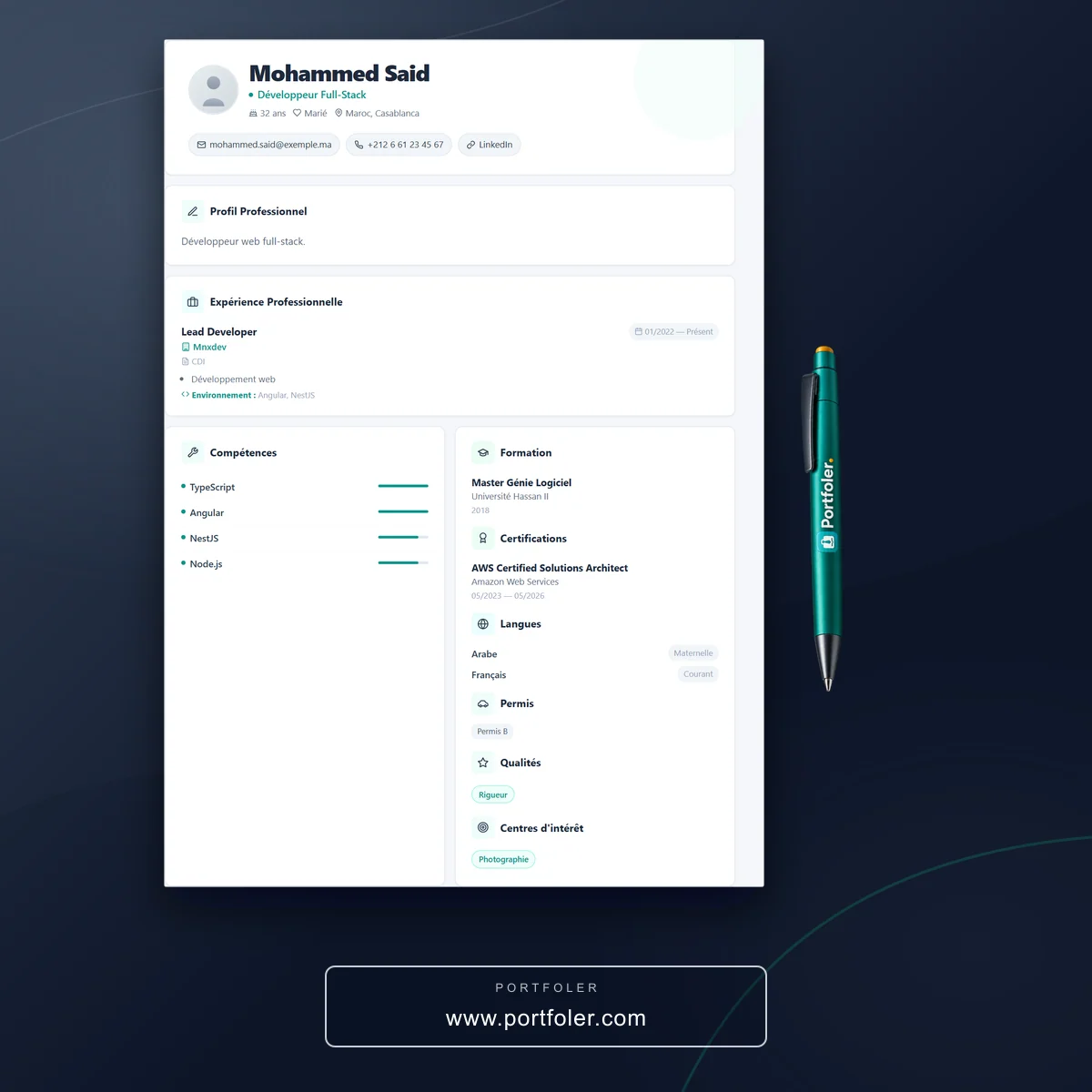
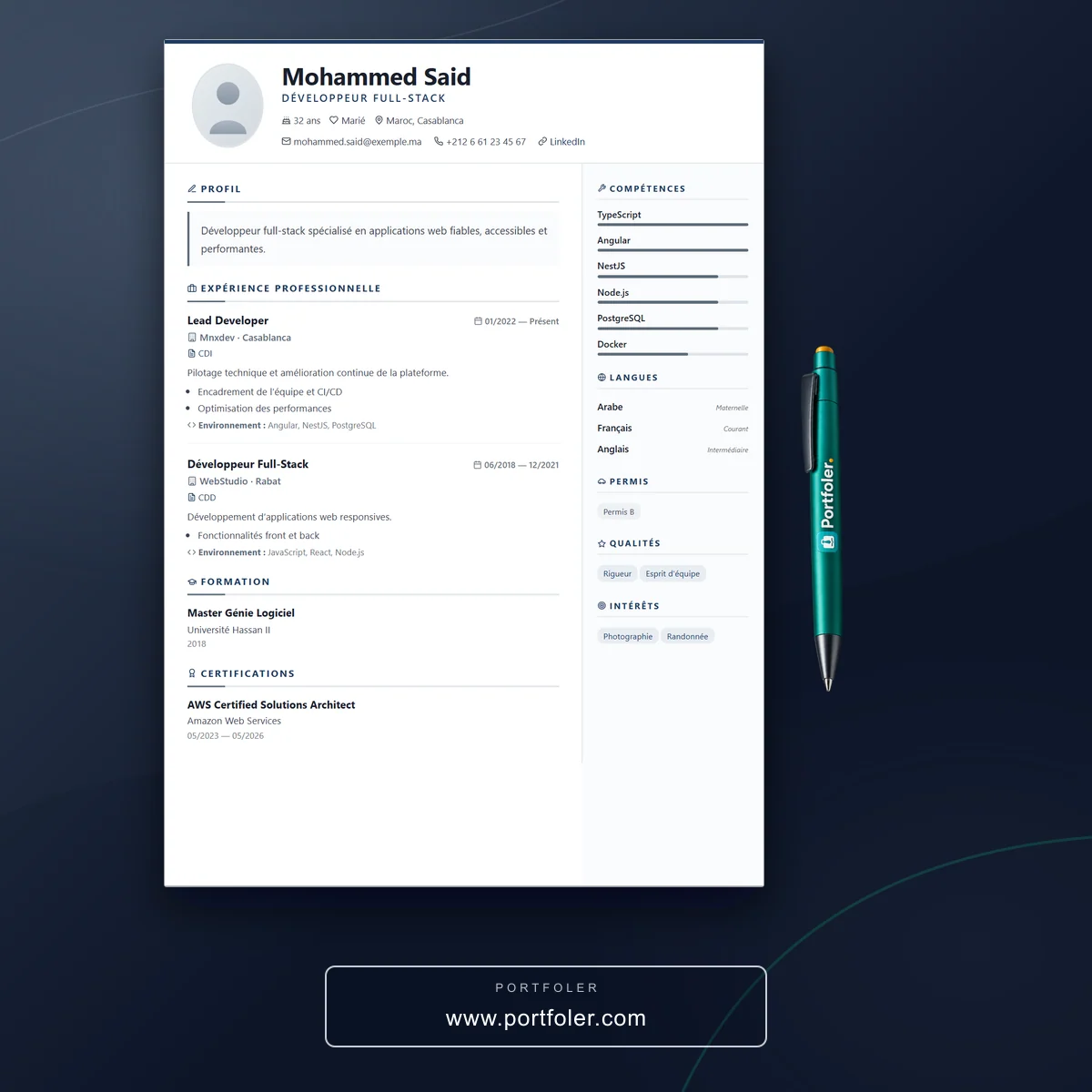
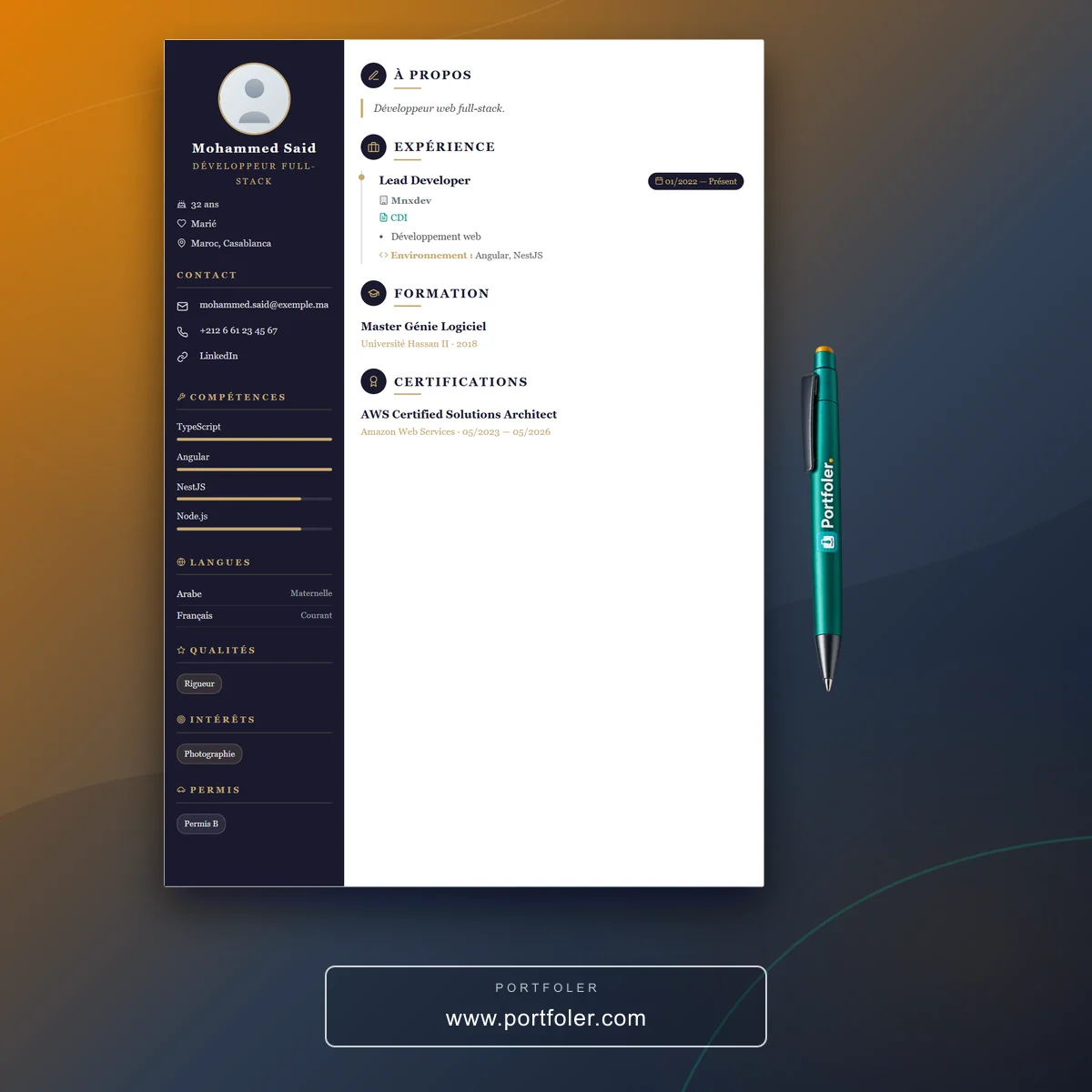
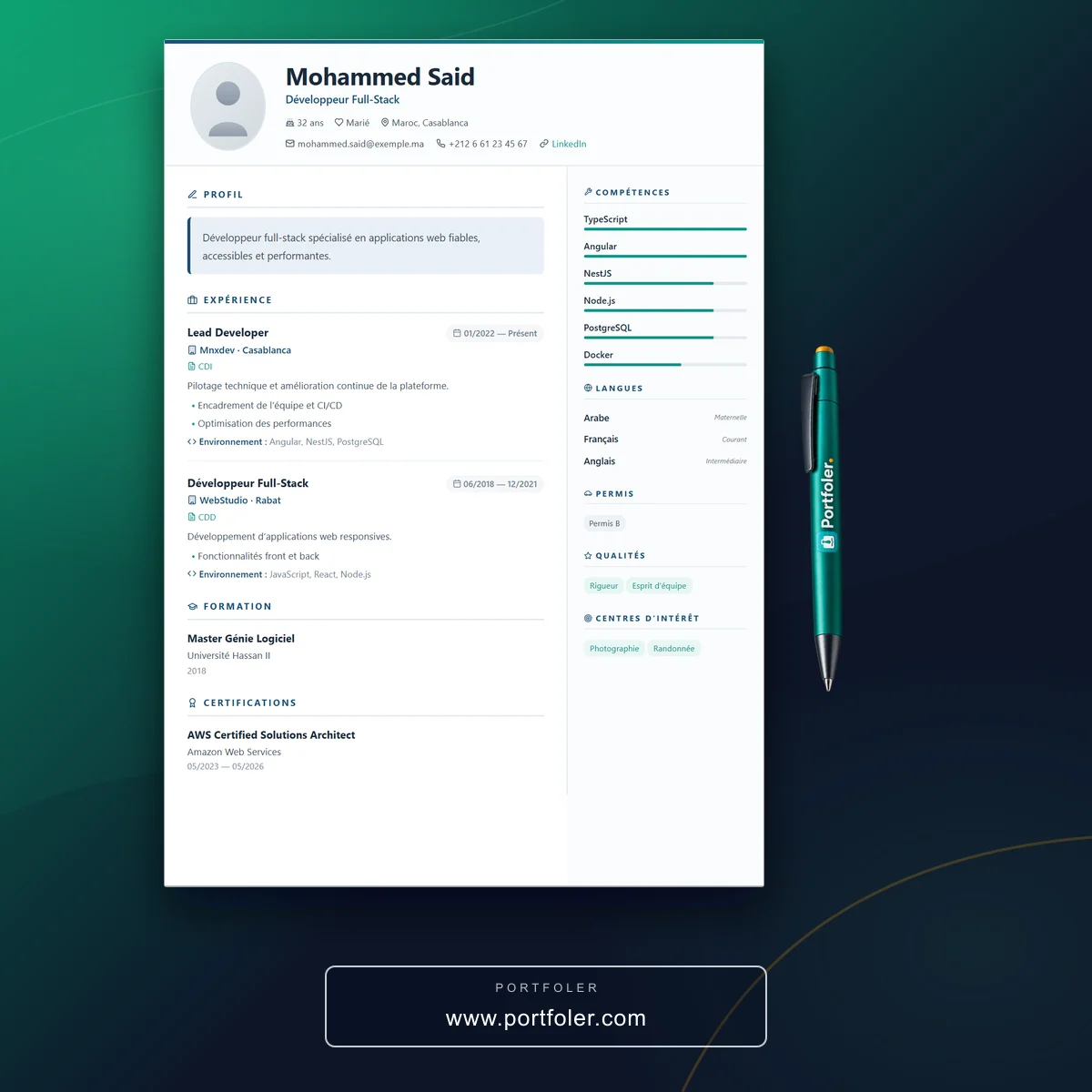
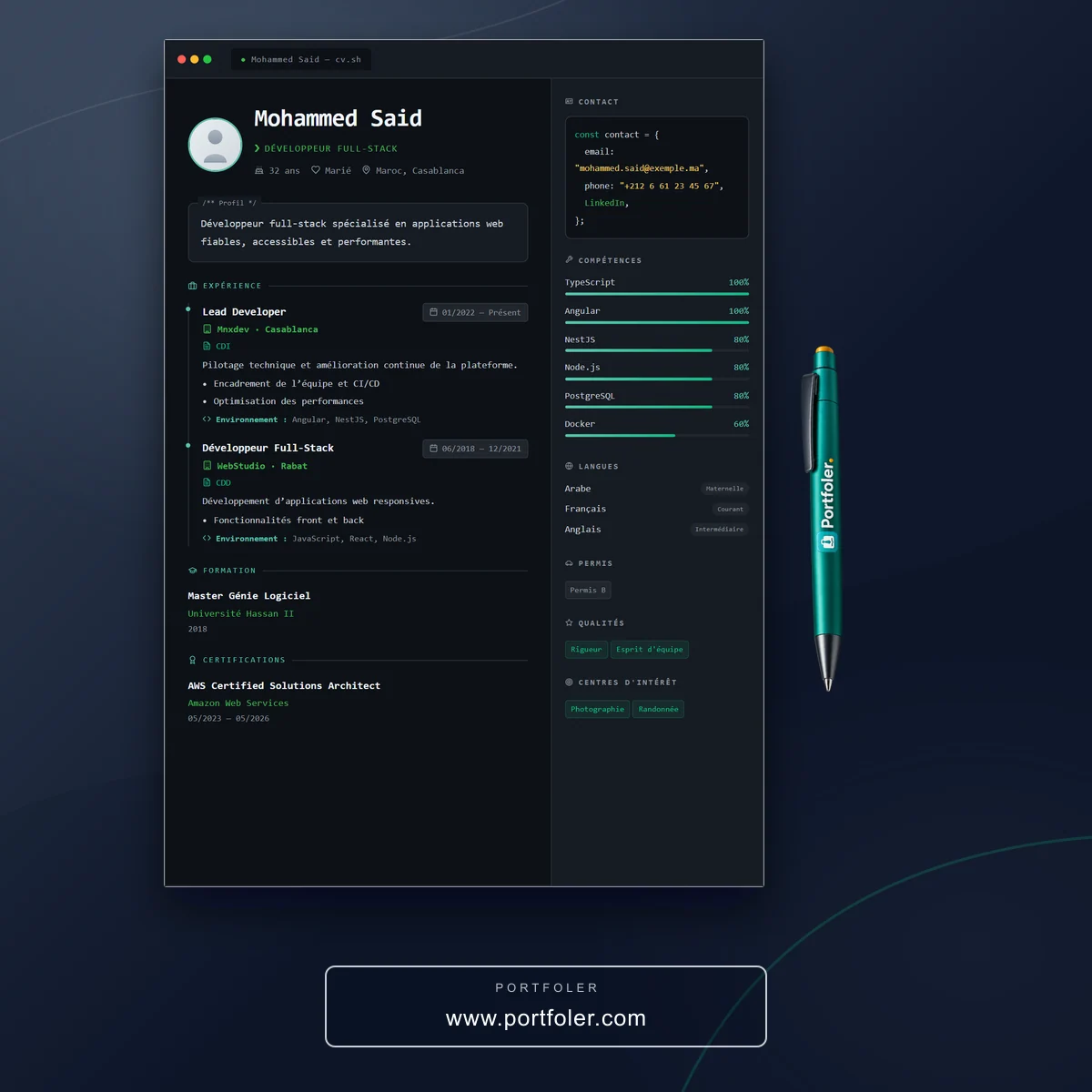
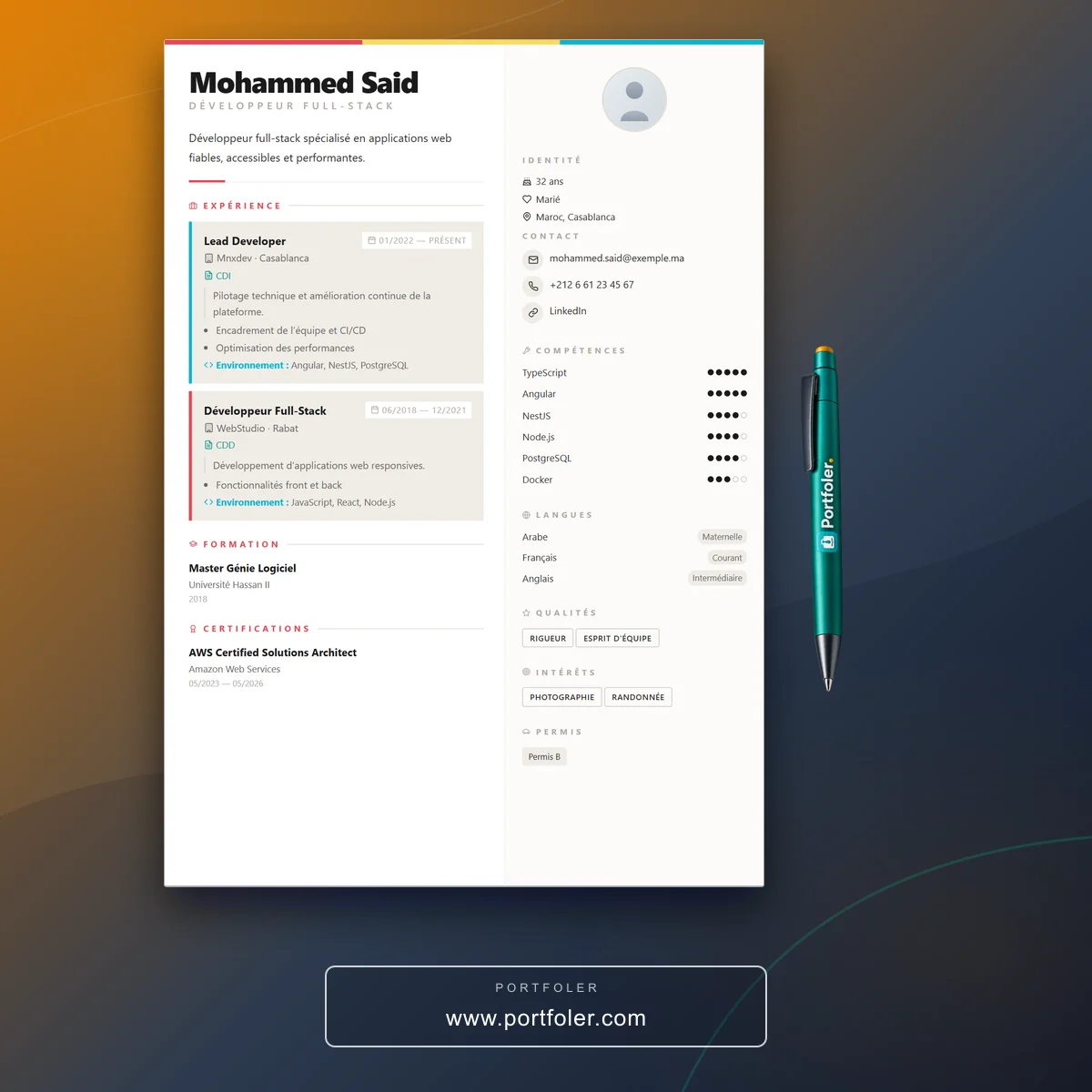
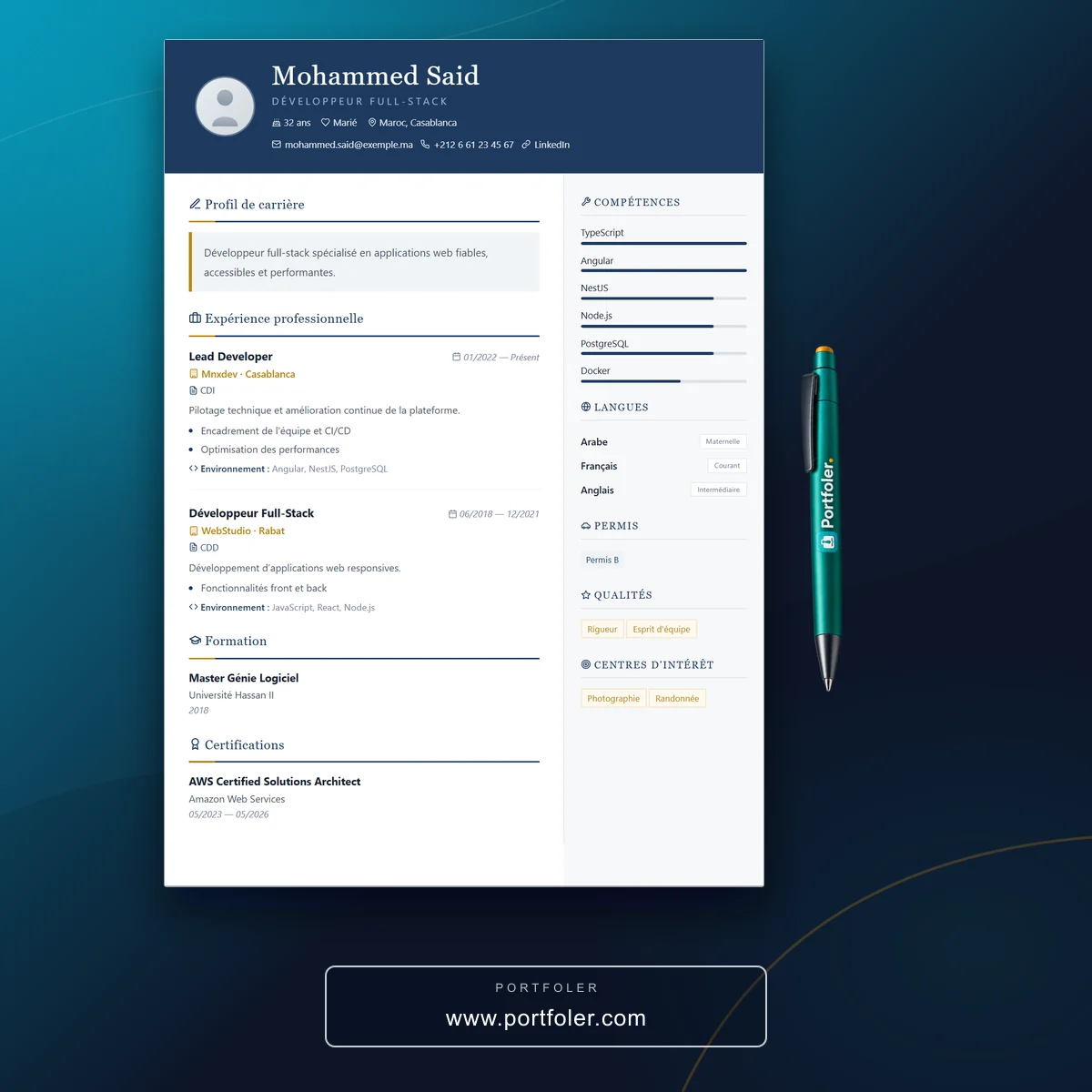
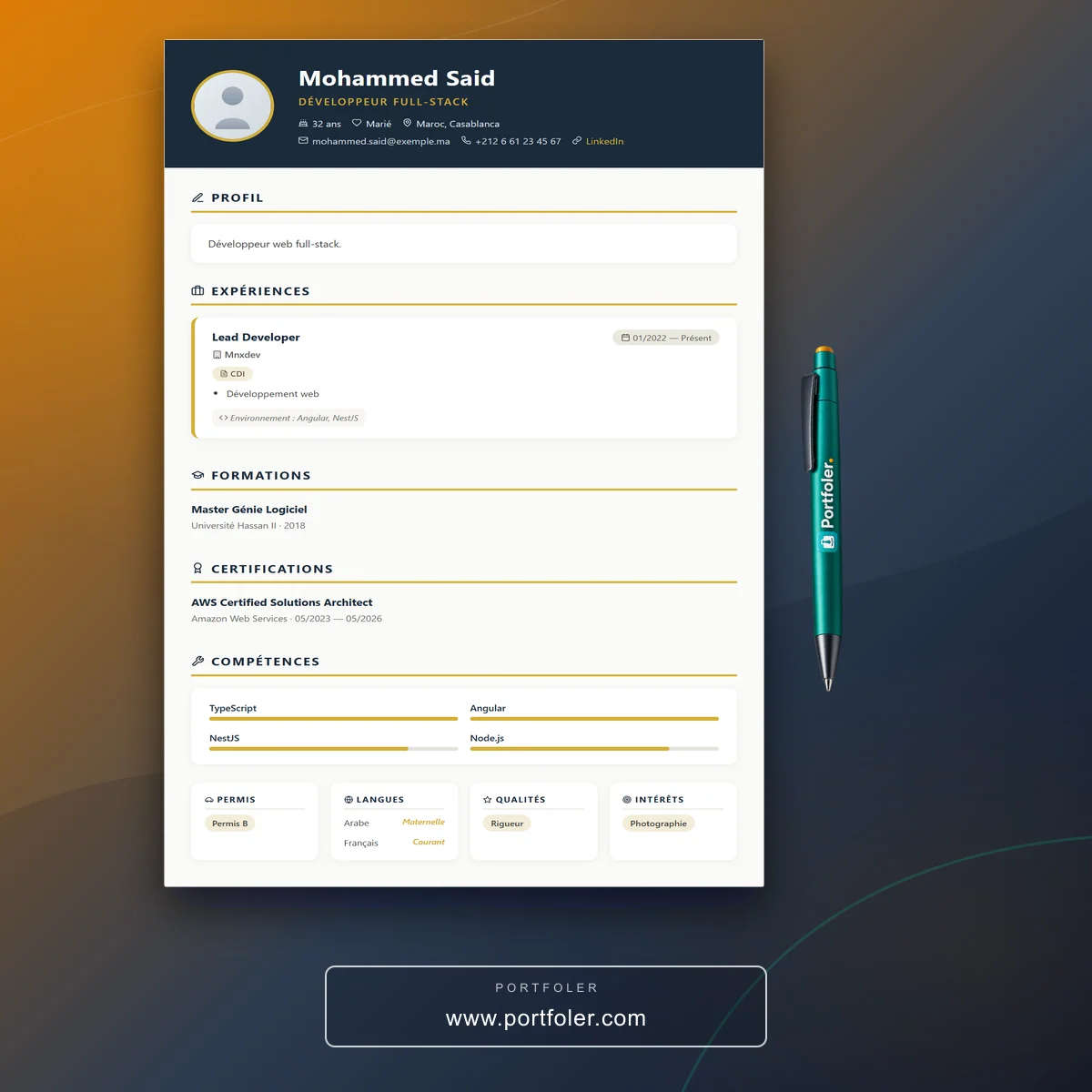
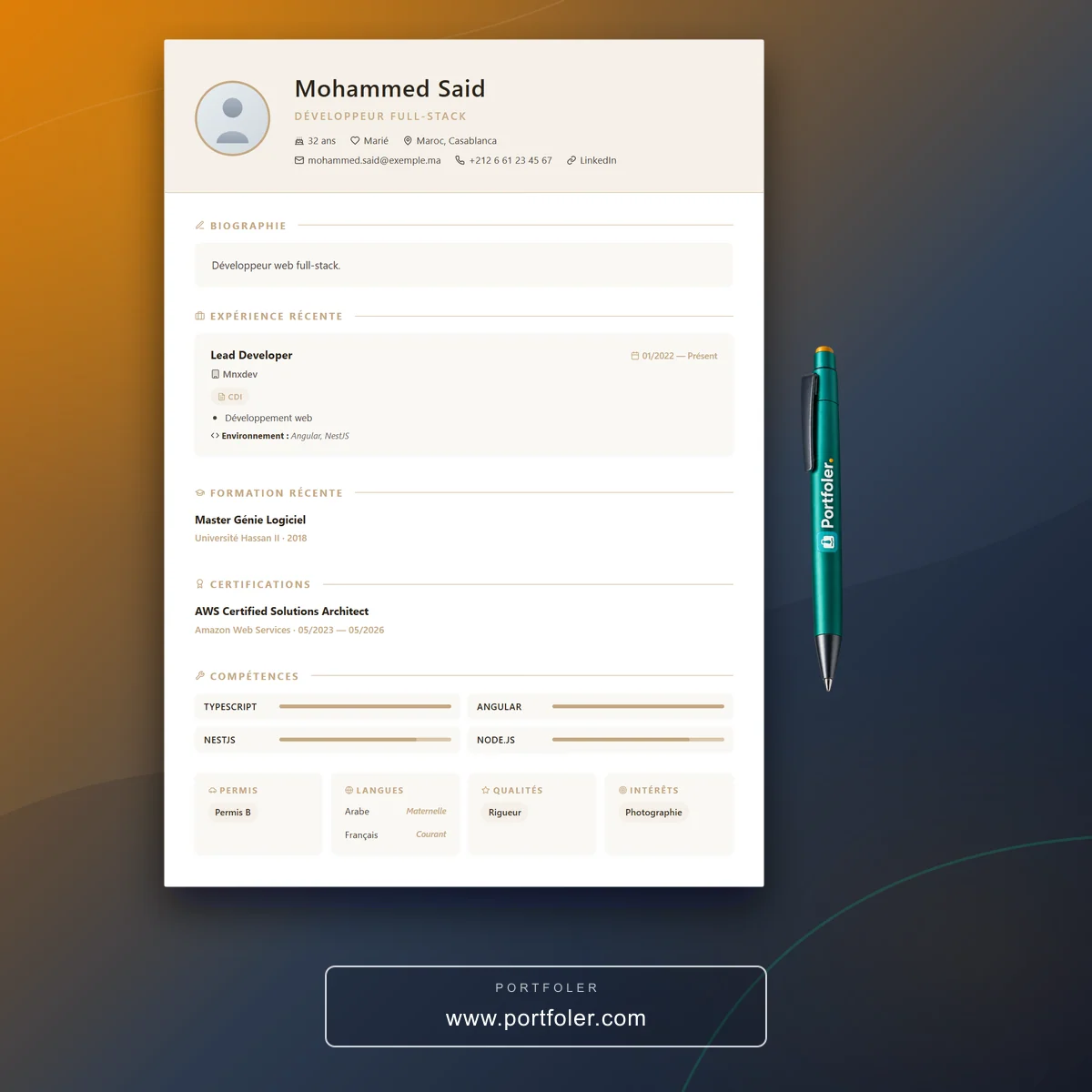
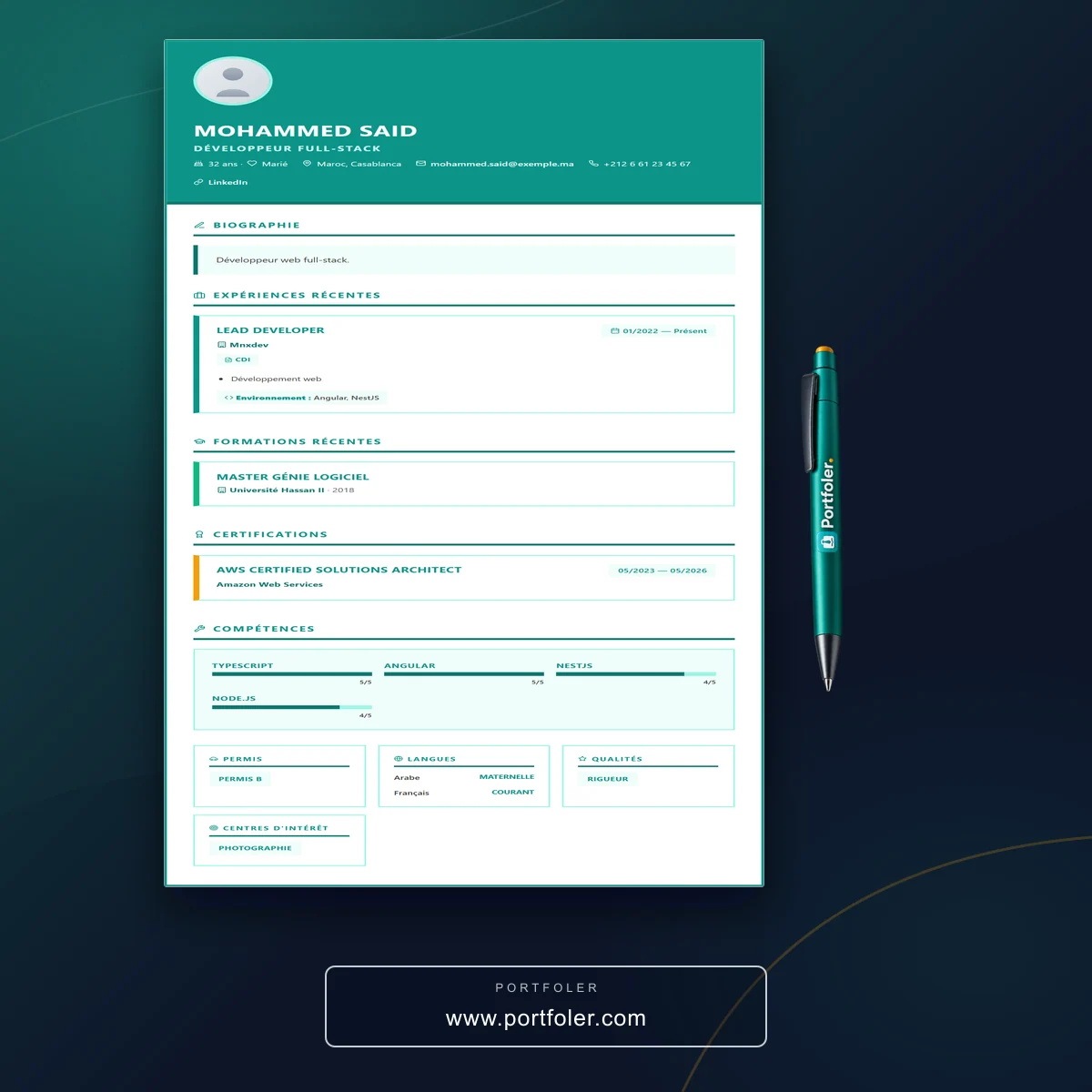
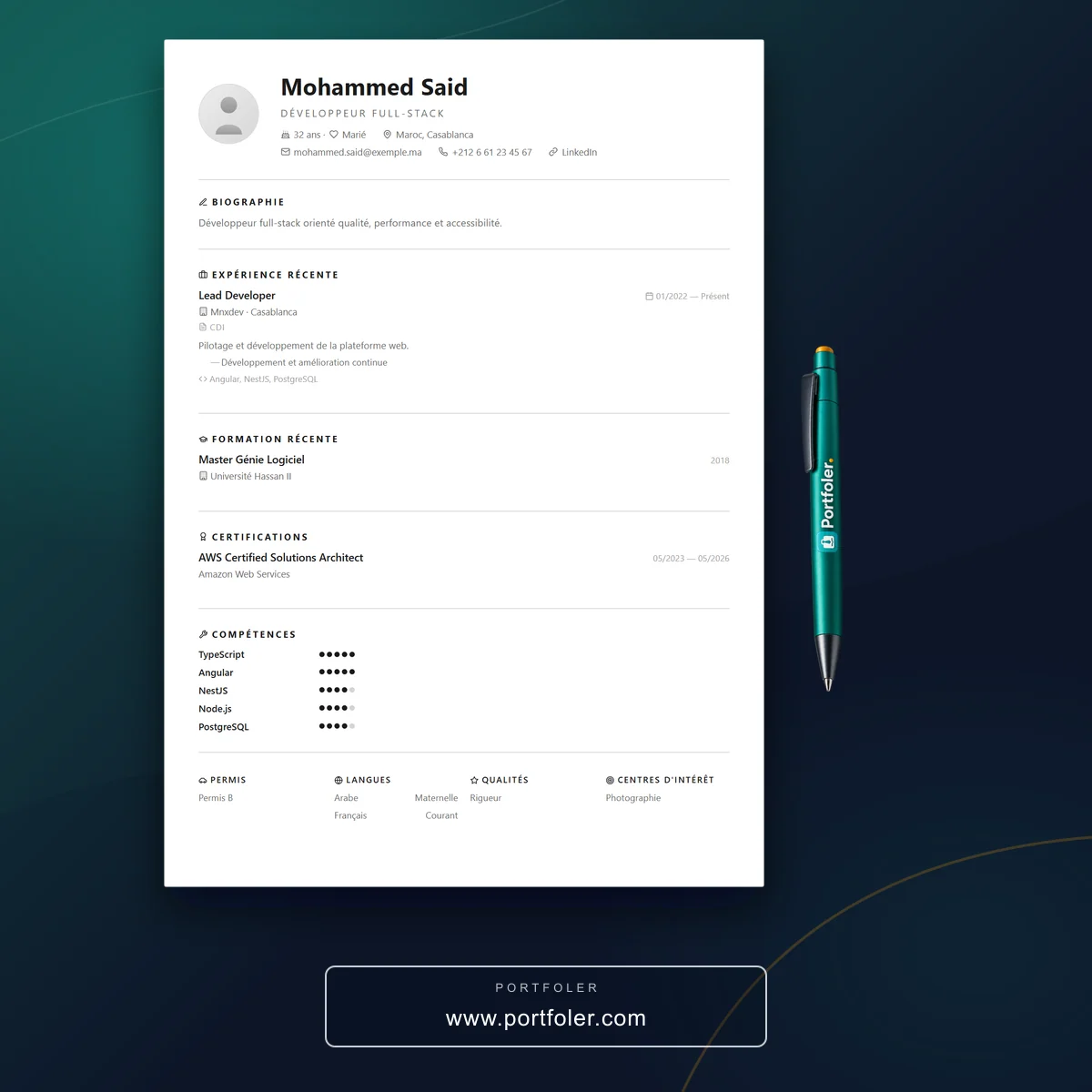
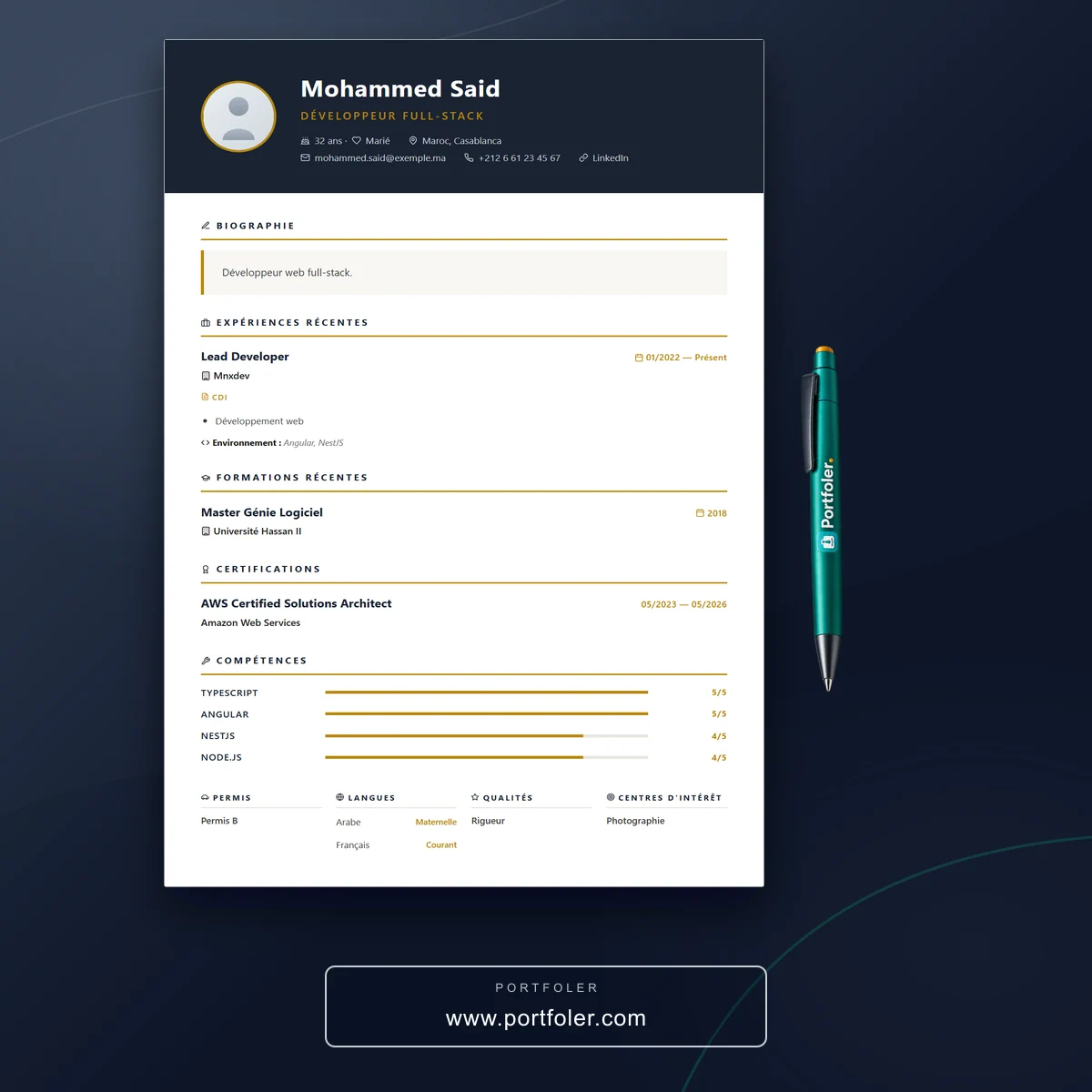
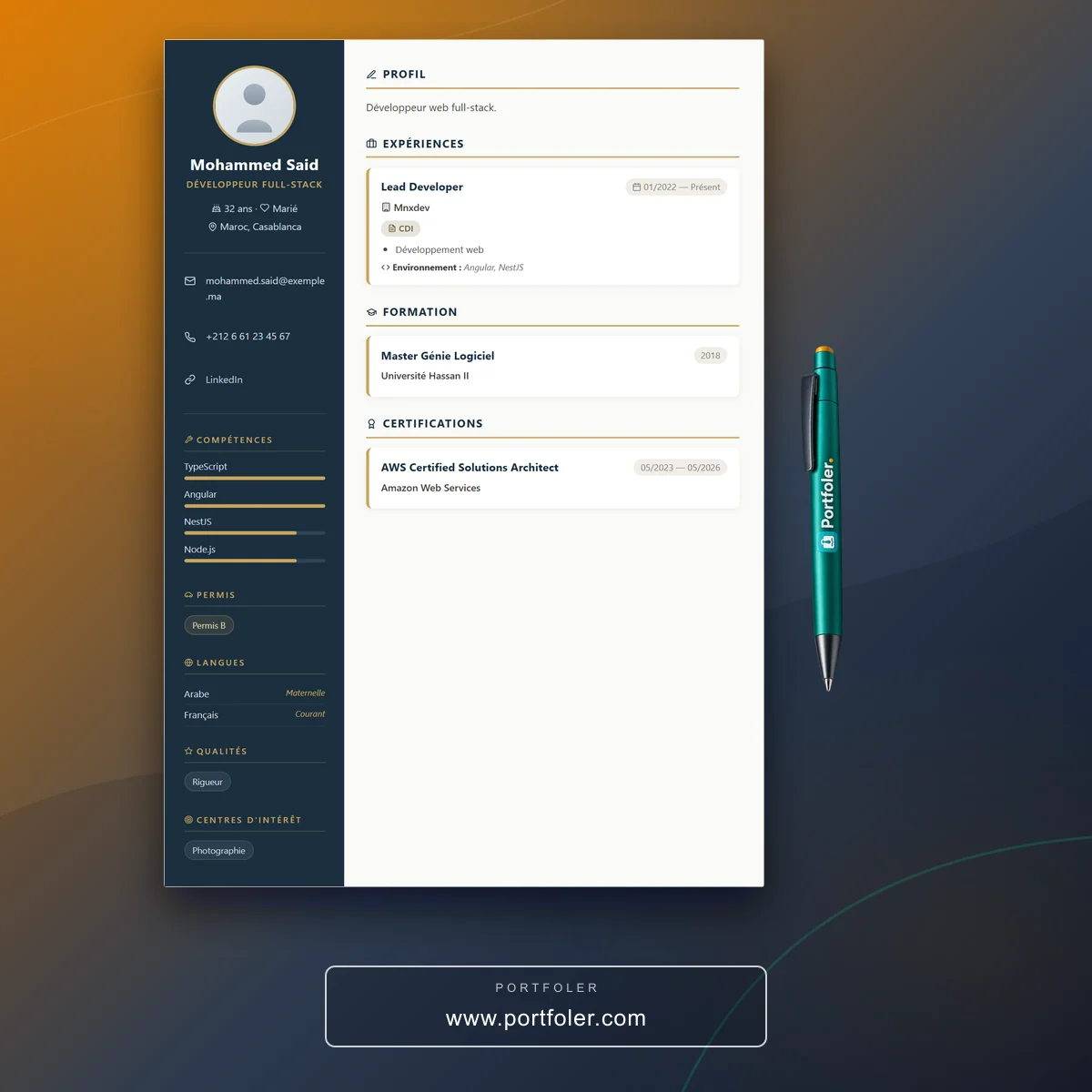
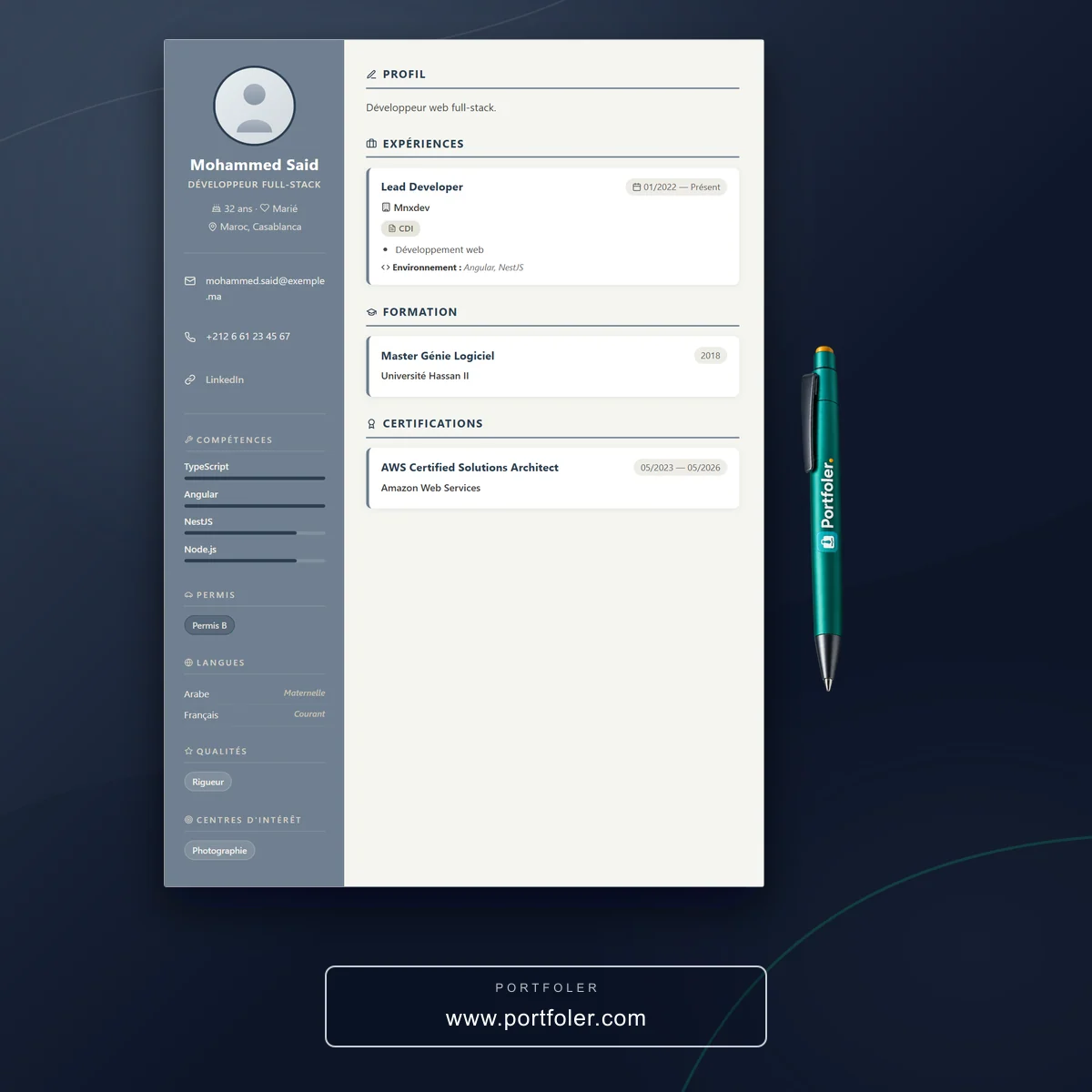
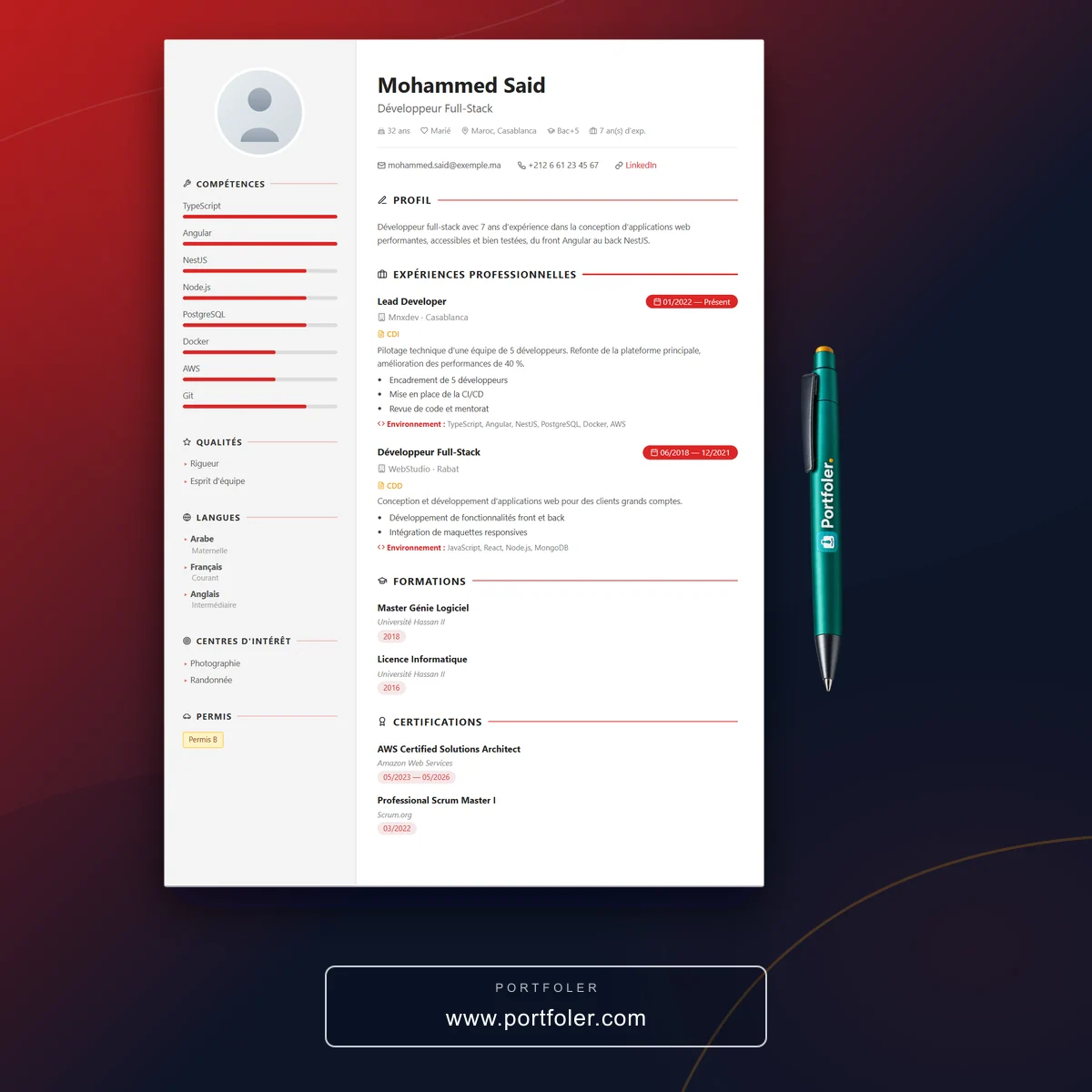
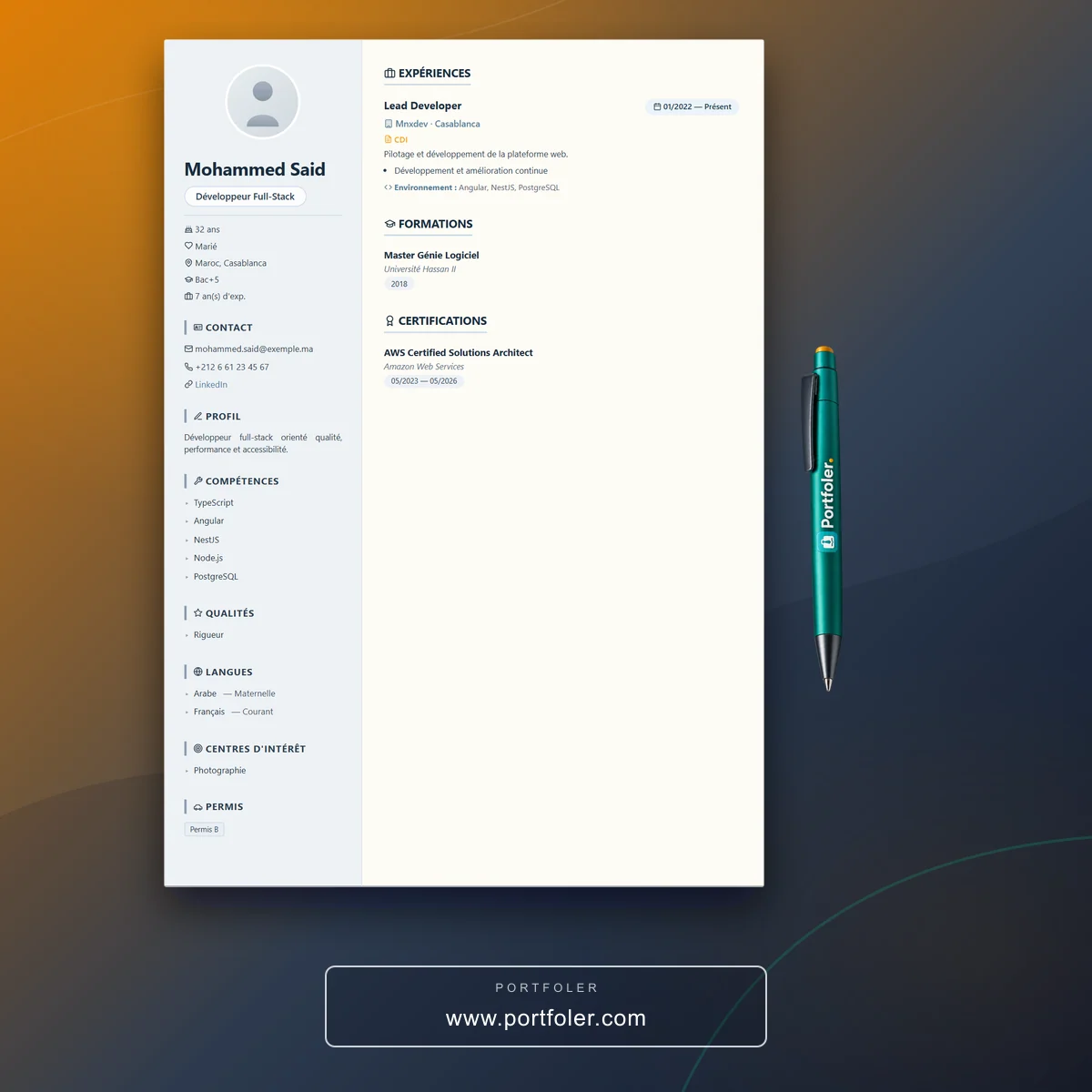
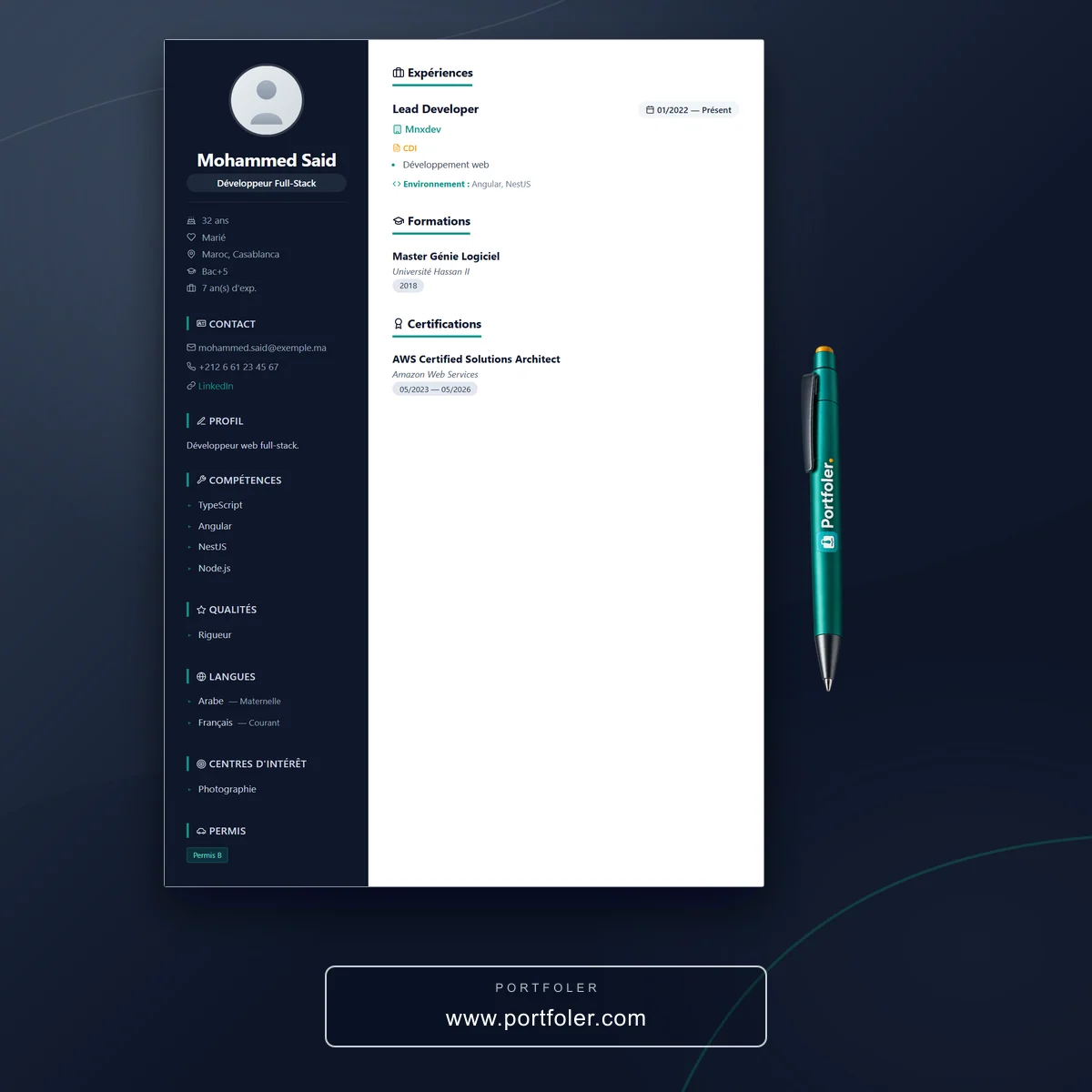
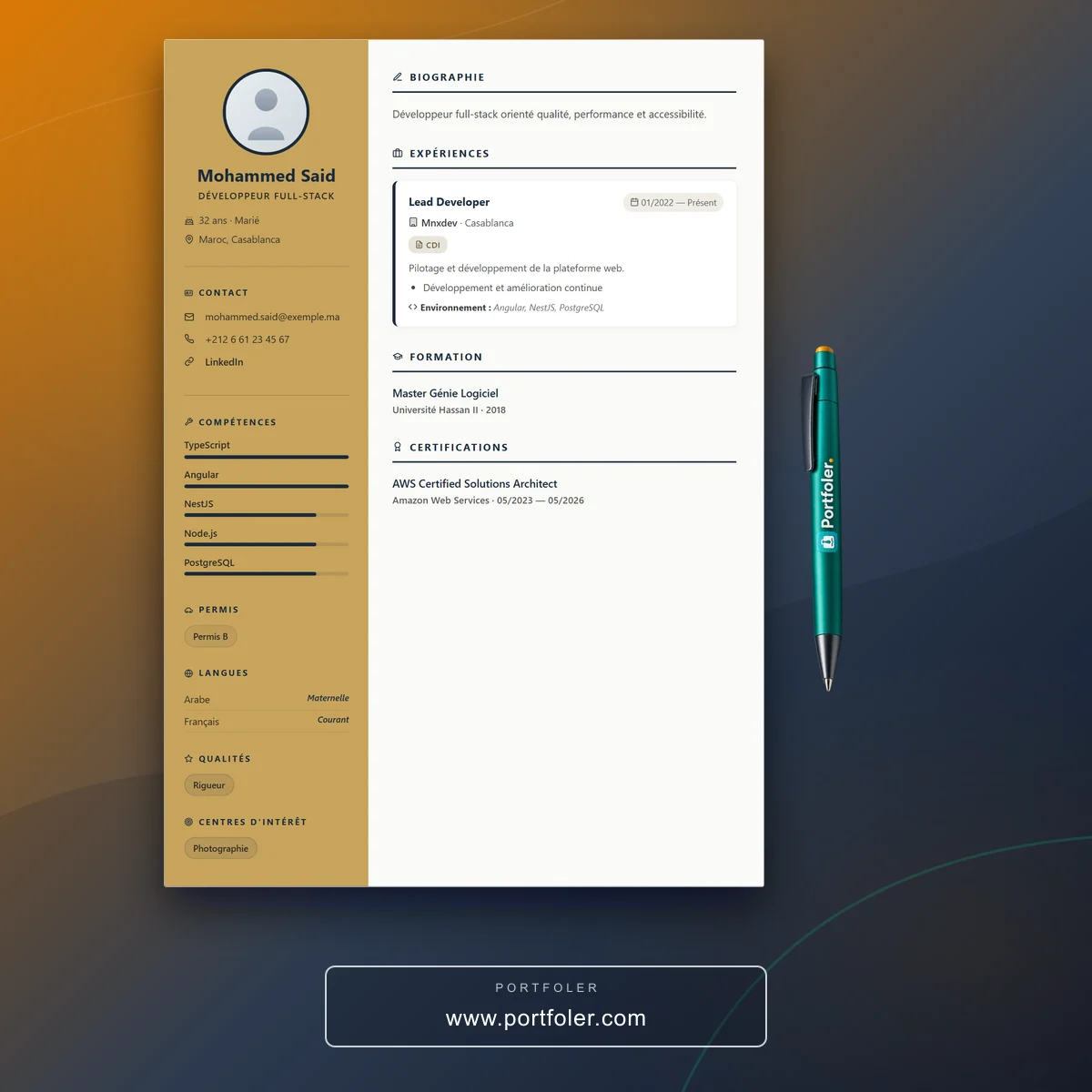
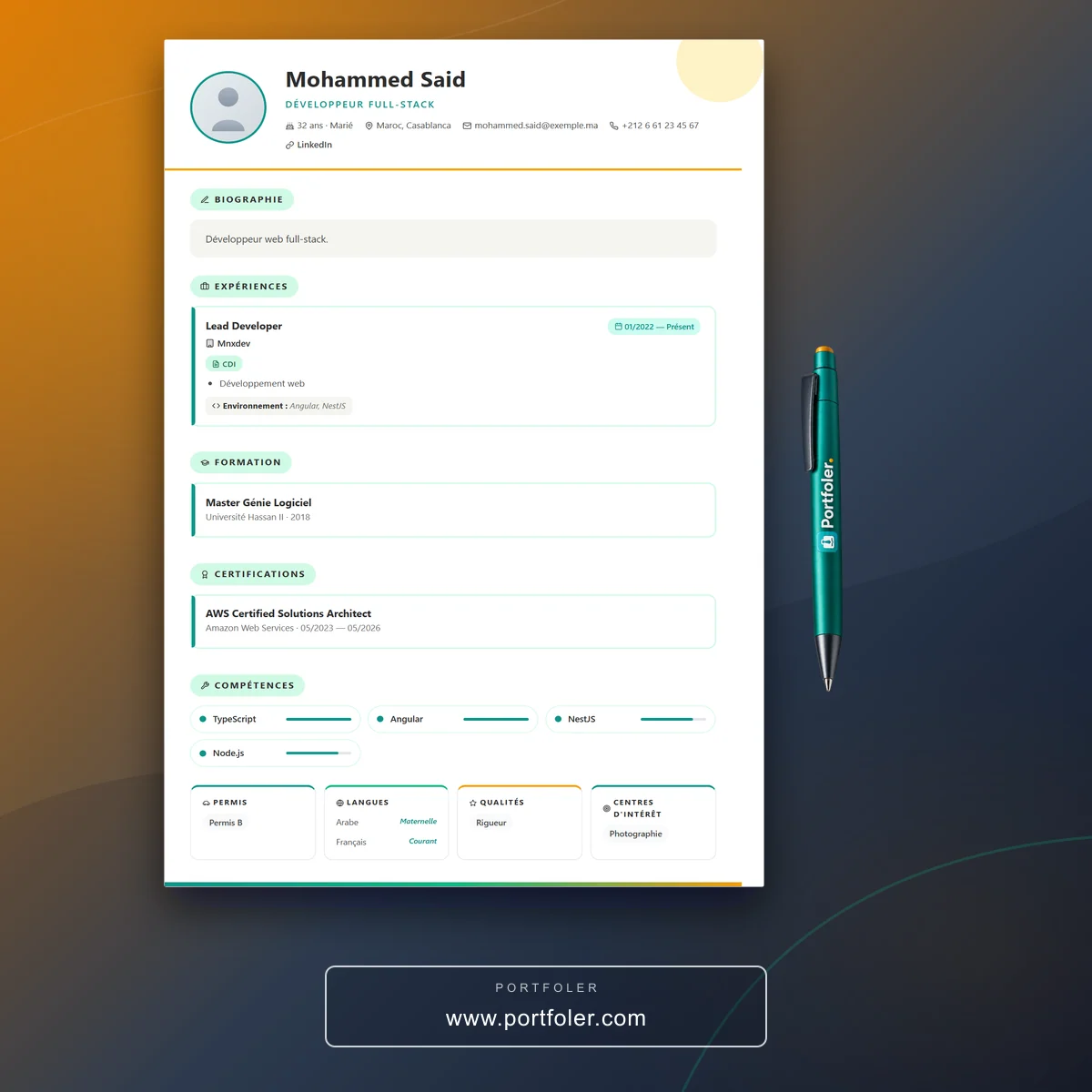
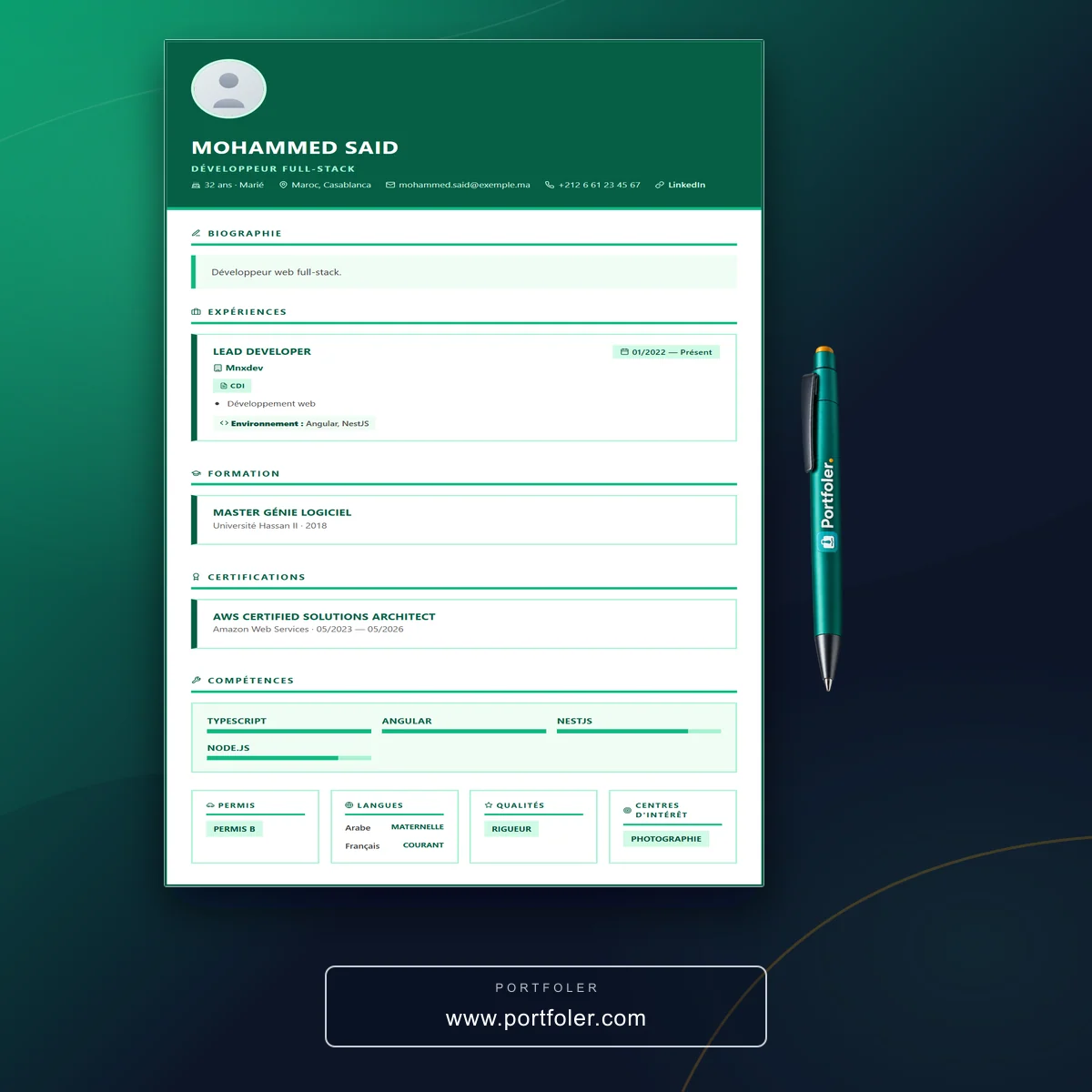
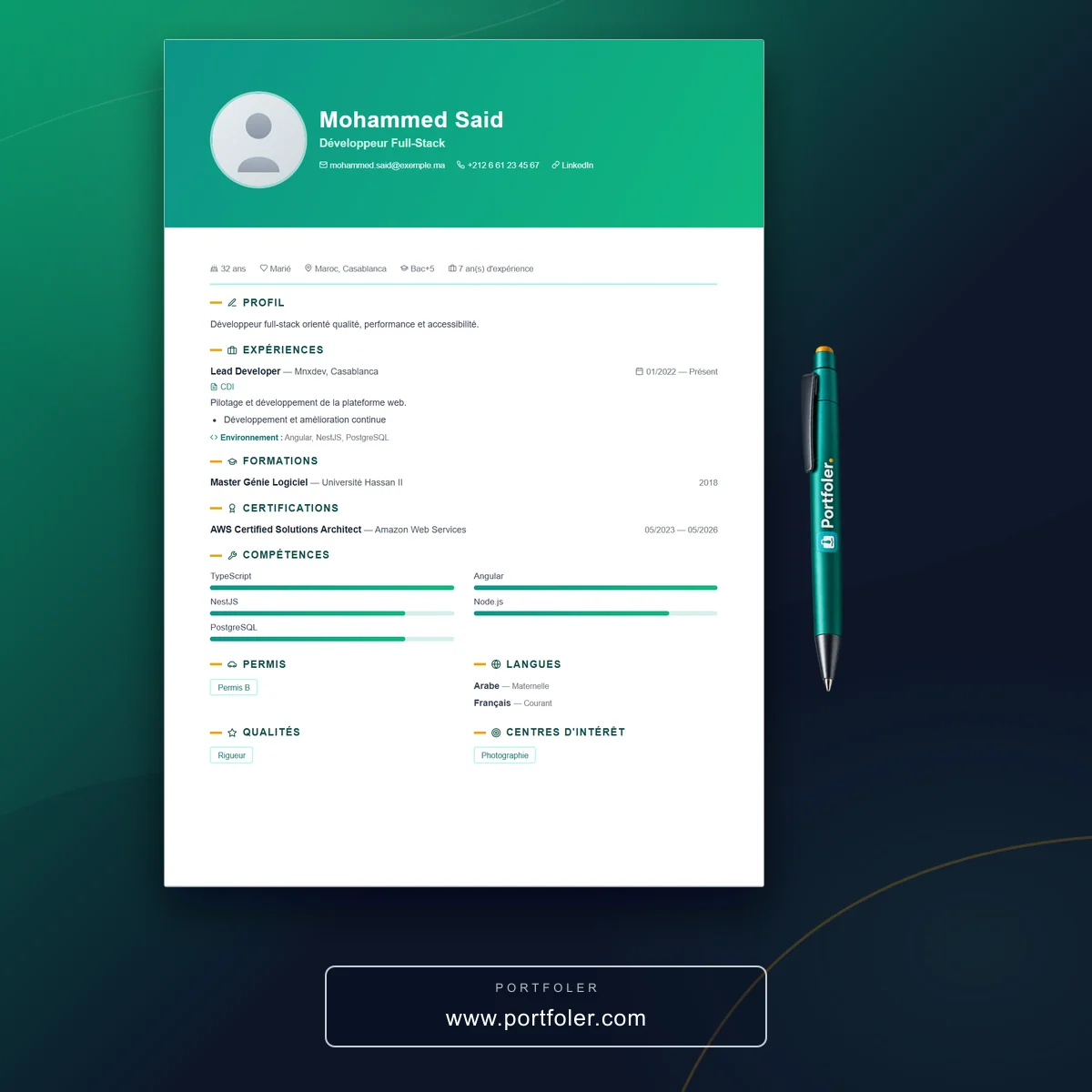
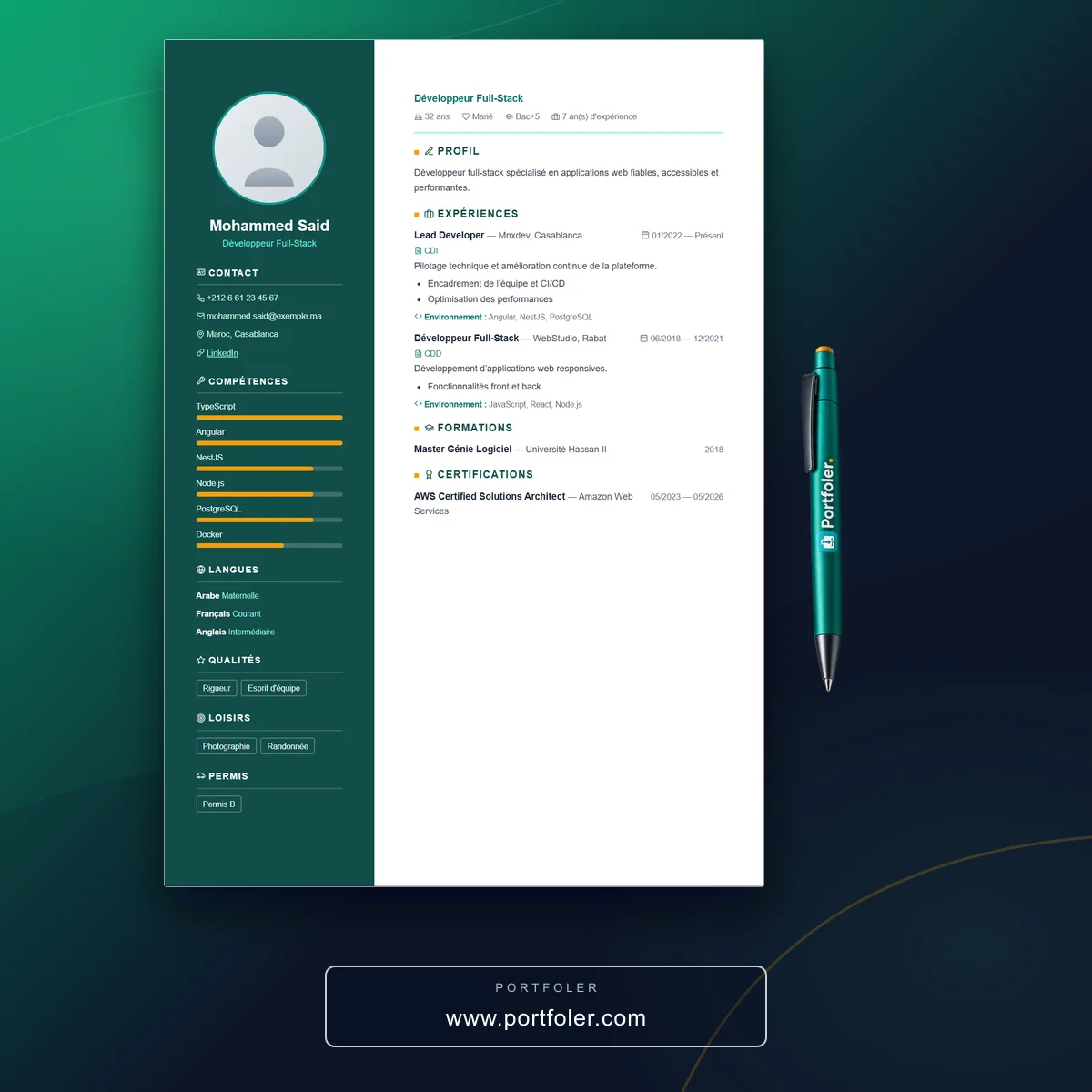
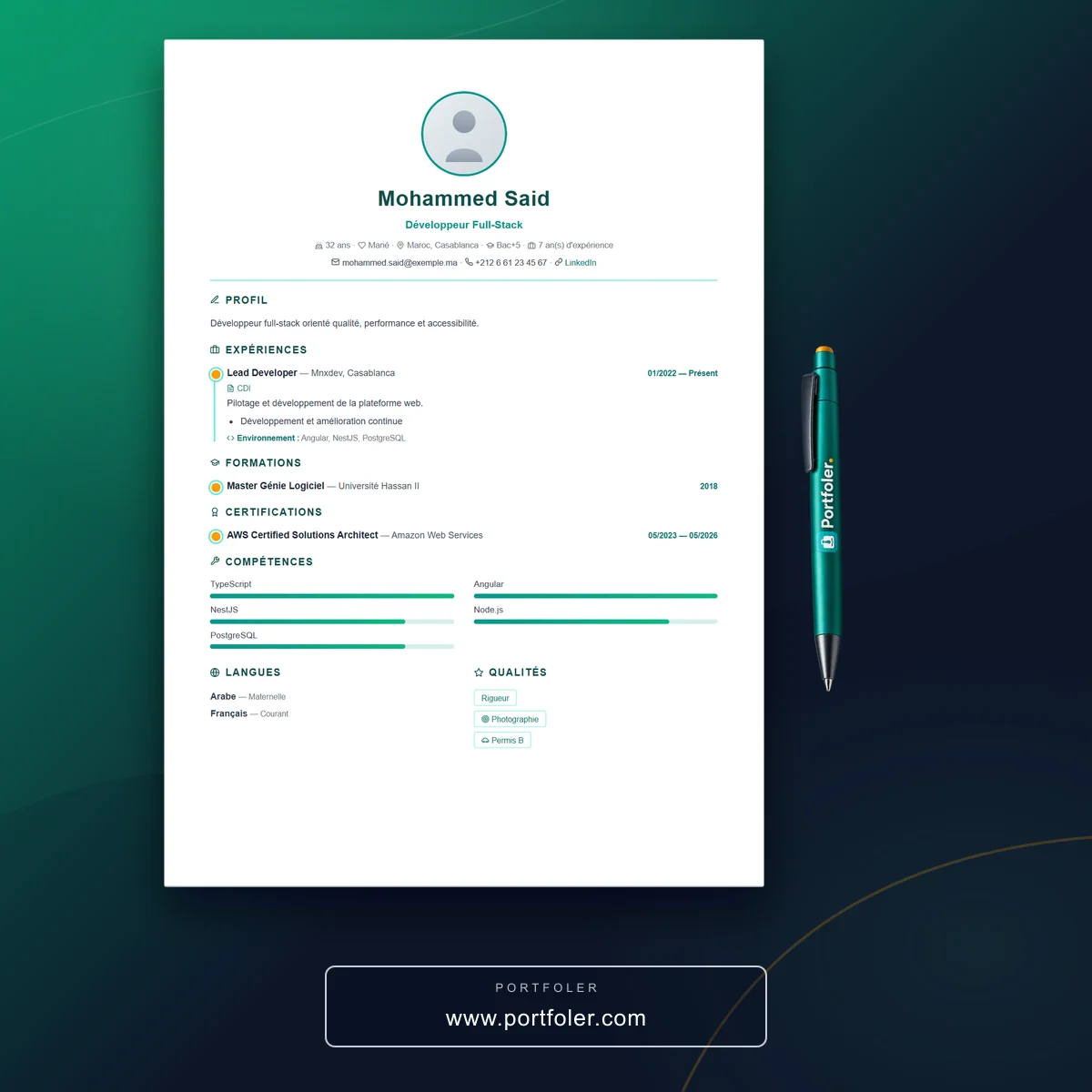
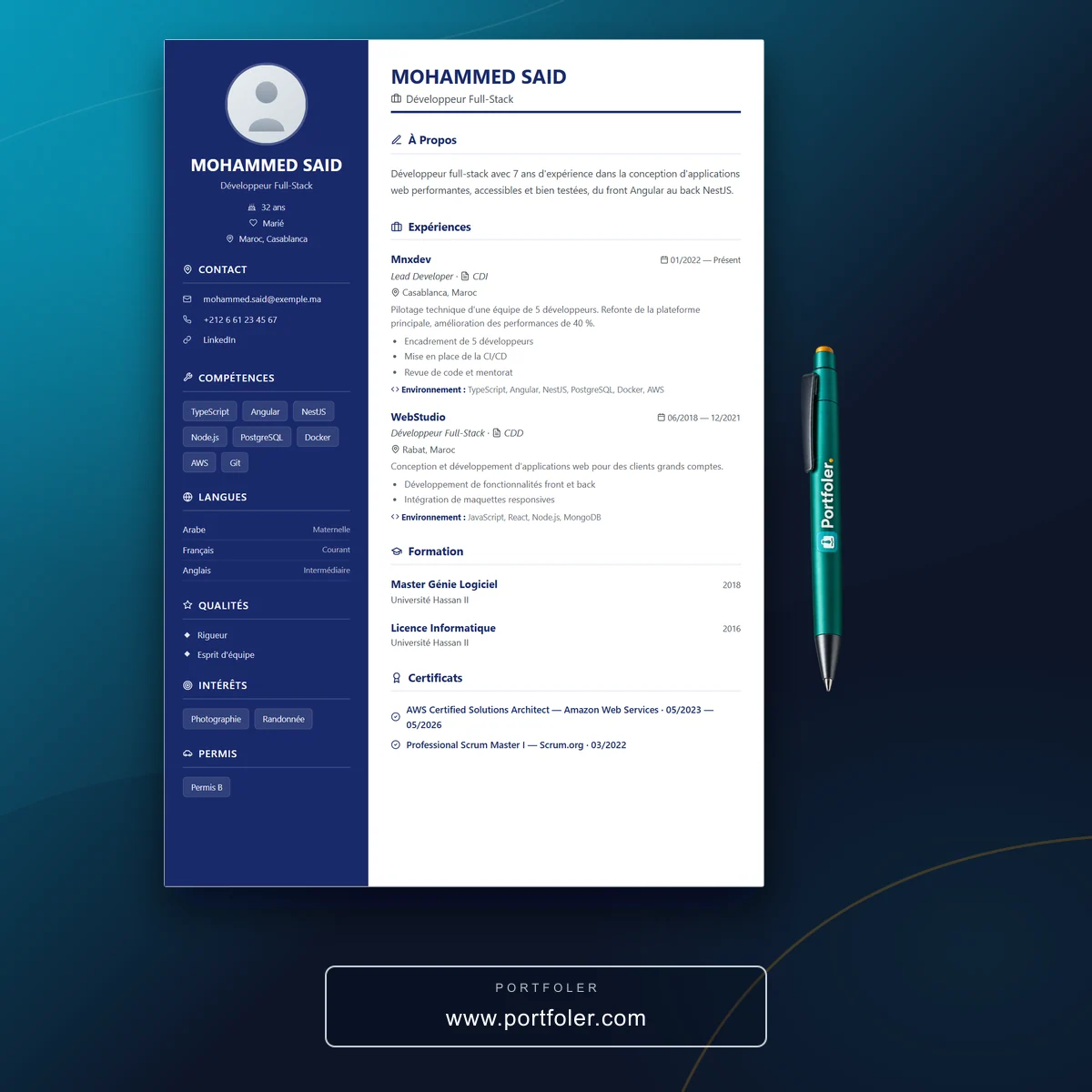
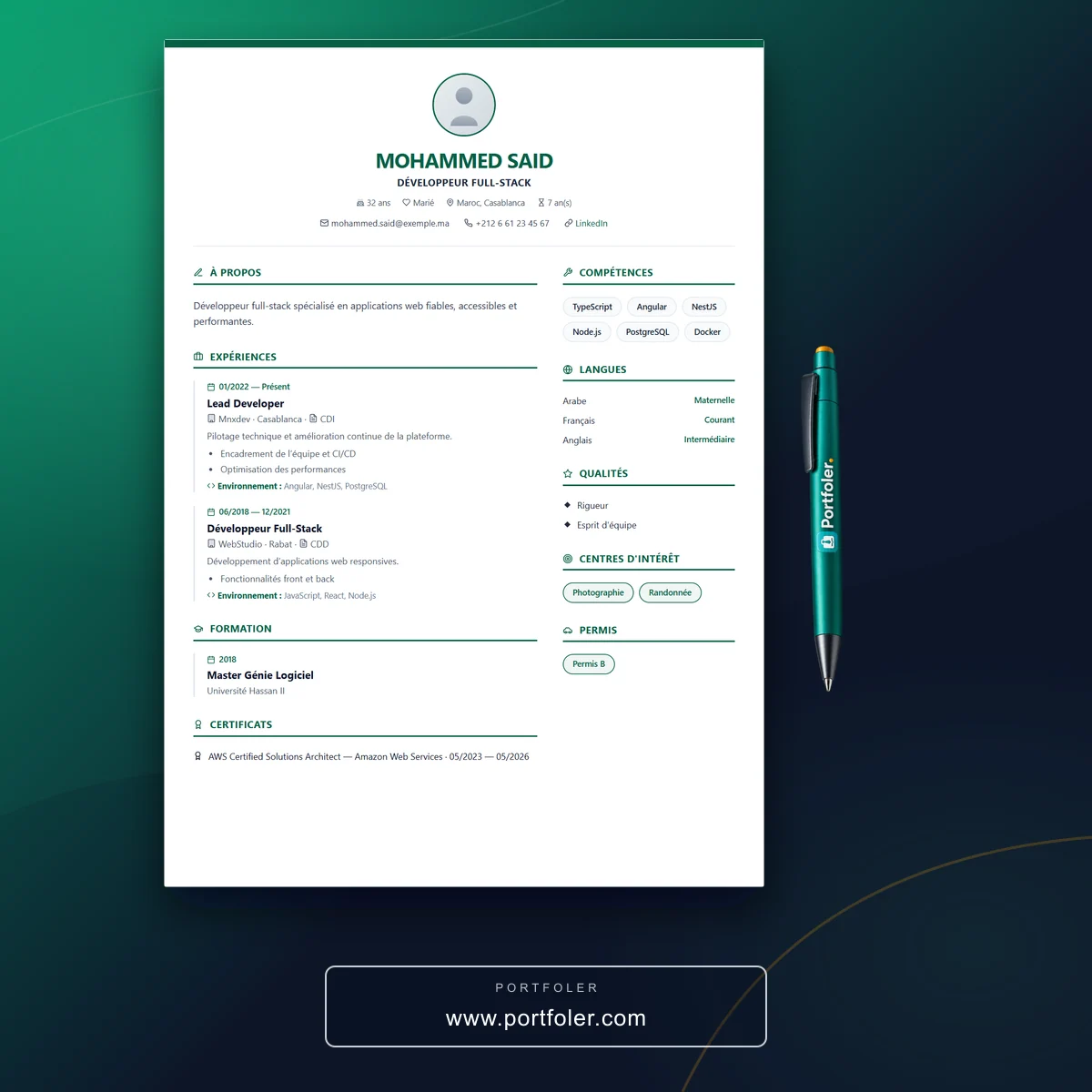
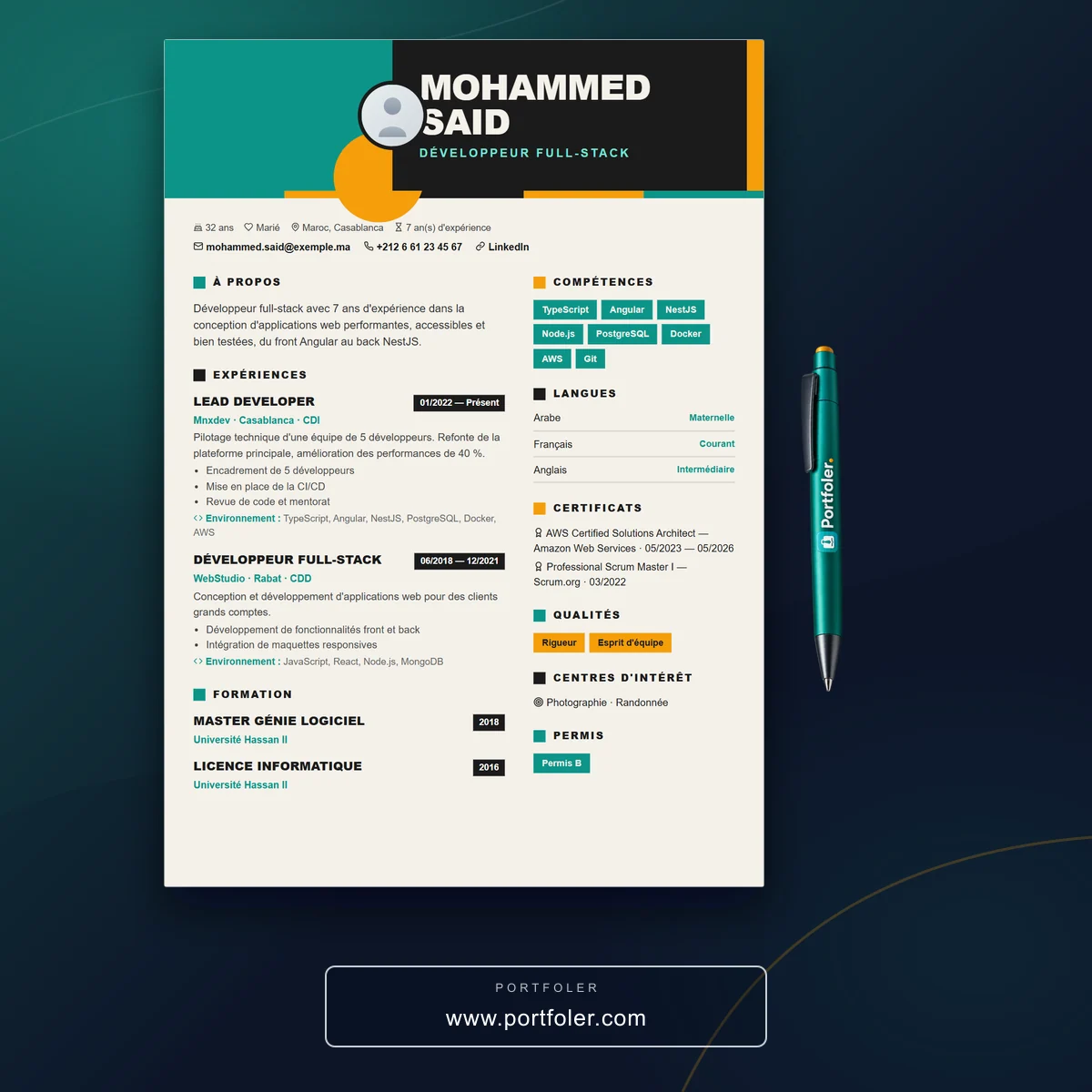
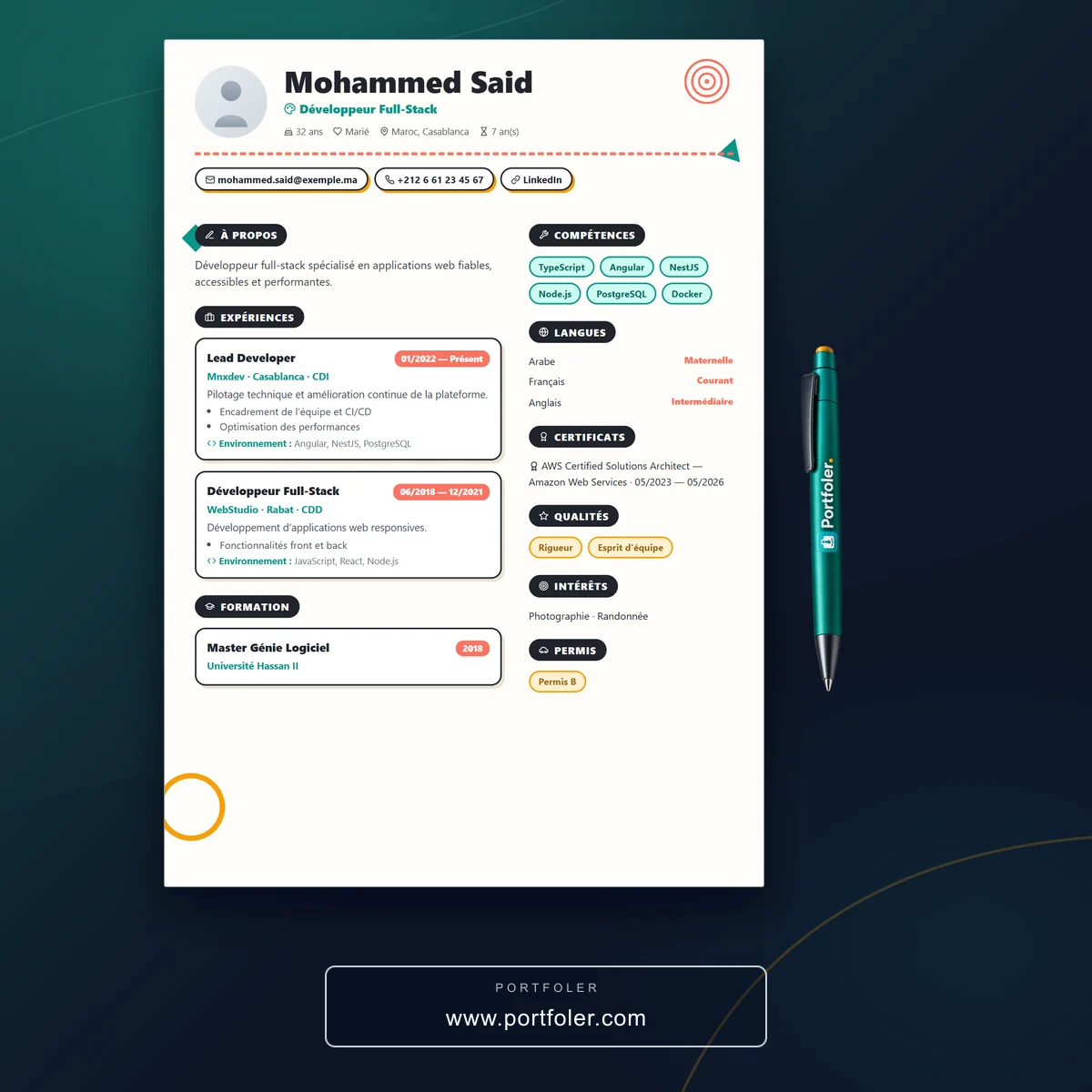
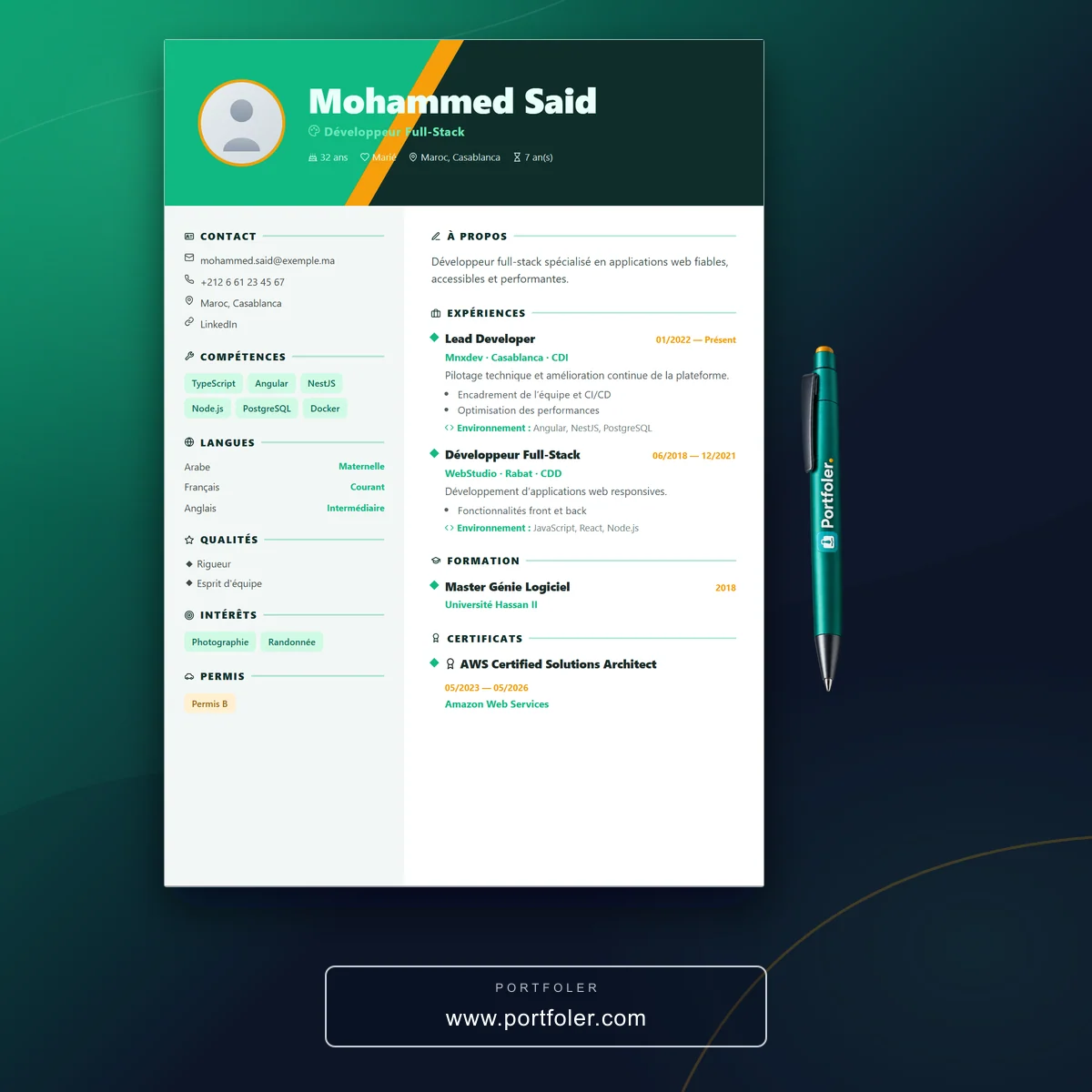
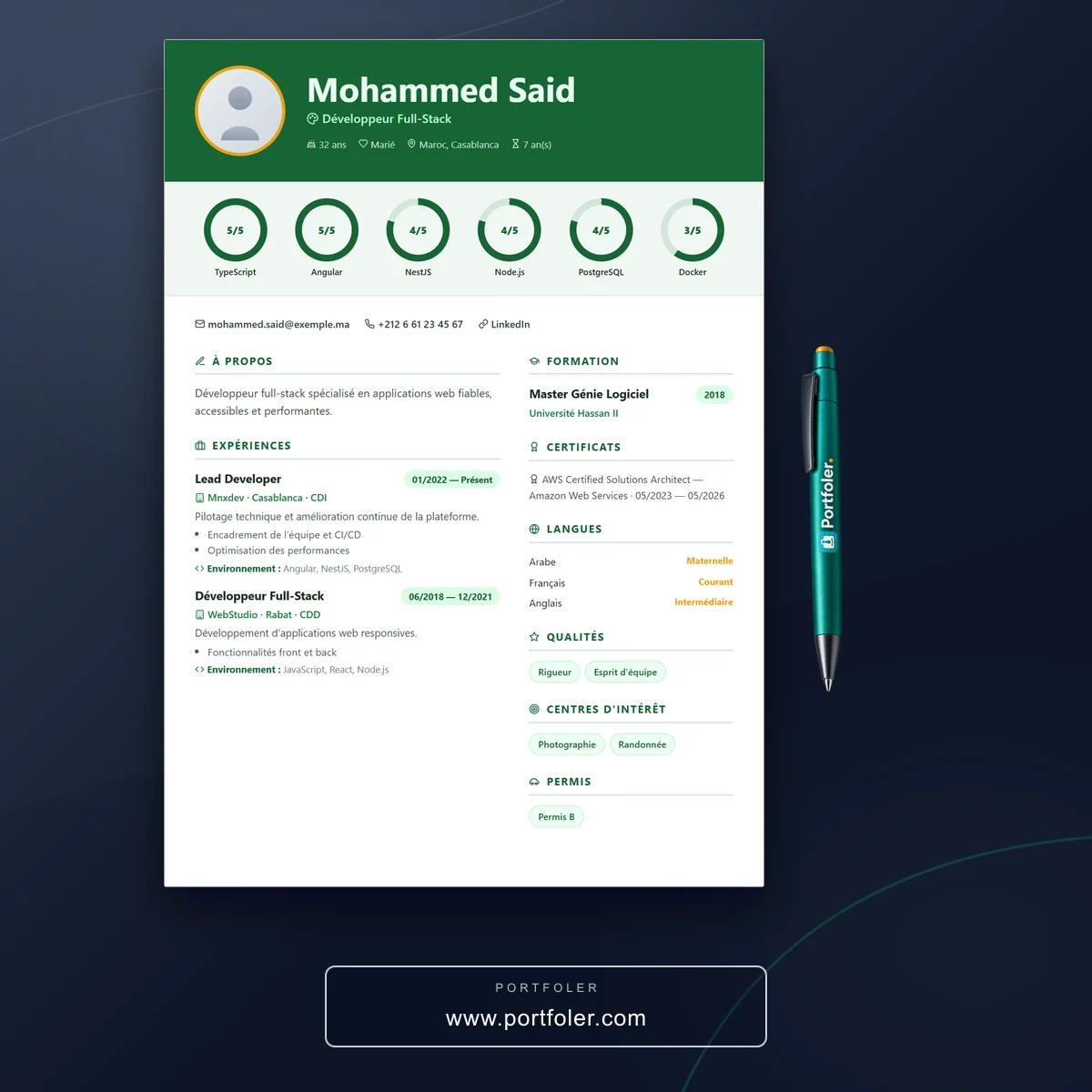
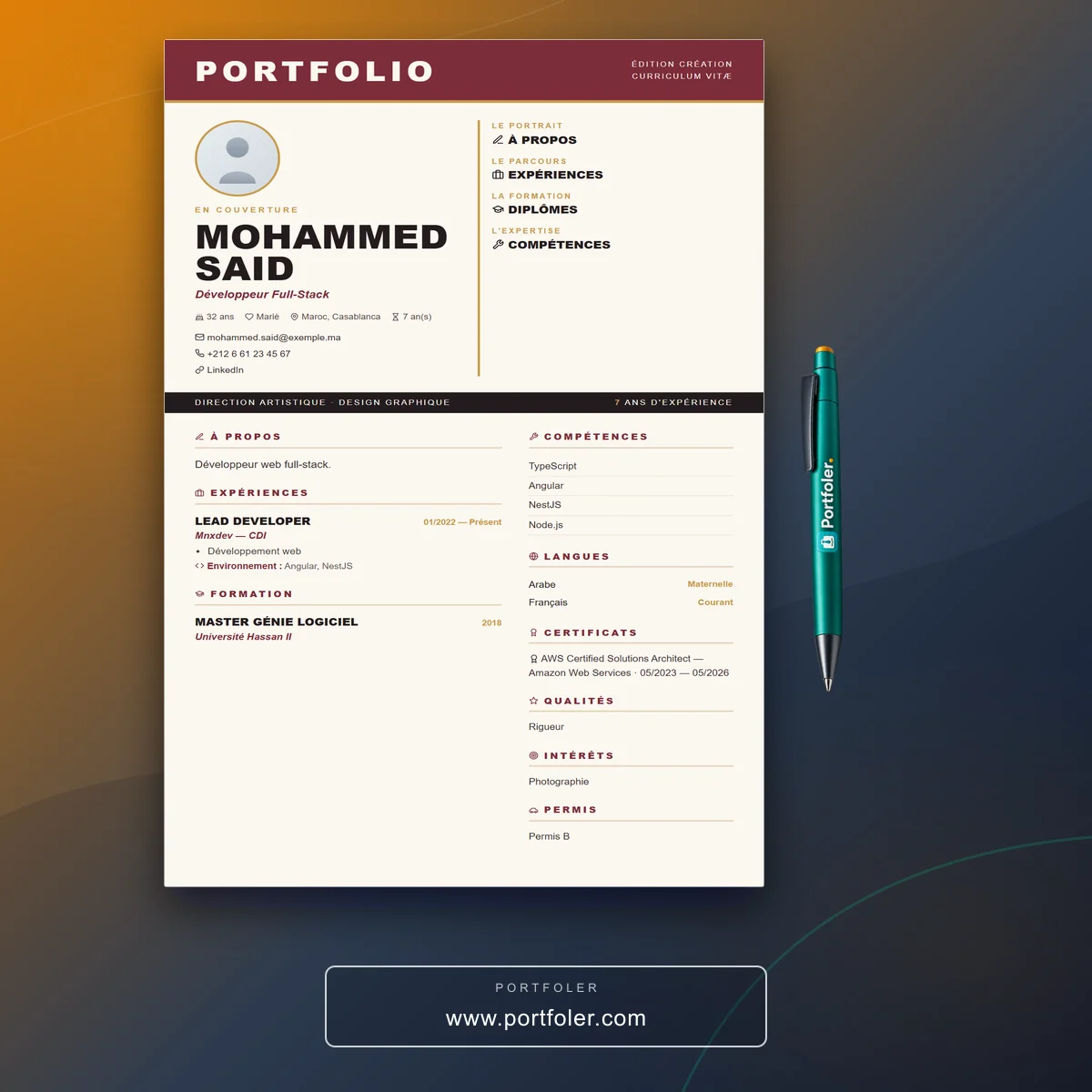
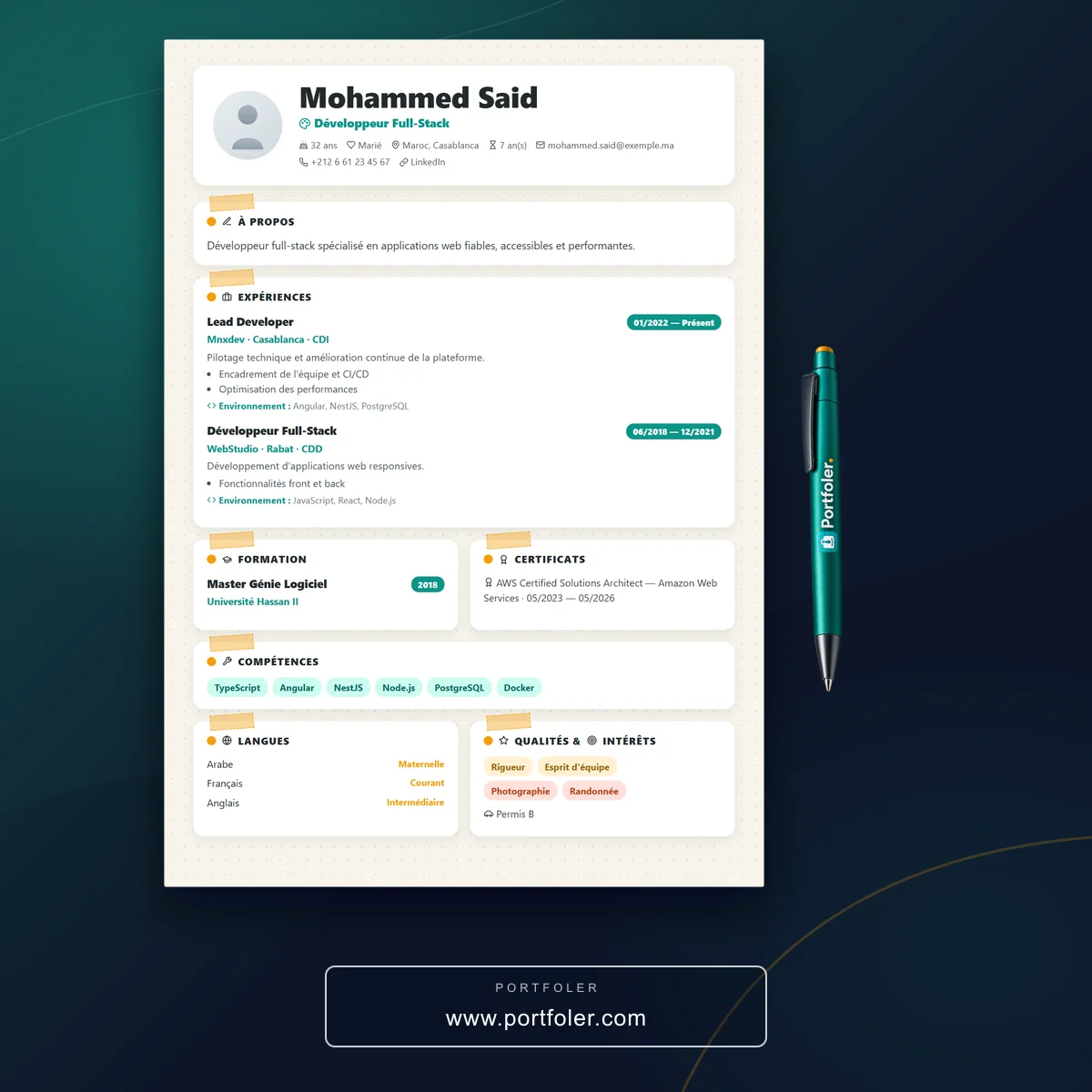
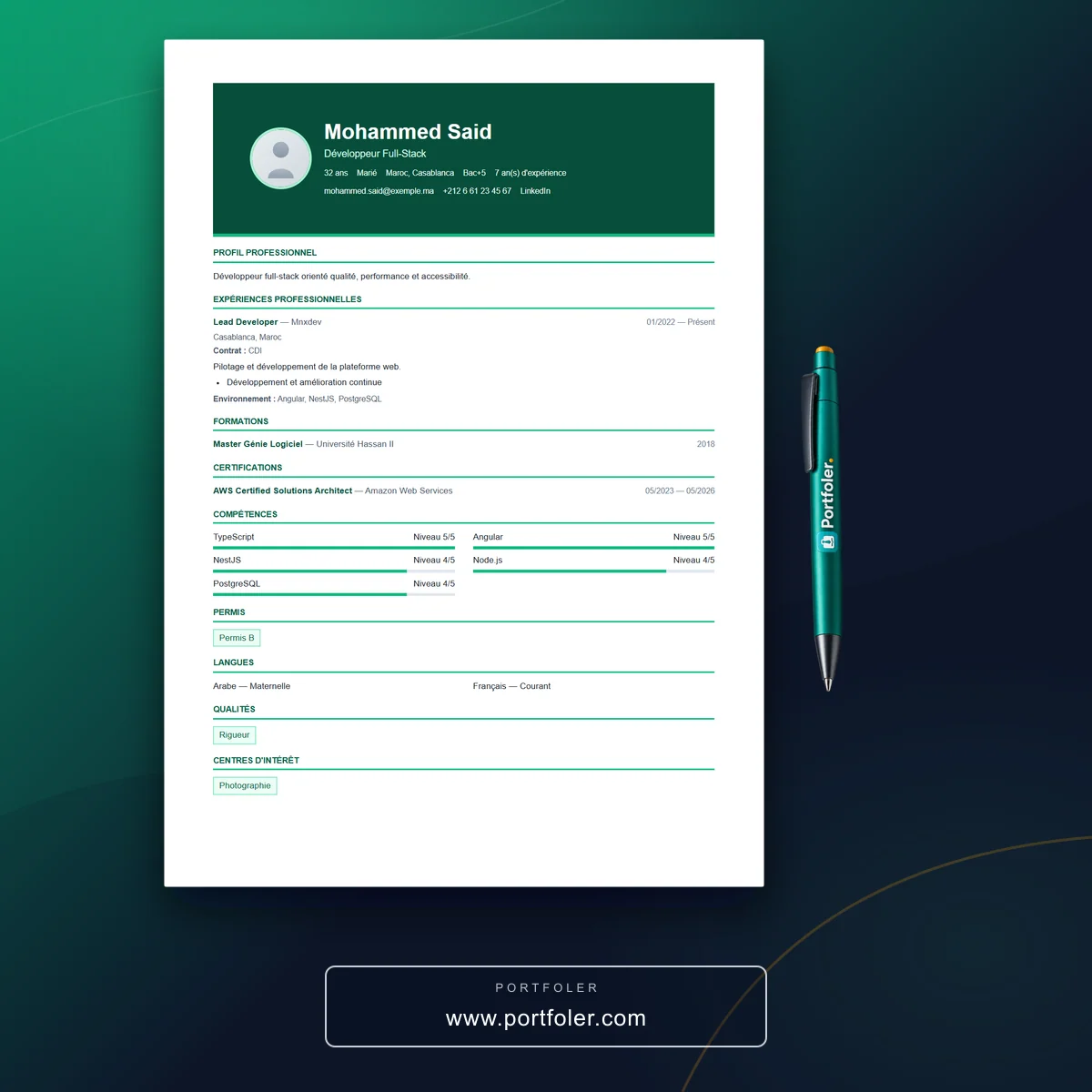
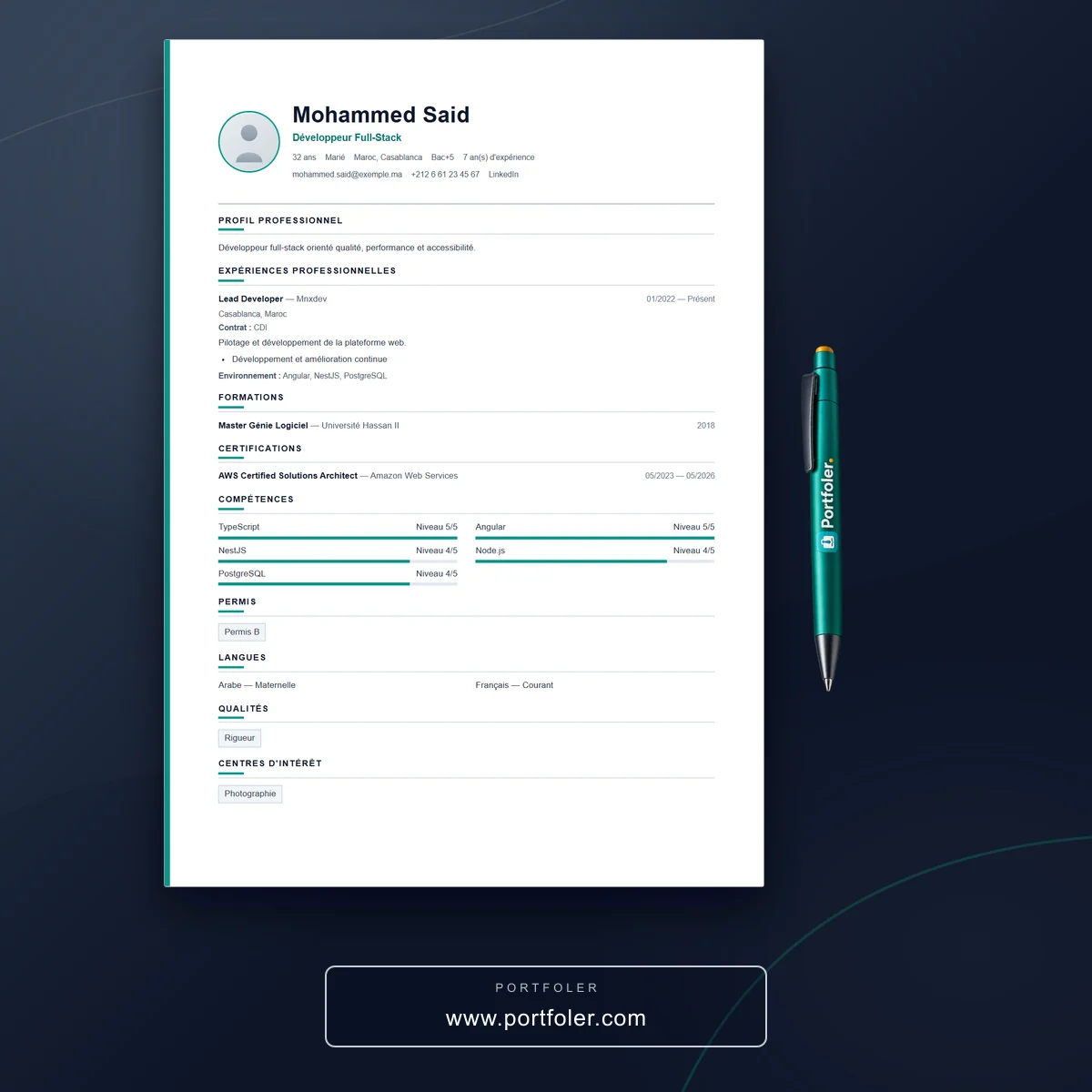
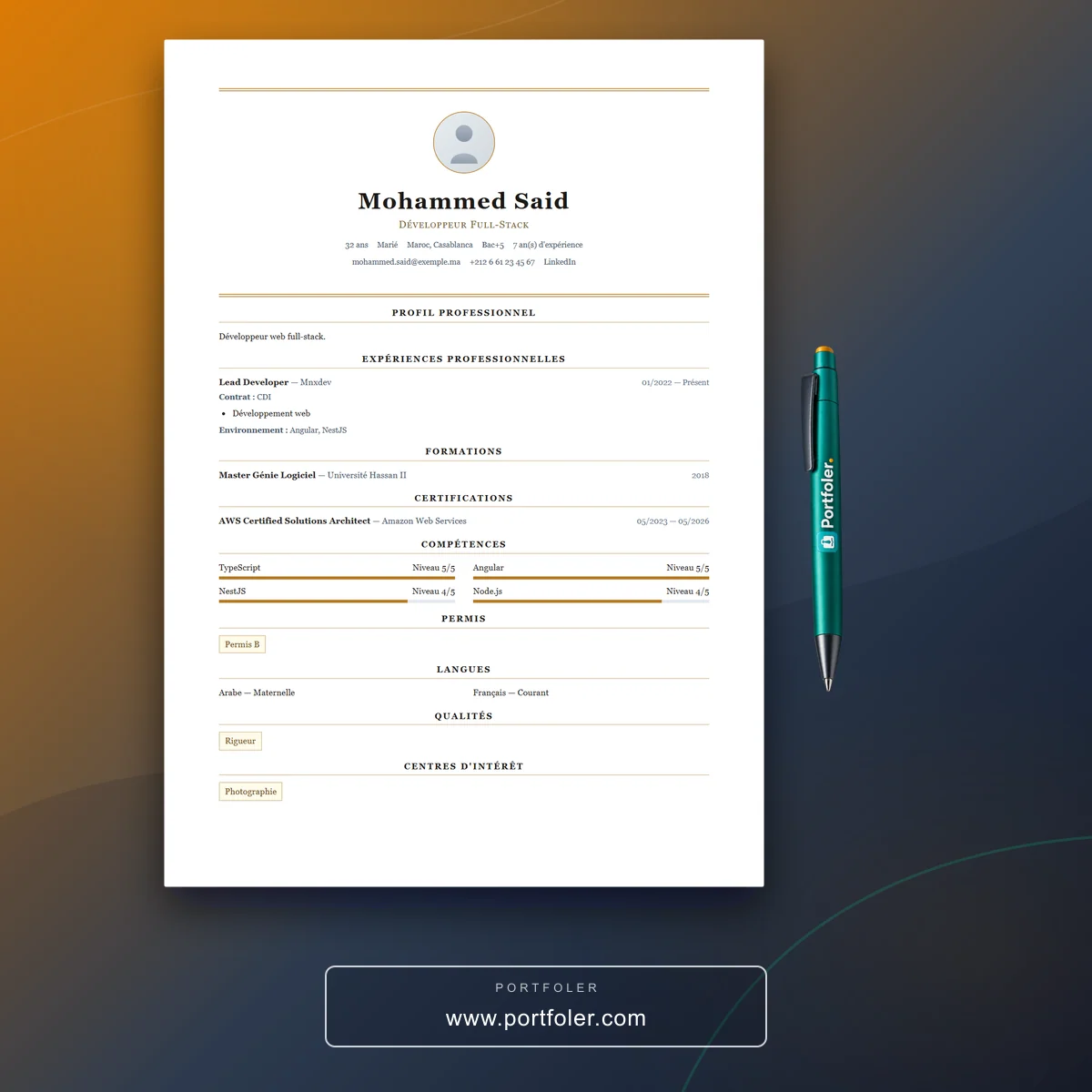
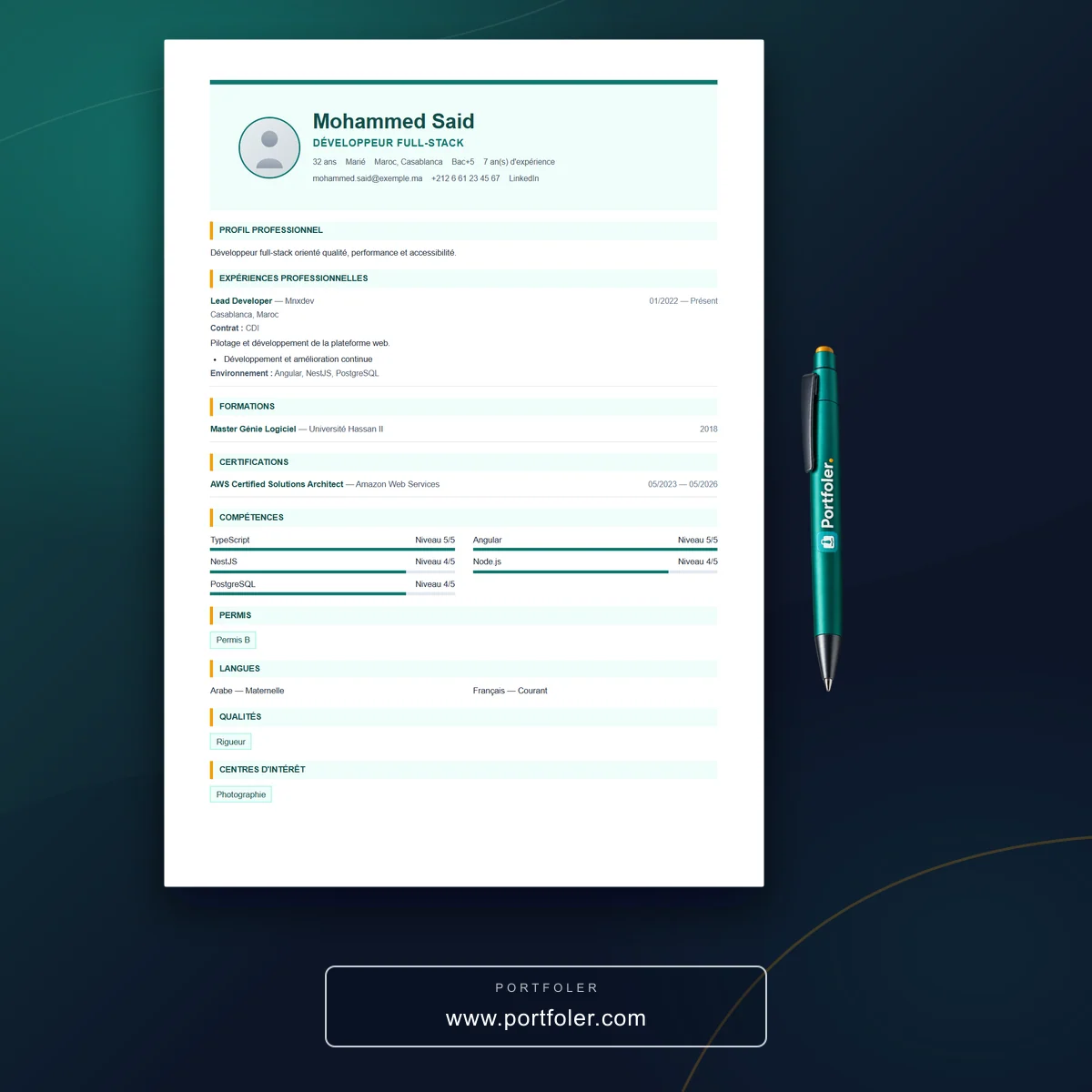
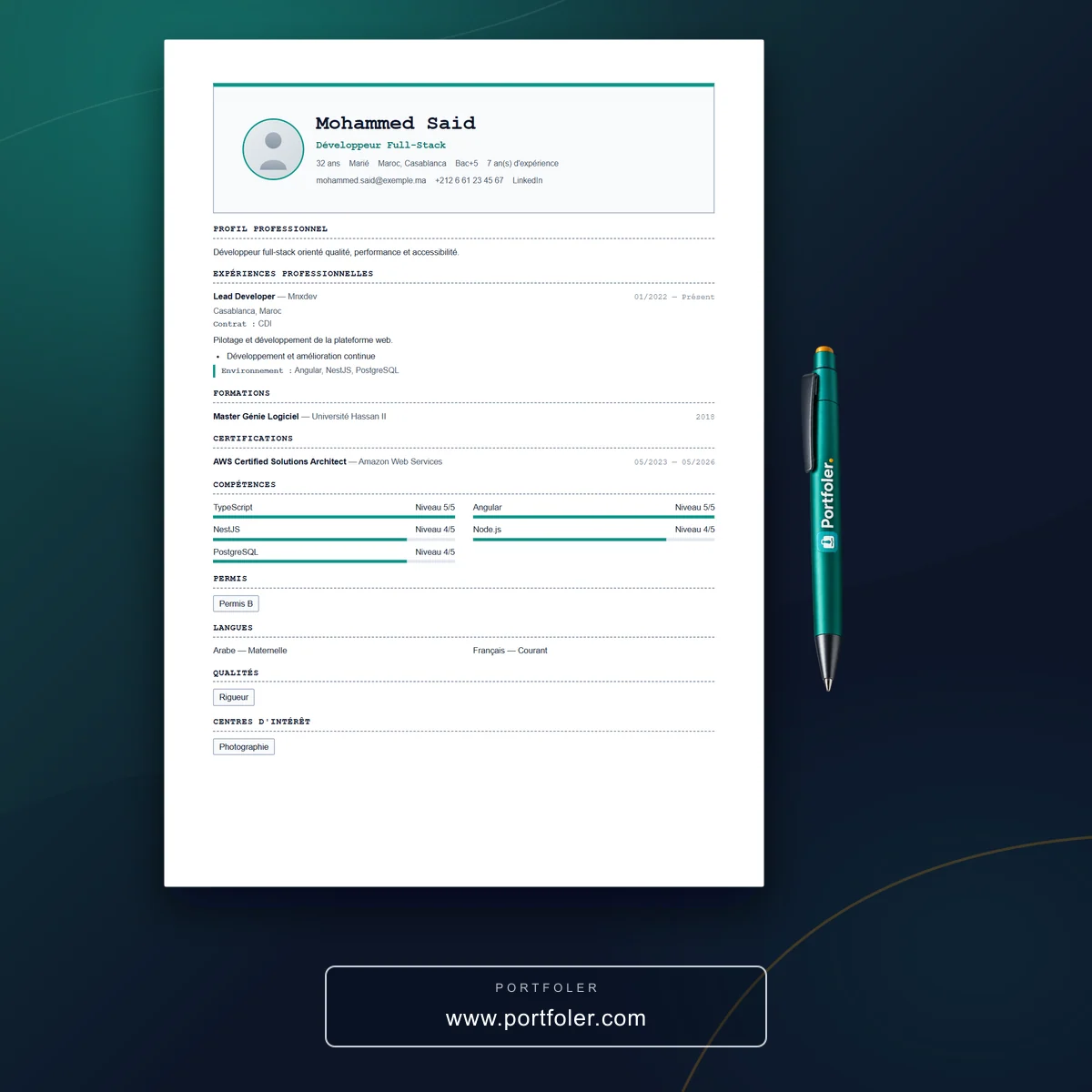
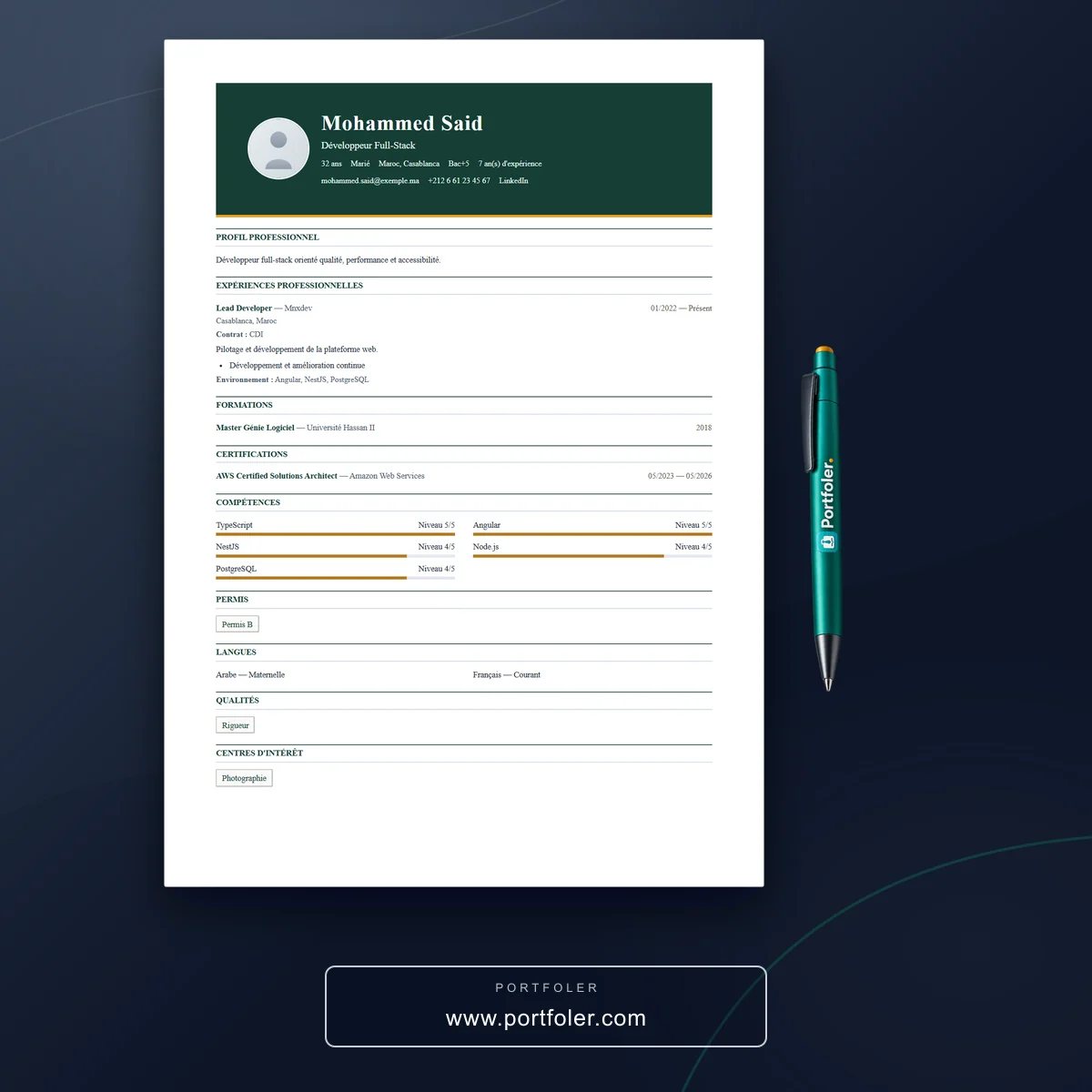
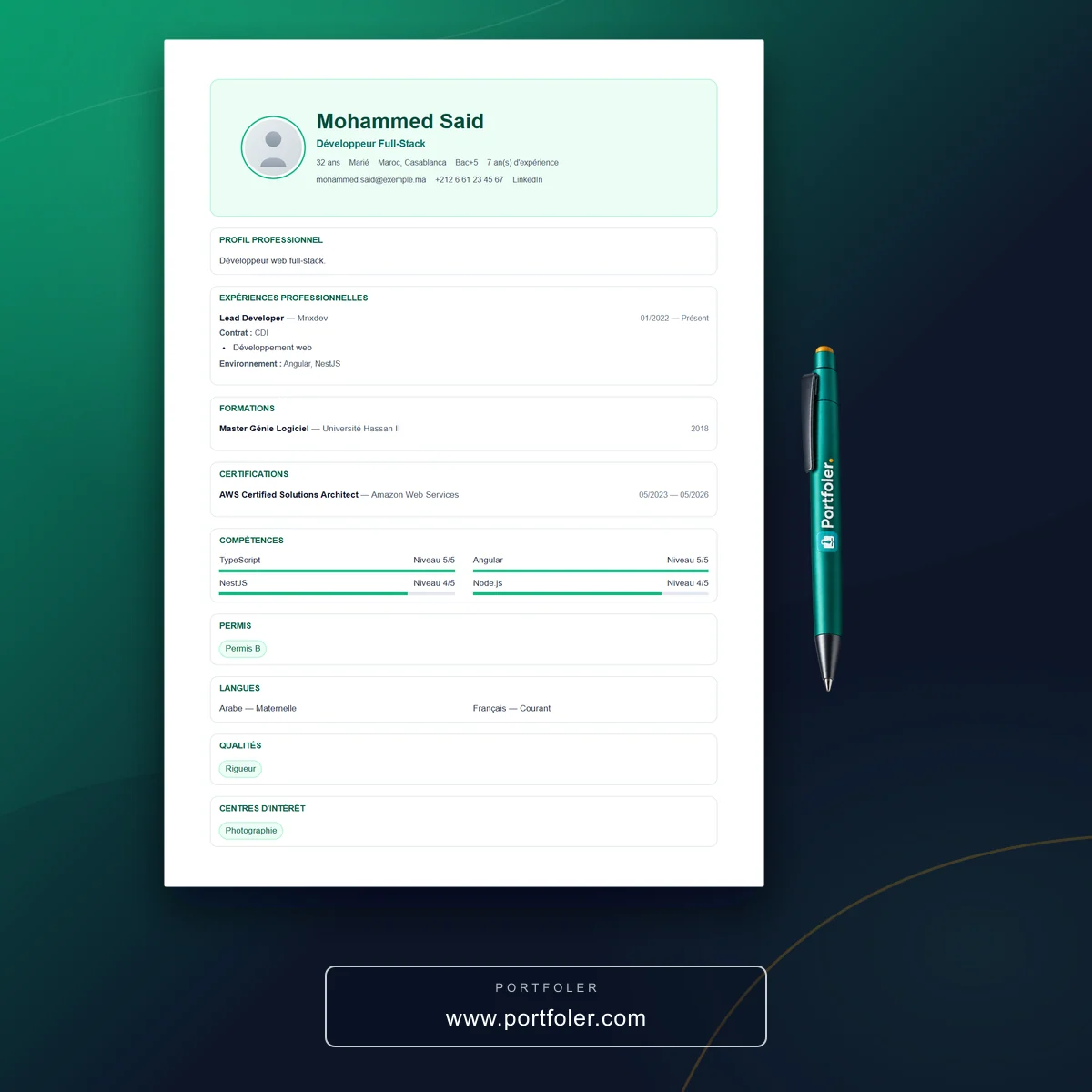
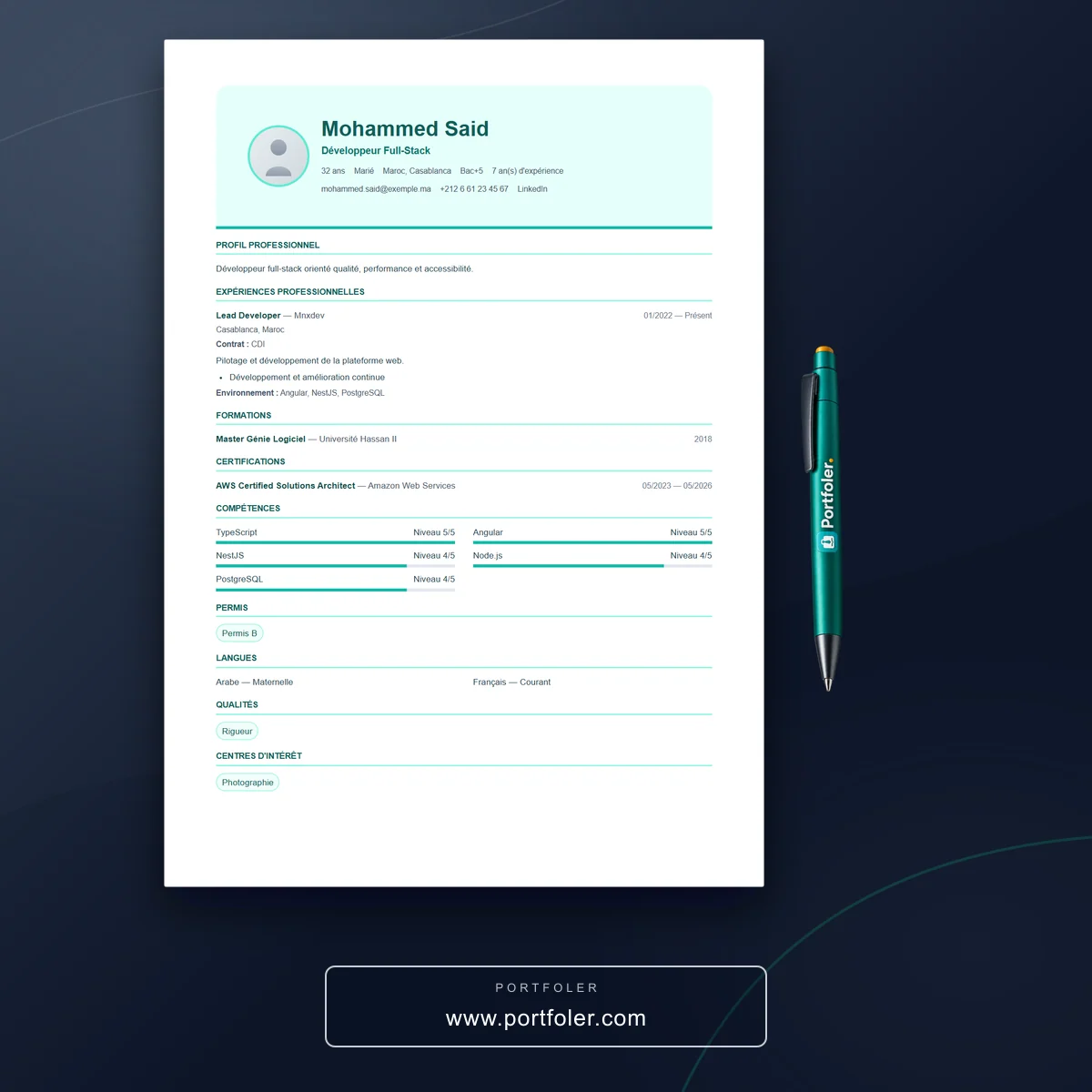
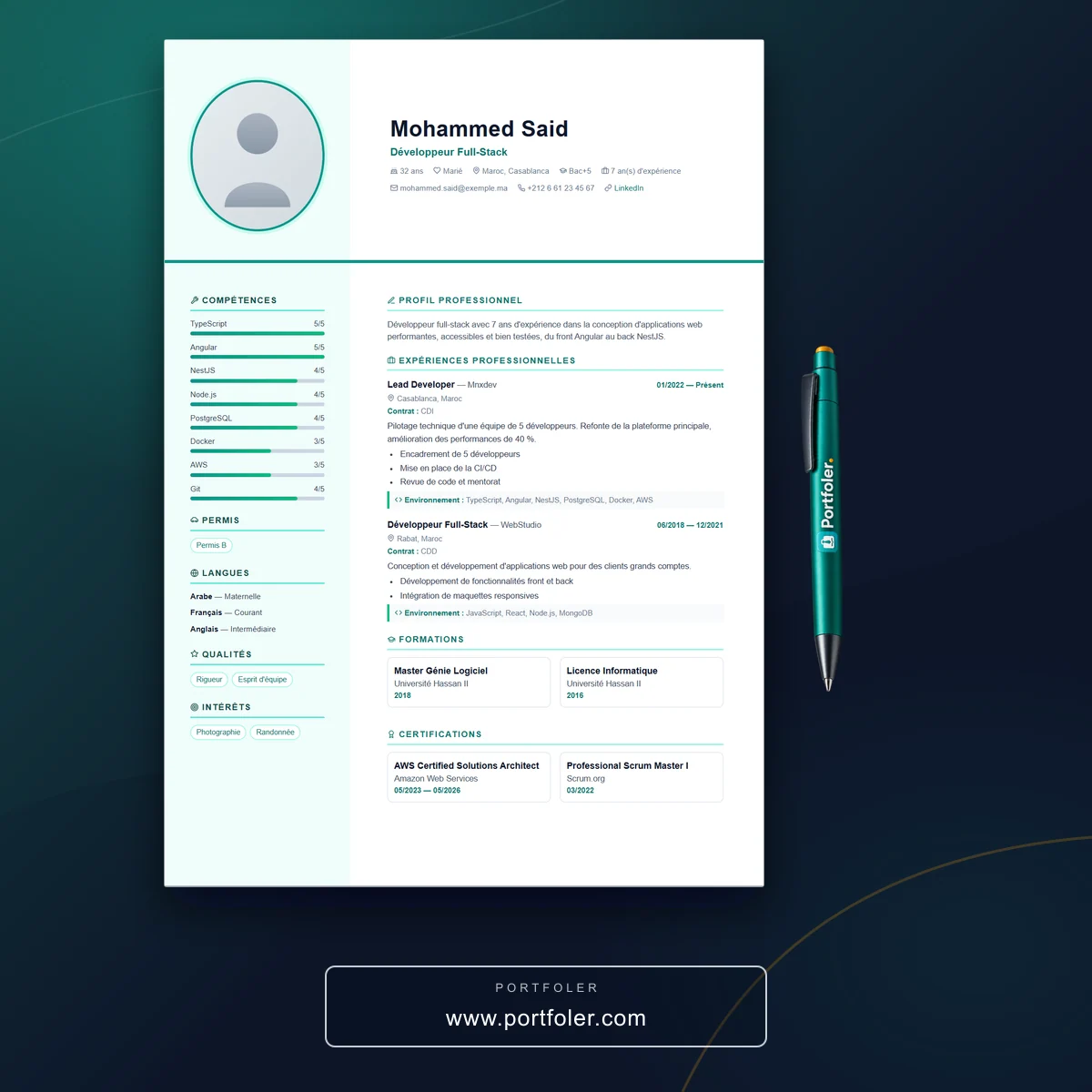
A student CV that makes up for limited experience
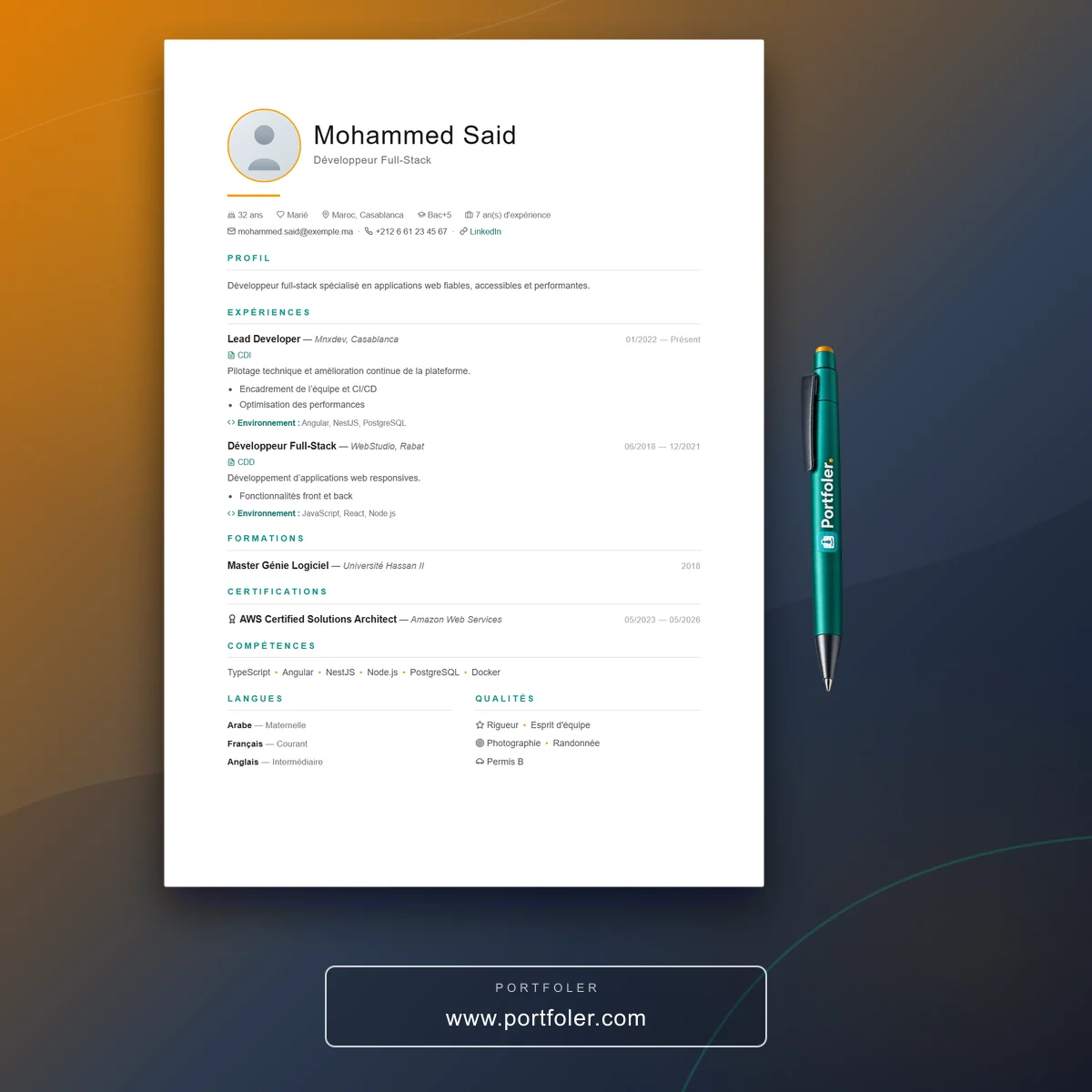
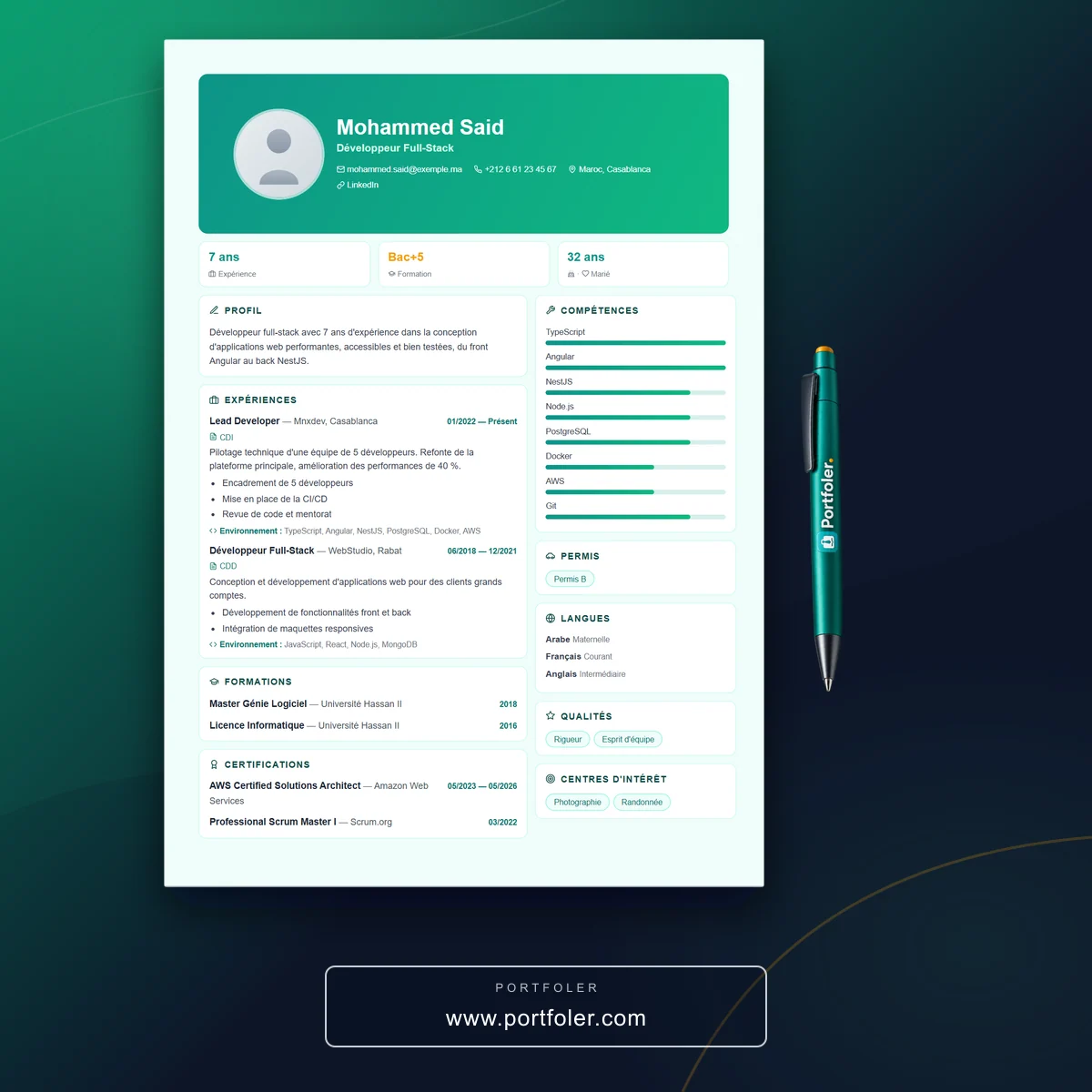
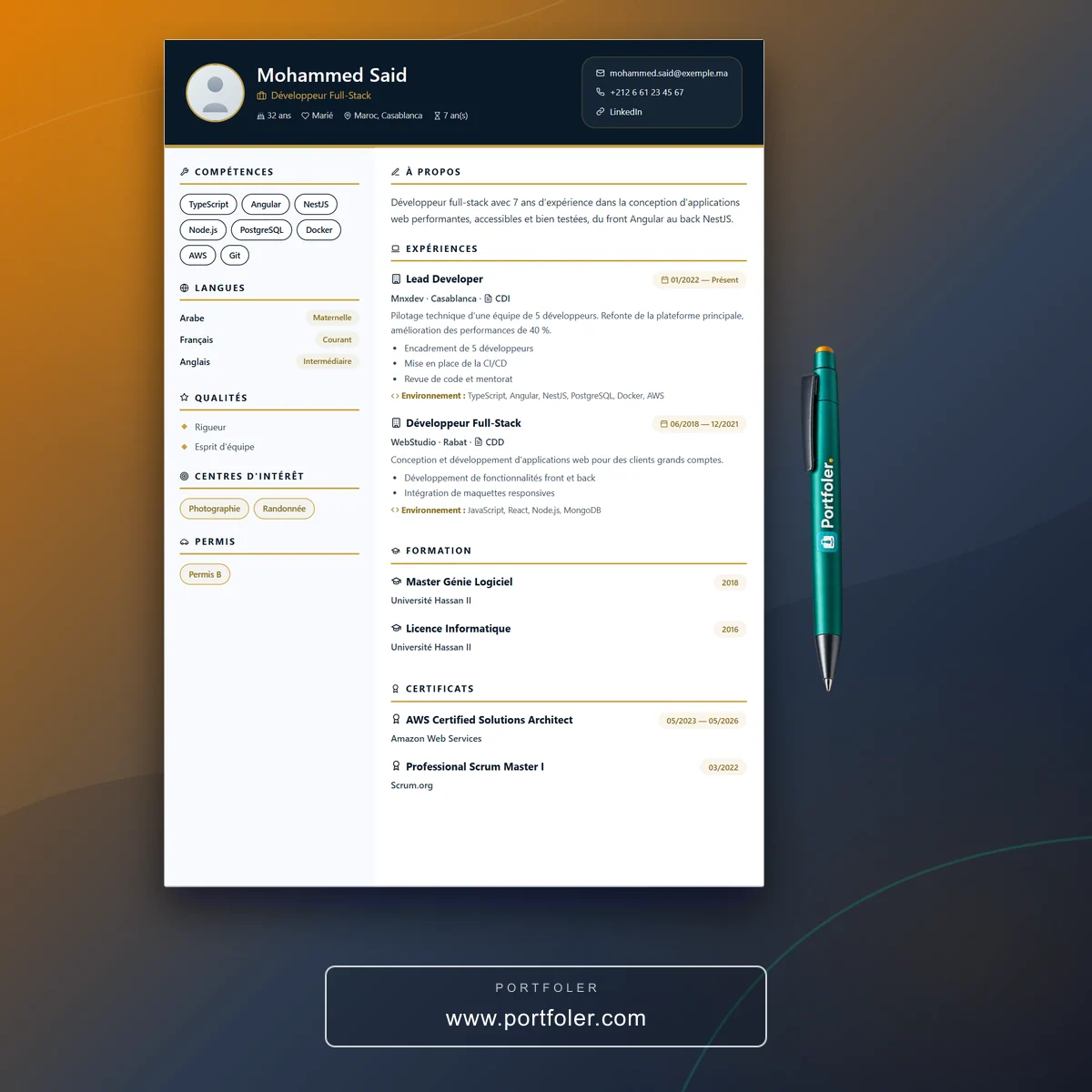
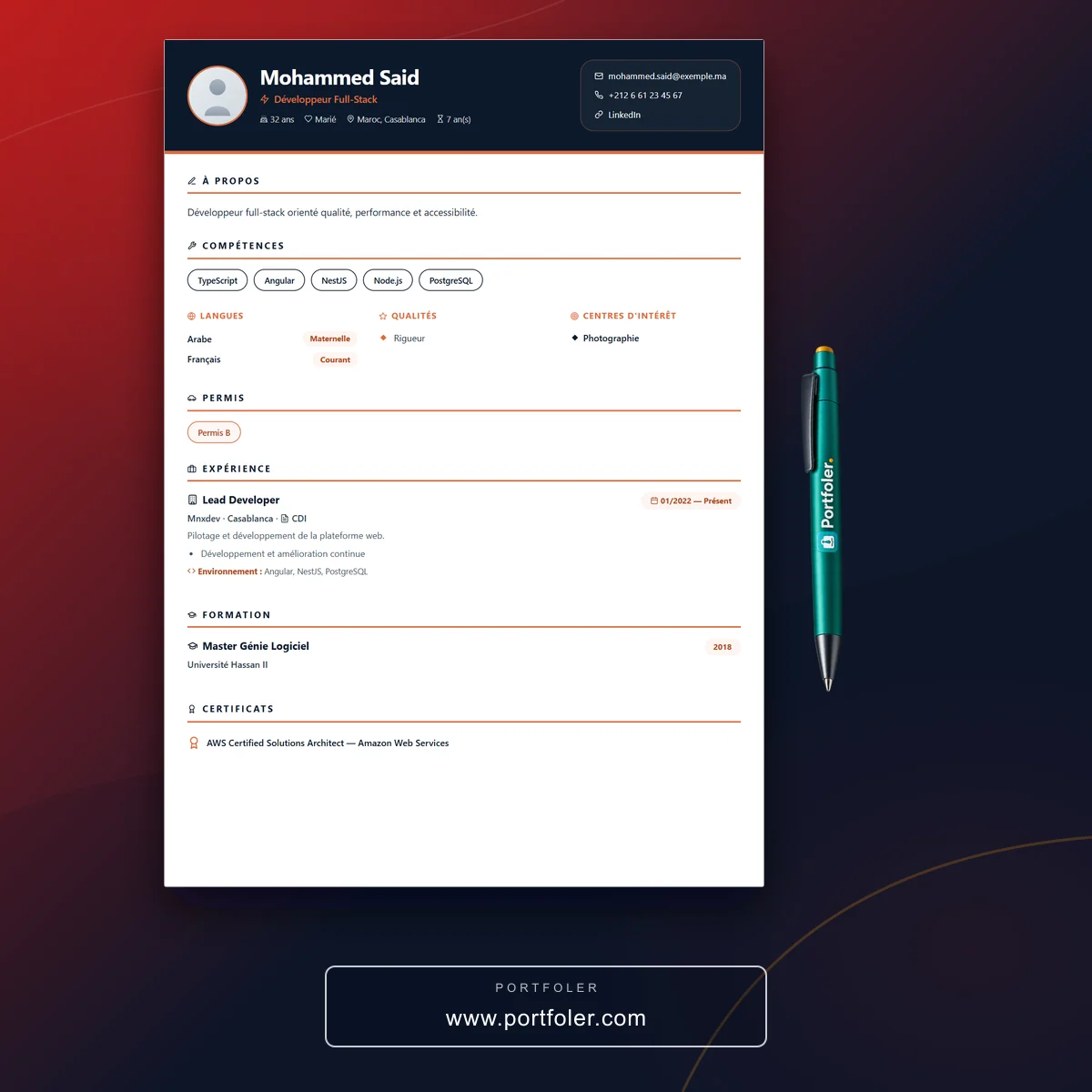
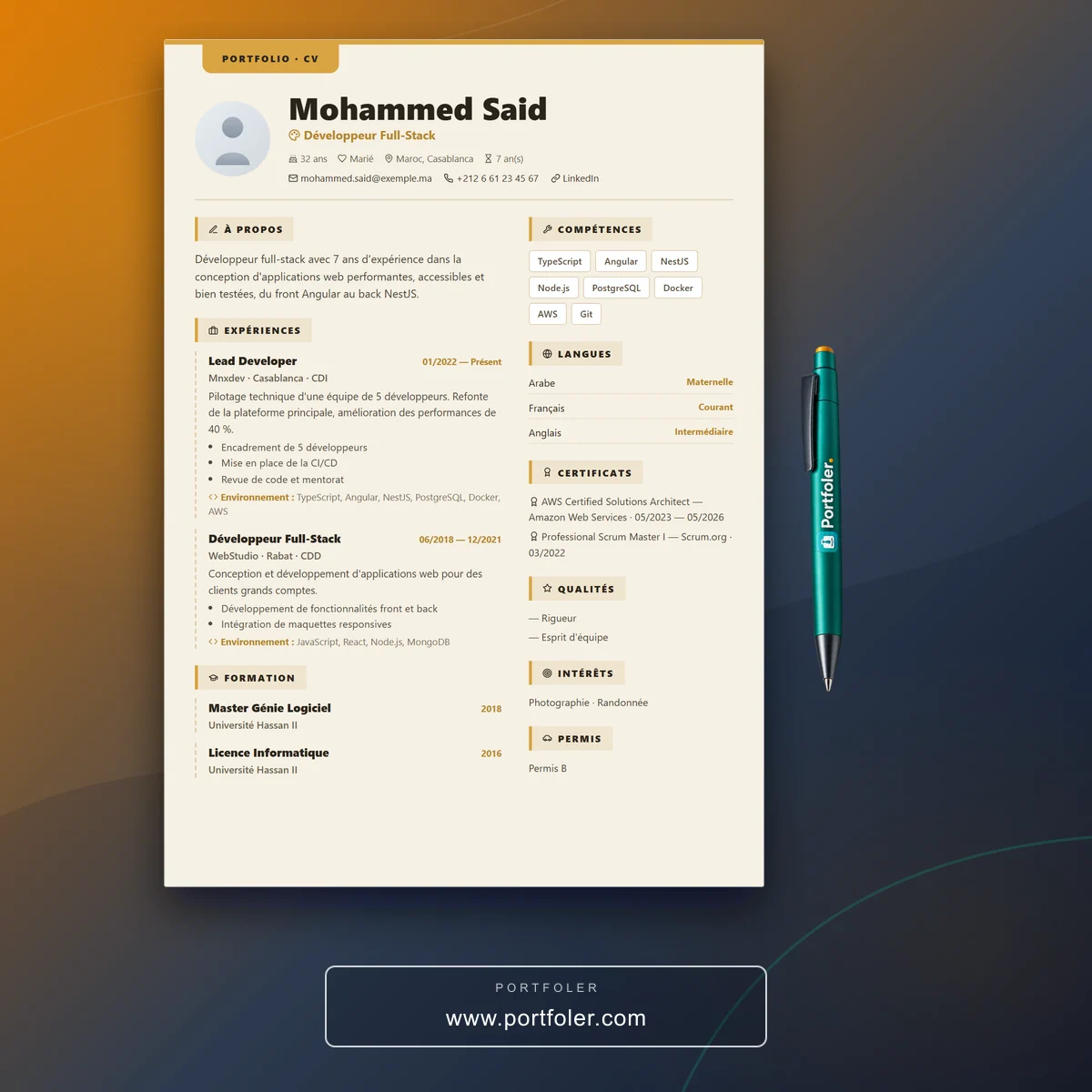
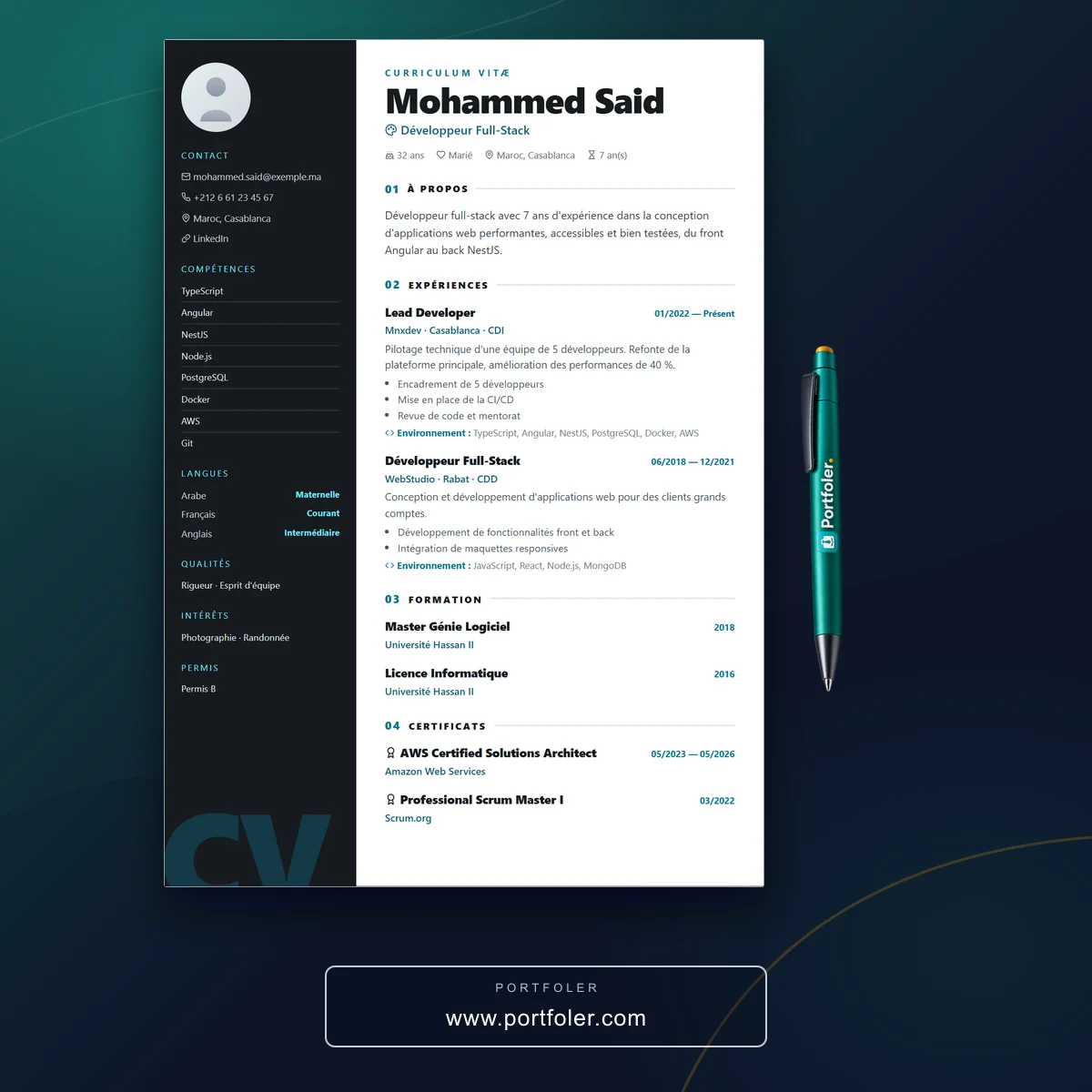
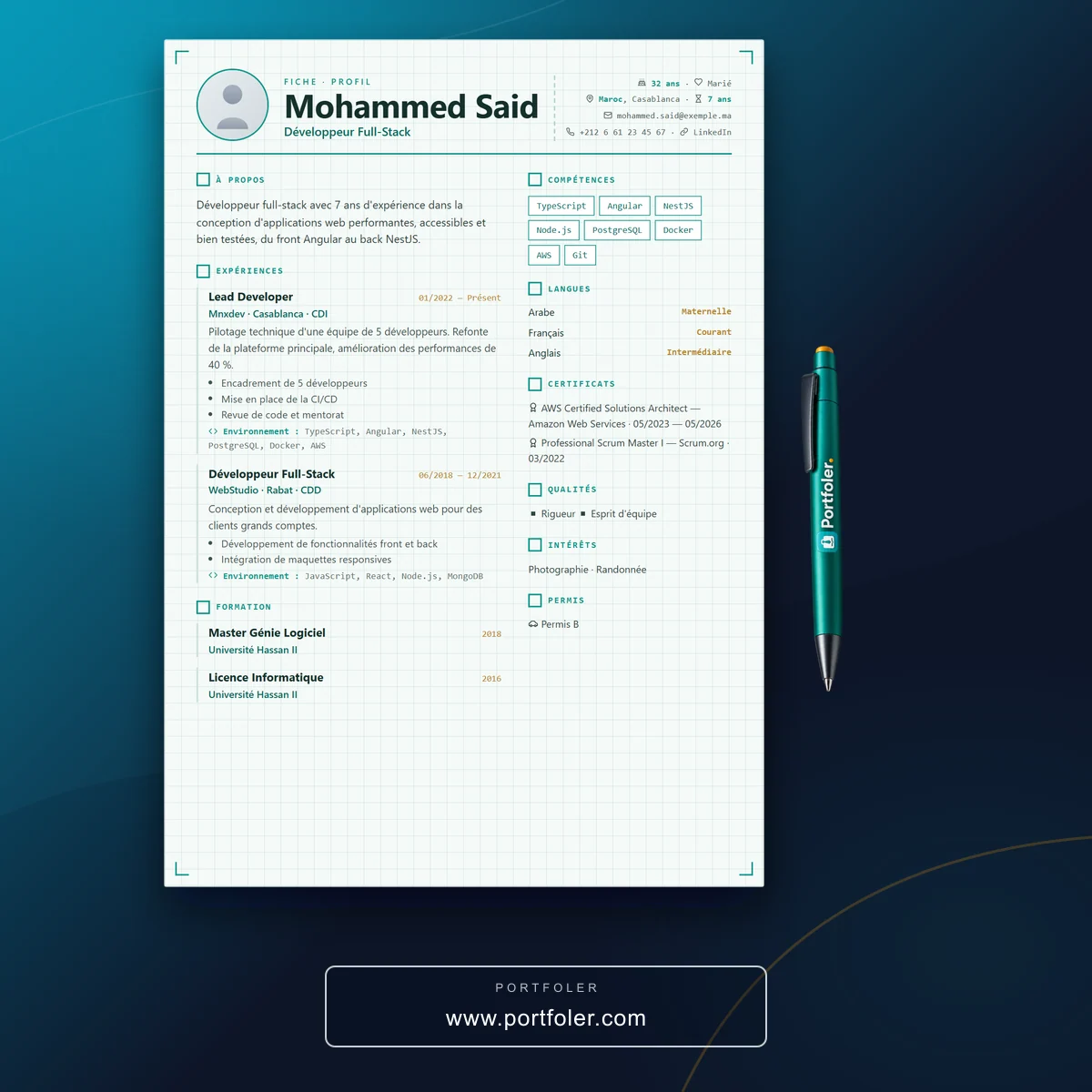
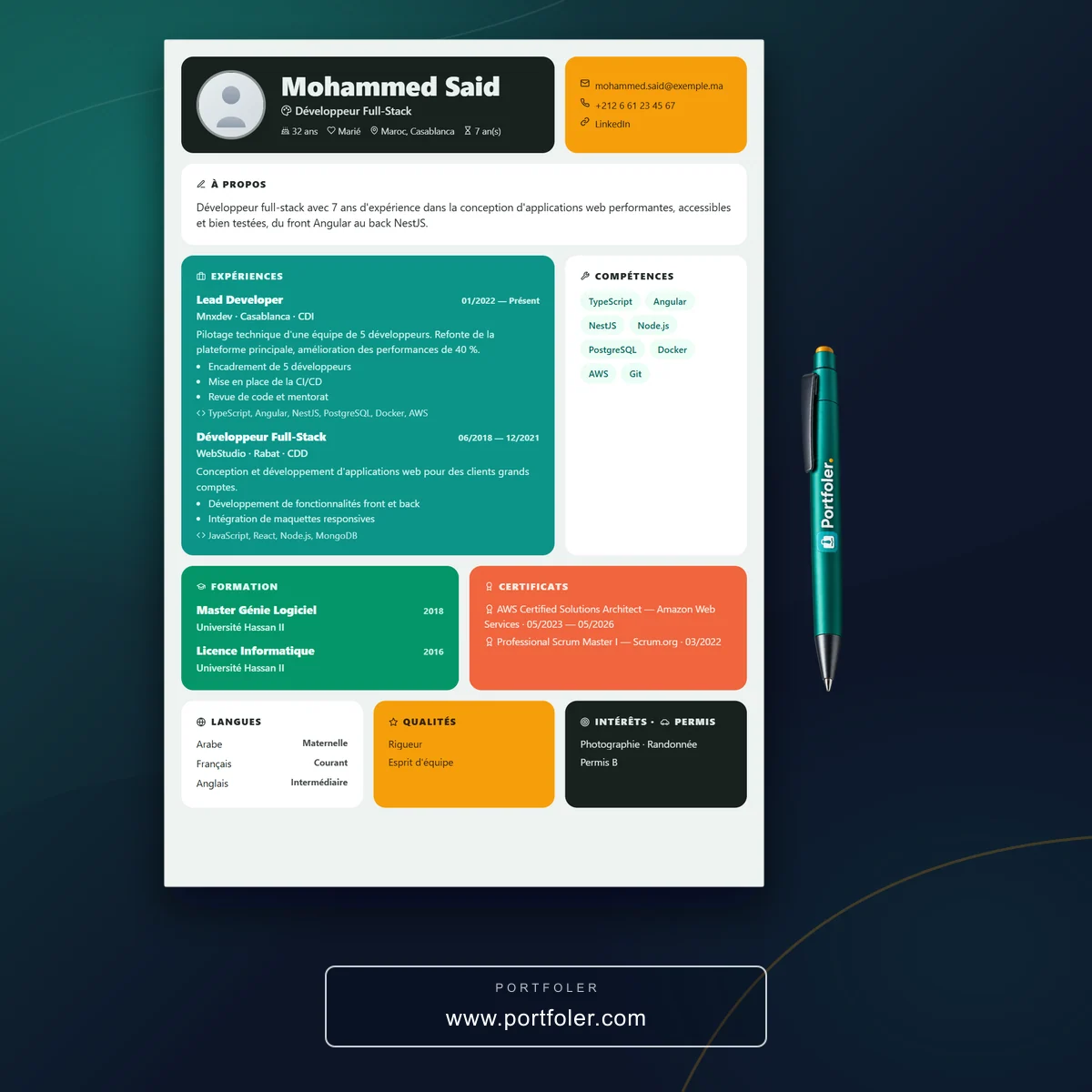
You don't have ten years of experience, and nobody expects you to. Your CV has to prove just one thing: that you'll be useful quickly.
- A goal-oriented headline: "First-year Master's student in digital marketing, seeking a 6-month internship starting in February to run acquisition campaigns."
- Education at the top, with the courses and projects directly related to the role.
- Your projects, student jobs and volunteer work are real experience: describe them by their results ("organized a 300-attendee forum", "handled checkout and customer service on weekends").
- Targeted skills: tools, software, languages with an honest level.
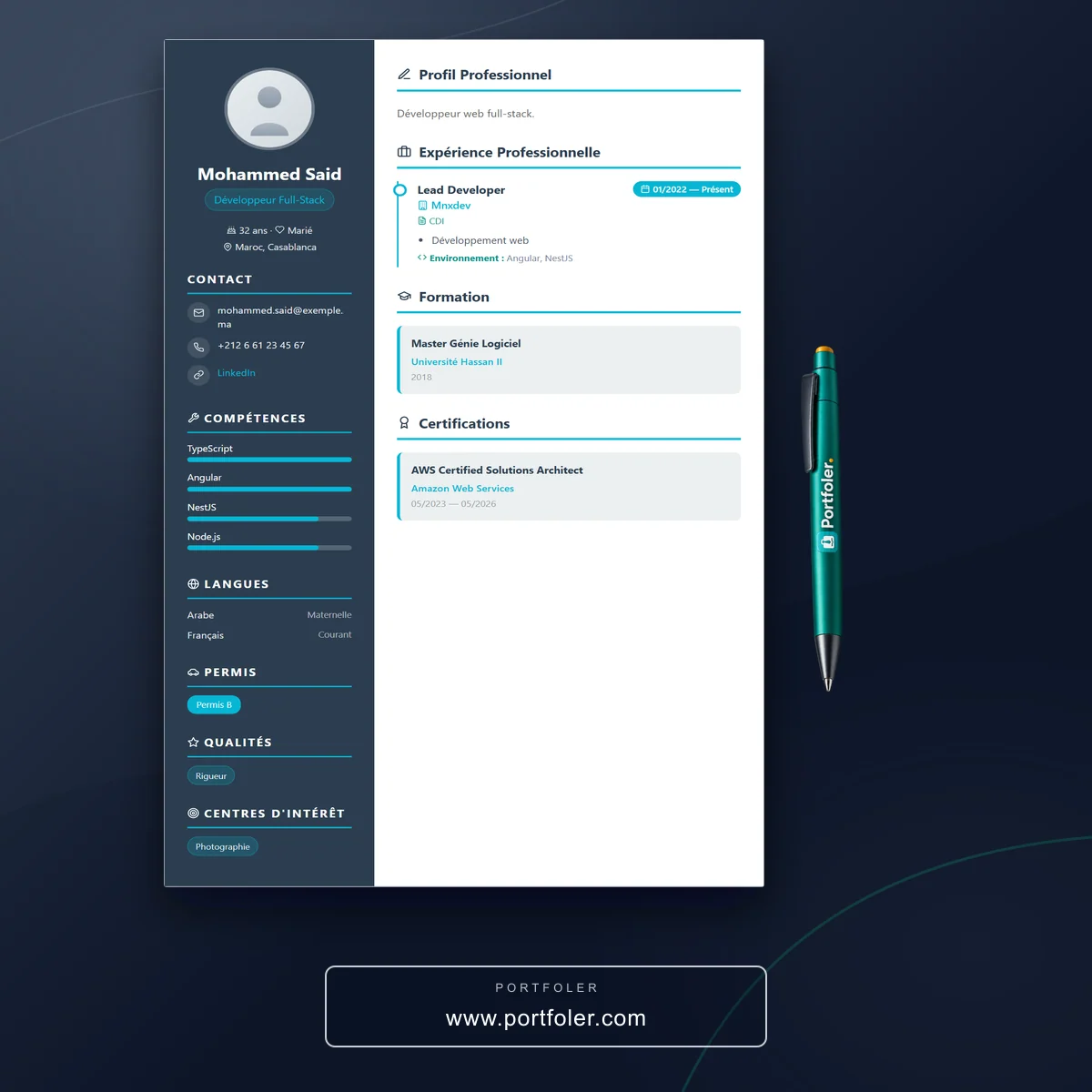
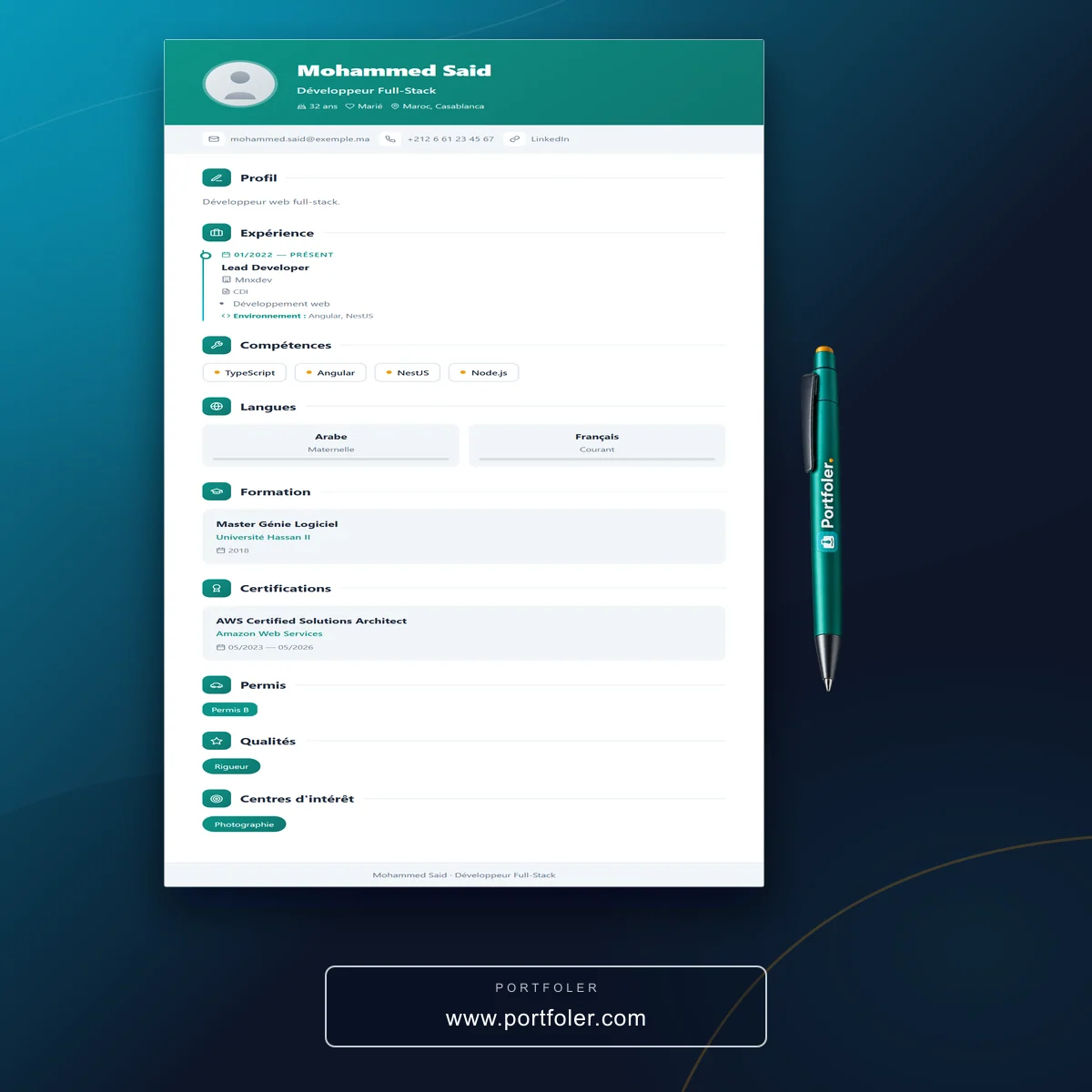
- One page, in a format applicant tracking systems (ATS) can read: no complex columns, no text inside images.
Tailor your headline and the order of your skills to each offer. Ten minutes of customization beats ten generic applications.
Show what you can do, don't just say it
"Rigorous, curious, motivated": every student writes it. What sets you apart is proof.
- Add a link to your online profile and your portfolio in your CV.
- Pick two or three projects (academic, personal, volunteer) and for each one present the context, your role and the result.
- Code, a mockup, a case study, a campaign: a recruiter who sees your work no longer has to take your word for it.
The channels that actually work
Published offers are only part of the internships available. Open as many doors as you can.
- Your school or university: career services, corporate relations, job fairs, offers reserved for students.
- Cold applications: many internships are created because a relevant profile showed up at the right time.
- Your network: alumni, teachers, former interns at the target company, people around you. A simple "could you pass on my CV?" often opens more doors than any platform.
- Platforms and job boards: useful, but highly competitive. Don't rely on them alone.
The cold application that gets a reply
An effective cold application is short, personalized and addressed to a real person, ideally your future manager rather than a generic inbox.
A five-sentence structure:
- Who you are: program, year, specialization.
- What you're looking for: type of internship, length, dates.
- Why them: a project, a product or a company value that genuinely resonates with you.
- What you bring: a skill or project directly tied to their needs.
- The call to action: suggest a fifteen-minute conversation.
If you hear nothing after seven to ten days, follow up once, politely, with something new (a finished project, a confirmed start date). A follow-up isn't pushiness: it's proof of motivation.
Prepare for the internship interview
The recruiter knows you're starting out. Above all, they assess your ability to learn, your reliability and your genuine interest in the company.
- Prepare a 60-second pitch: your background, what you can do, what you want to learn with them.
- Anticipate the classic questions: "Why our company?", "Tell me about a project you're proud of", "What's an area you want to improve?".
- Tell your project stories with the STAR method: situation, task, action, result.
- Prepare two or three questions about the tasks, the team and how interns are supported.
- Learn the rules in your country: internship agreement, maximum length, stipend. An informed student inspires confidence.
Run your search like a project
Looking for an internship is a project in its own right, with a schedule and metrics.
- Start early: three to four months before the start date, six months for a long or international internship.
- Keep a tracking sheet: company, contact, date sent, follow-up, status.
- Set a realistic pace: five to ten targeted applications a week rather than fifty in one evening.
- Analyze your results: lots of applications and no replies means your CV or targeting needs work; interviews but no offer means your preparation does.
In short
Landing a good internship rests on four pillars: a clear target, a results-driven student CV, concrete proof of what you can do, and an organized search across several channels. Fewer applications, better built: that's the method that turns silence into interviews.
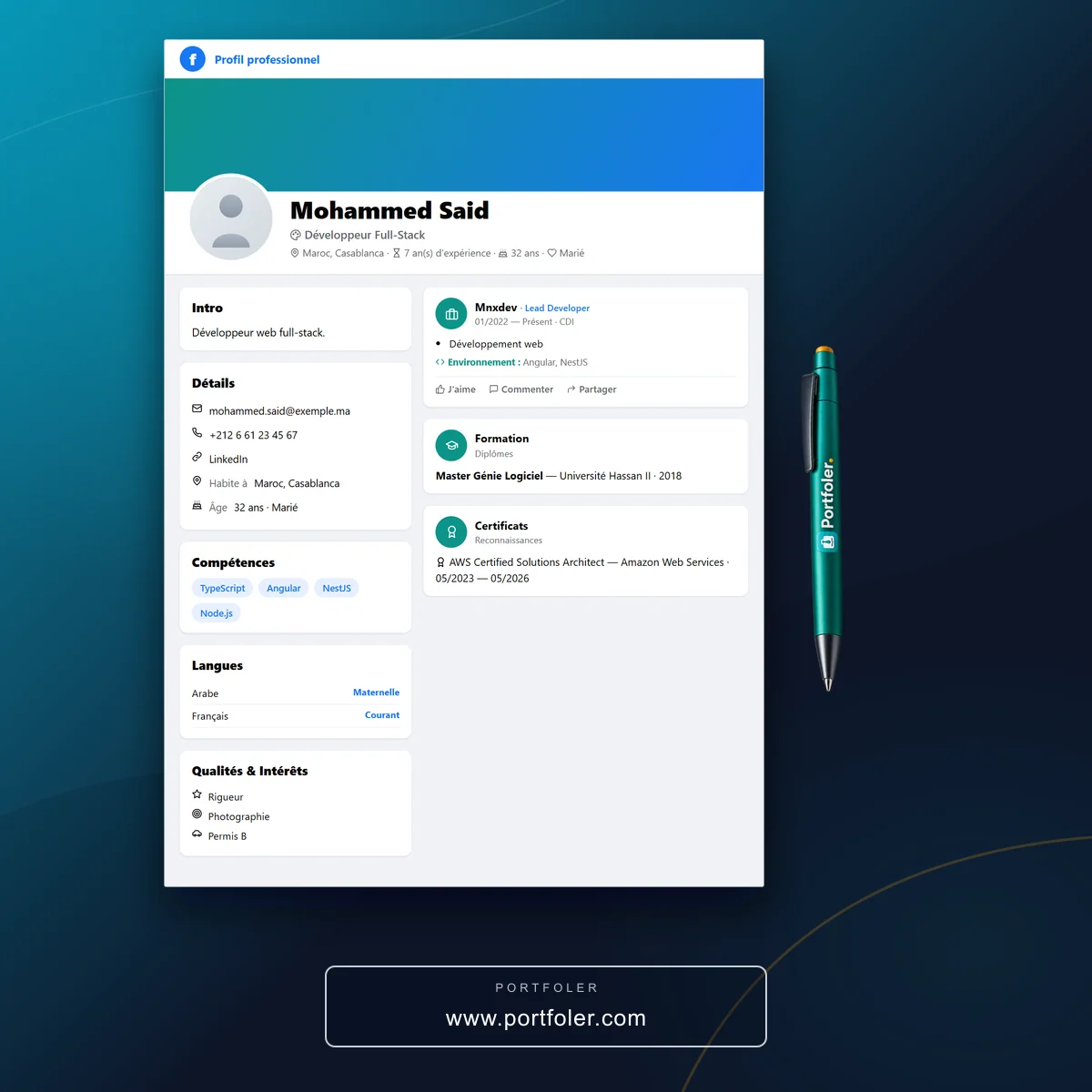
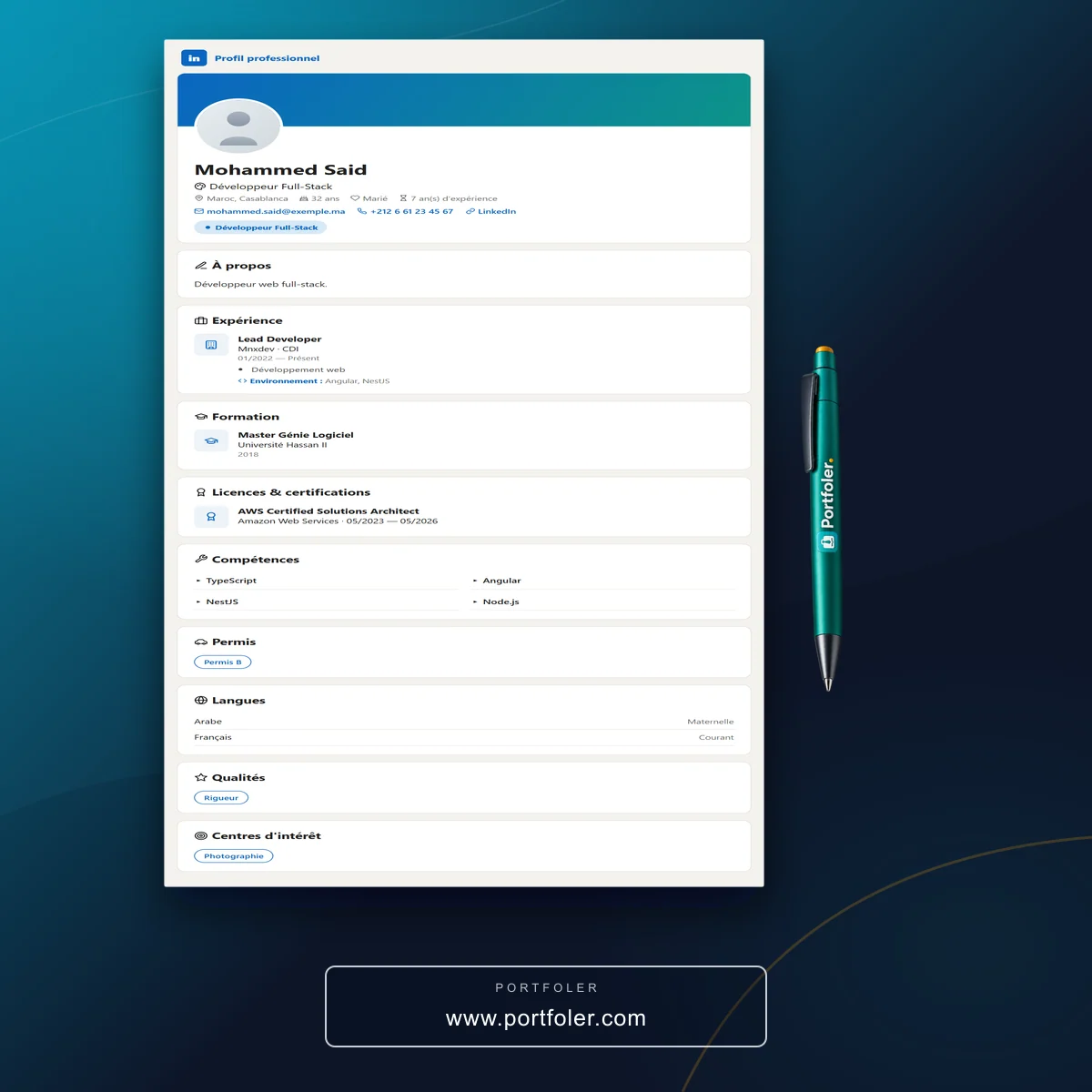
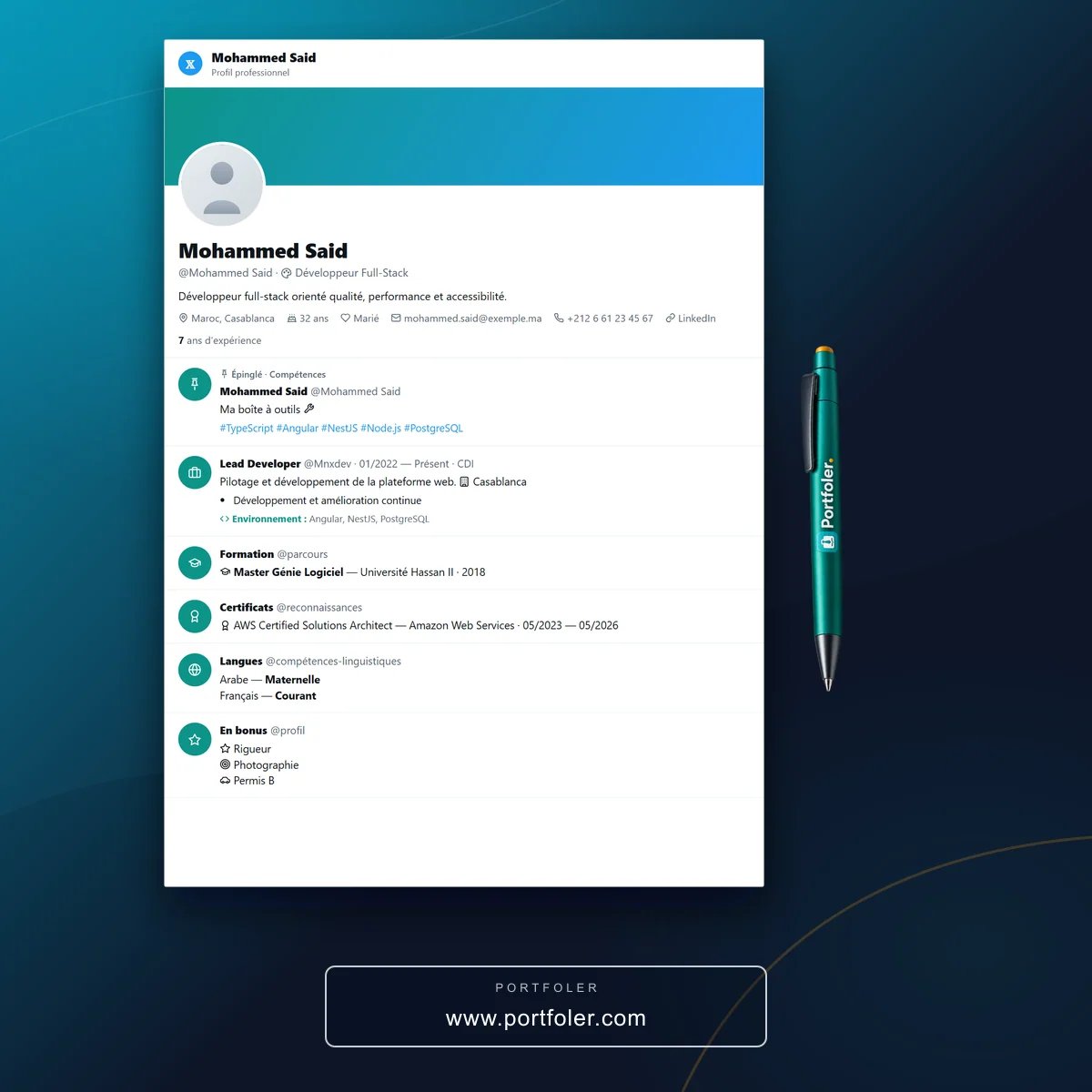
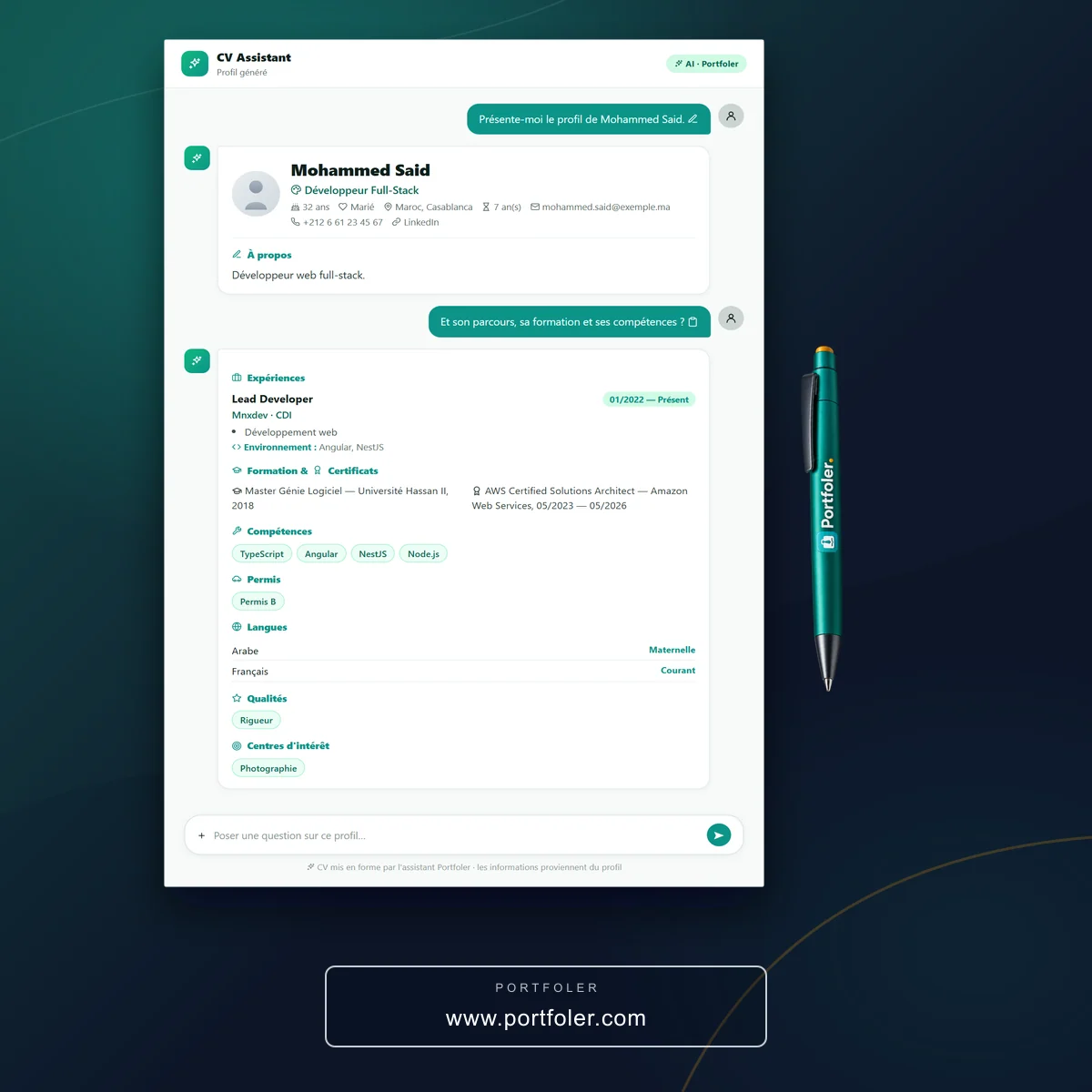
On Portfoler.com, create your CV from professional templates, publish your profile and portfolio, then share everything through a single link in every application. Your first internship starts with a profile that makes people want to meet you.