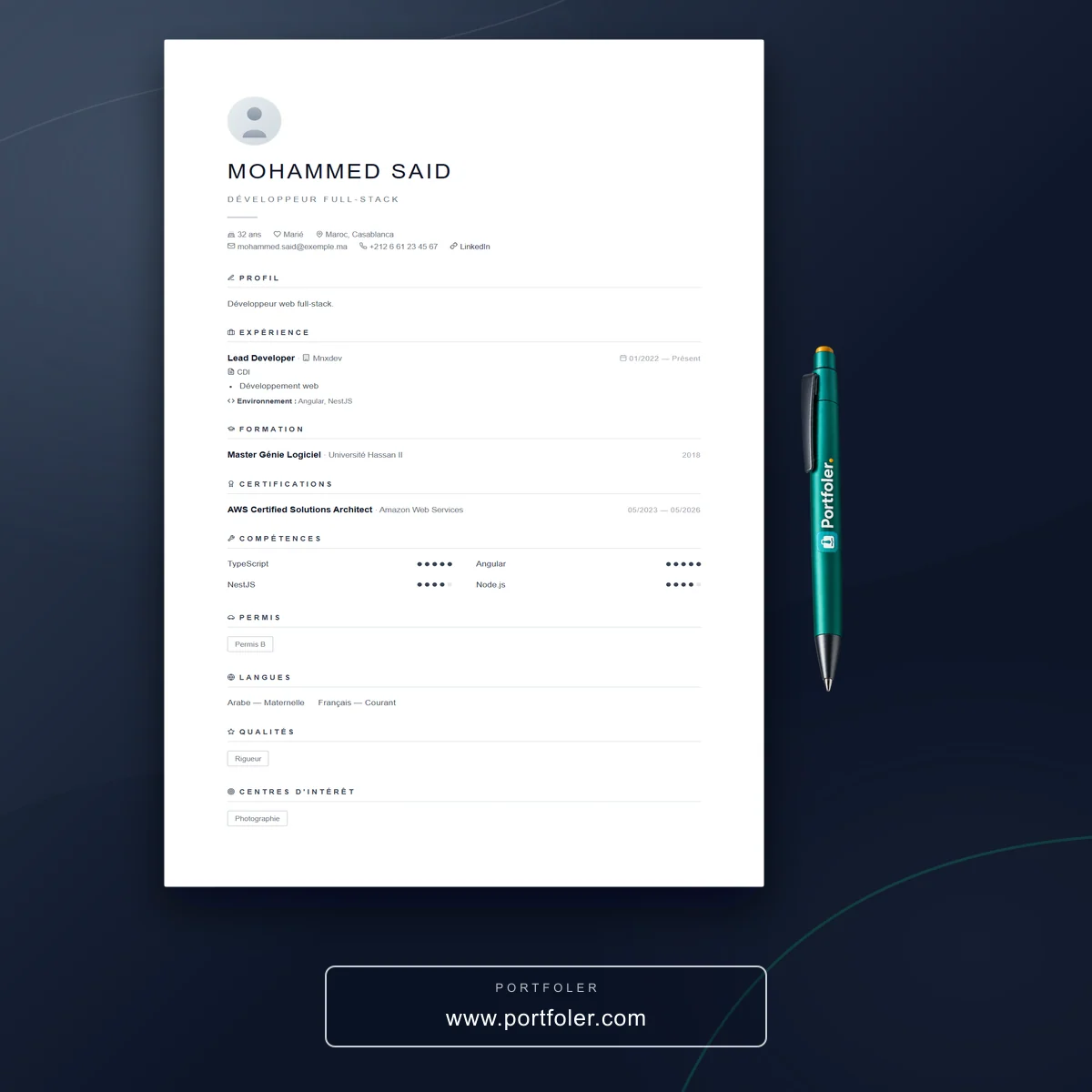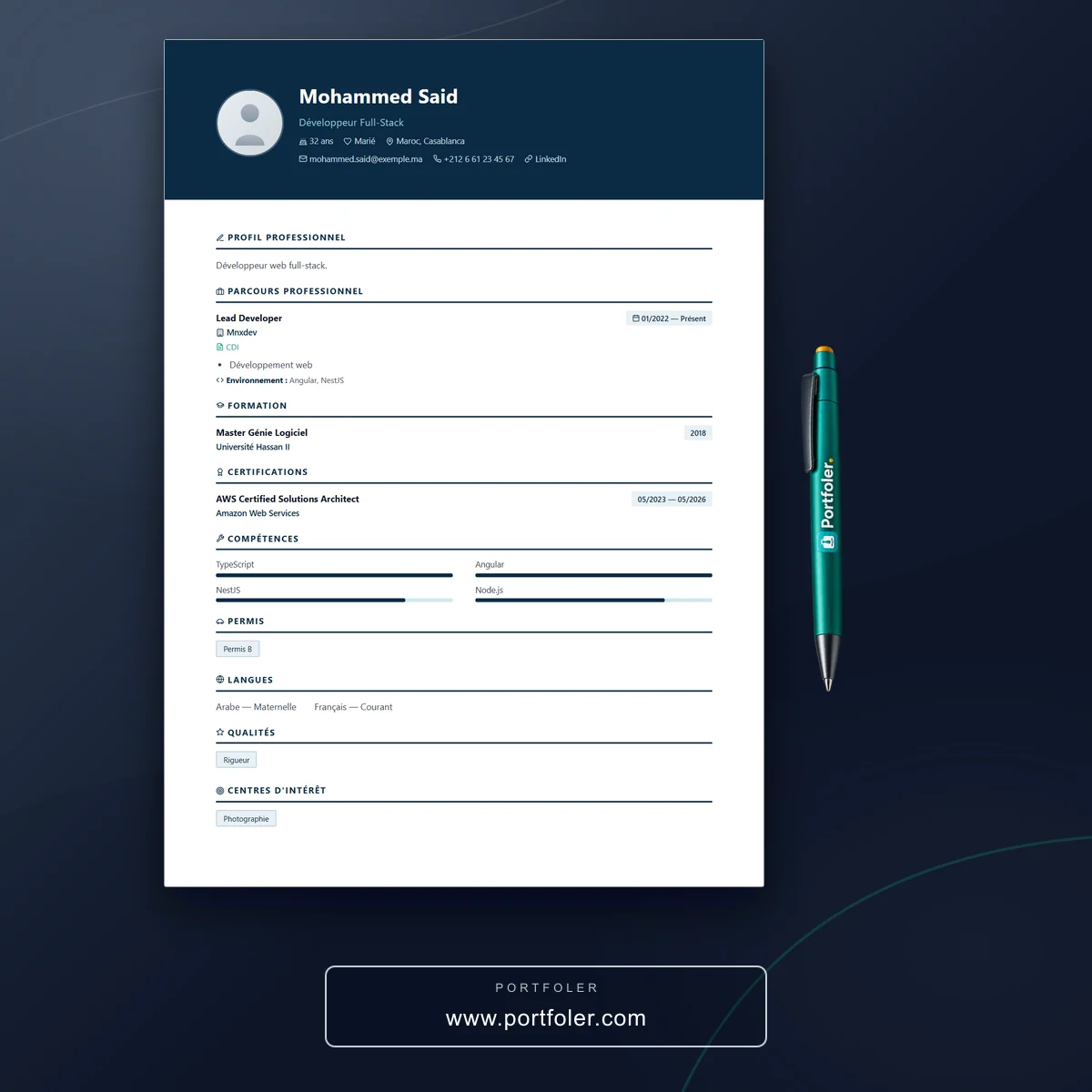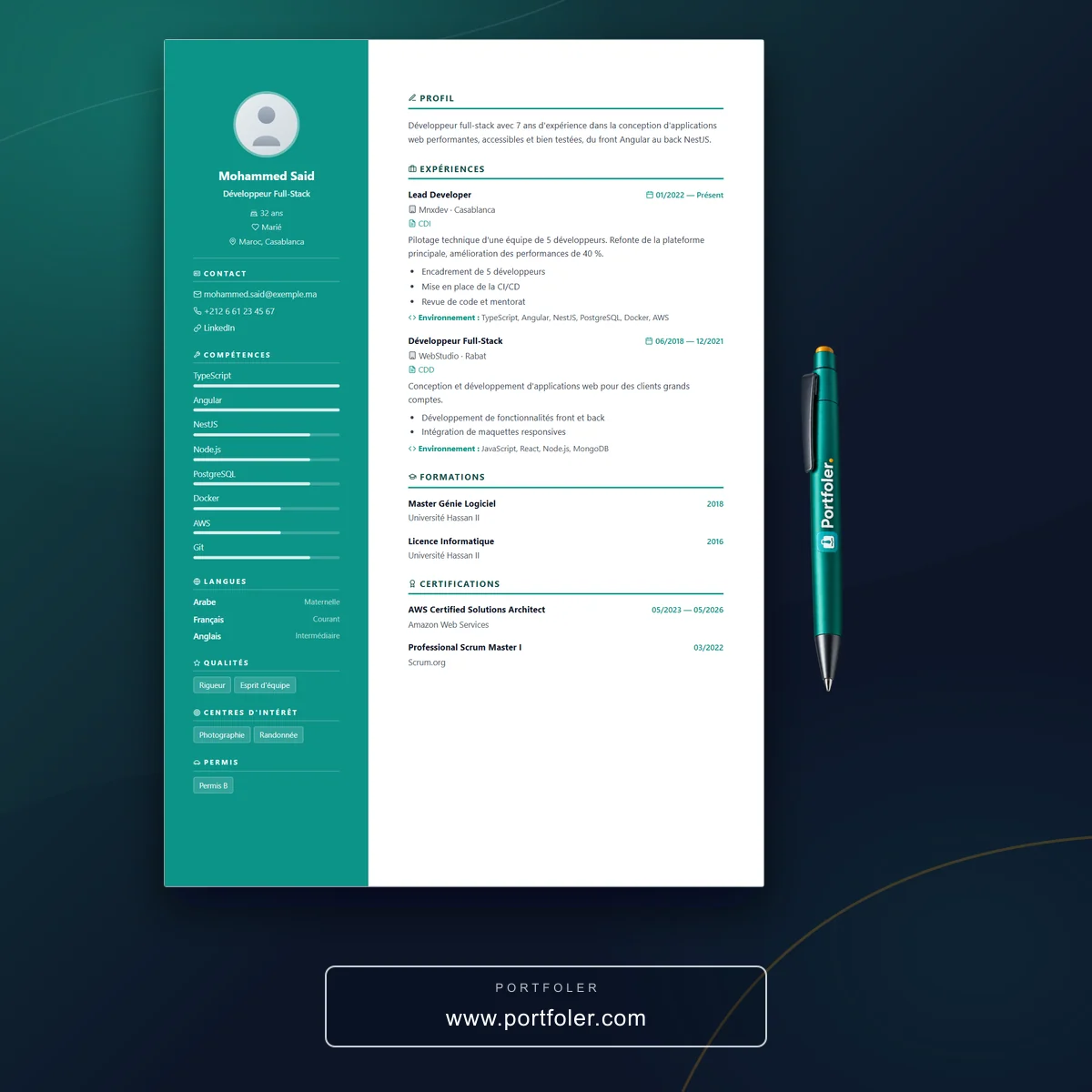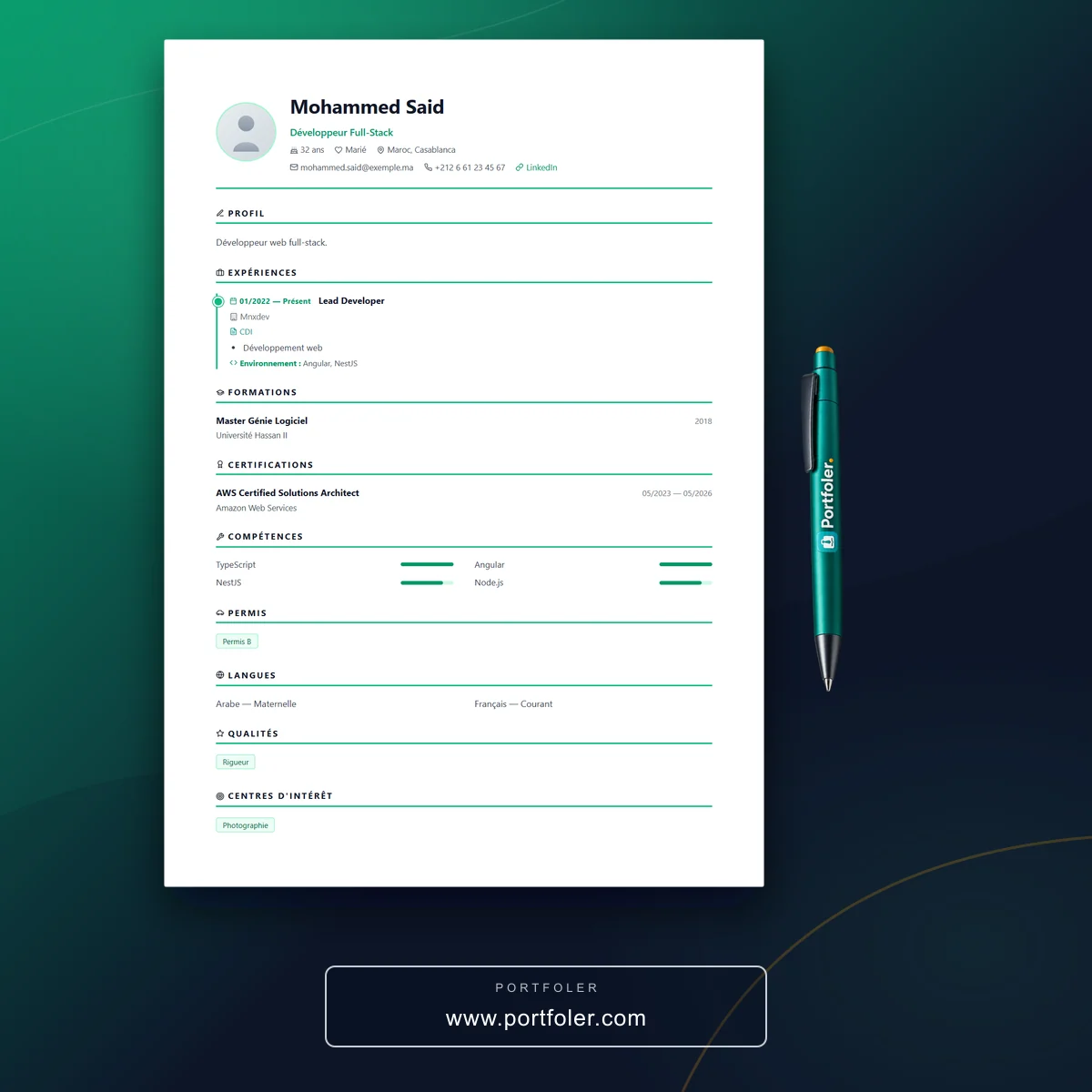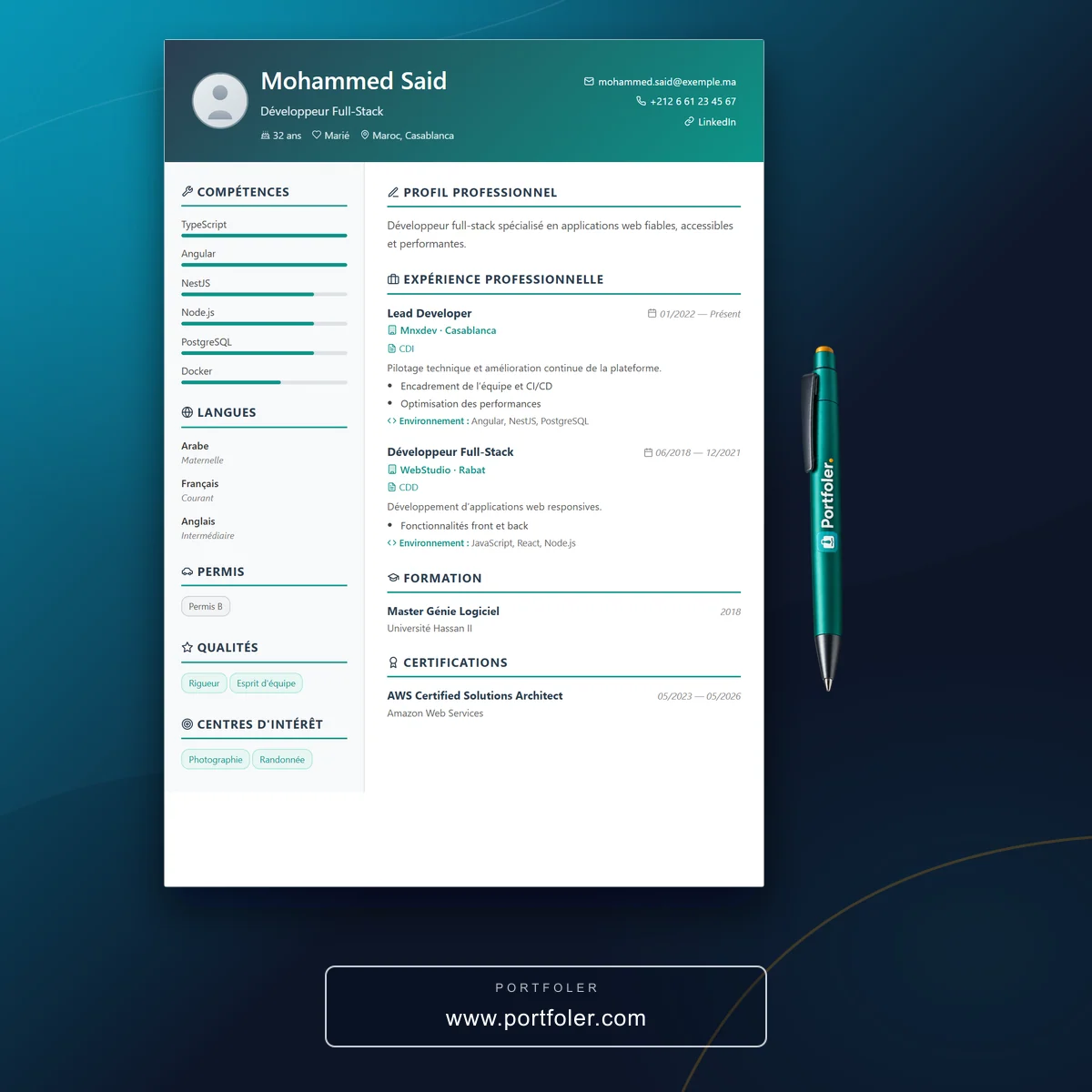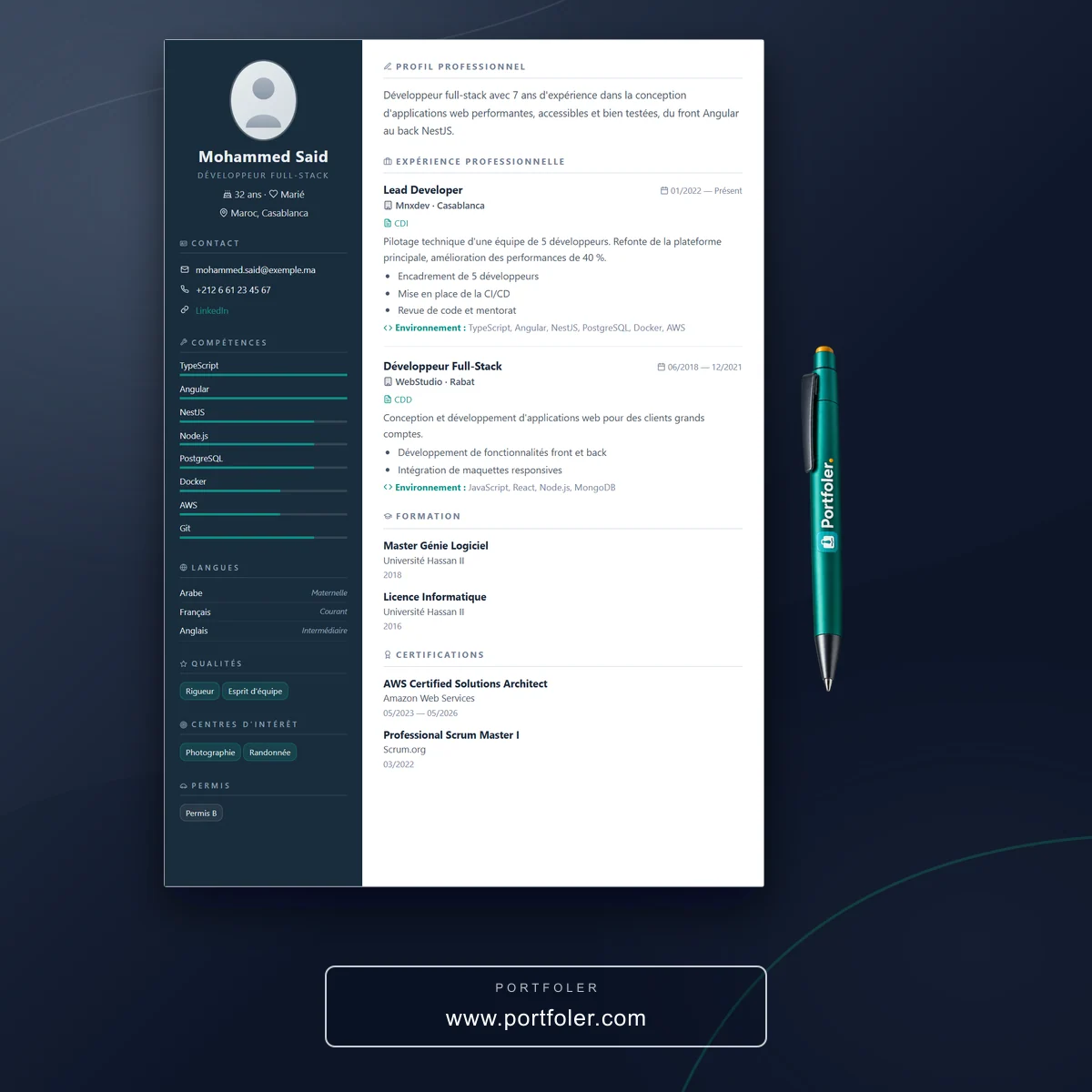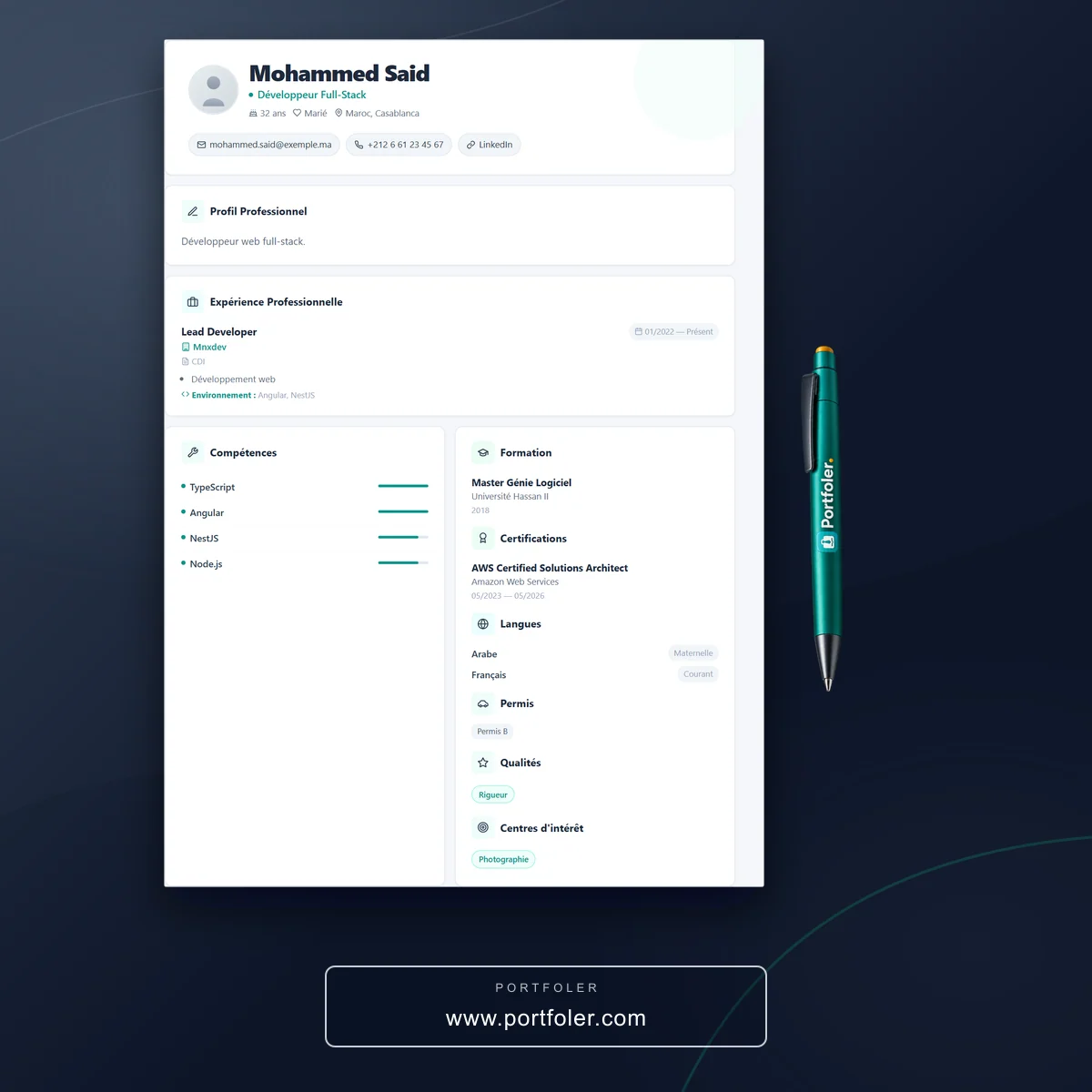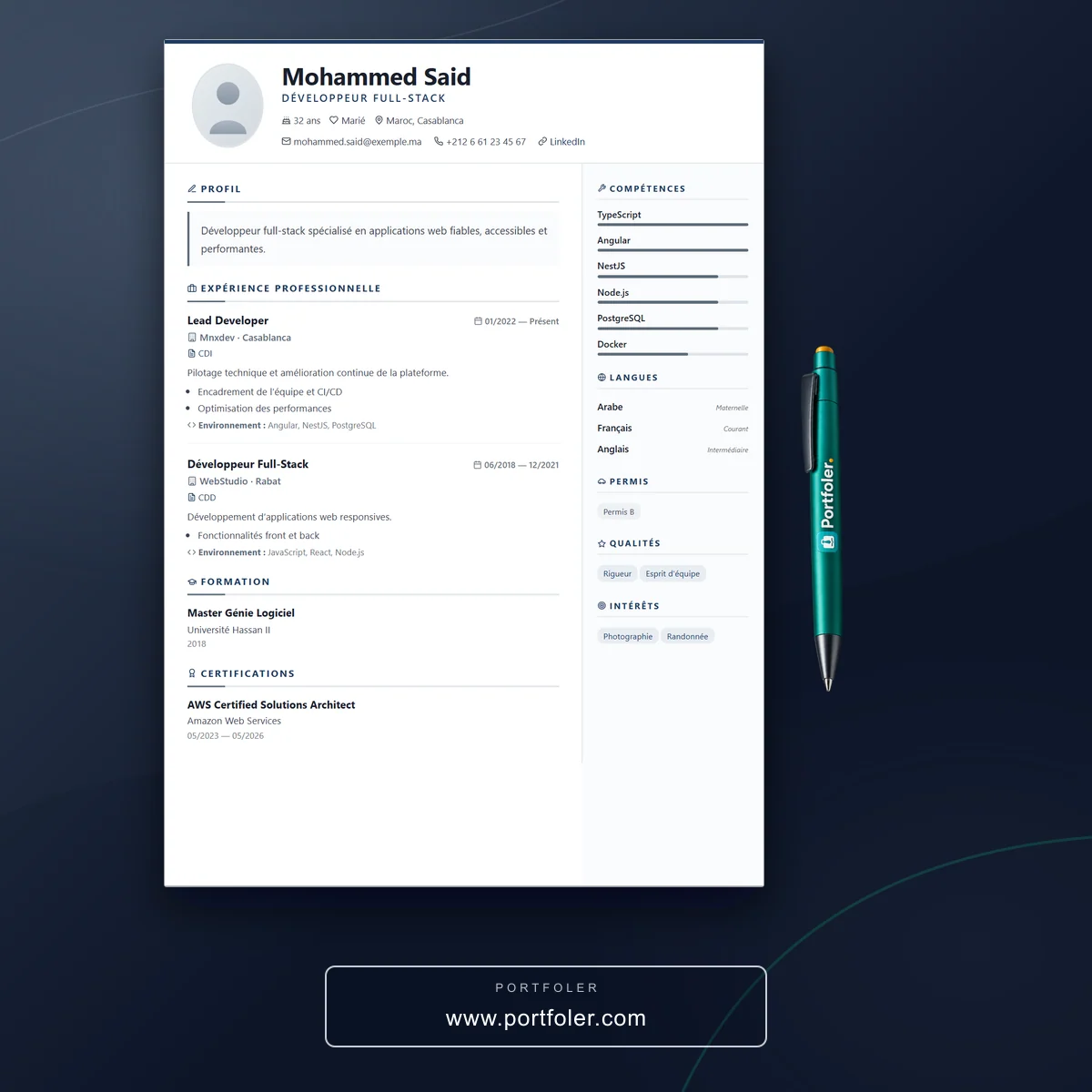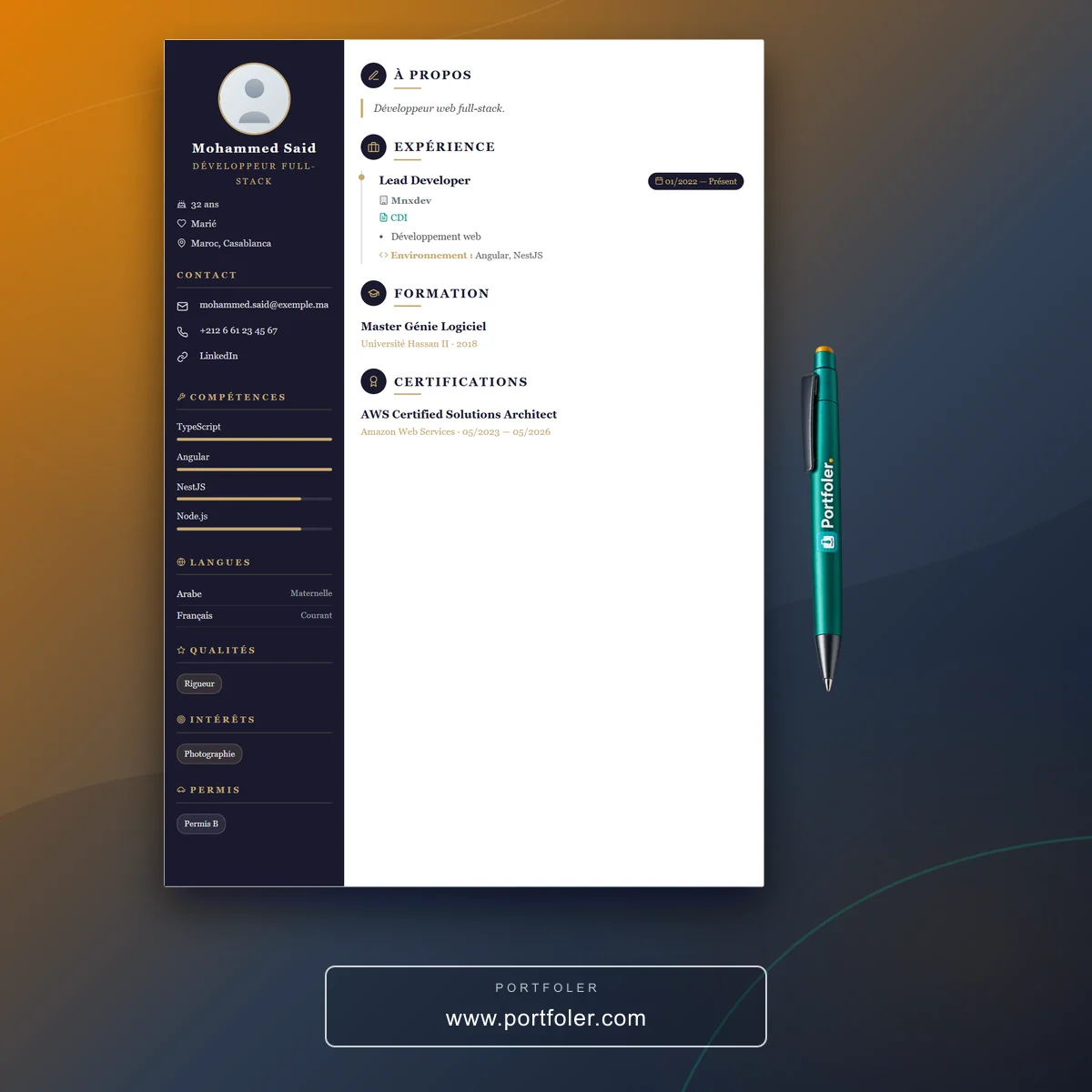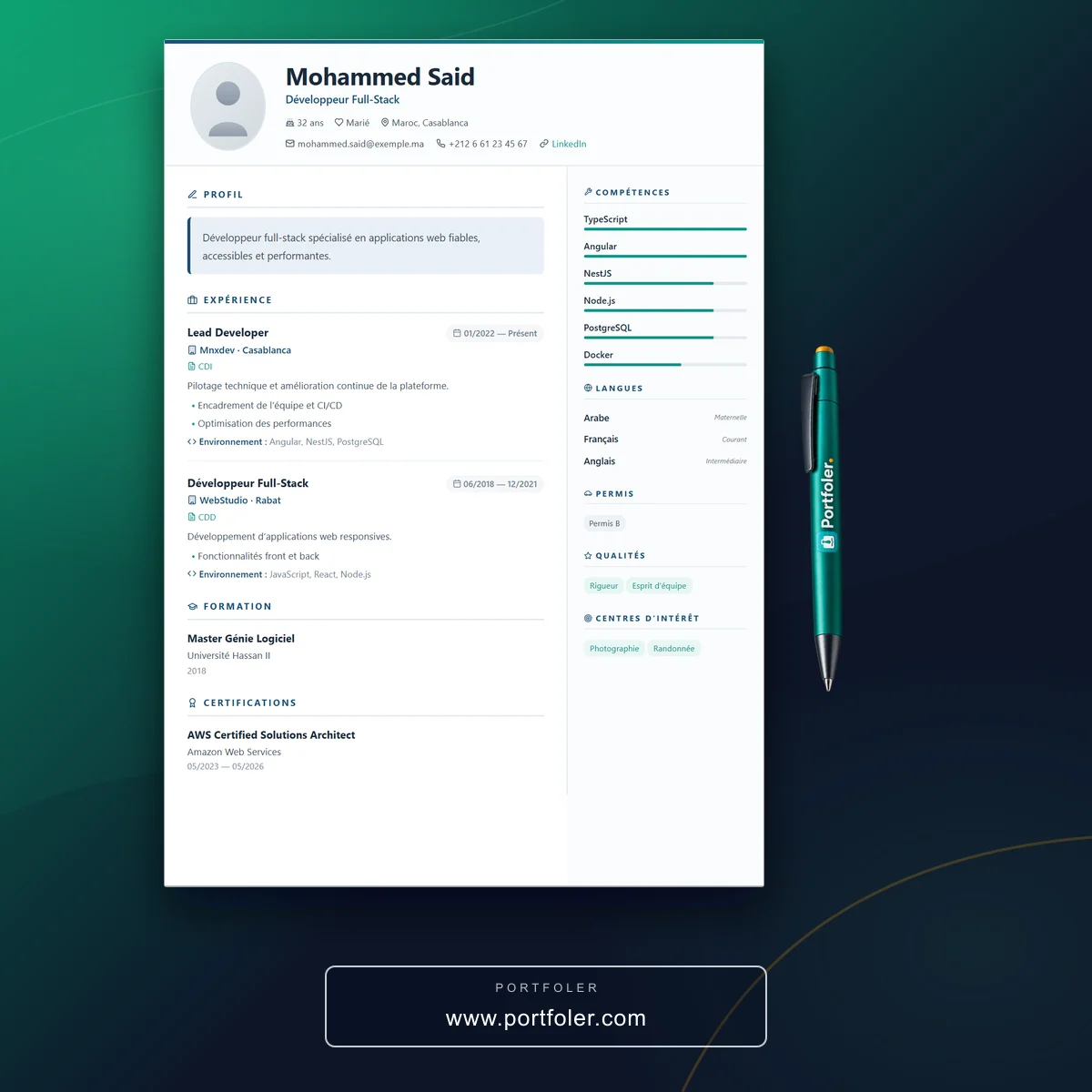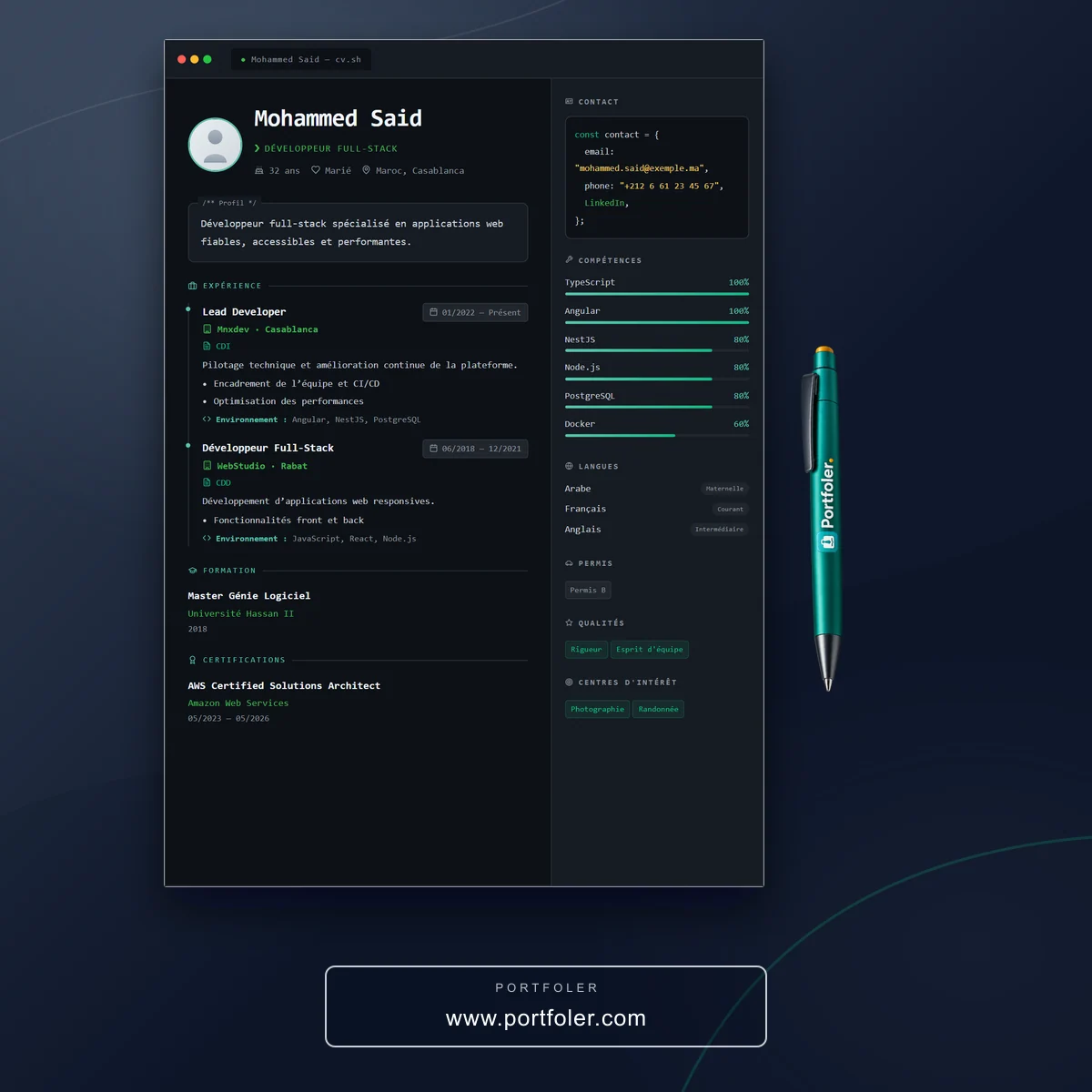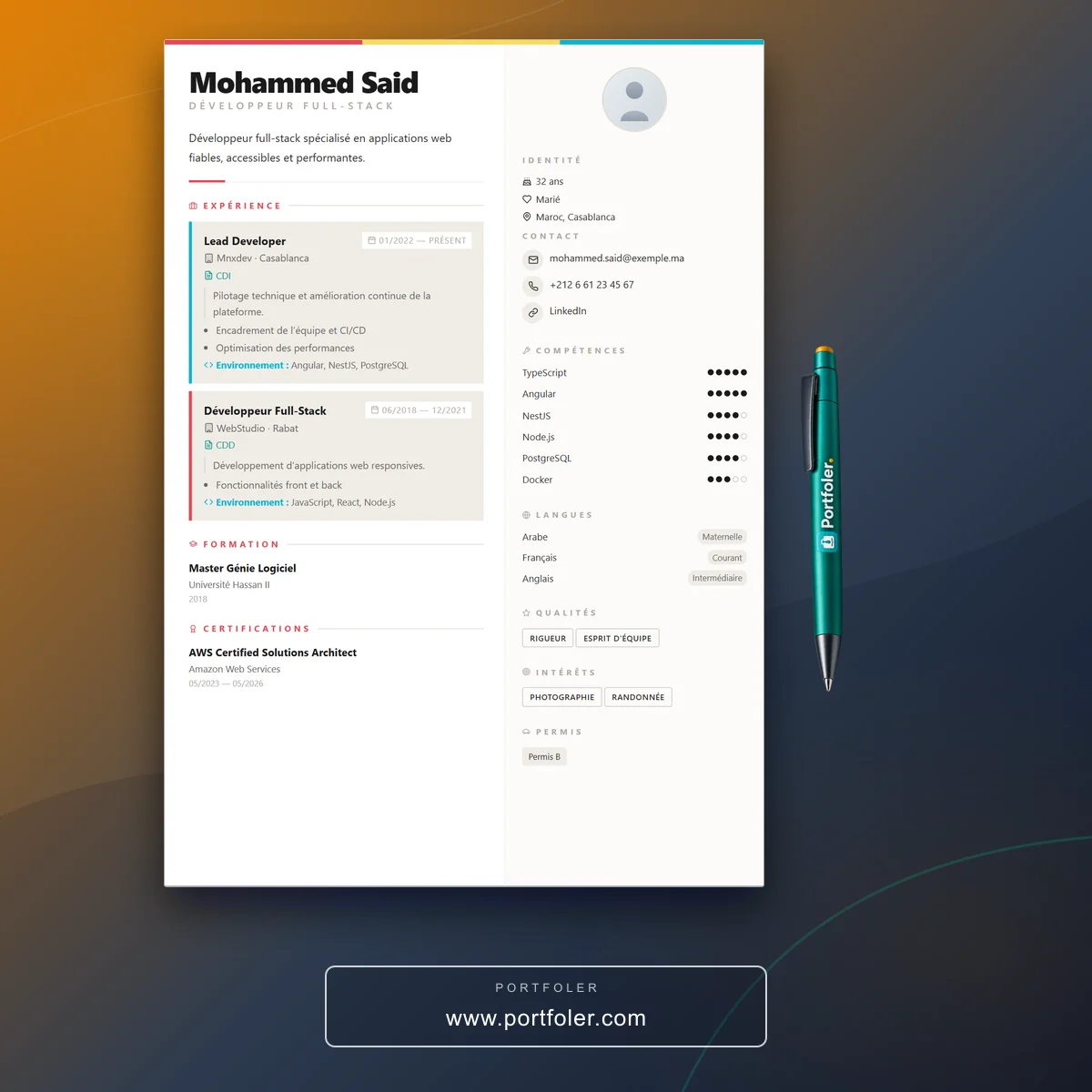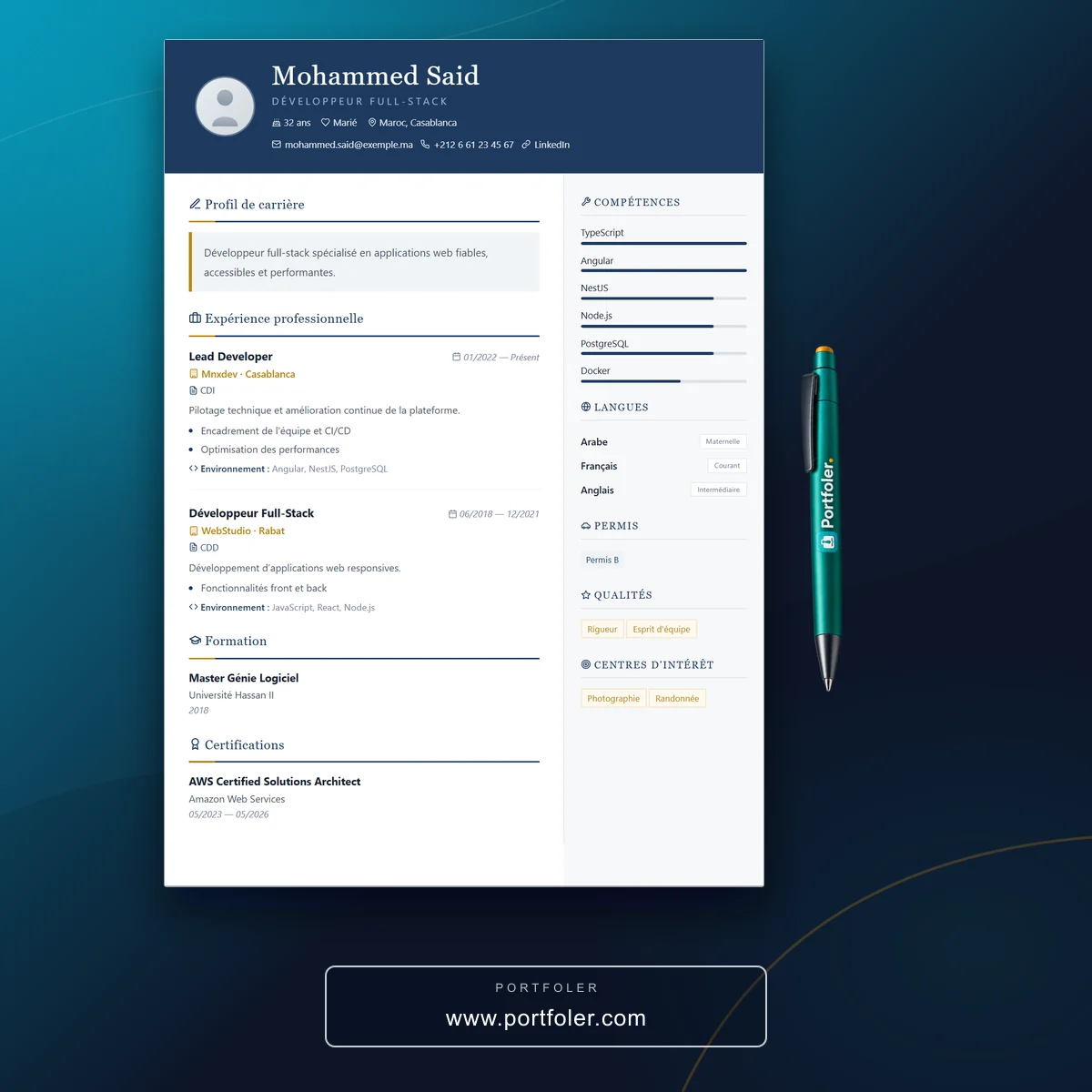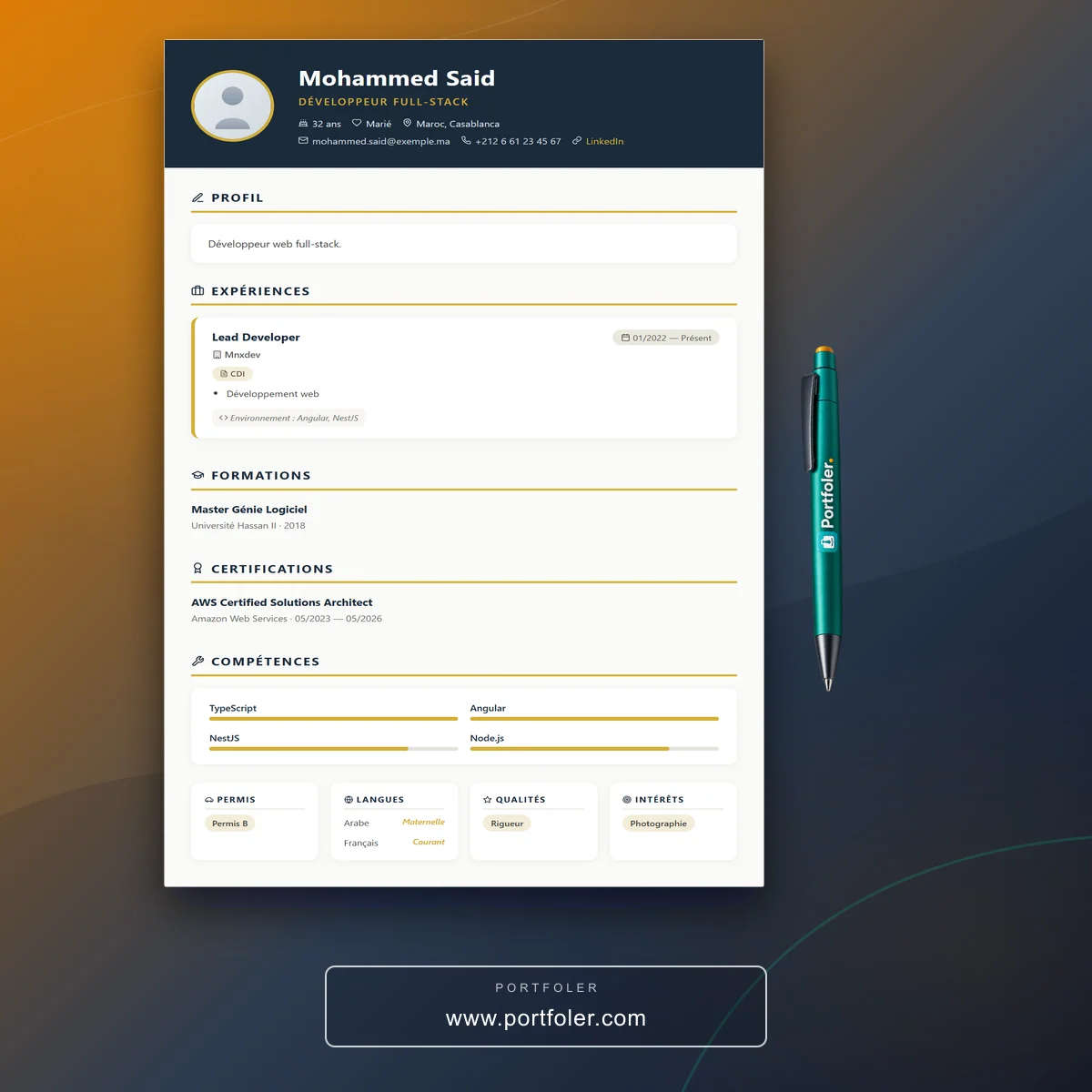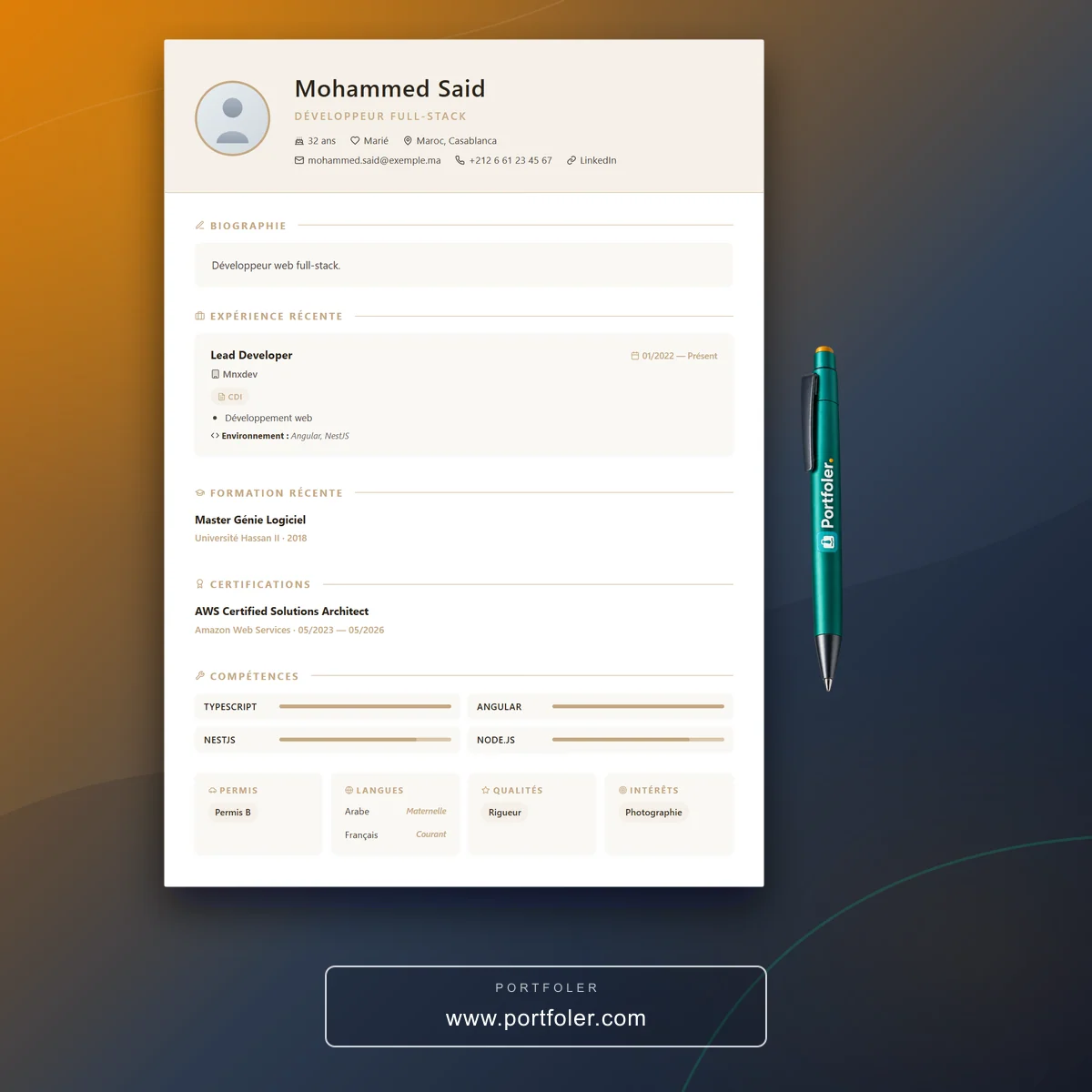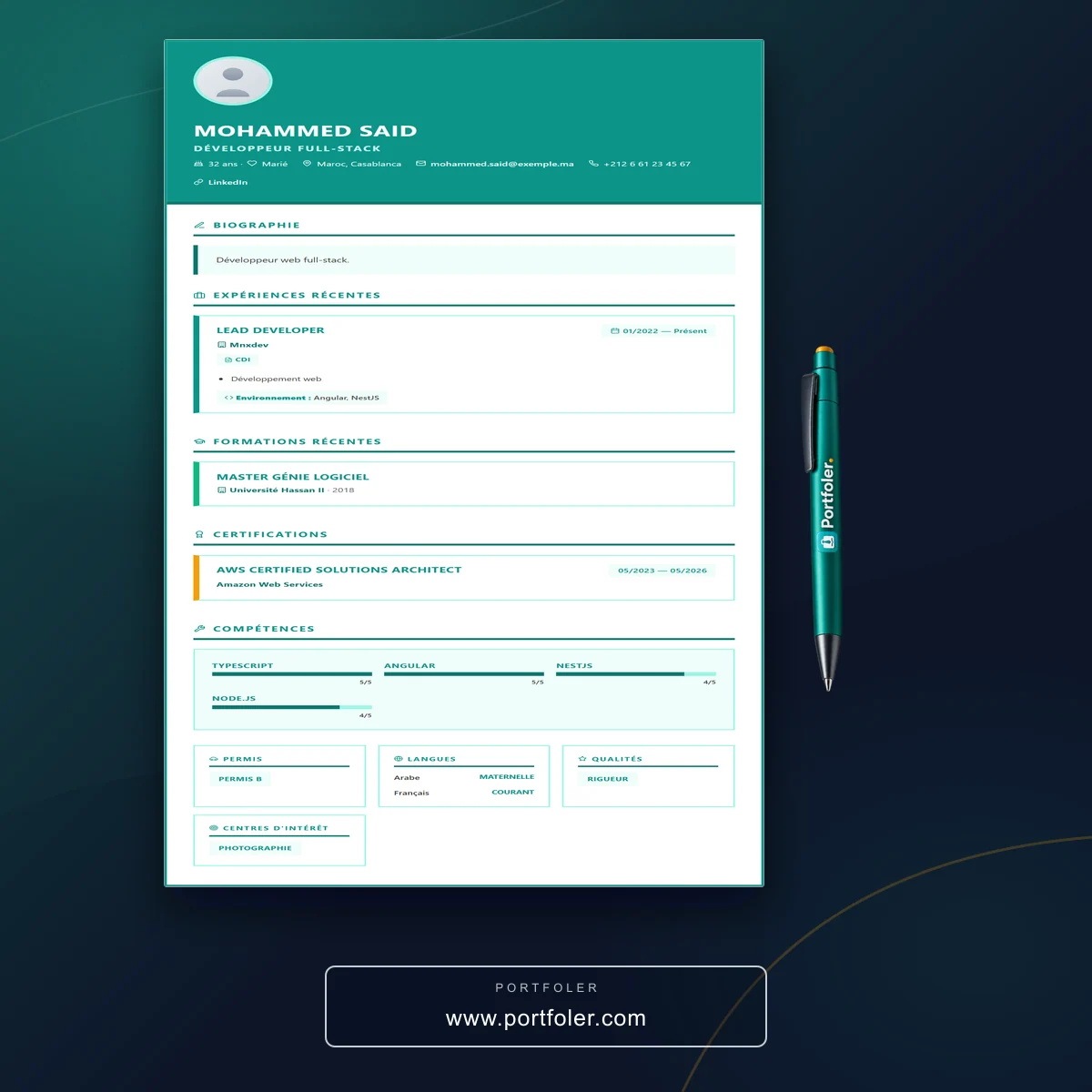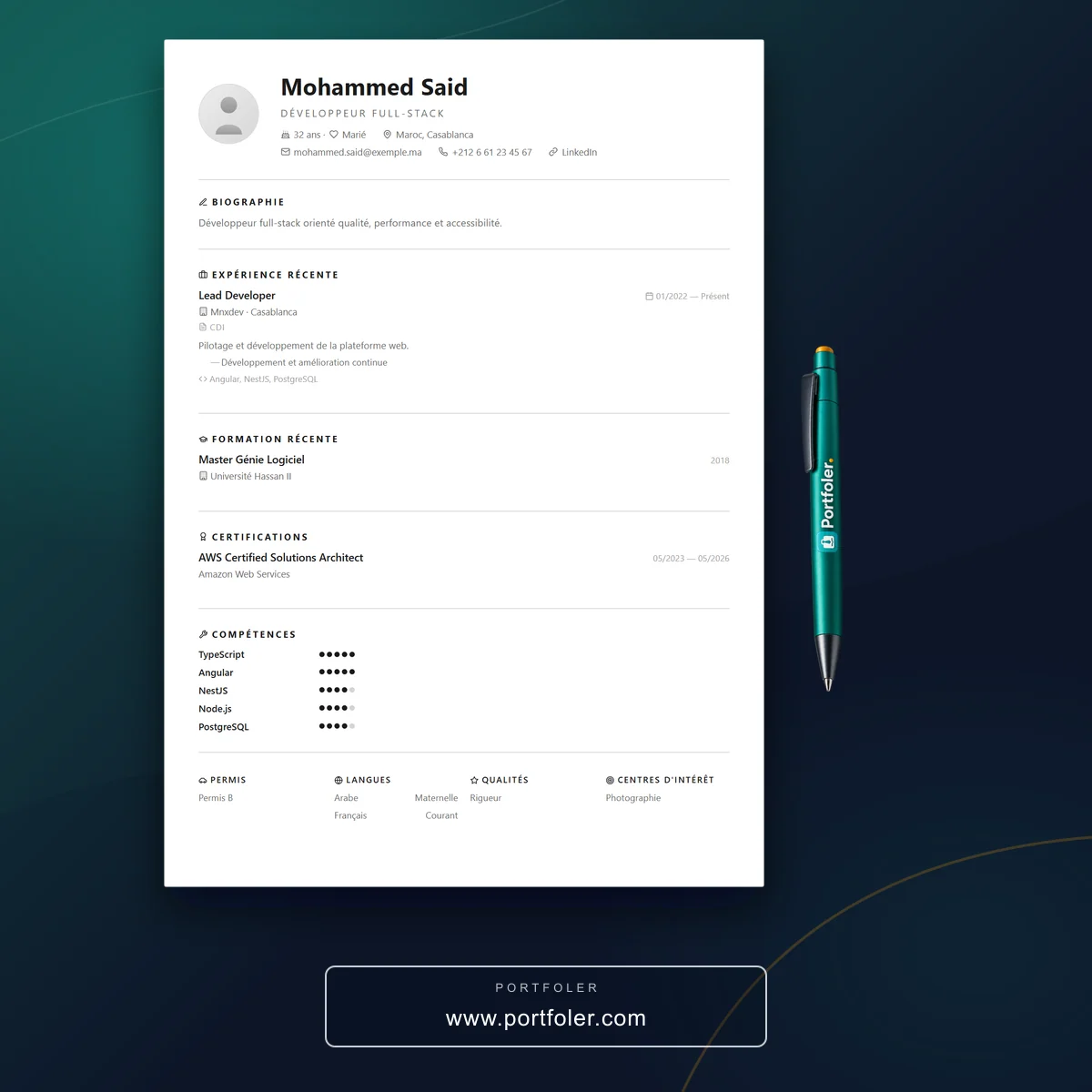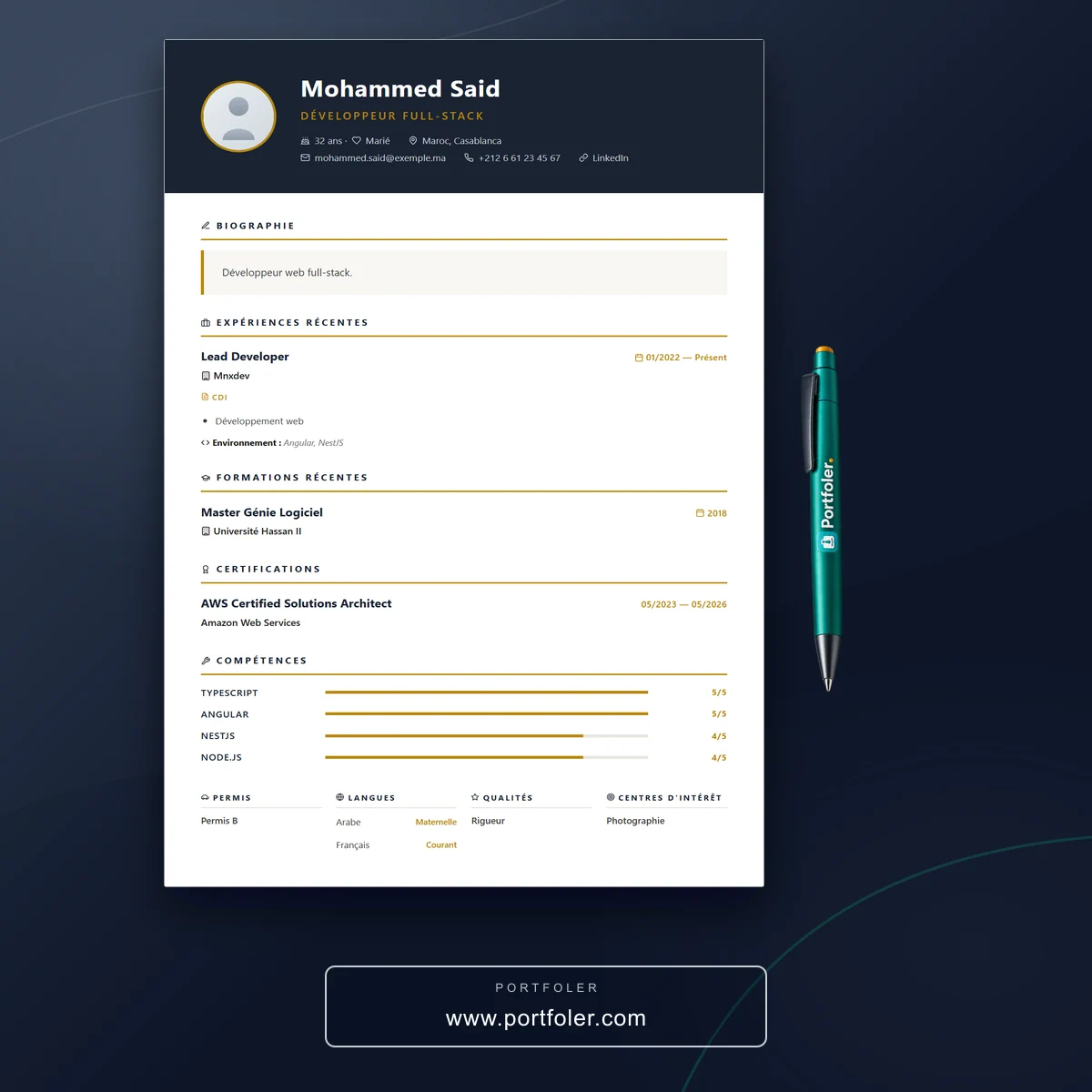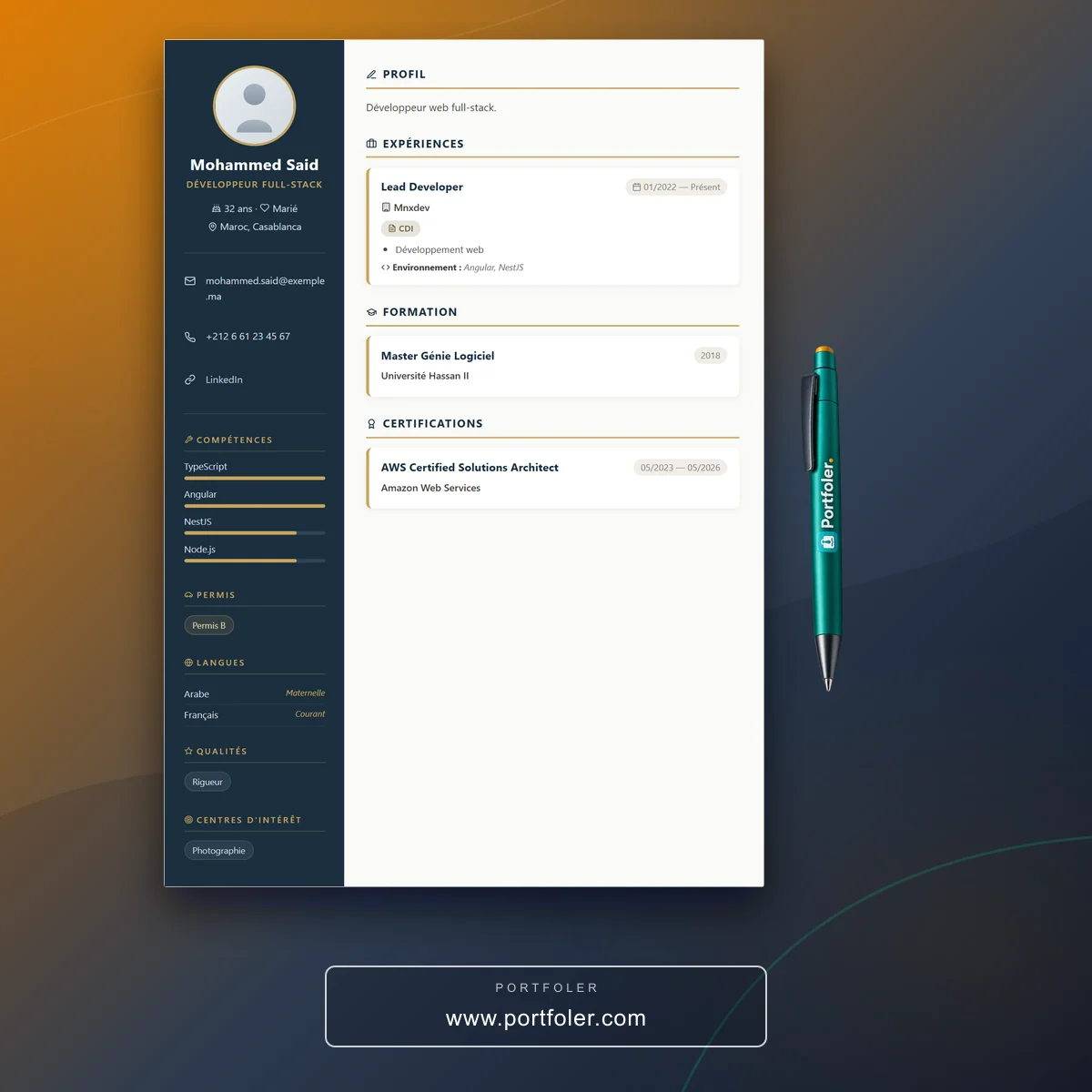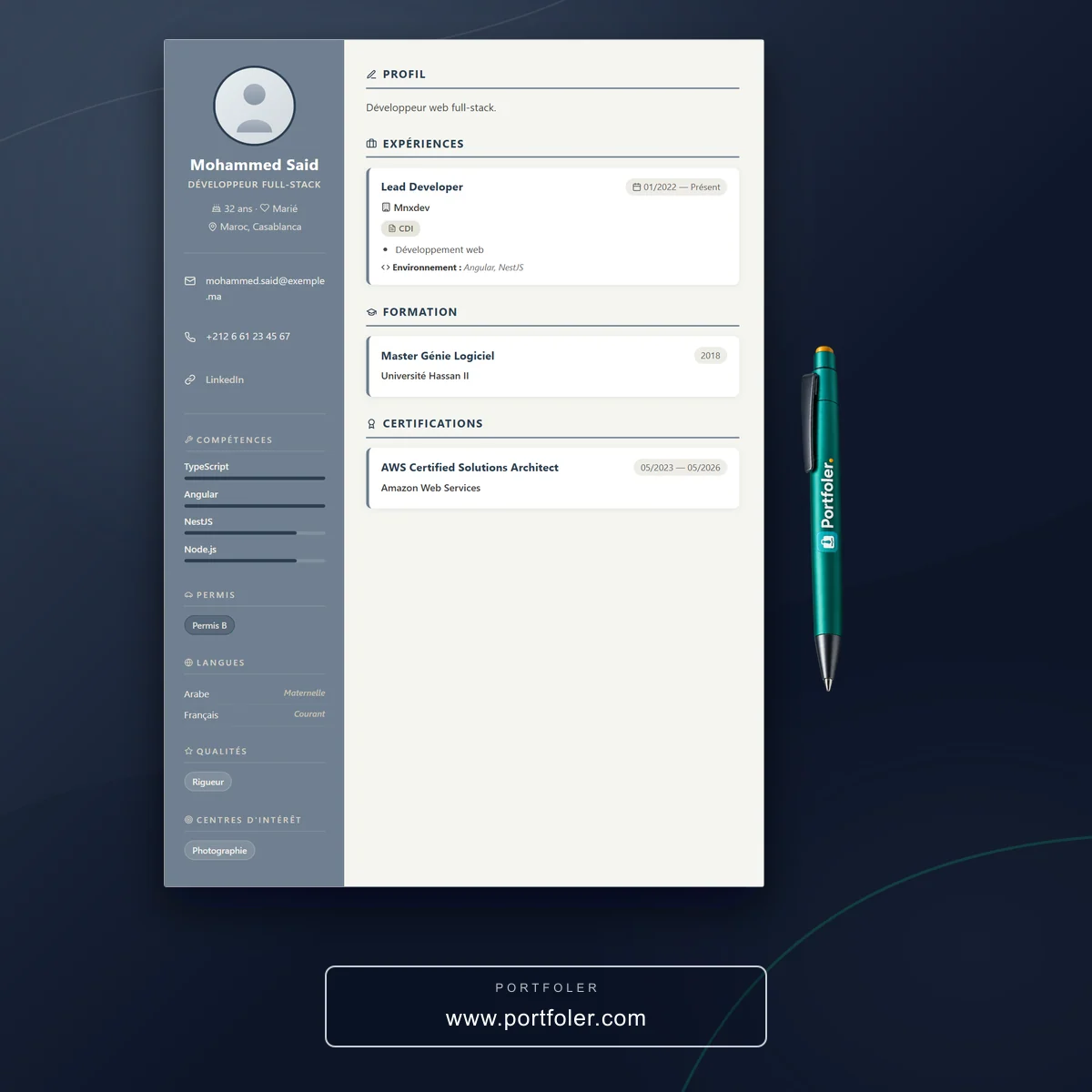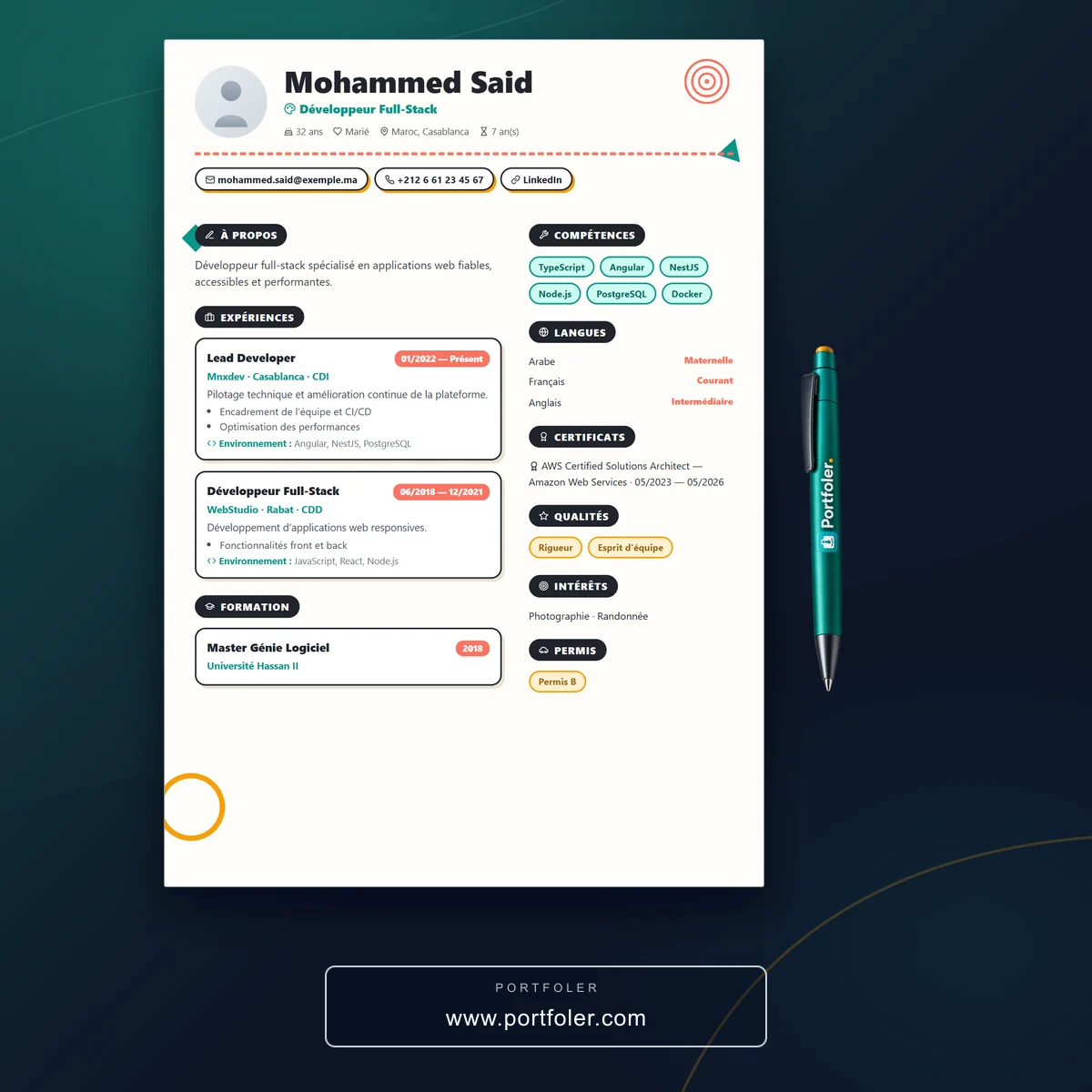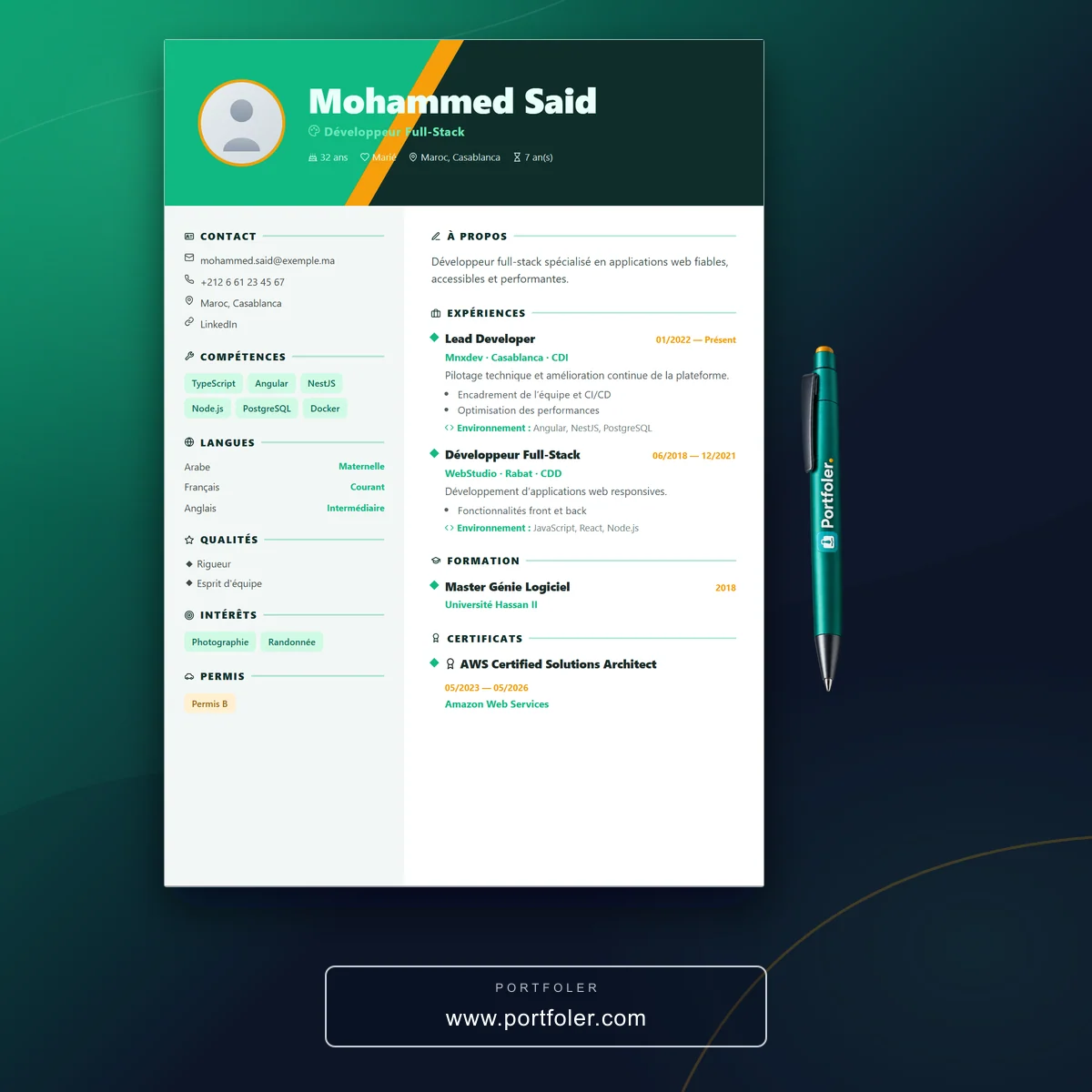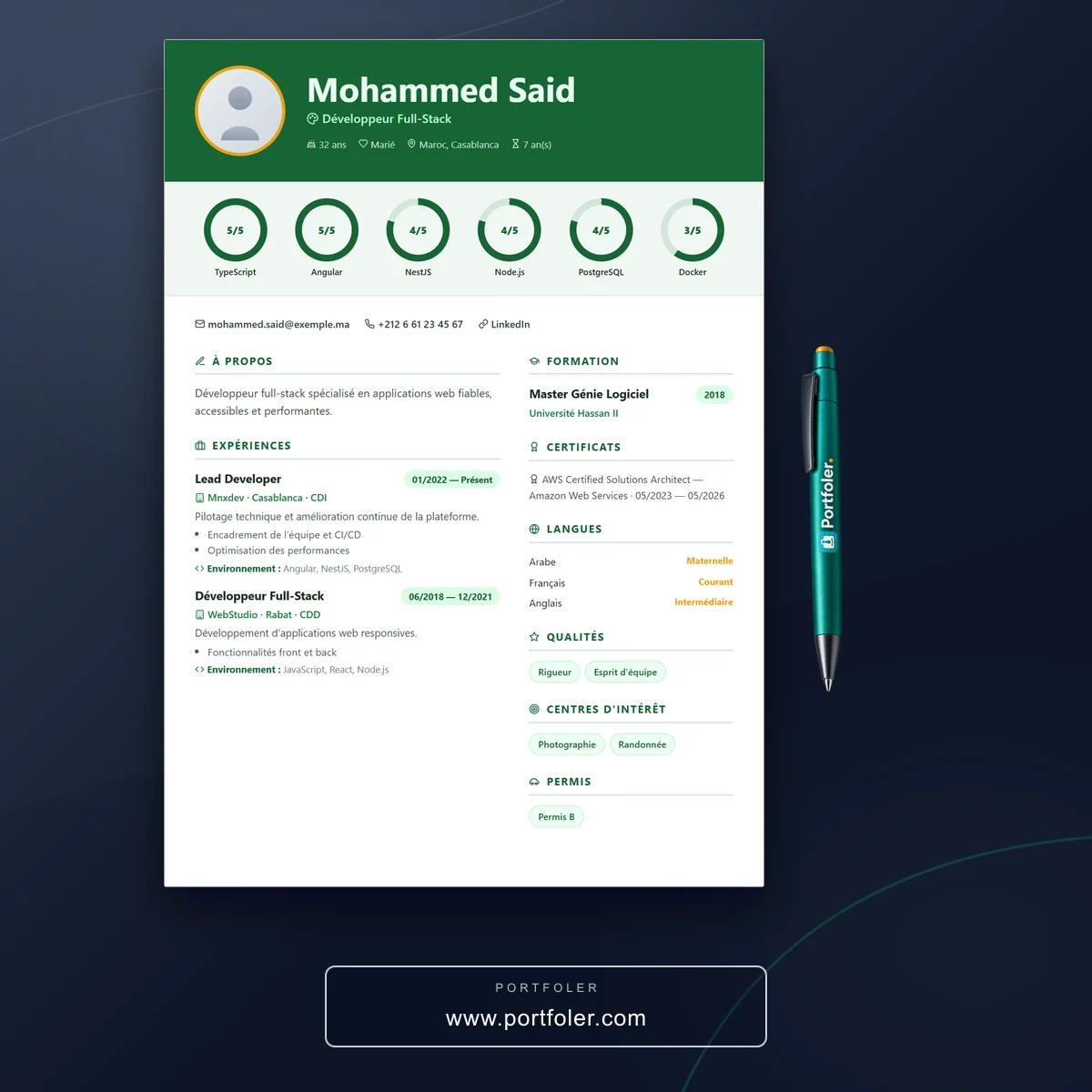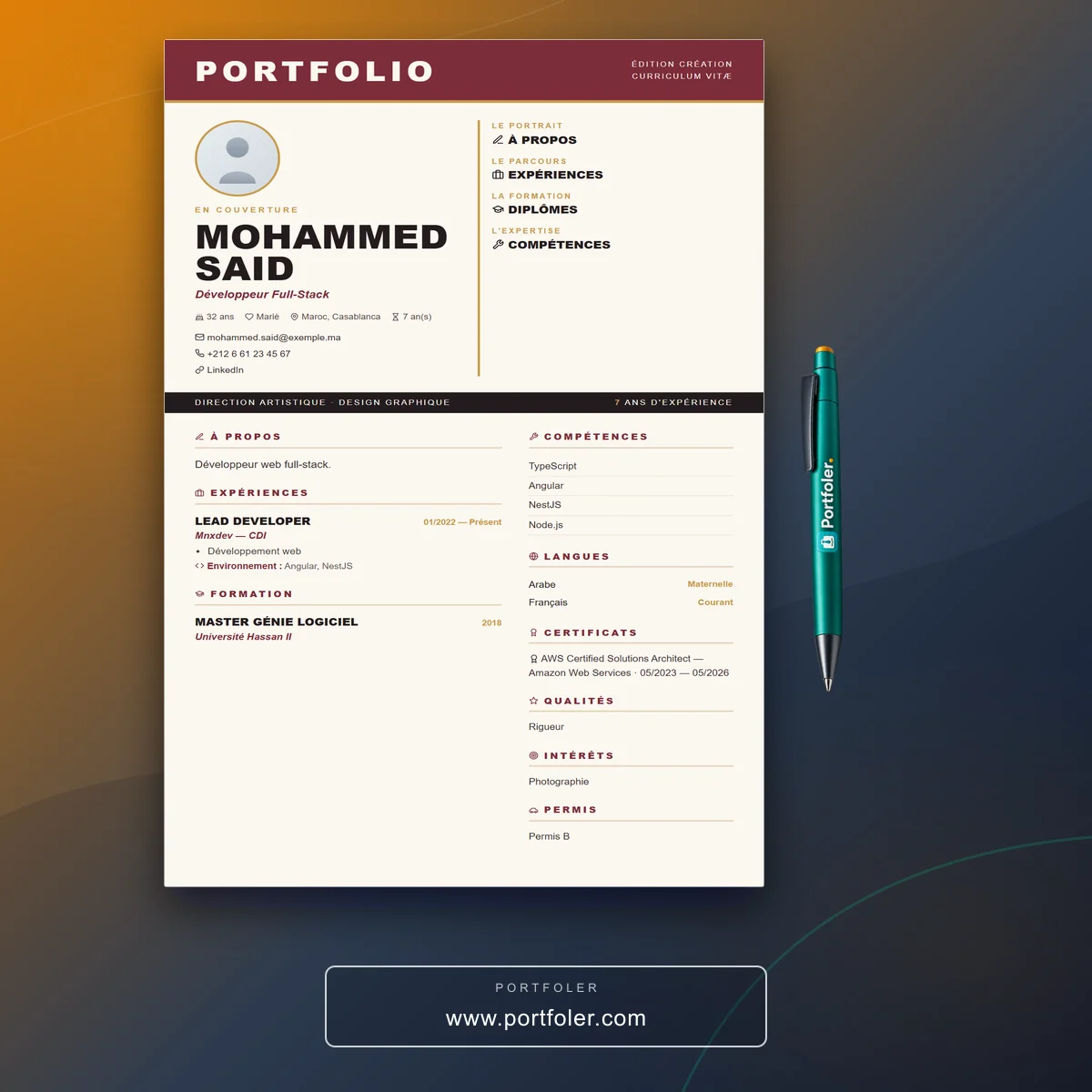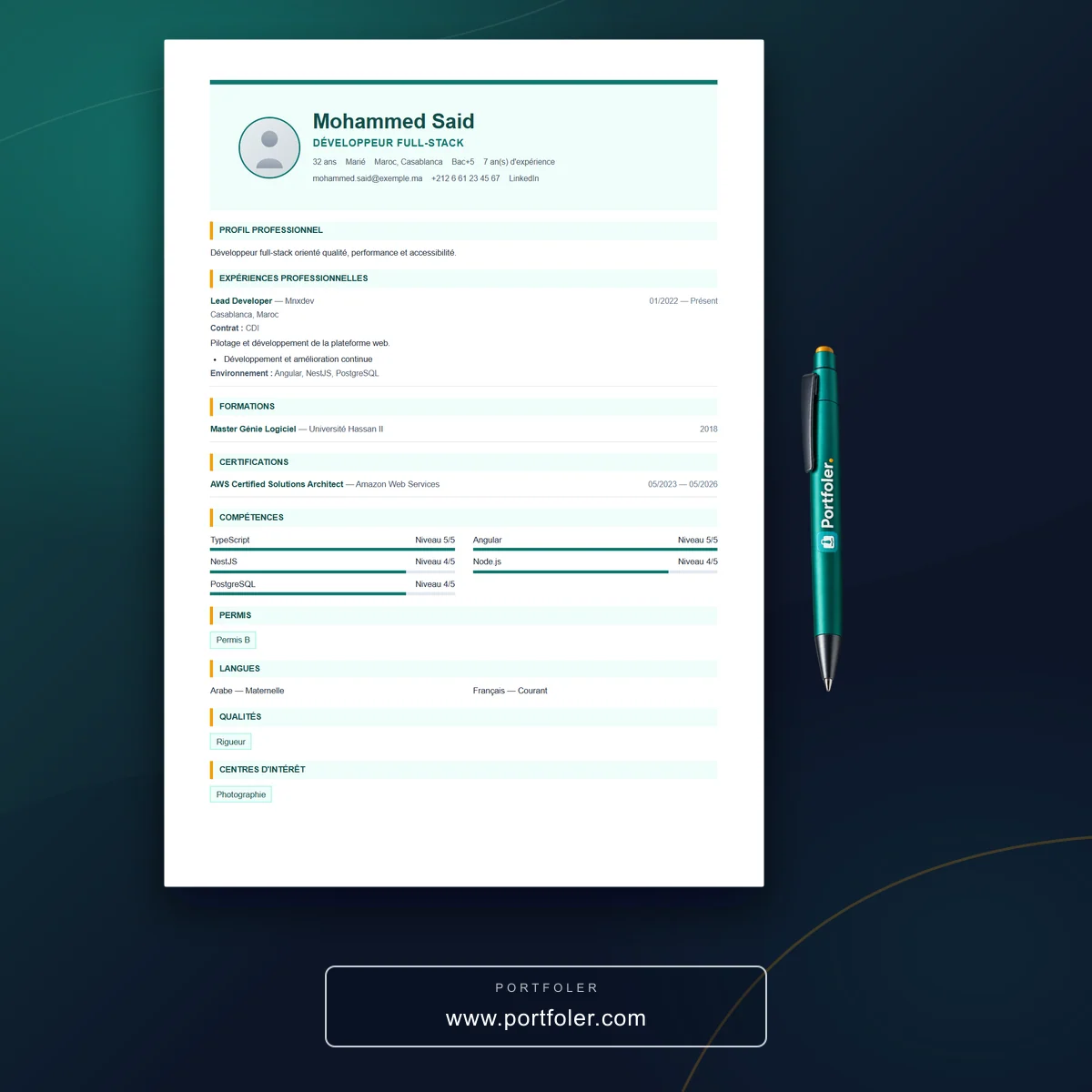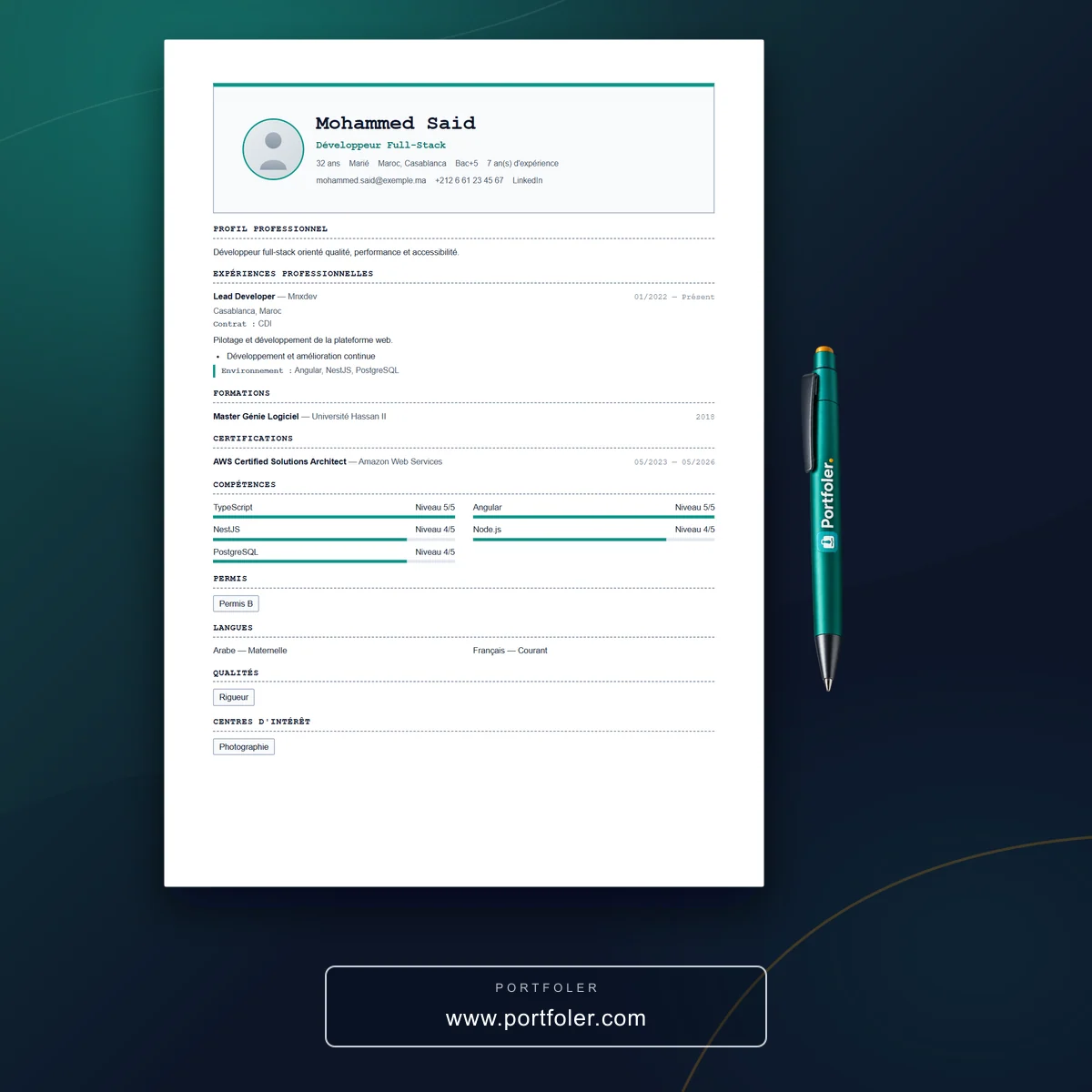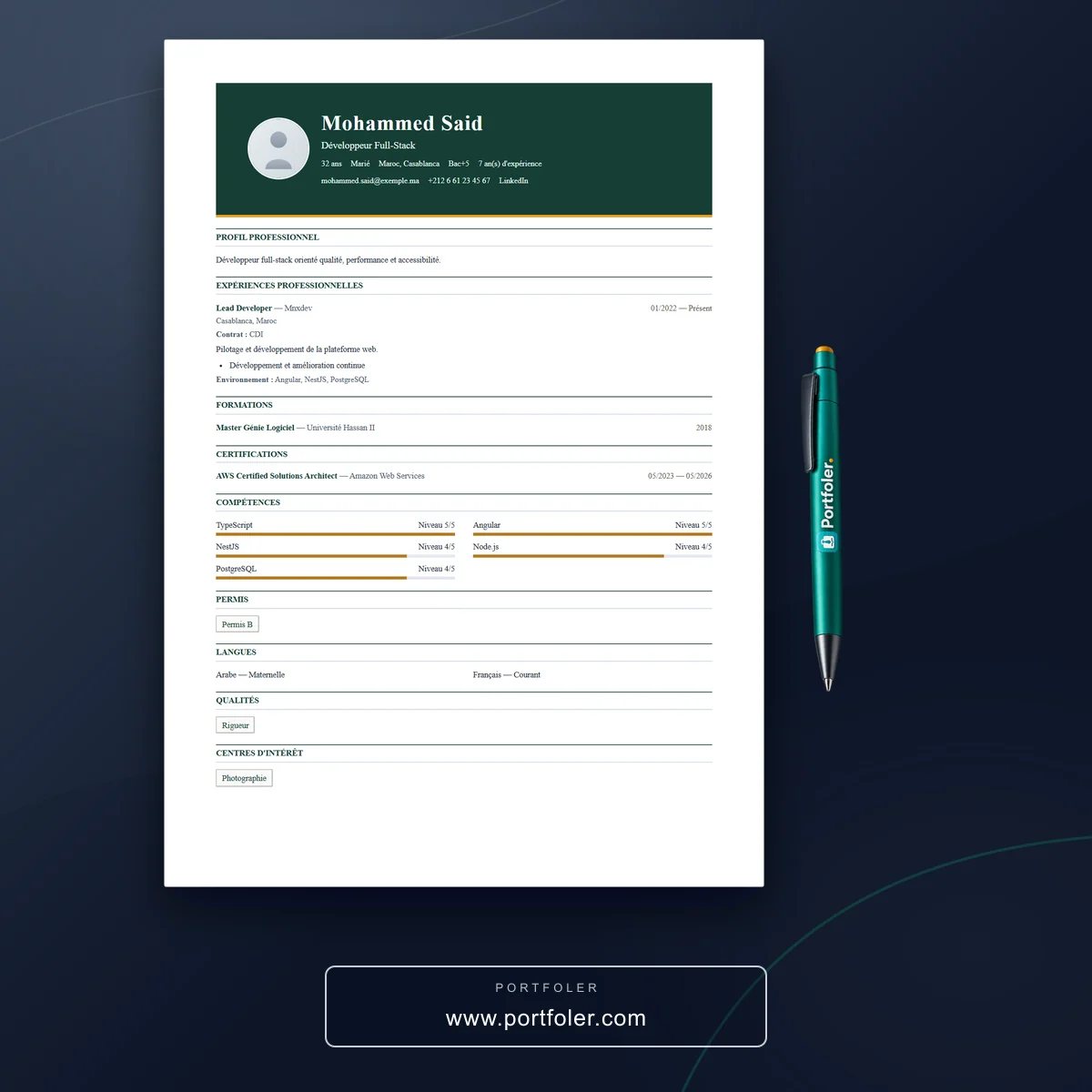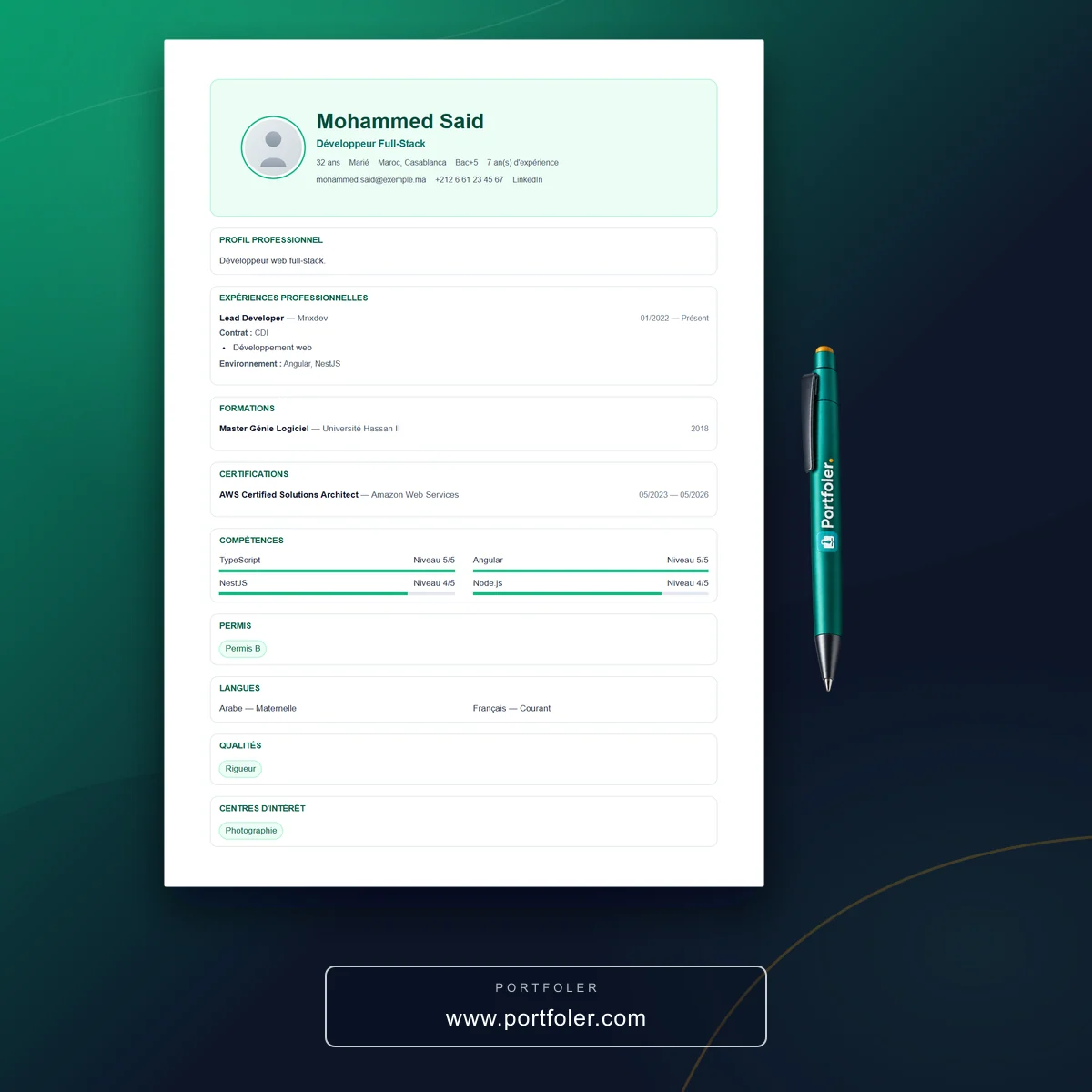
For a company, hiring a junior is a gamble: a promising CV, a convincing interview, but no certainty about how they'll perform on the job. An intern, on the other hand, has already proven themselves for weeks. That's why so many companies hire their former interns first. Your internship is much more than a line on your CV: it's a probation period in disguise. Here's how to turn it into your first job.
The first two weeks: understand before trying to shine
The motivated intern's reflex is to impress right away. The right reflex is to understand first.
- Clarify expectations with your supervisor: which tasks, which deliverables, what success looks like at the end of the internship.
- Learn how the team works: who decides, who approves, which tools, which routines.
- Keep a work log: tasks completed, difficulties, lessons learned. It will help with your check-ins, your report and your CV.
An intern who asks the right questions early on asks far fewer later.
Become reliable before becoming brilliant
What makes a manager say "I want to keep them" is rarely a flash of brilliance. It's trust.
- Meet your deadlines, and warn people before, not after, if a deadline is at risk.
- Take care of quality: proofread, check and test before handing anything in.
- Write down instructions so you never have to ask the same question twice.
- Ask for help at the right time: after you've looked for the answer, but before you've been stuck for a whole day.
Reliability is the most underrated skill among beginners. It's also the most sought after.
Take initiatives that matter
Once you've mastered the basics, show that you can go beyond the brief.
- Spot a repetitive task and suggest a way to simplify it.
- Offer to take on a small topic nobody has time for.
- Come with a solution, not just a problem.
A good initiative is useful, tied to your tasks and approved before you launch it. The goal isn't to do more, but to do what counts.
Make your work visible
Excellent work that nobody sees won't get you hired.
- Suggest a weekly fifteen-minute check-in with your supervisor: what's done, what's progressing, what's blocked.
- Share your results in numbers whenever possible: time saved, deliverables shipped, feedback received.
- Present your work in team meetings when the opportunity arises.
Being visible isn't about showing off: it's about making life easier for the people who will have to argue for hiring you.
Build your network inside the company
Your supervisor isn't the only one who can recommend you. Hiring decisions are often made by several people.
- Talk with the other teams you work alongside.
- Say yes to lunches, coffees and internal events: that's where people get to know you.
- Take an interest in other people's work: it's also how you hear that a position is about to open.
The mid-internship review: ask the question
Many interns wait until the last week to say they'd like to stay. That's too late: budgets and positions are often decided months in advance.
At the mid-internship review, ask for honest feedback, then state your goal clearly:
"I really enjoy my work here and I'd love to stay with the company after my internship. In your view, what would make me a credible candidate for a position?"
This question shows your motivation, gives you a precise roadmap and puts your candidacy in your manager's mind.
Finish strong: the exit matters as much as the start
The last weeks leave the final impression. Don't ease off.
- Prepare a clean handover: documents, access, status of ongoing topics.
- Deliver a clear summary of your tasks and results.
- Personally thank the people who supported you.
- Ask your supervisor for a written recommendation while your work is still fresh in their mind.
- Stay in touch: a message a few weeks later may land just as a position opens up.
What if the company doesn't hire?
It happens, often for budget reasons that have nothing to do with you. Your internship is still a valuable asset.
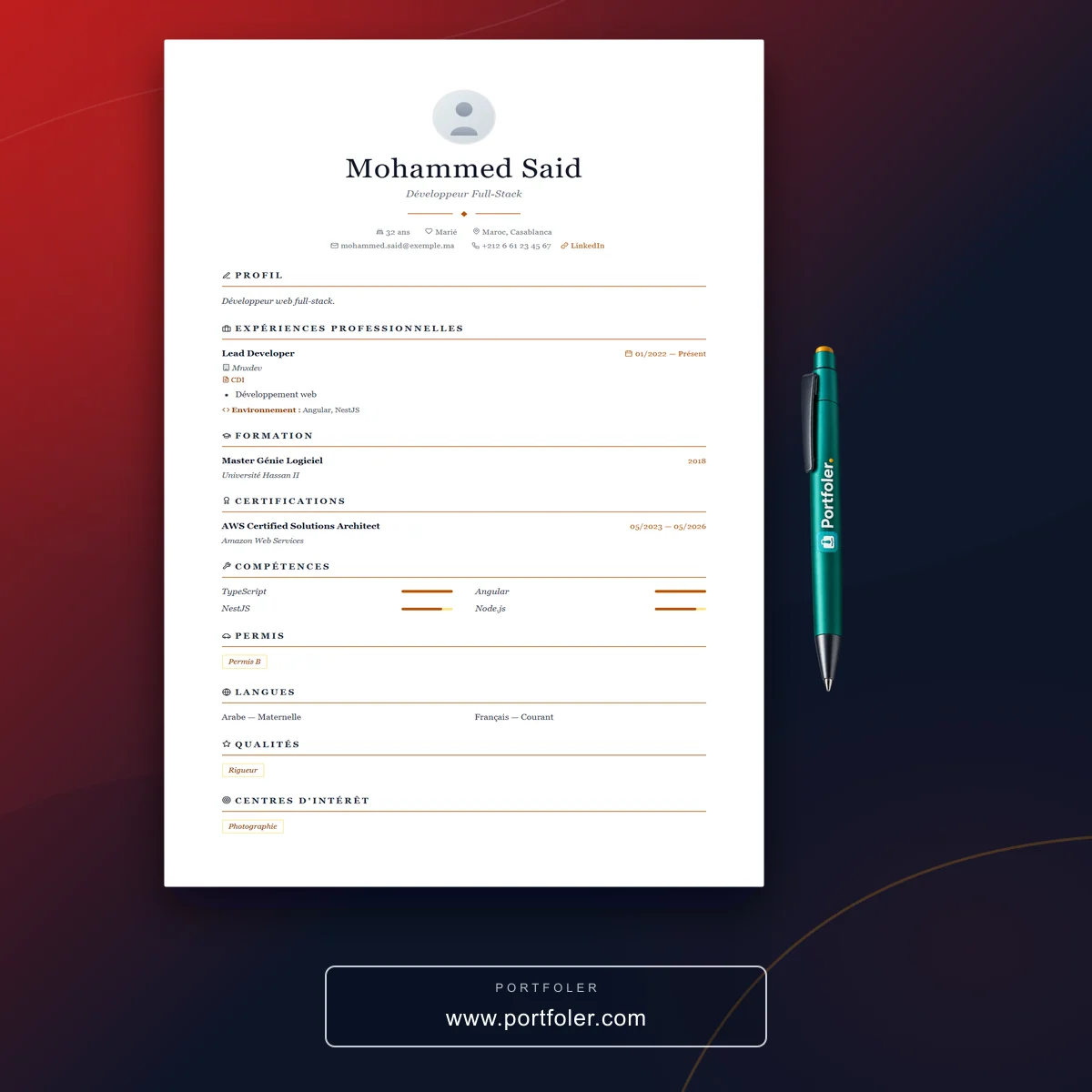
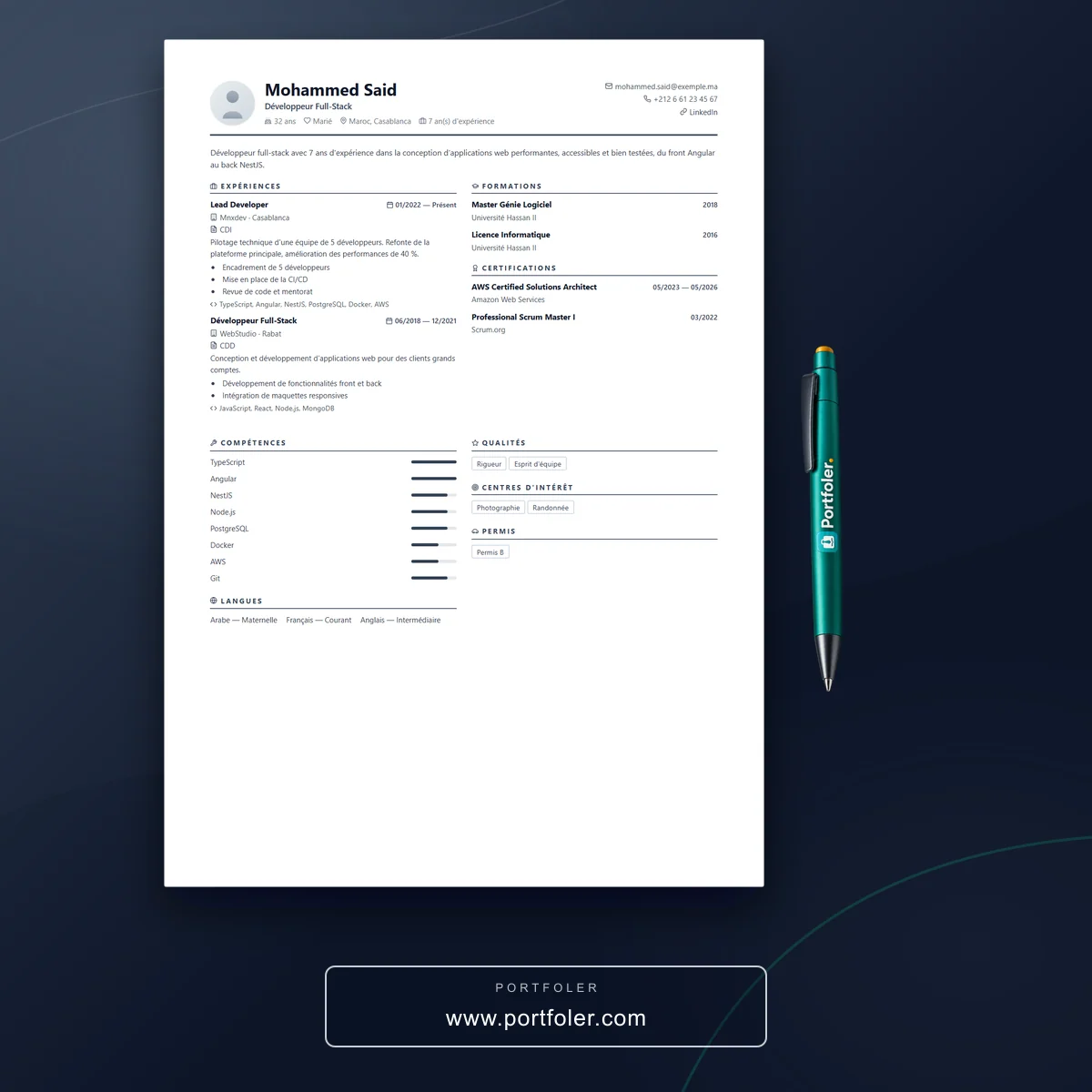
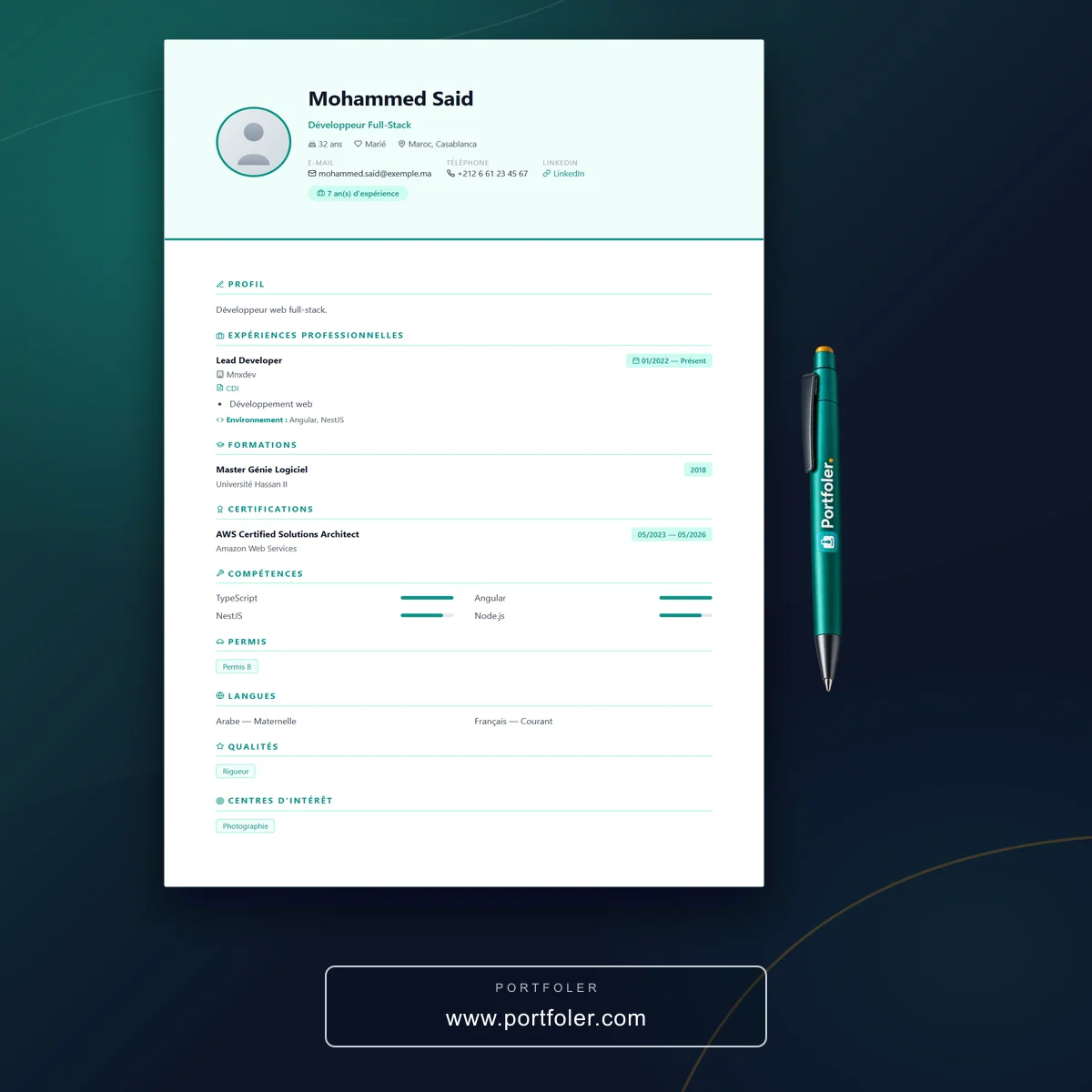
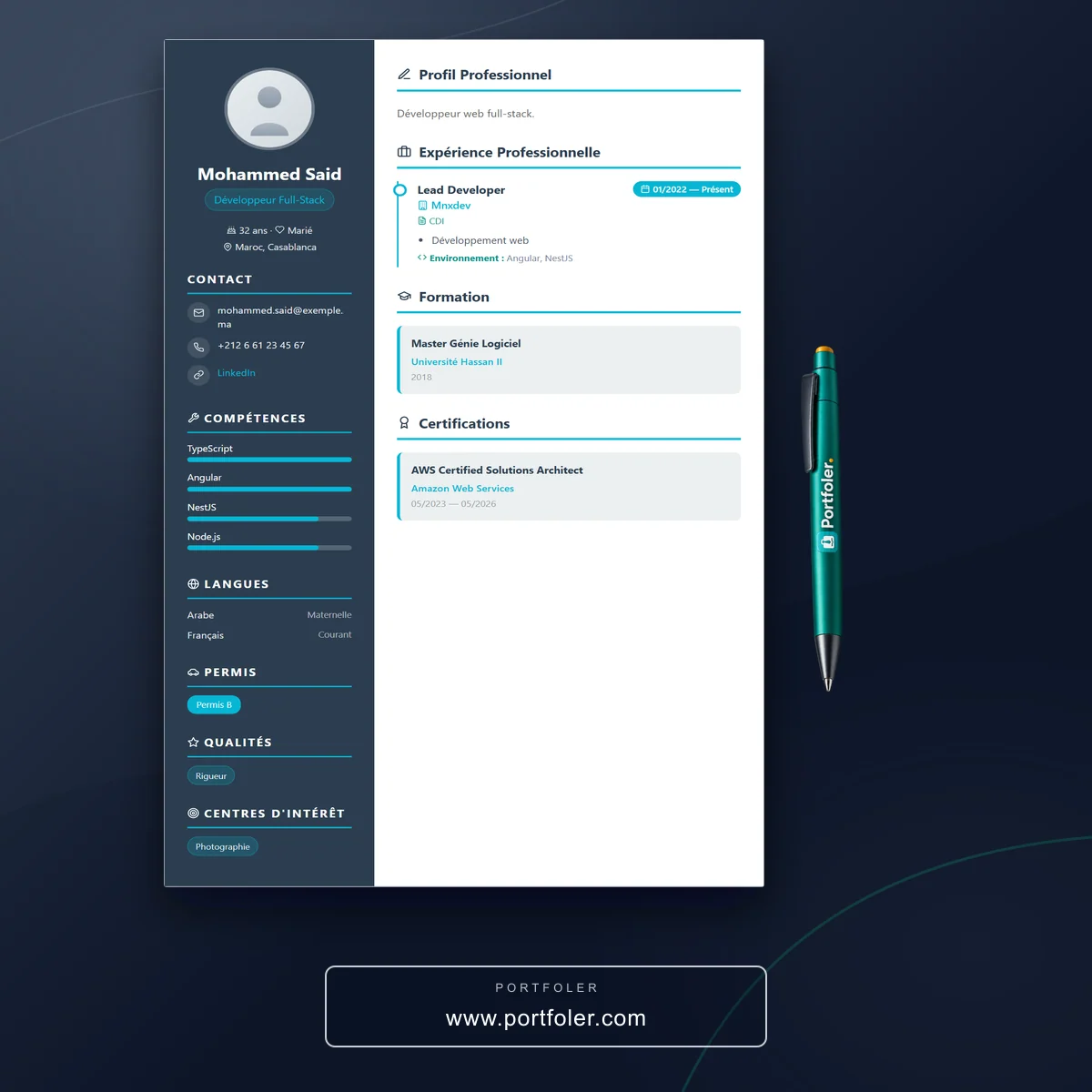
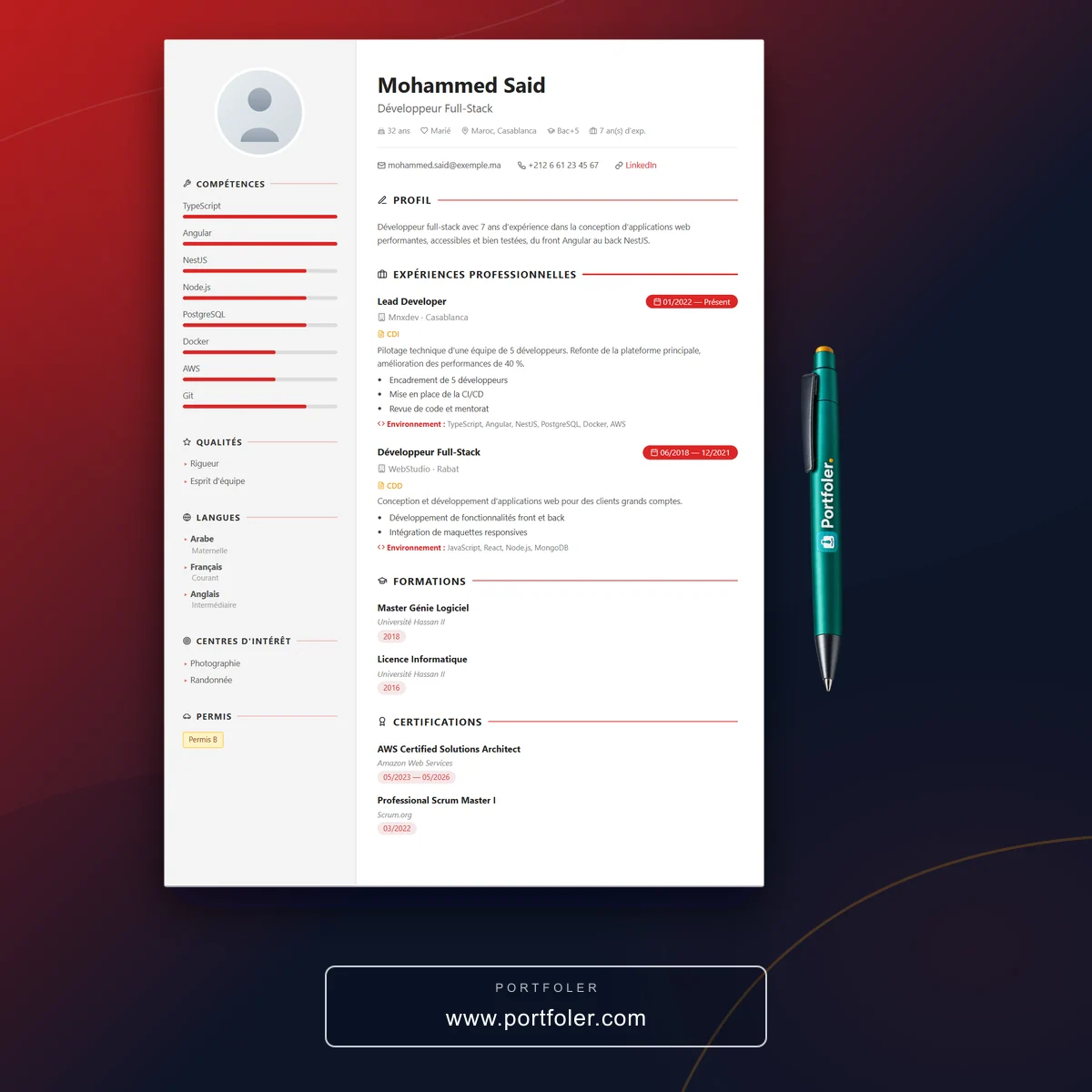
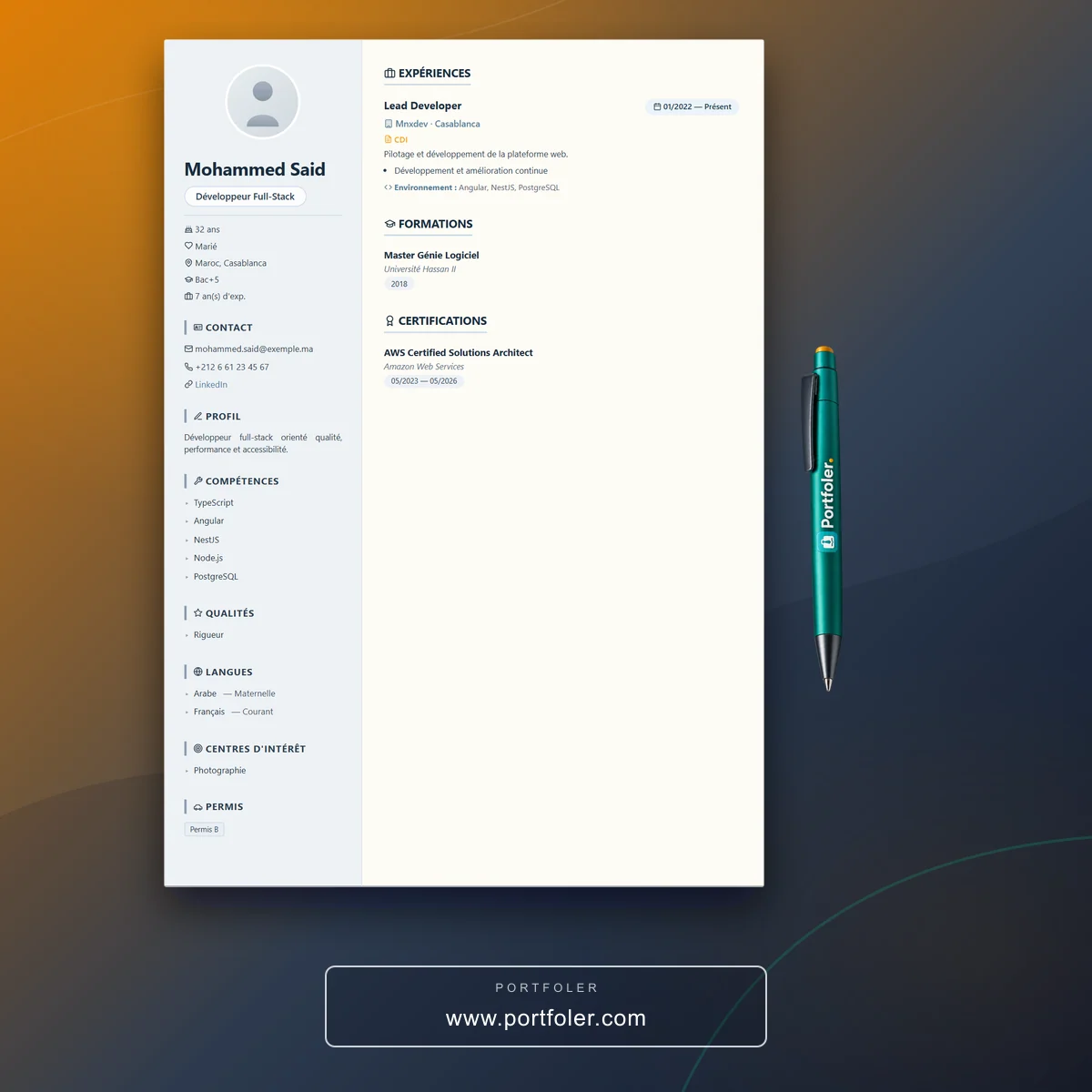
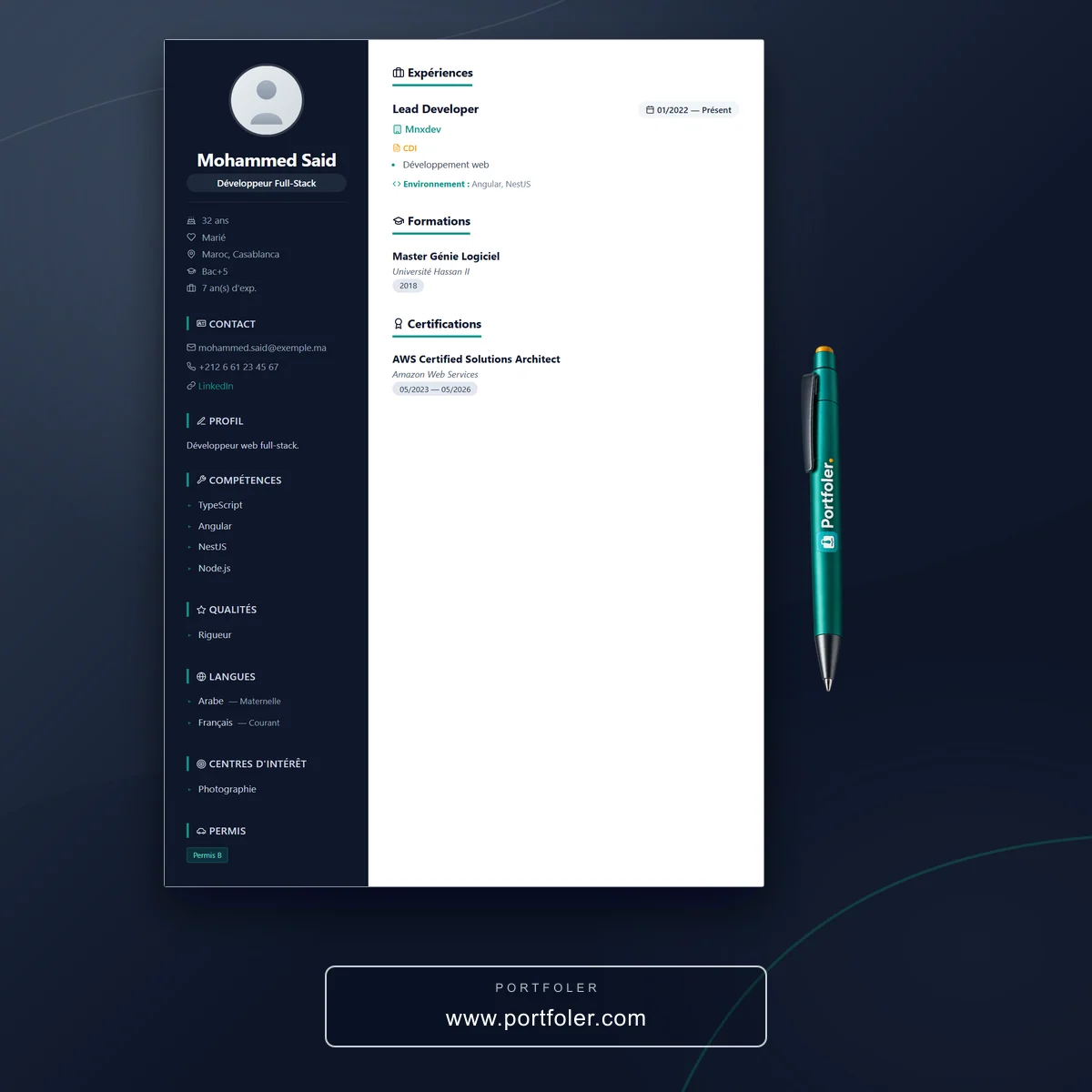
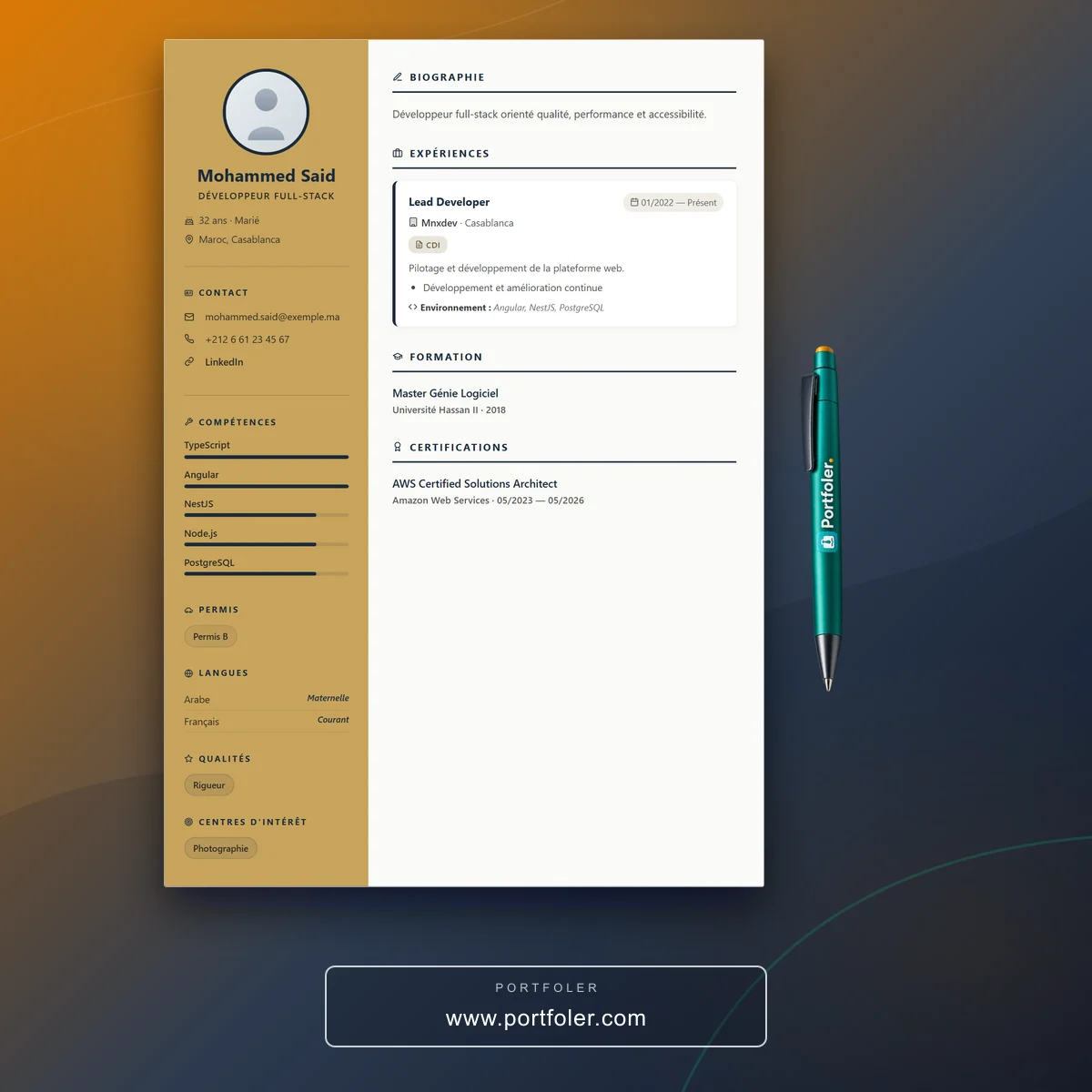
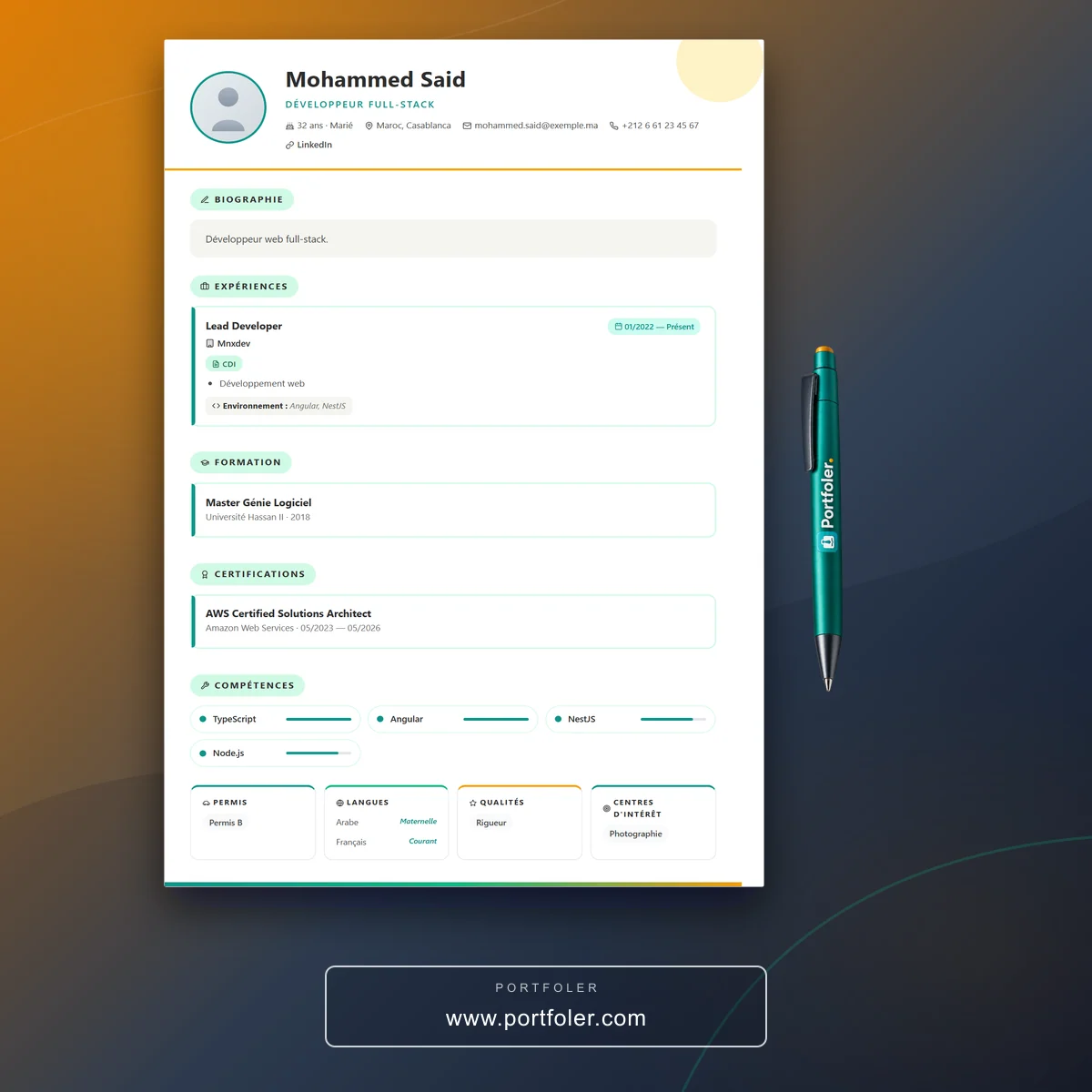
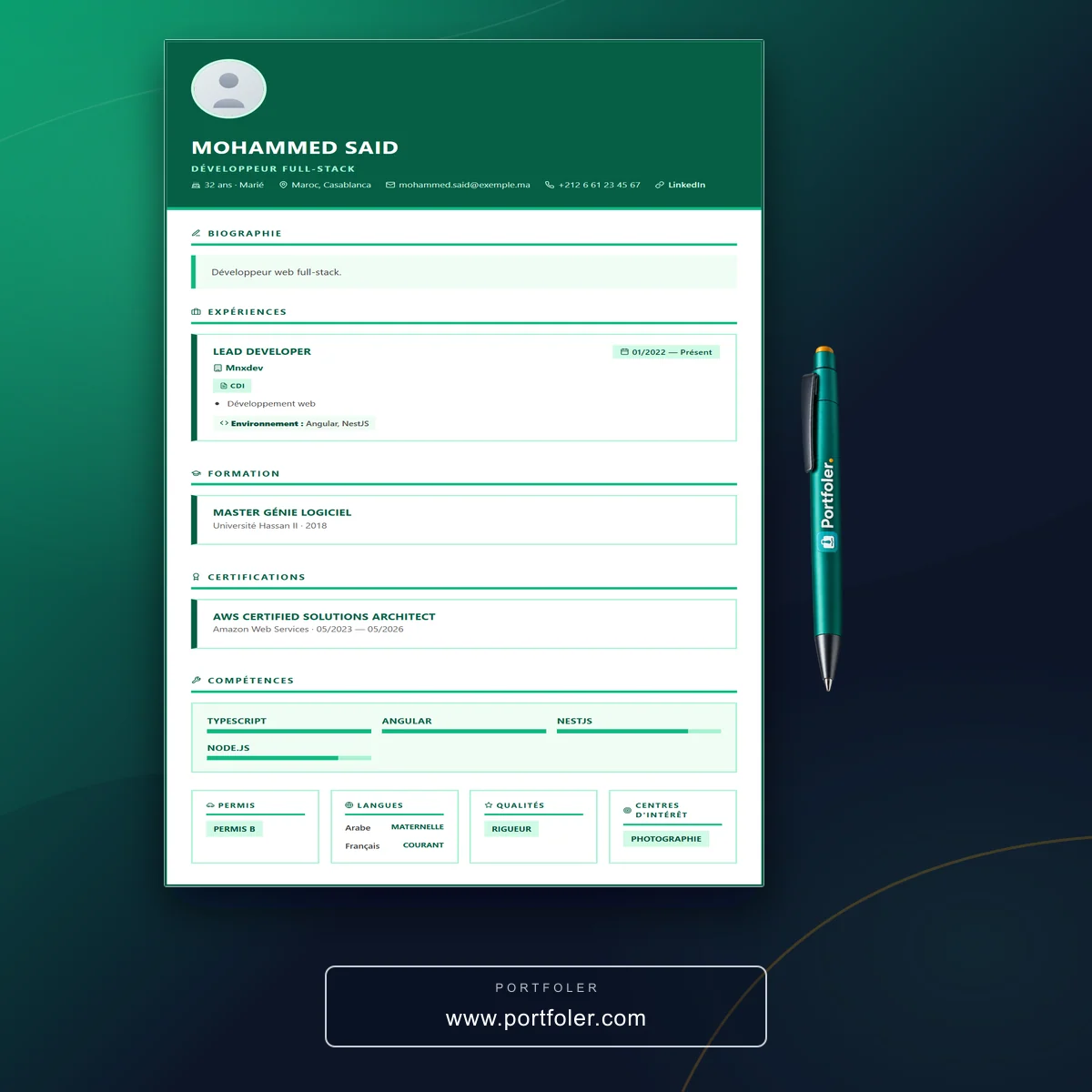
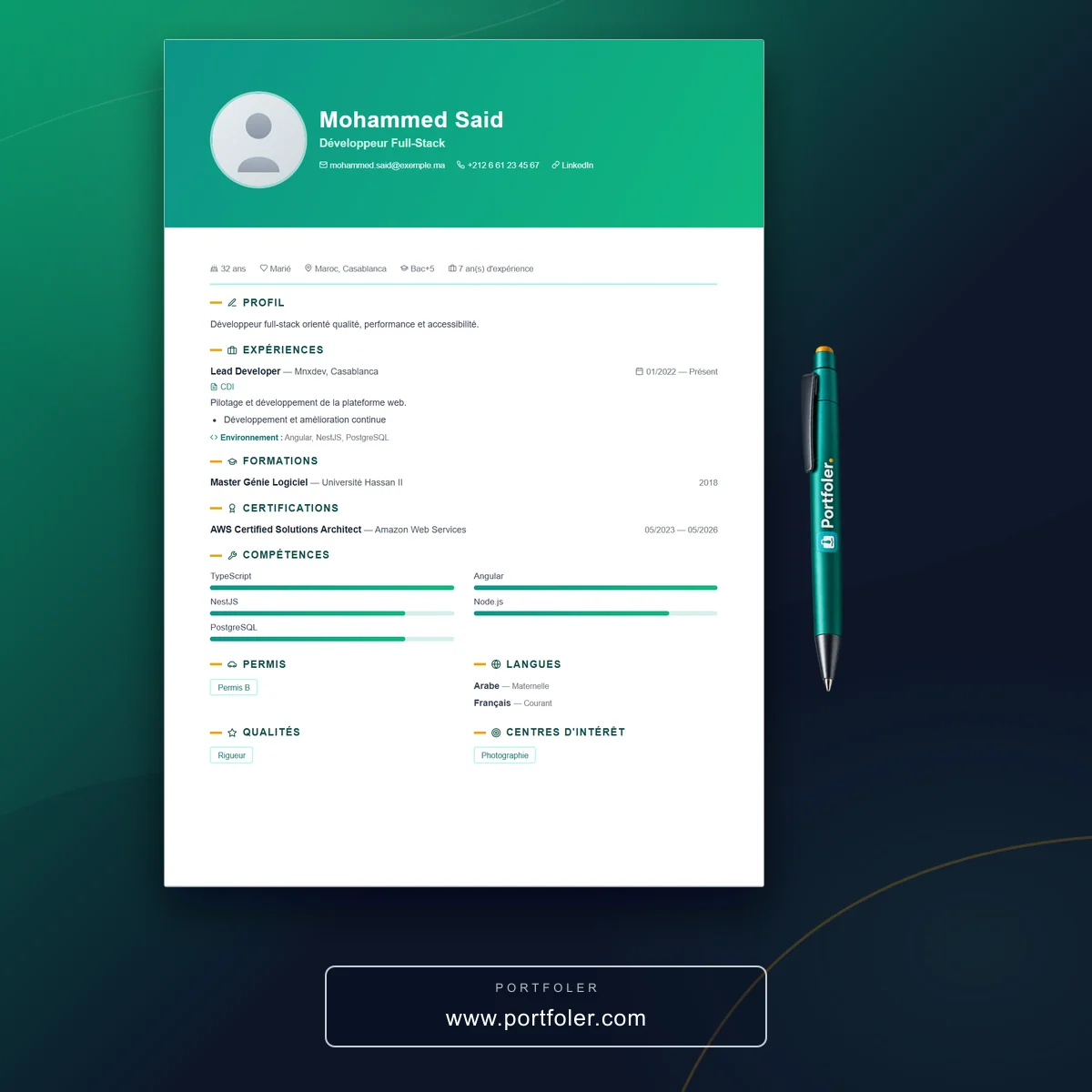
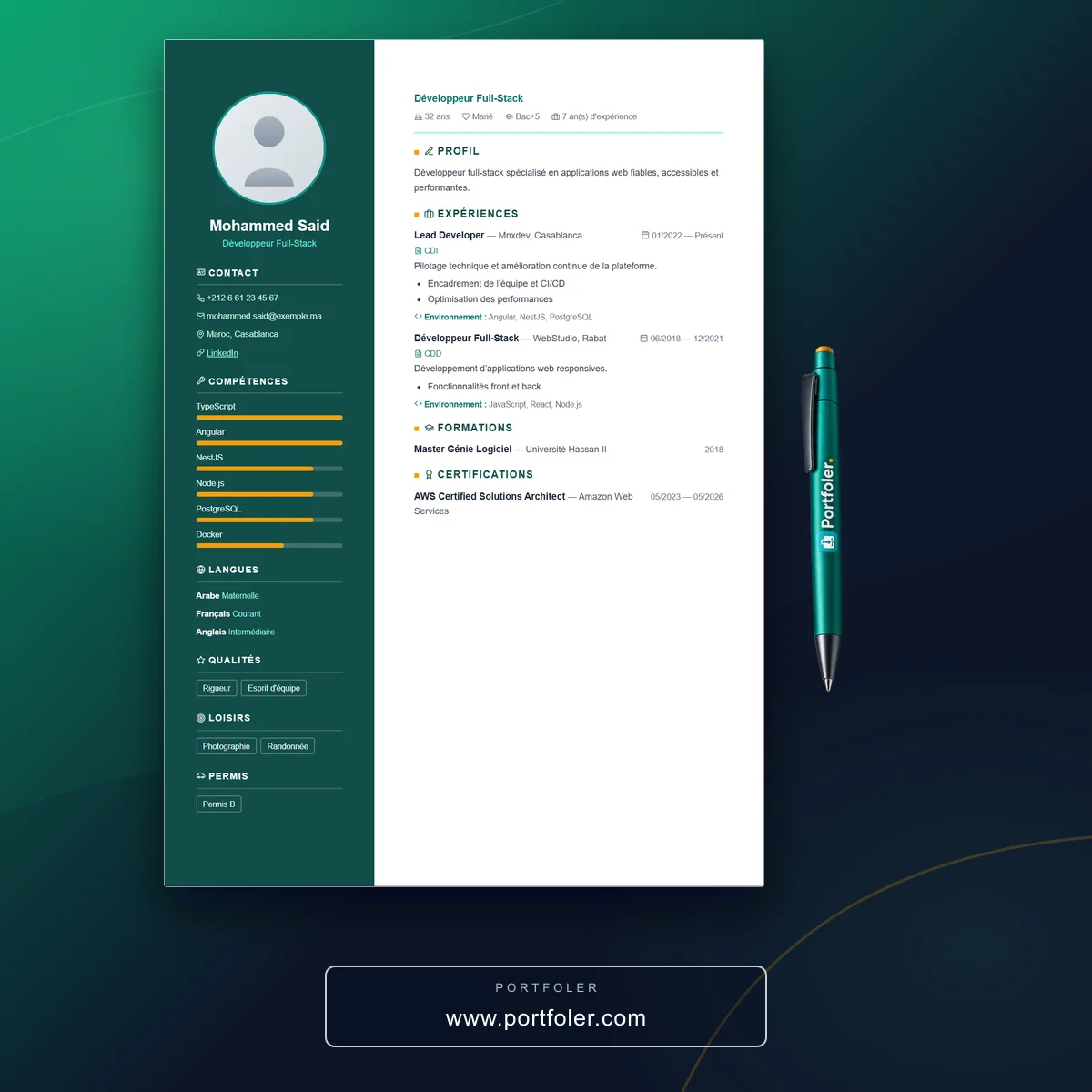
- Add it to your CV as soon as it ends, with concrete results rather than a list of tasks.
- Include your best deliverables in your portfolio, while respecting confidentiality.
- Highlight your supervisor's recommendation: it's the most credible proof for a future recruiter.
- Ask your manager whether they know companies that are hiring: a well-liked intern is often recommended elsewhere.
In short
Turning your internship into your first job isn't a matter of luck. Understand before acting, become reliable, take useful initiatives, make your work visible, state your goal halfway through and finish strong: that's how an intern becomes the obvious choice for the team.
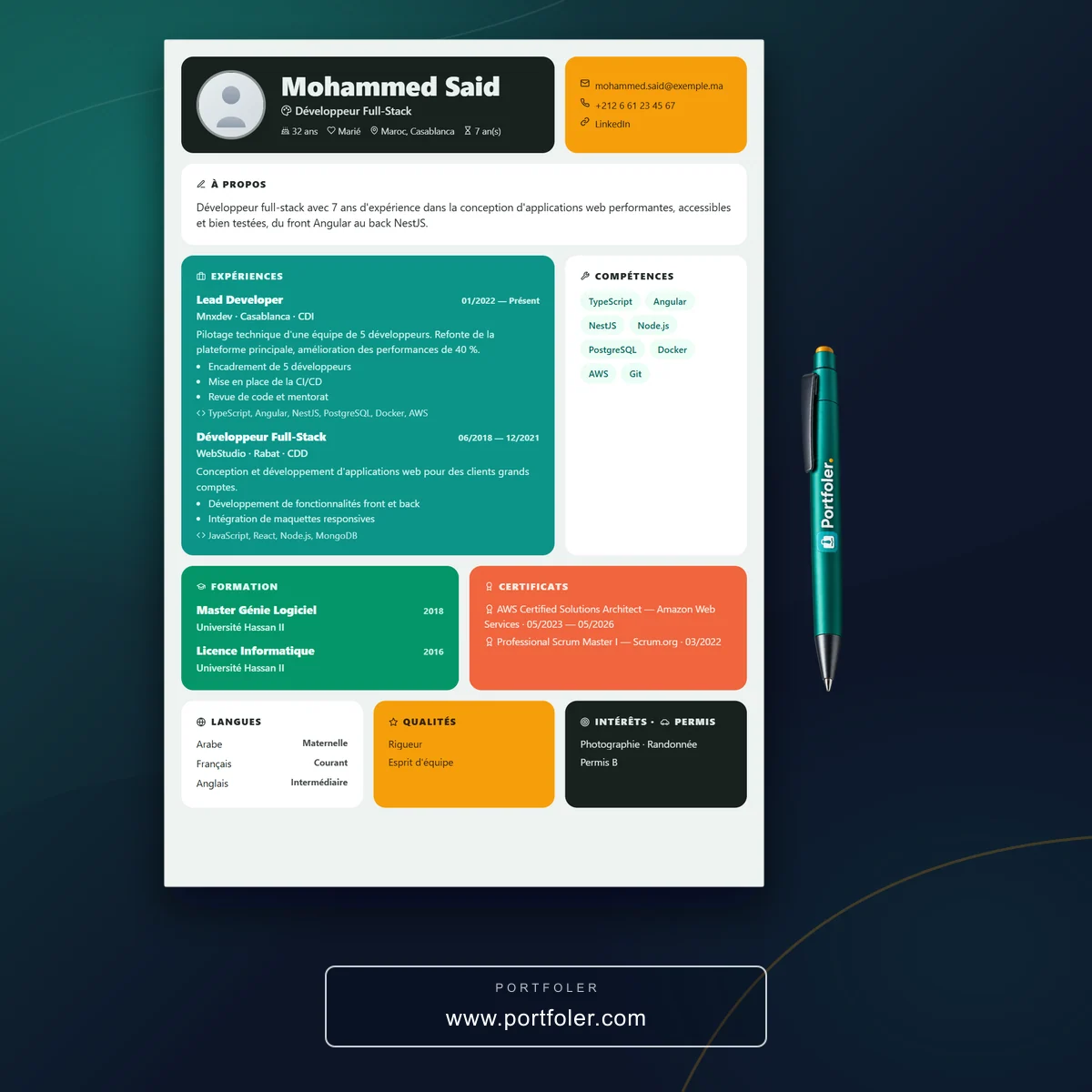
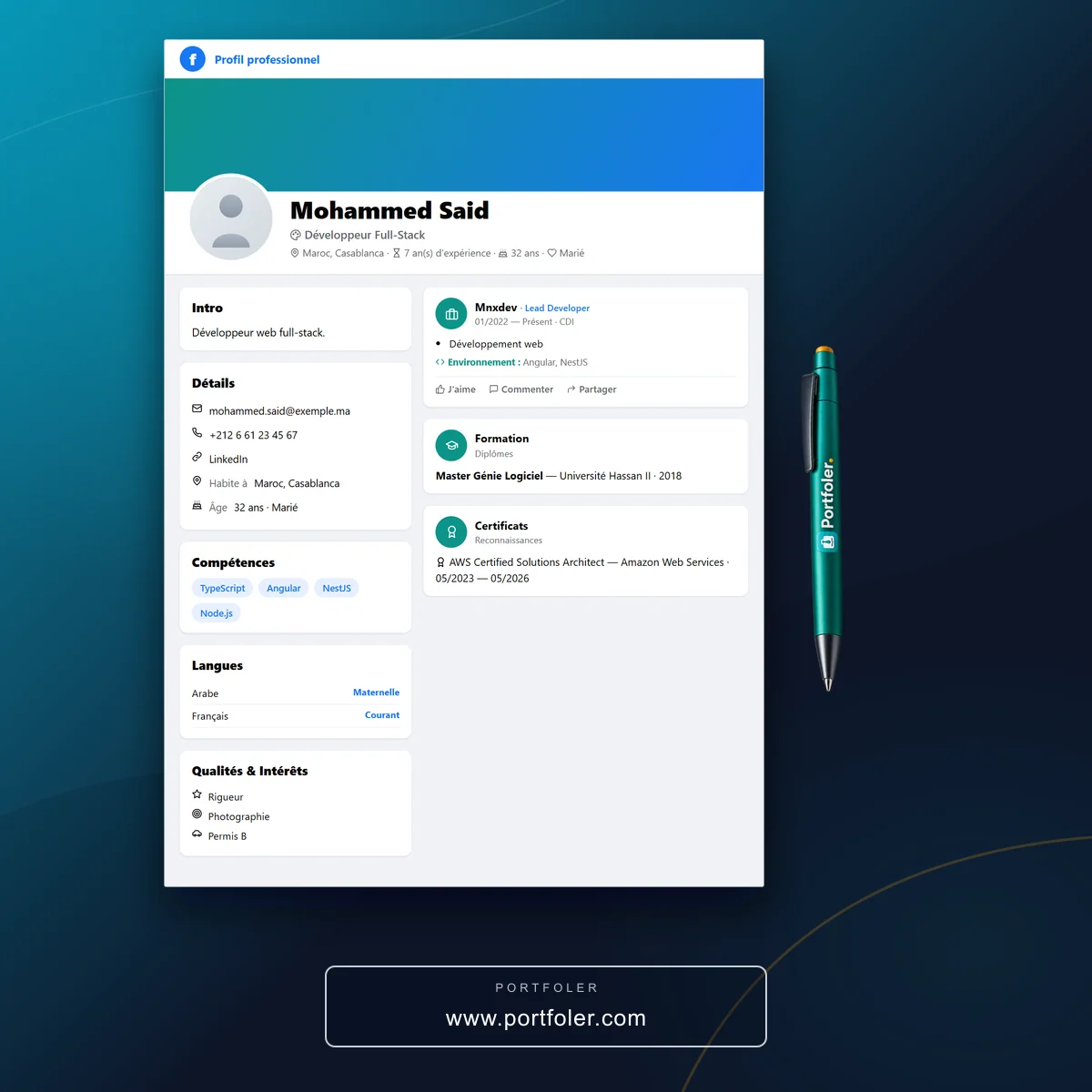
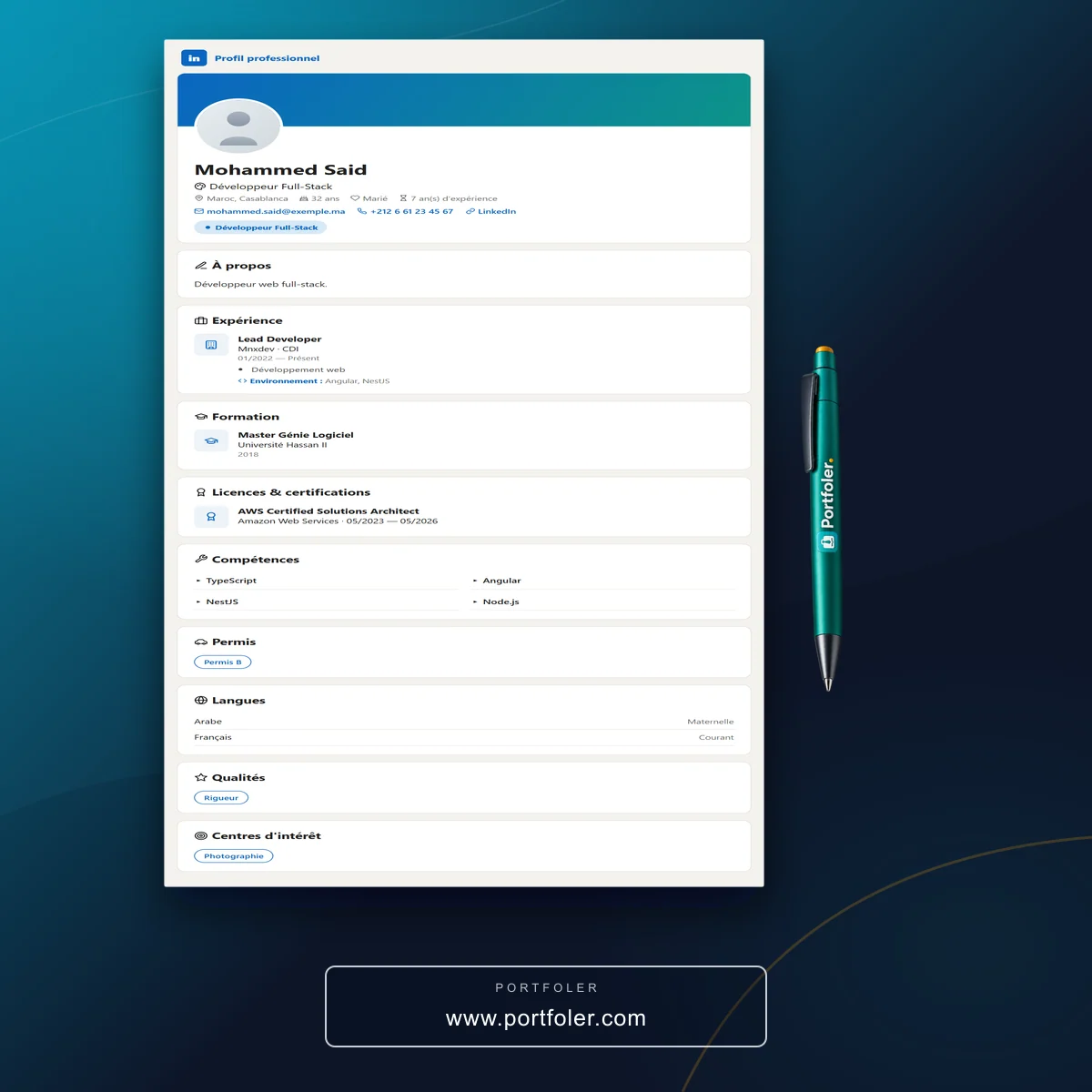
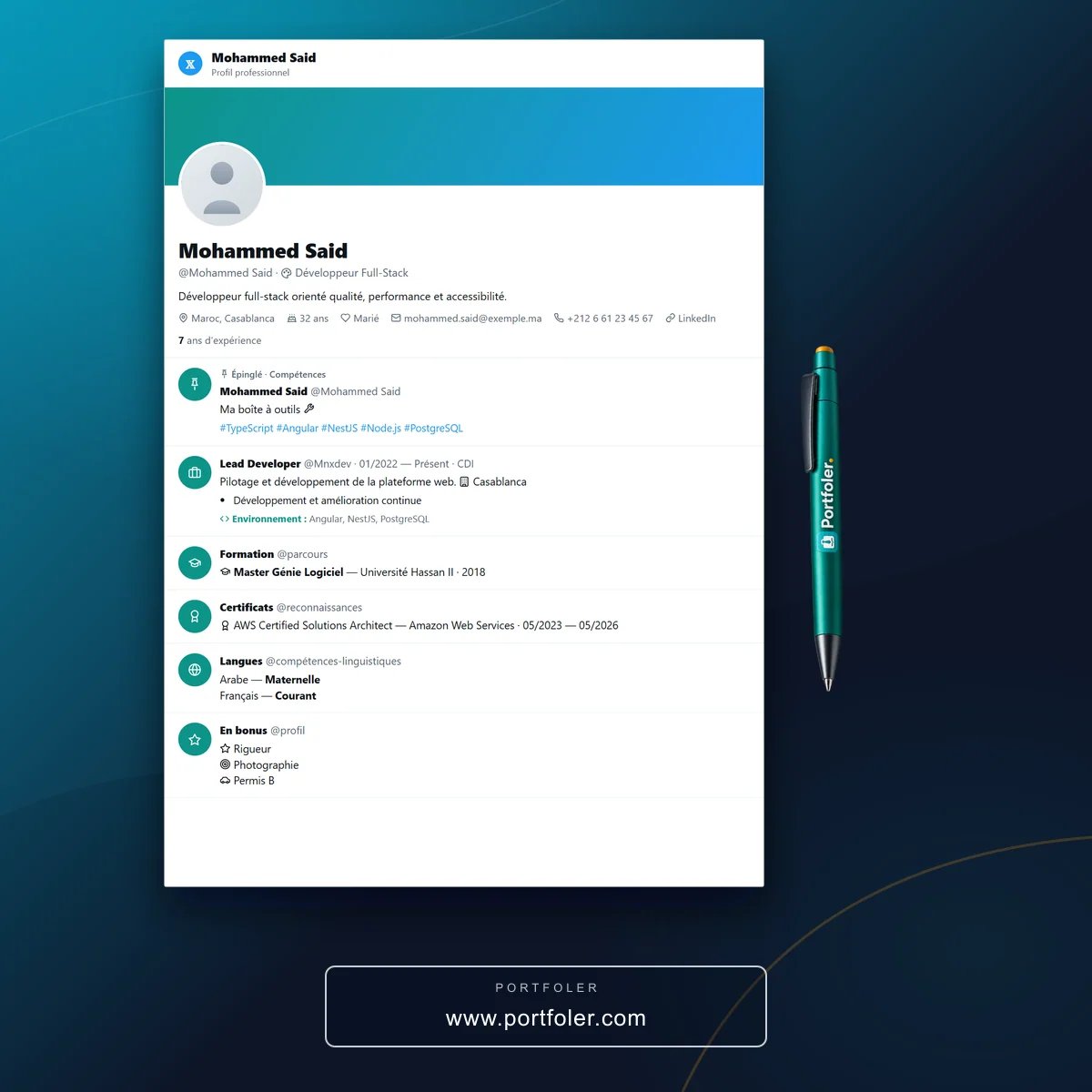
On Portfoler.com, add your internship to your CV as soon as your assignment ends, showcase your achievements in your portfolio and invite your supervisor to leave a recommendation on your profile. That way, your internship keeps working for you, whatever comes next.