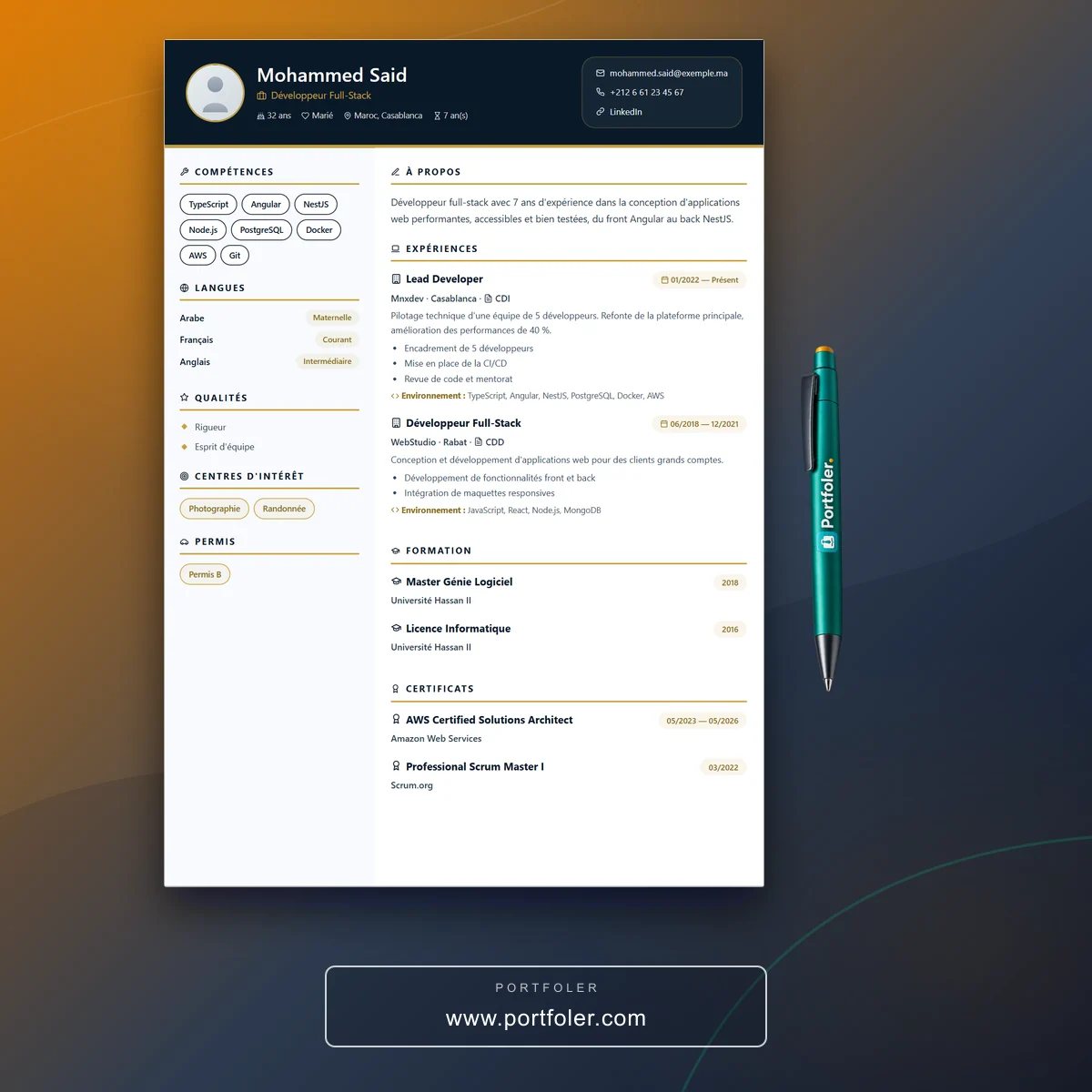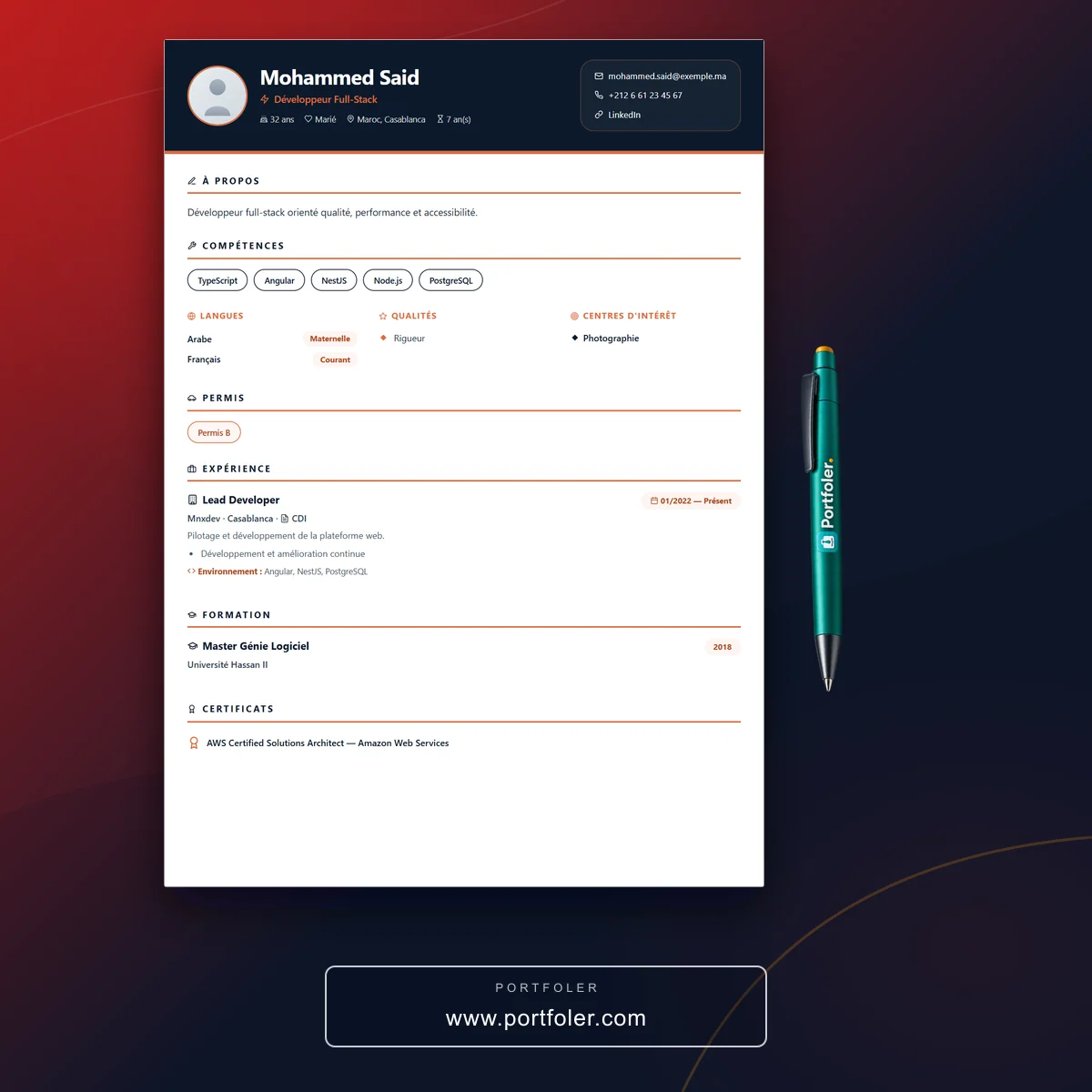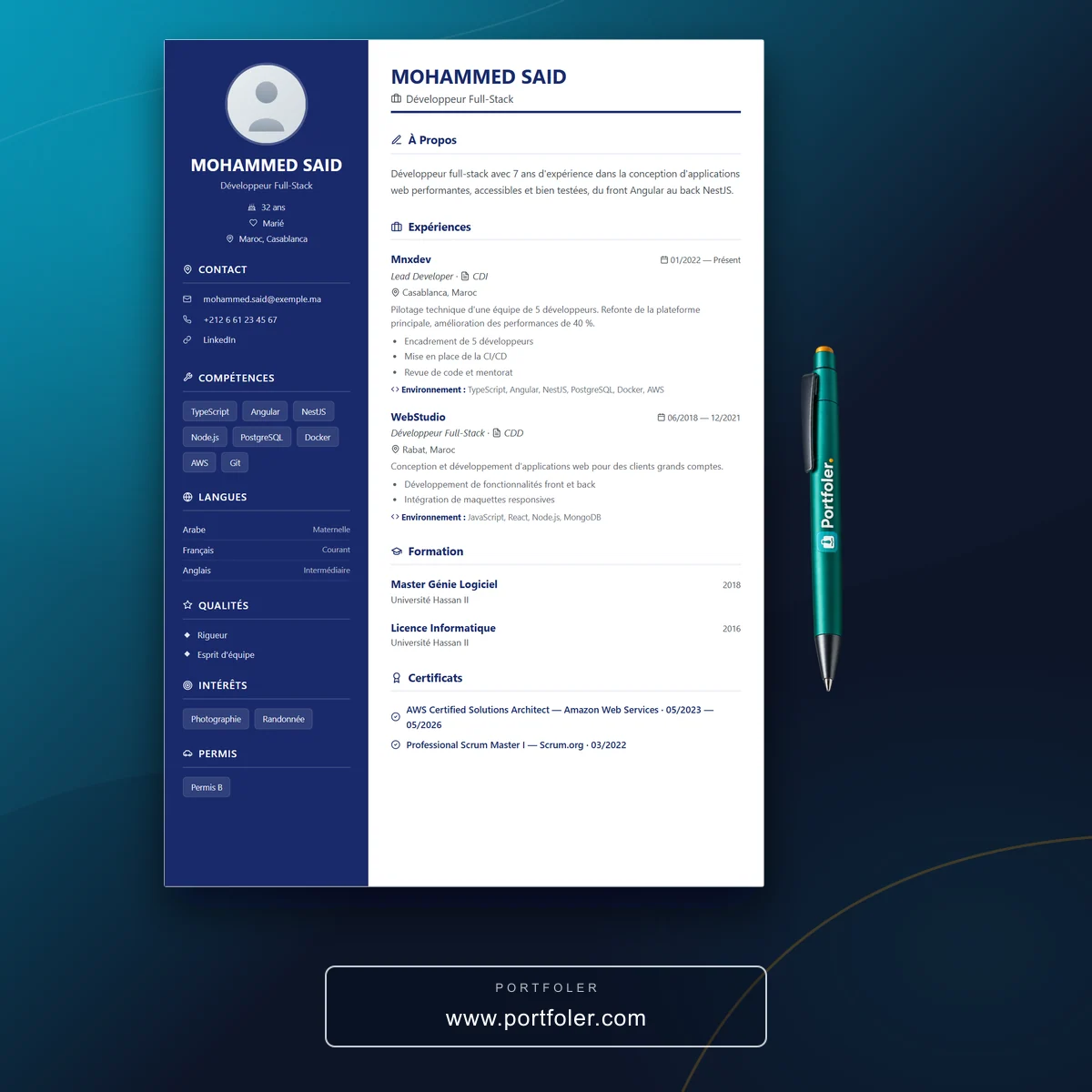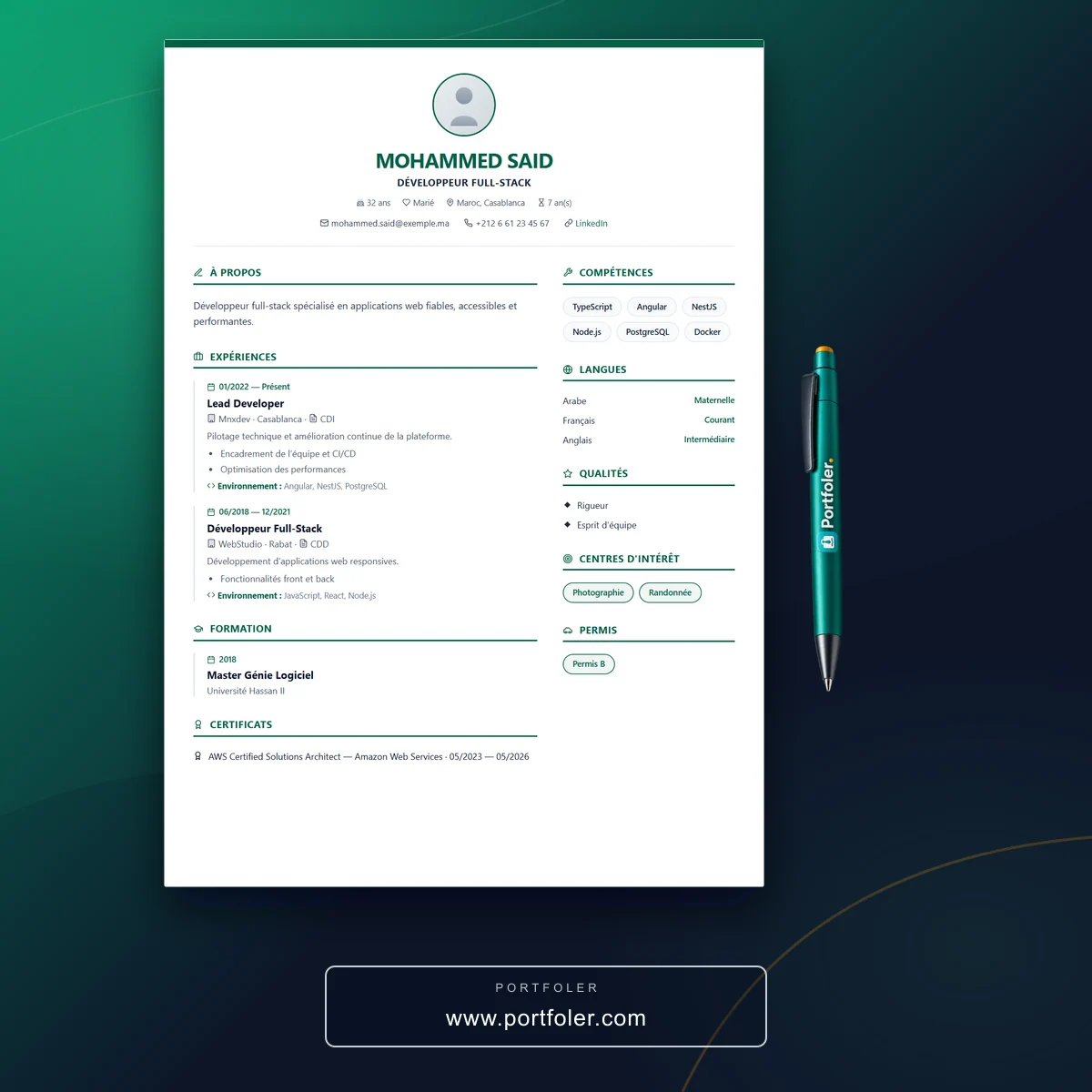
The cybersecurity engineer is the guardian of information systems. As cyberattacks, ransomware and data breaches multiply, they protect companies, their digital assets and their customers. A permanently in-demand role, at the heart of every organization's strategy.
Role overview
The cybersecurity engineer designs, deploys and monitors the systems that protect an organization's networks, systems and data against threats. They anticipate risks, detect intrusions, respond to incidents and continuously strengthen the company's security posture.
Their scope spans both defensive security (monitoring, hardening, incident response) and offensive security (penetration testing, vulnerability research). They work hand in hand with infrastructure, development and compliance teams to embed security at every stage.
Key responsibilities
- Assess risks and define the security policy.
- Design and deploy security architectures (firewalls, segmentation, encryption, IAM).
- Operate detection systems (SIEM, EDR, SOC) and triage alerts.
- Run penetration tests (pentest) and vulnerability audits.
- Lead incident response and forensic investigations.
- Embed security into development pipelines (DevSecOps).
- Raise team awareness and ensure compliance (GDPR, ISO 27001, NIS2).
Required skills
Hard skills: network and systems security, cryptography, penetration testing, identity and access management (IAM), cloud security (AWS, Azure, GCP), SIEM analysis, incident response, scripting (Python, Bash), knowledge of frameworks (ISO 27001, NIST, OWASP).
Soft skills: rigor, composure under crisis, analytical mindset, constant curiosity and threat-intelligence monitoring, ability to educate non-technical teams.
Salaries around the world
A cybersecurity engineer's pay varies widely from one country to another, depending on cost of living, security-market maturity and how scarce the profile is. The salary-by-country table below gives indicative gross annual ranges, in local currency, for a confirmed-to-senior profile. The global talent shortage places this role among the best-paid in tech.
Career path
The role offers a clear progression, whatever the country:
- Junior (0 – 3 years): SOC analyst, supervised security administration, monitoring and remediation.
- Confirmed (3 – 6 years): pentesting, security engineering, autonomous incident response.
- Senior (6 – 10 years): security architecture, SOC leadership, technology choices, mentoring.
- Expert / Lead (10+ years): CISO, Security Architect, Head of Security — with pay well above confirmed ranges.
Remote work and international contracts let many security engineers access foreign pay scales from their country of residence.
Education & training
There is no single path. The most common routes:
- Bachelor's to Master's in computer science, networks or cybersecurity (engineering schools, universities, specialized master's).
- Progression from systems/network administration or development, very common.
- Recognized certifications (CISSP, CEH, OSCP, CompTIA Security+, ISO 27001 Lead Auditor).
The market values demonstrated skills (CTF, bug bounty, real projects) as much as the degree alone.
Opportunities & sectors
The cybersecurity engineer is recruited wherever data and continuity are critical: banking and finance, telecoms, healthcare, industry, public sector, SaaS vendors, consulting firms and specialized IT services. The growing cyber threat makes this a durably scarce and sought-after profile, with many freelance and international remote opportunities.
In summary
A strategic, high-demand and well-paid role at the heart of digital trust. If you protect systems and anticipate threats, create your profile on Portfoler.com and attract the projects and recruiters that match your ambitions.
 United States
 United Kingdom
 Germany
 France
 Canada
 United Arab Emirates
 Morocco
 India
 Spain
 Australia
 Netherlands
 Brazil