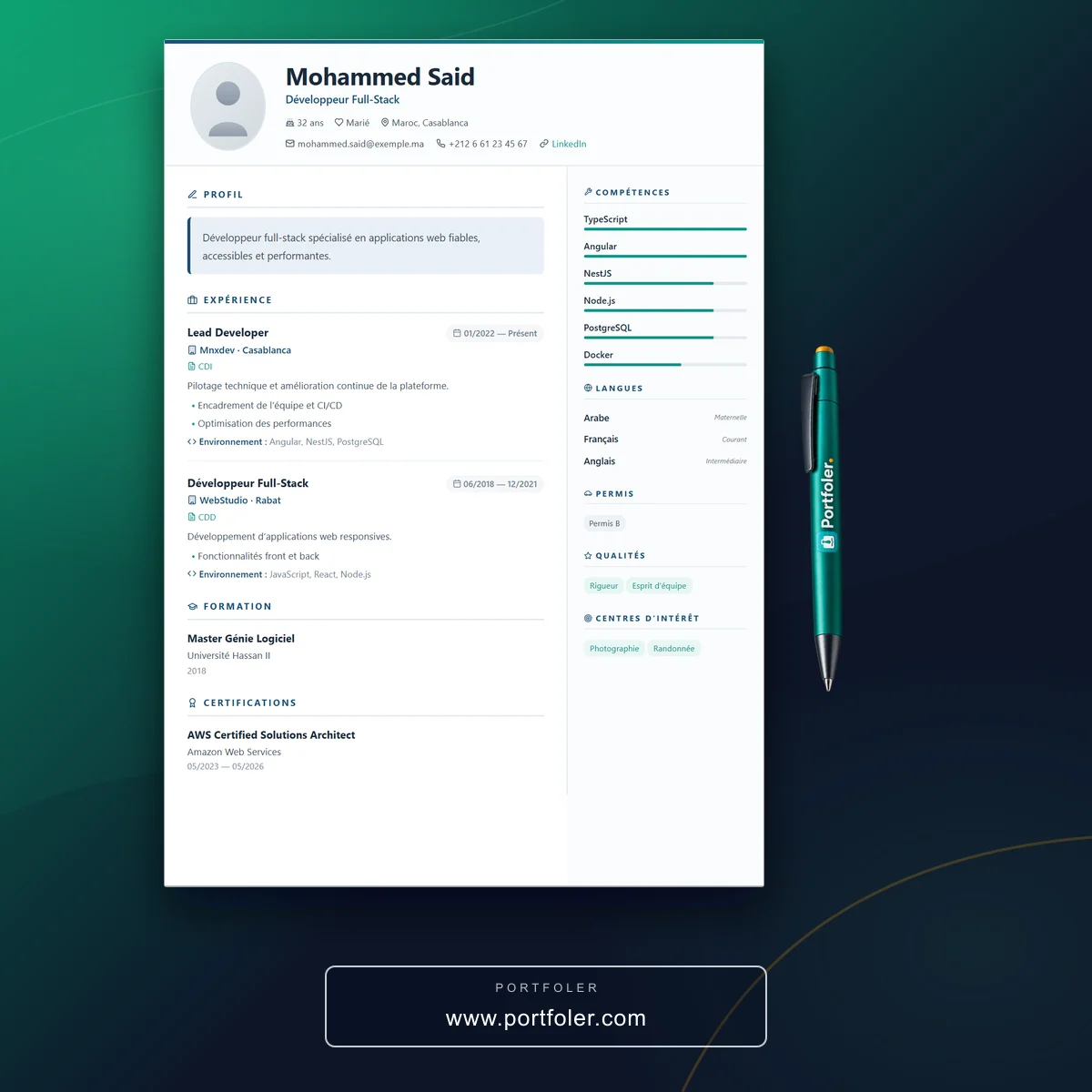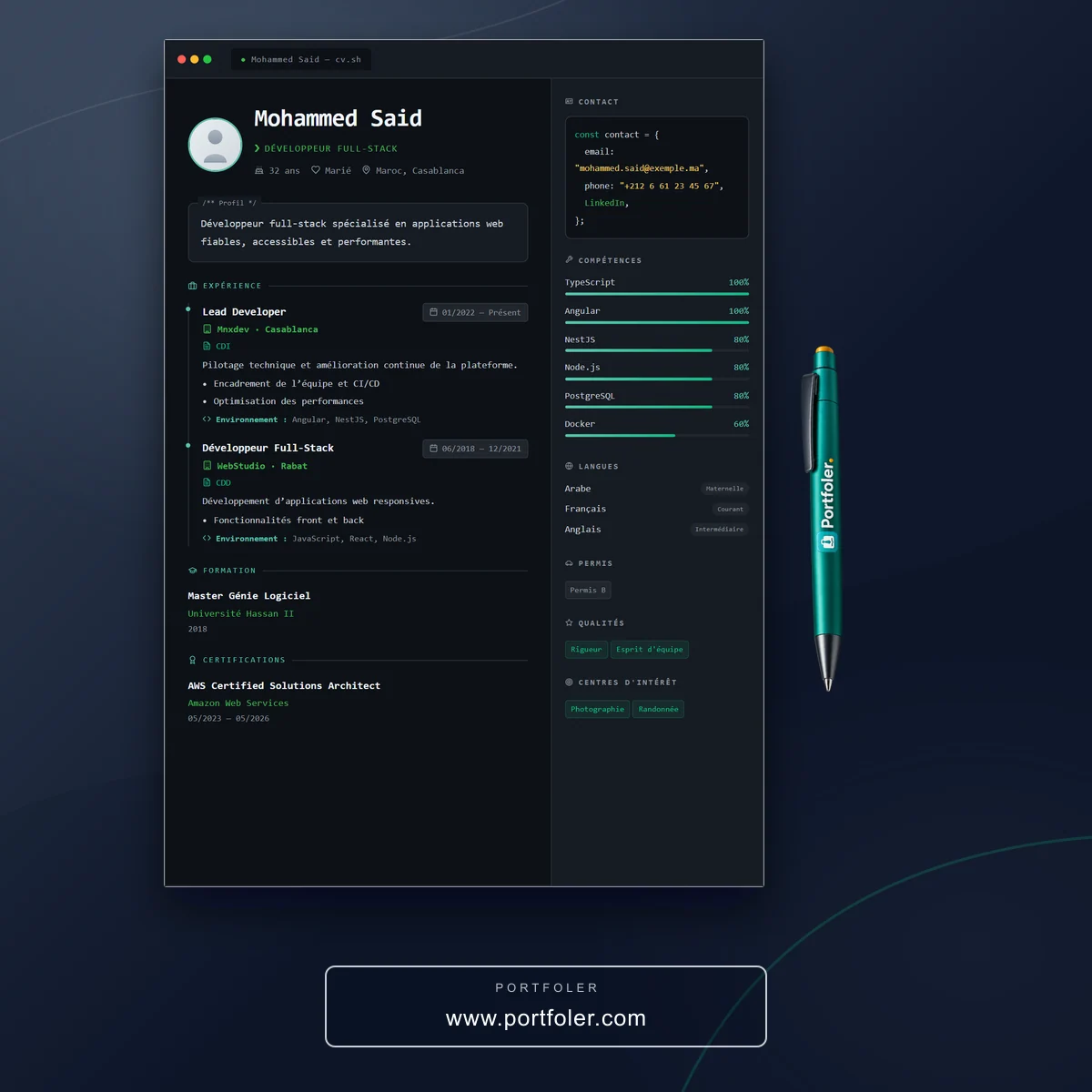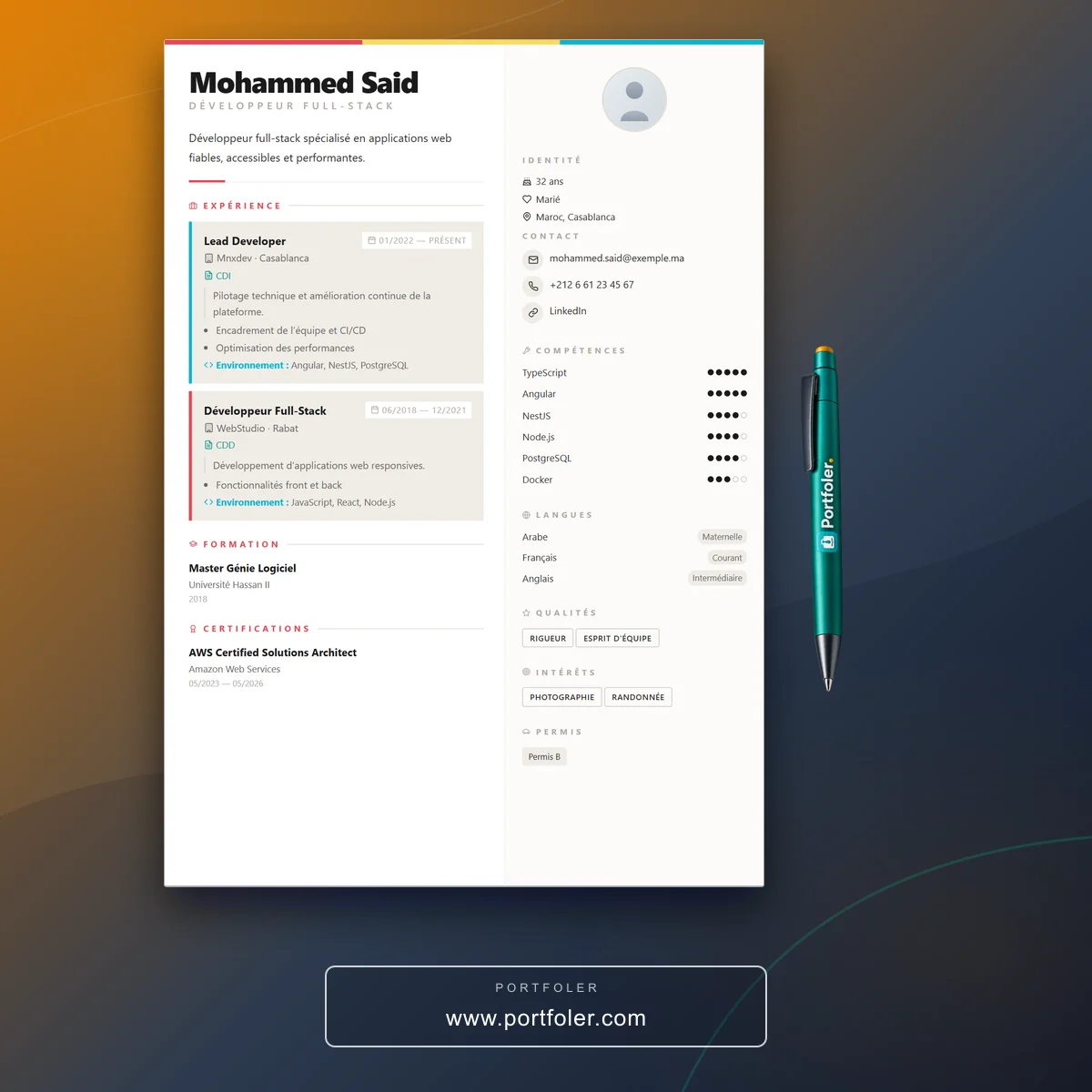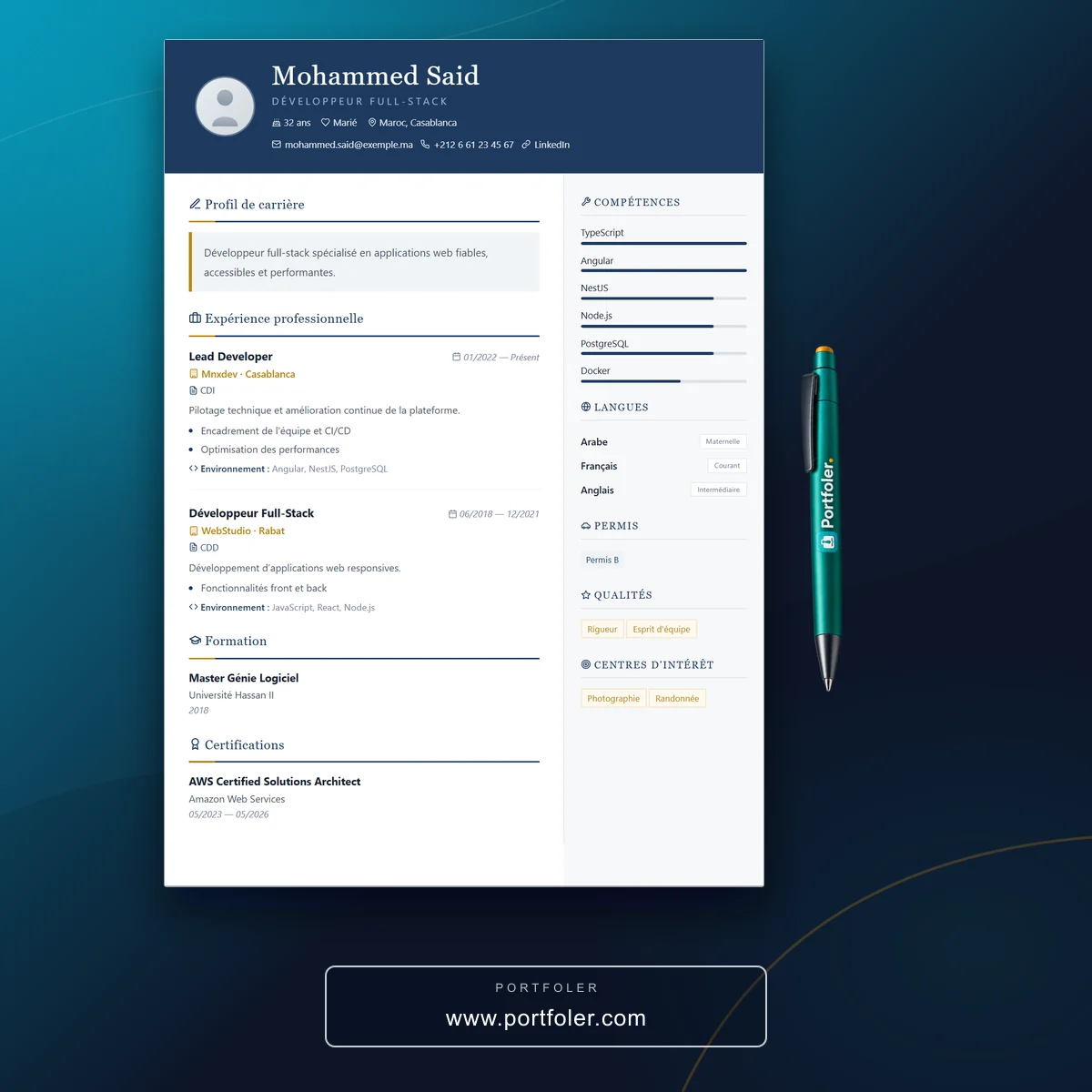
The executive assistant is the right hand of an executive or a leadership team. They manage the diary, filter requests, prepare files and keep information flowing. It is a position of trust, discreet yet strategic, found in every company and every region of the world.
Job description
The executive assistant (or personal assistant to the director) handles the day-to-day organisation of one or more executives: diary management, meeting preparation, travel arrangements, mail and e-mail processing. They prepare documents, presentations and minutes, and follow up on decisions taken.
As a key point of contact for employees, clients and partners, they often represent management on the front line. With experience, they may lead cross-functional projects, organise events or monitor certain budgets.
Key responsibilities
- Manage the executive's diary and set priorities.
- Organise meetings, executive committees and board meetings.
- Prepare files, presentations and briefing notes.
- Write minutes and follow up on agreed actions.
- Arrange business travel (transport, accommodation, visas).
- Screen and handle calls, e-mails and mail.
- Manage documentation, filing and confidential information.
- Track expense reports and some management budgets.
- Coordinate one-off projects or internal events.
Required skills
Hard skills: complex diary management, logistics organisation, flawless business writing, note-taking and summarising, advanced office suite skills, document management, professional English (a third language is a plus), basic budget monitoring.
Soft skills: absolute discretion, anticipation, organisation, responsiveness, diplomacy, interpersonal ease, the ability to handle emergencies and shifting priorities.
Salaries around the world
An executive assistant's pay depends on the country, the company size and the seniority of the person supported. The salaries by country table below shows indicative gross annual ranges, in local currency, from entry-level to senior profiles. Executive Assistant roles supporting the CEO of a large group or in an international environment sit at the top of the range.
Career path
- Administrative Assistant (0 – 3 years): administrative support for a team or department.
- Executive Assistant (3 – 7 years): supporting a director or leadership team.
- Senior Executive Assistant / Assistant to the CEO (7+ years): supporting a CEO, managing strategic projects.
- Next steps: office manager, chief of staff, project officer, facilities manager.
Education & training
- Two- to three-year degree in executive assistance, SME management or office management.
- Language training and office software certifications (TOEIC, Microsoft Office certifications).
- Career change possible from reception, administration or secretarial roles, with gradually increasing responsibilities.
English proficiency and mastery of collaboration tools often make the difference.
Opportunities and sectors
Executive assistants work in every sector: large groups, SMEs, law and consulting firms, banks, international organisations, embassies, public institutions and startups. The role is evolving into a true partnership with management, more focused on project management and coordination.
In summary
A trusted, versatile role that is essential to running any leadership team. If you are organised, discreet and responsive, create your profile on Portfoler.com and present your strengths to hiring companies.
 United States
 United Kingdom
 Germany
 France
 Canada
 United Arab Emirates
 Morocco
 India
 Spain
 Australia
 Netherlands
 Brazil