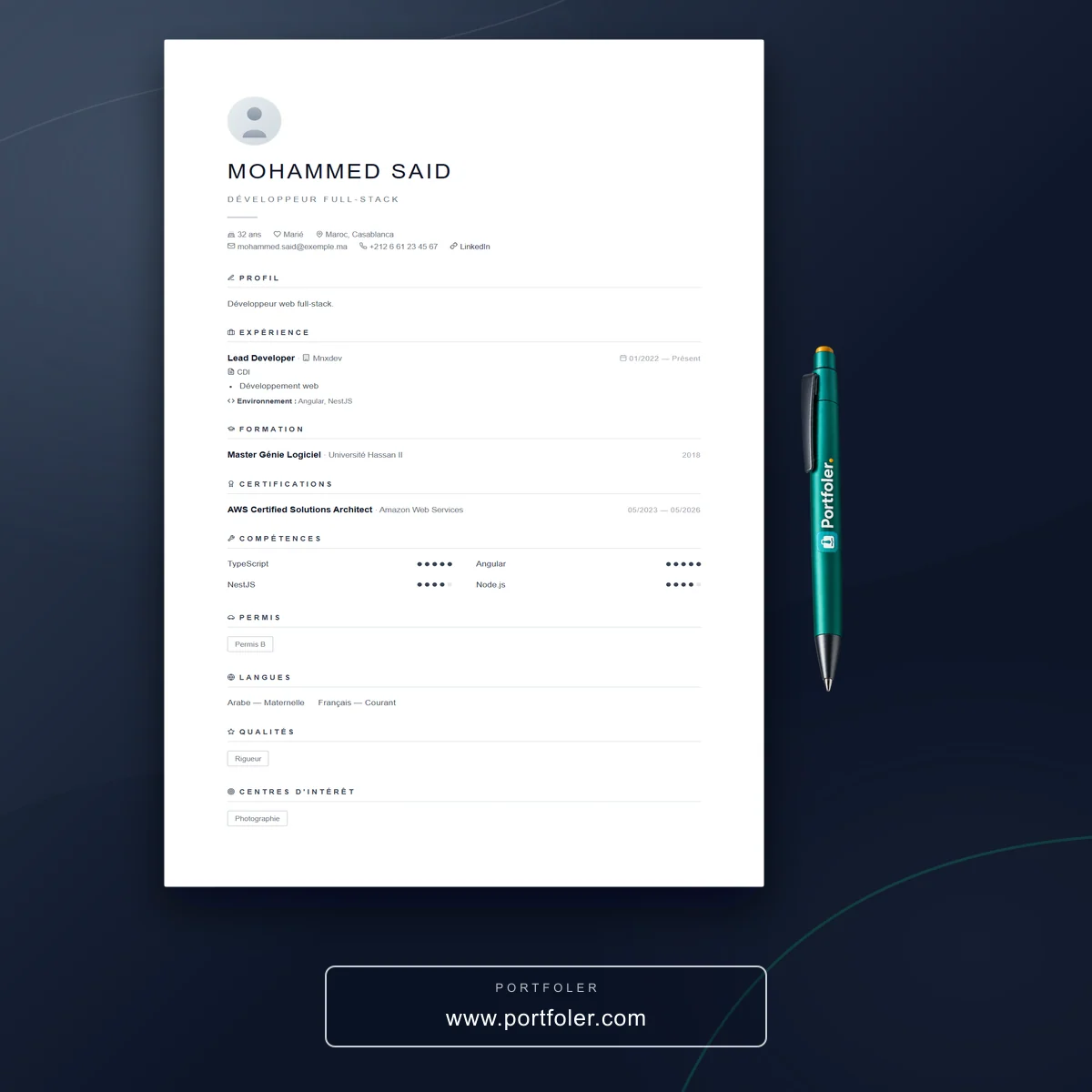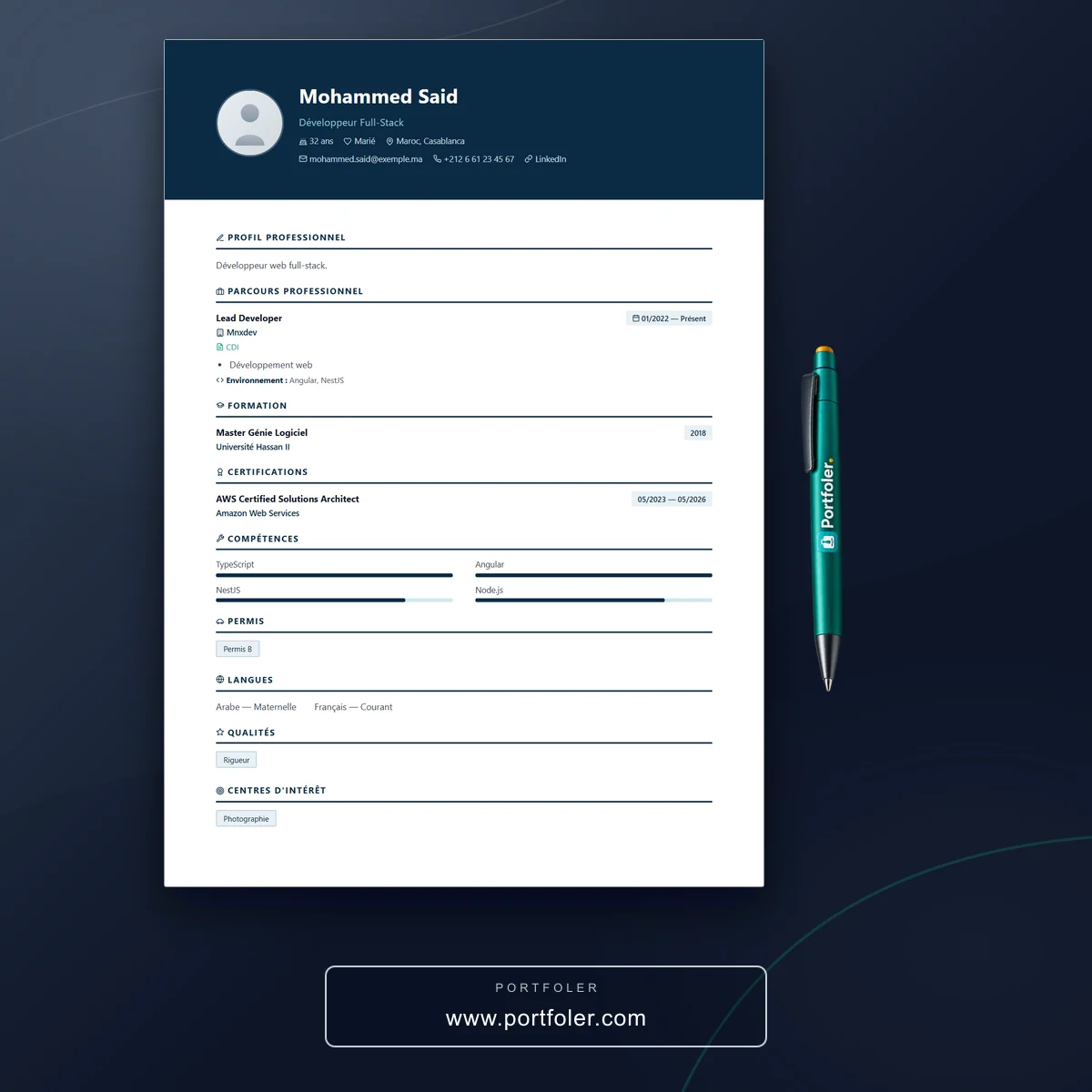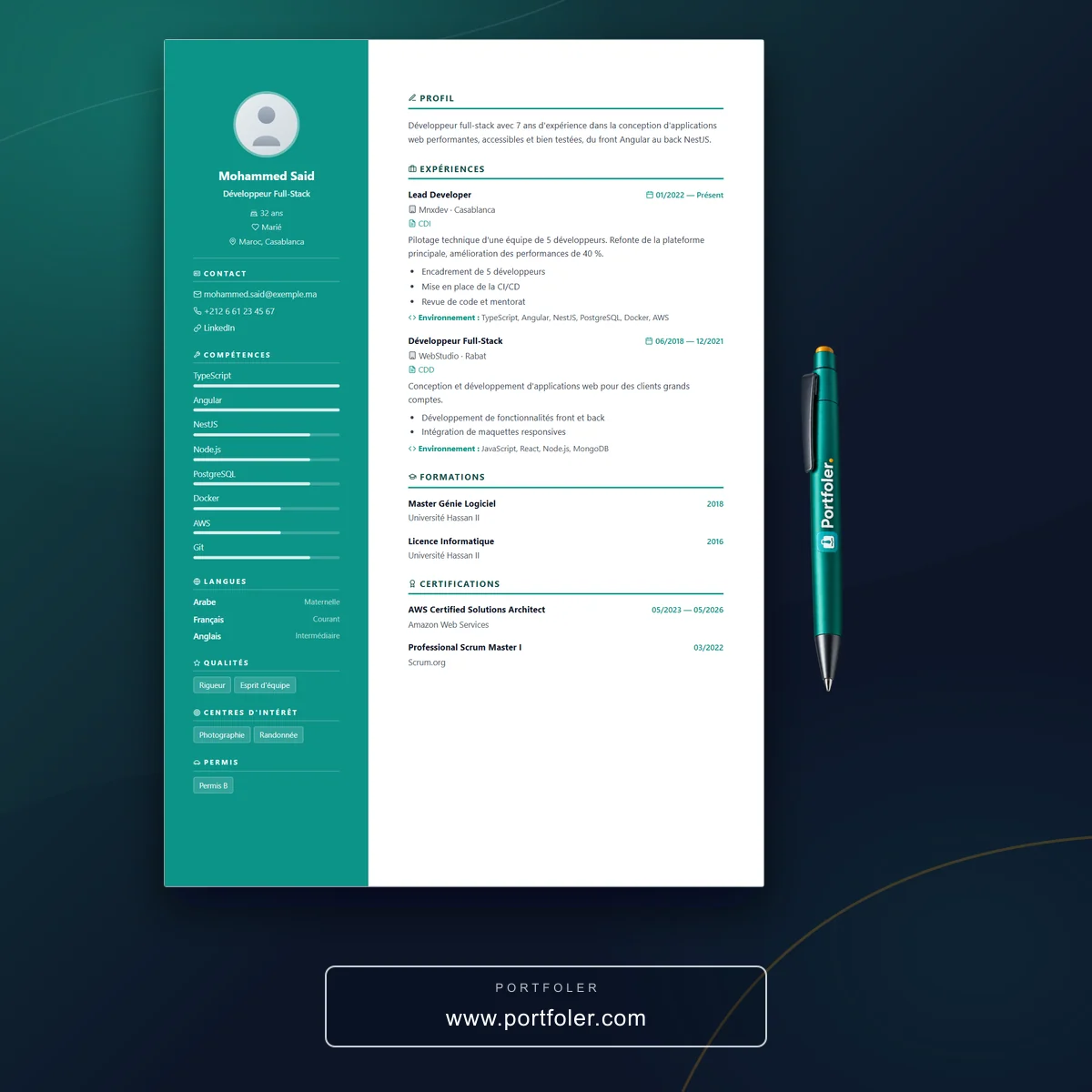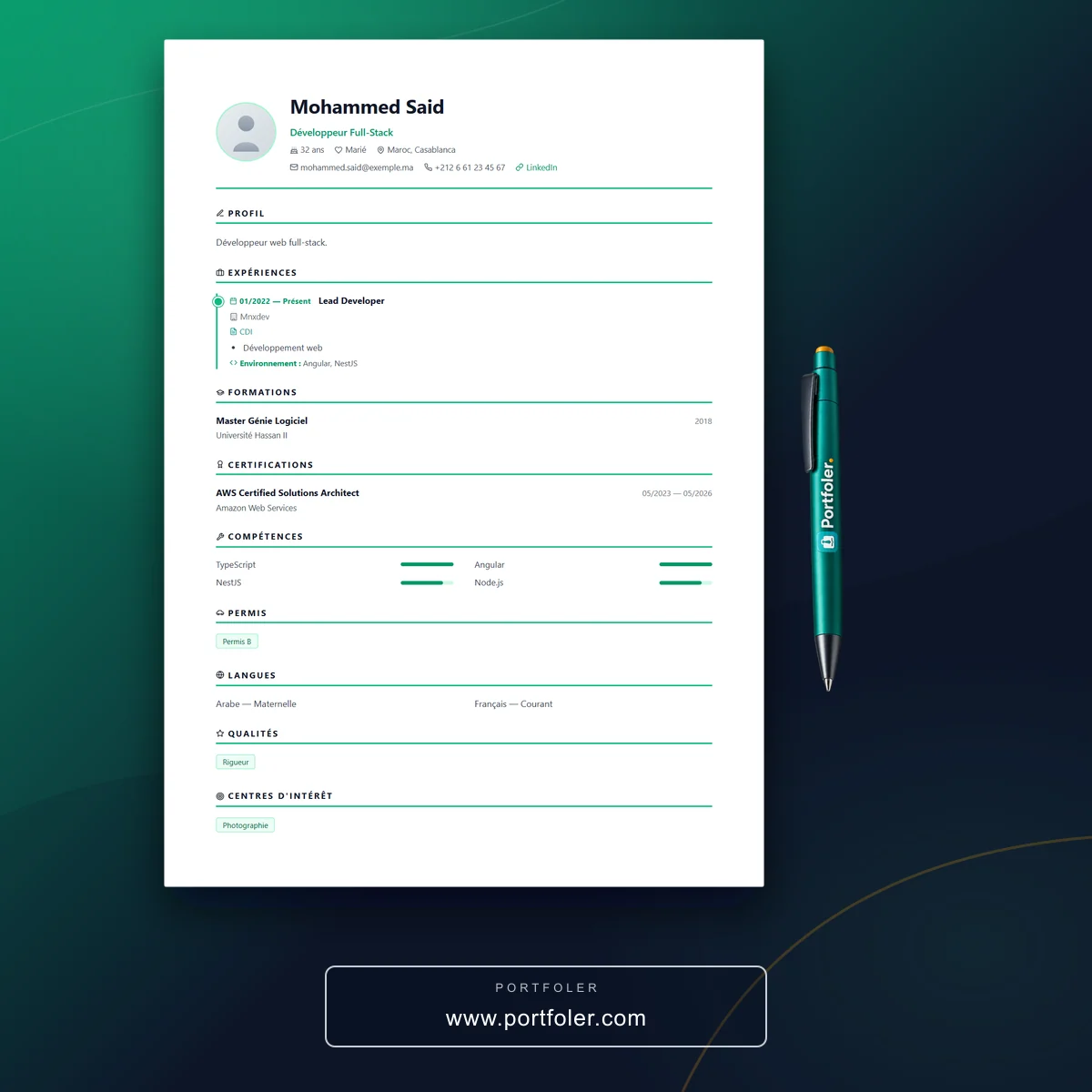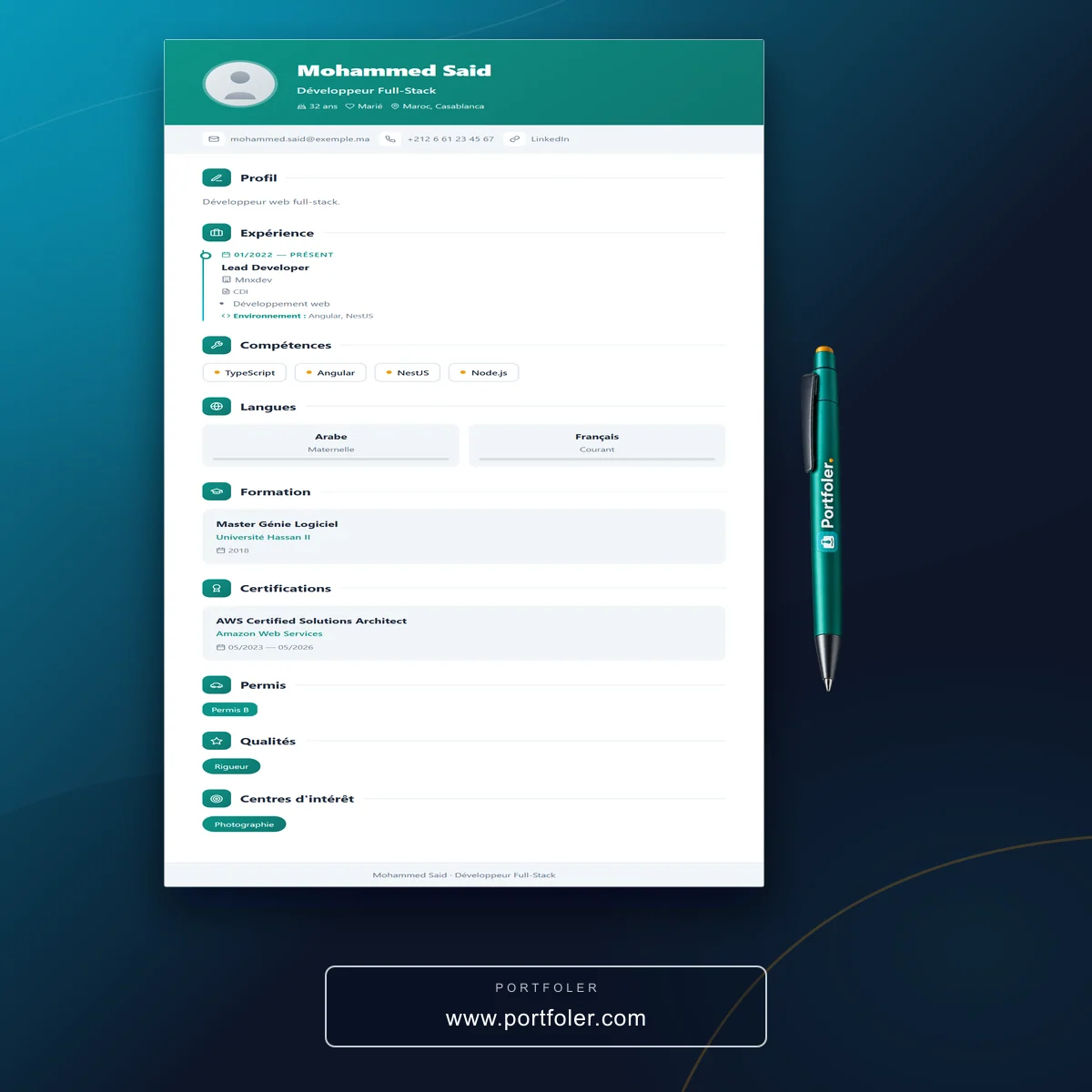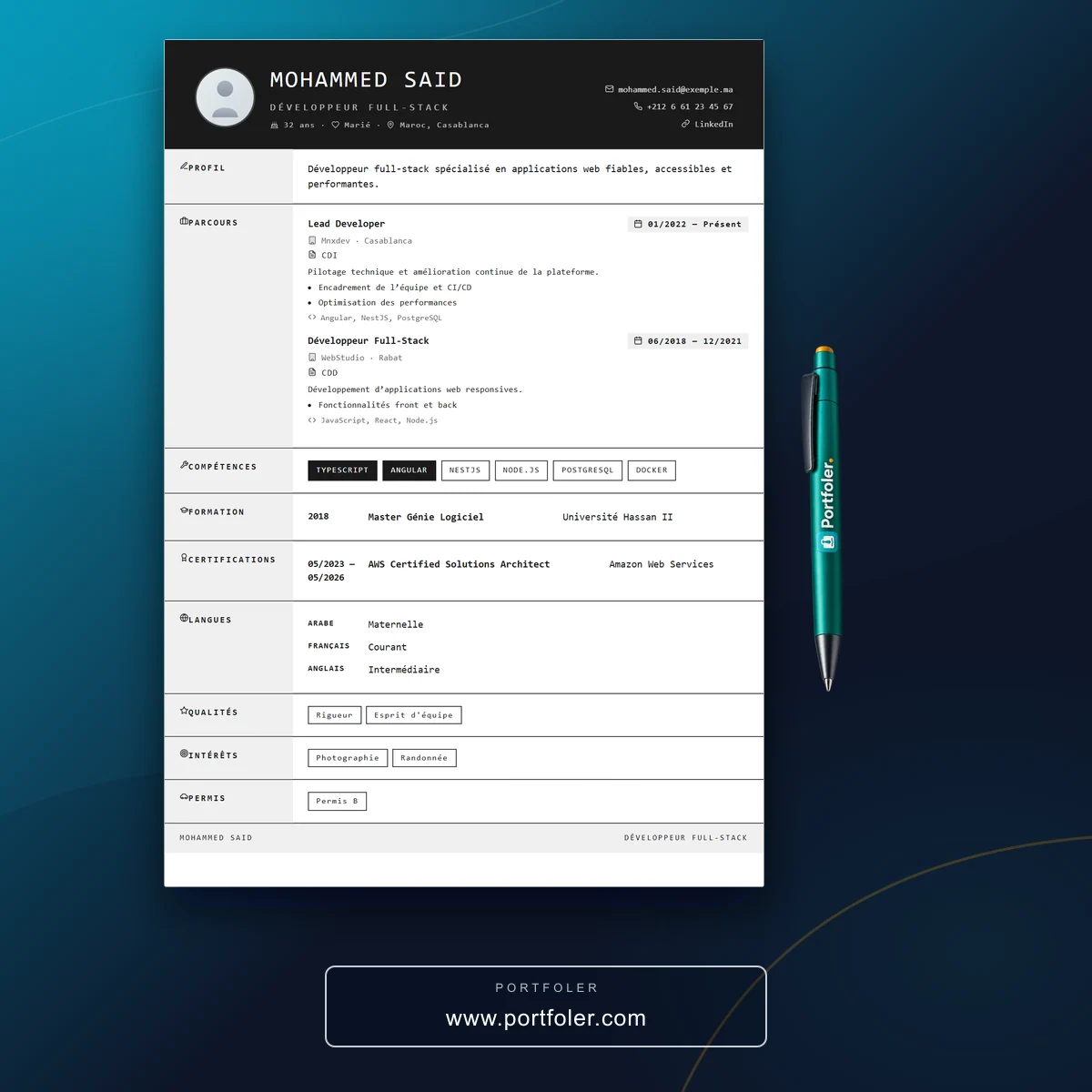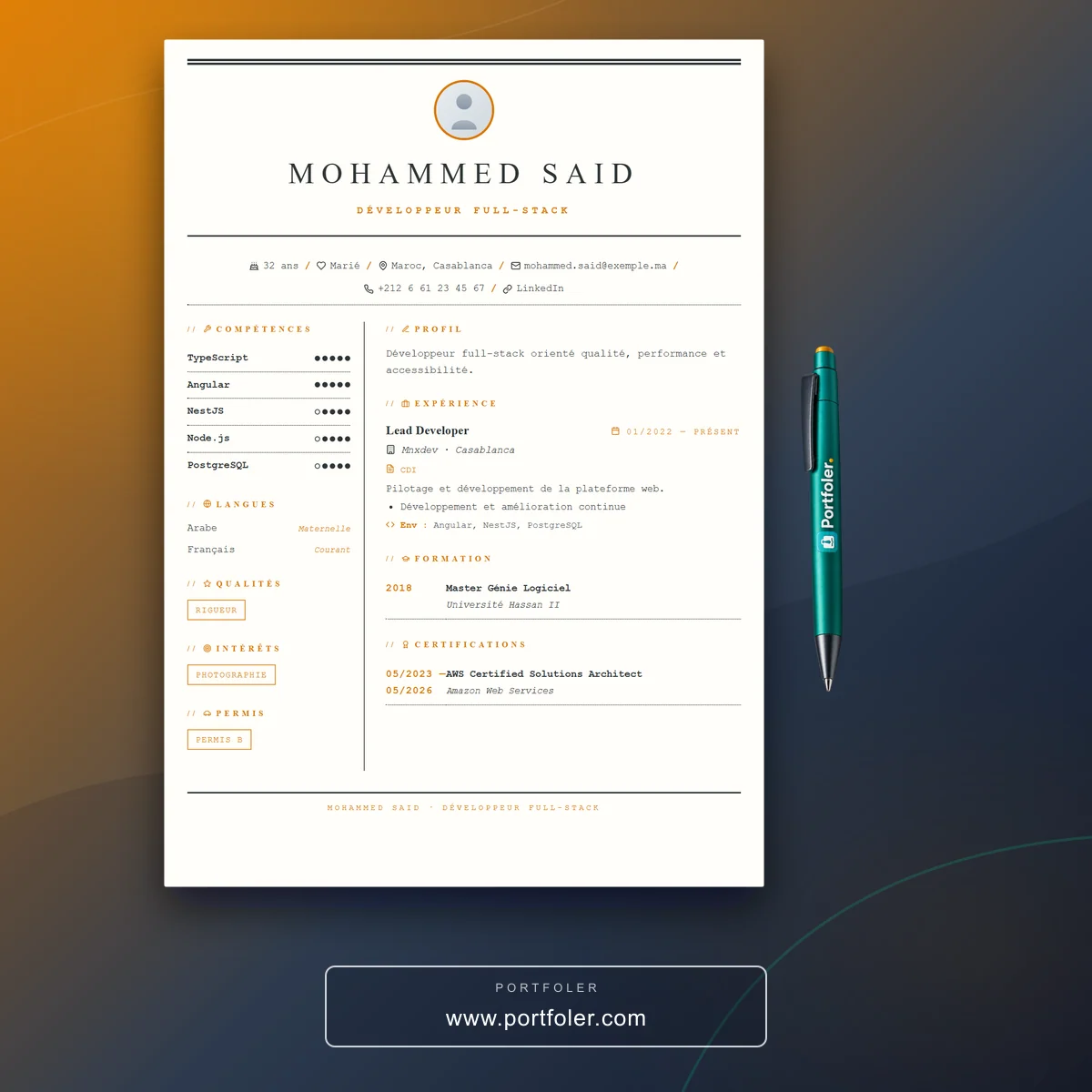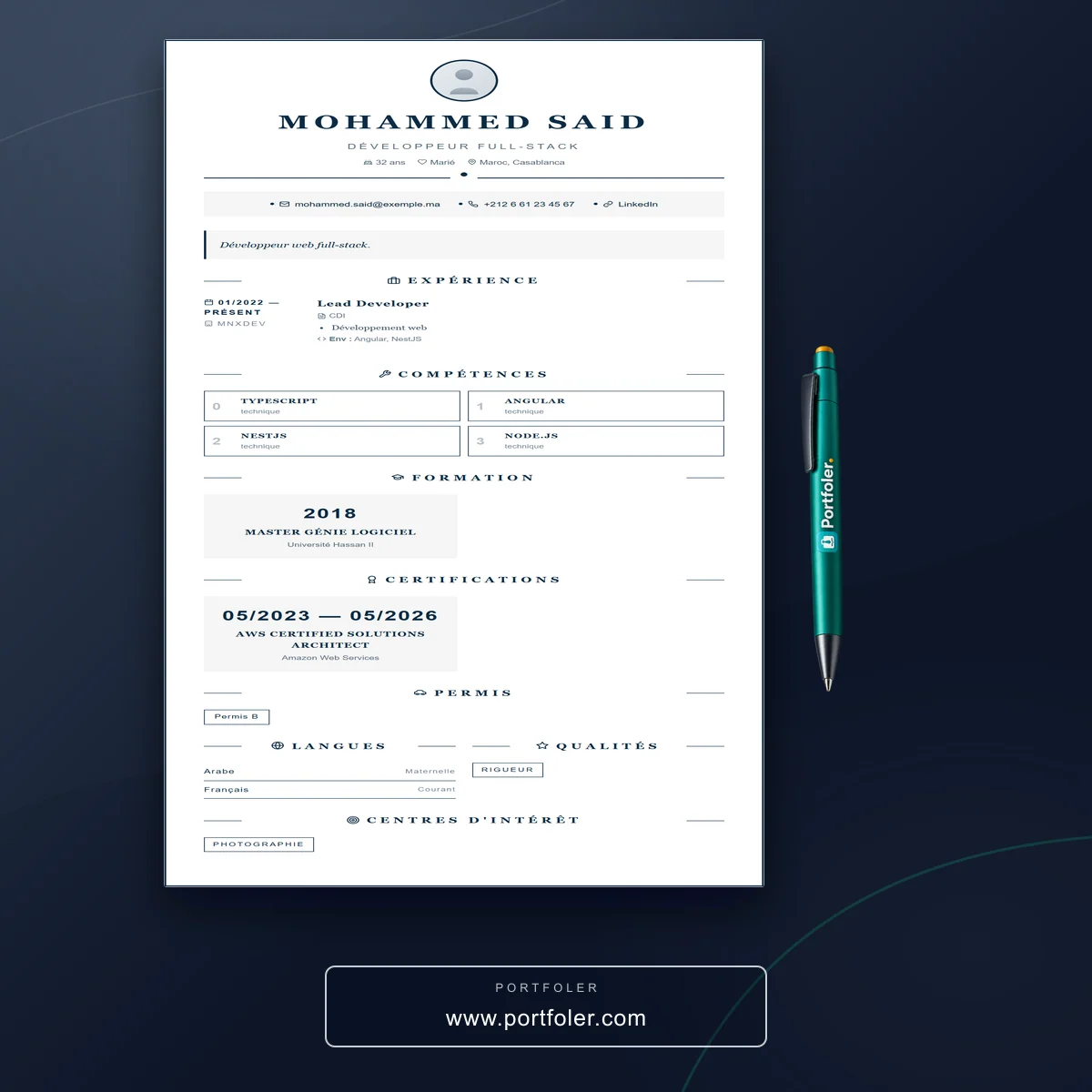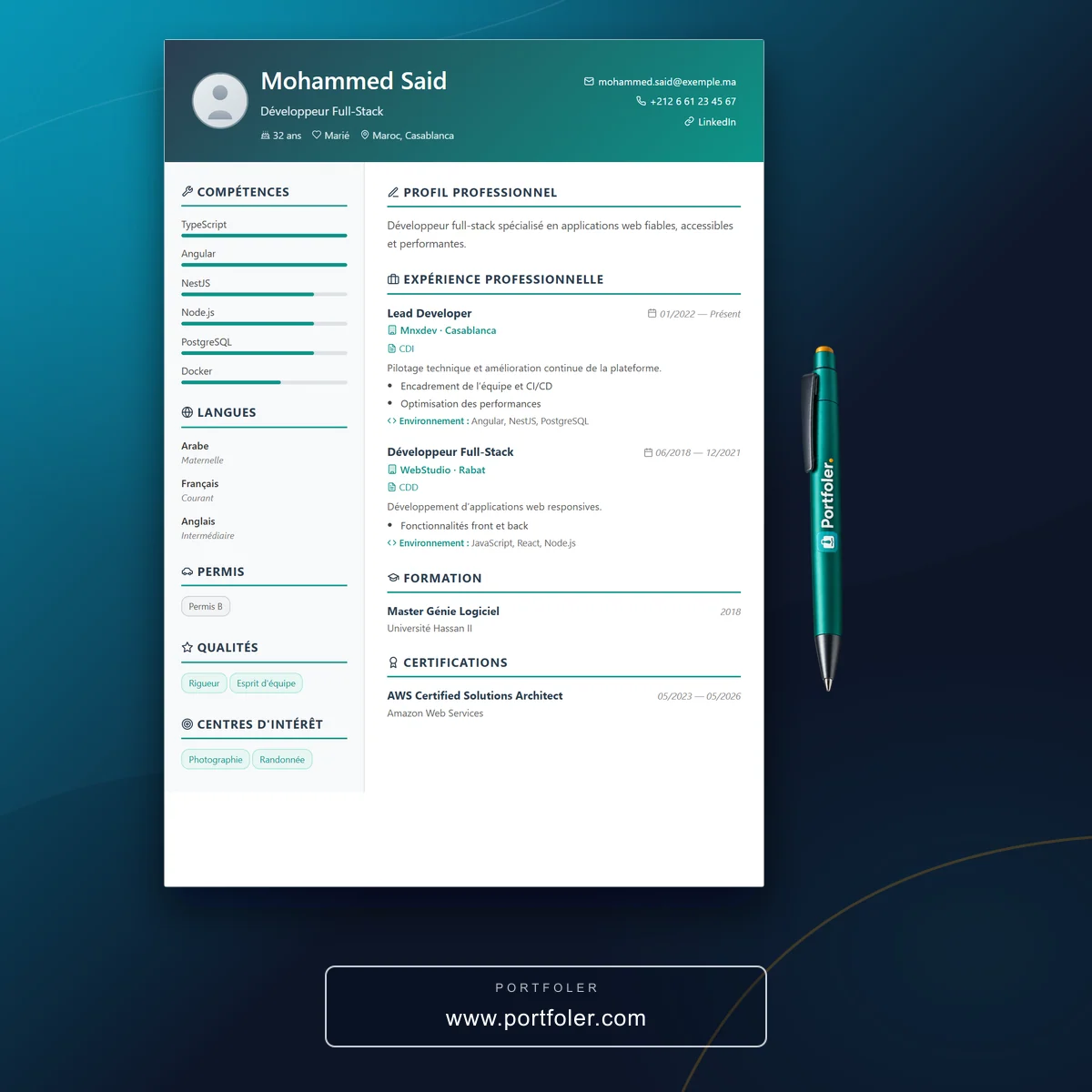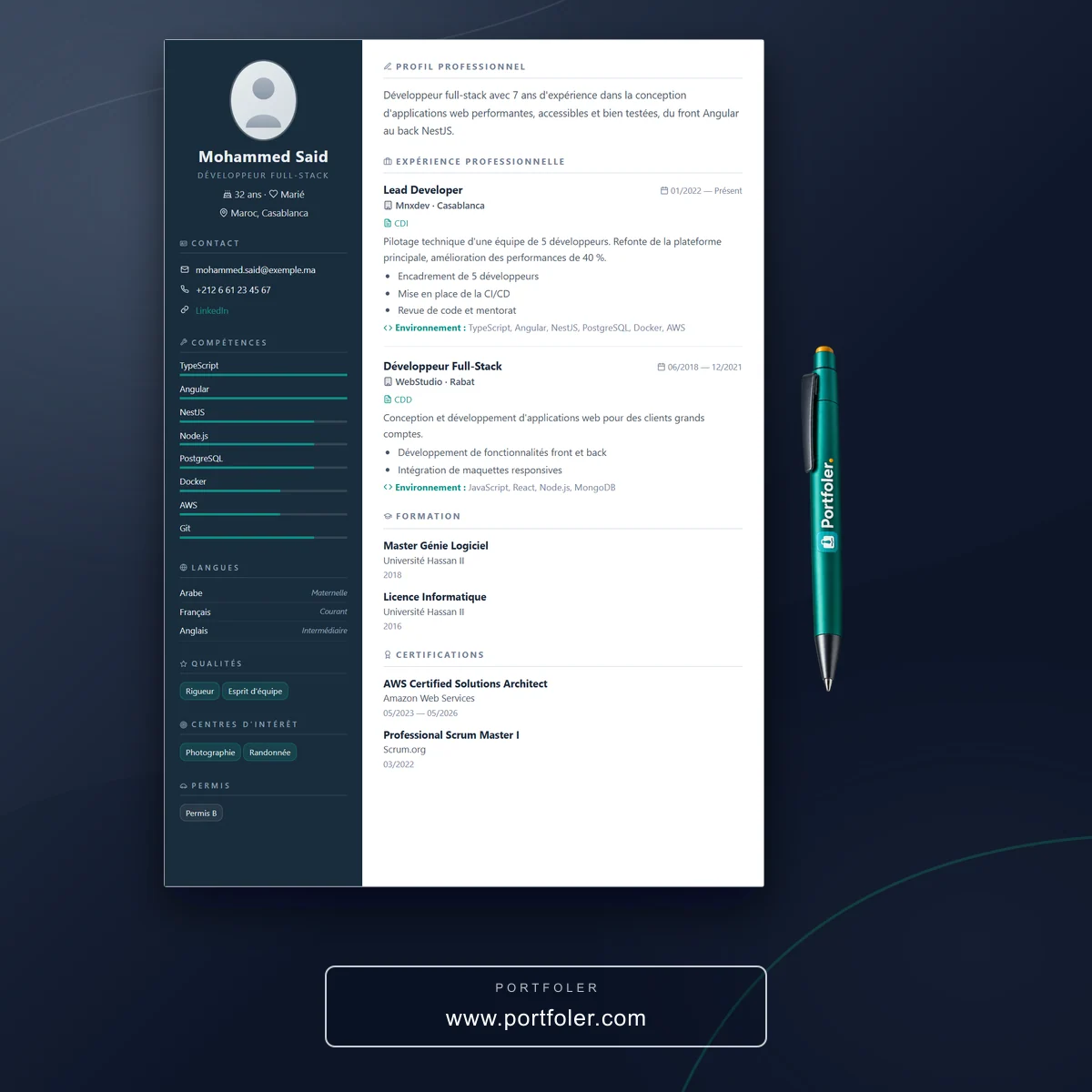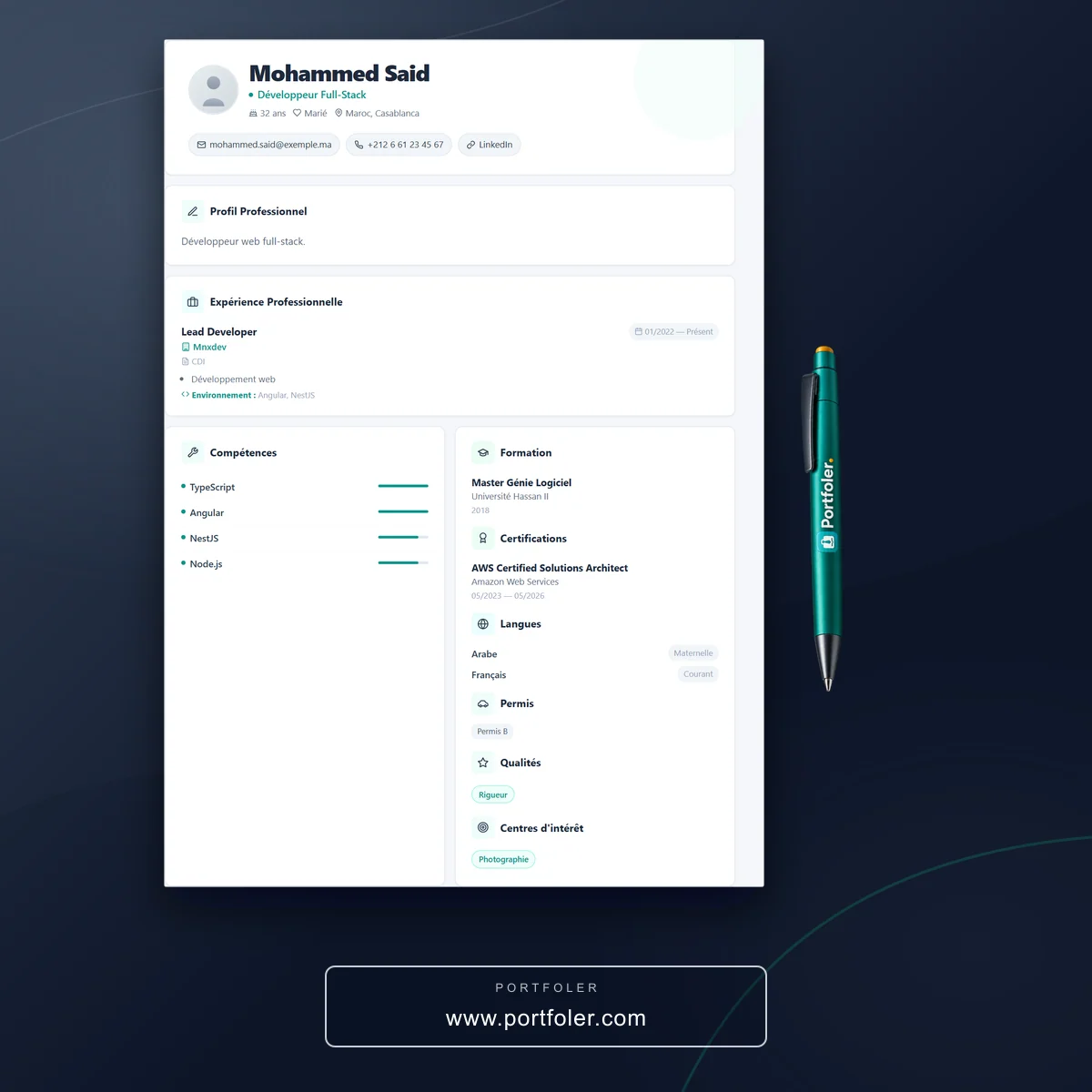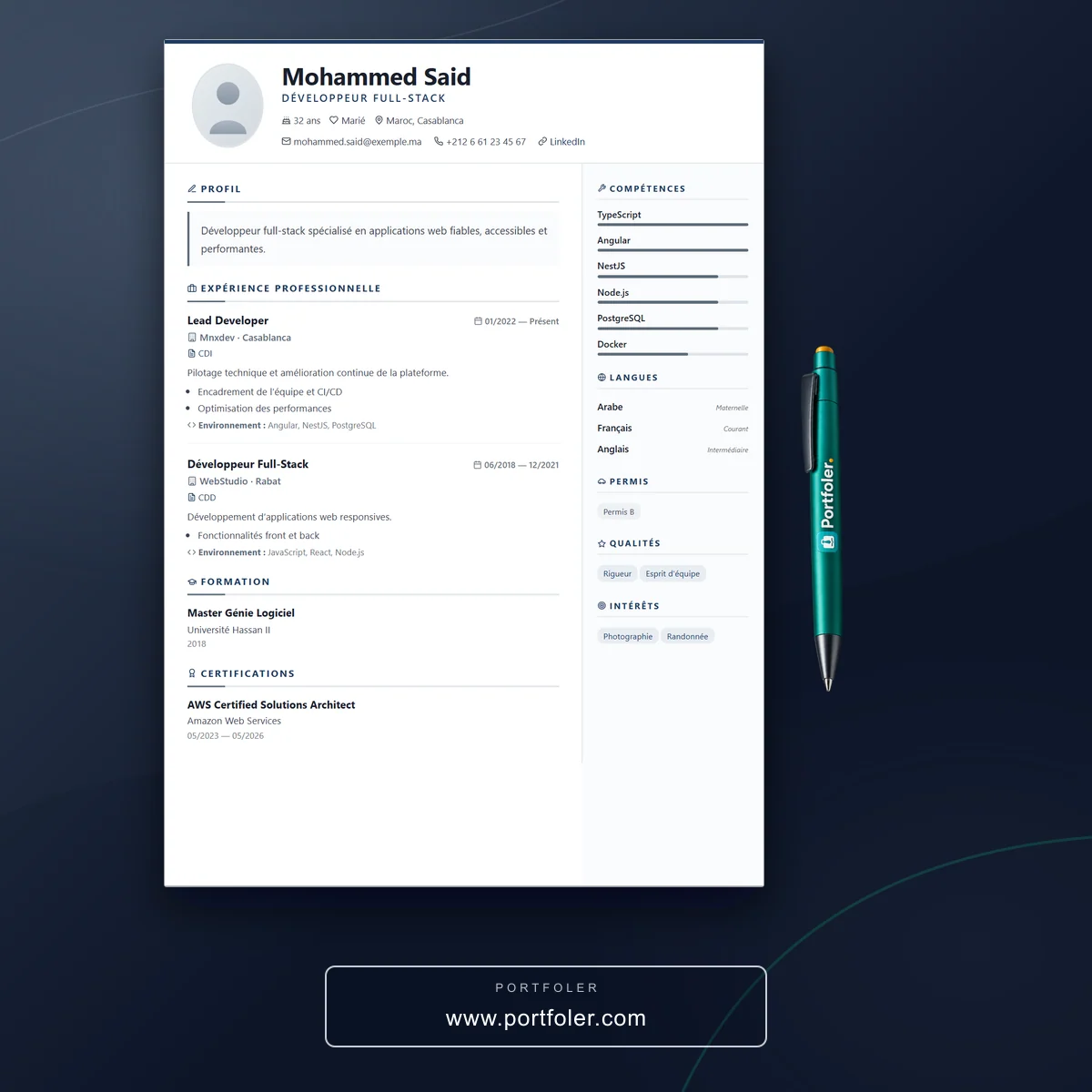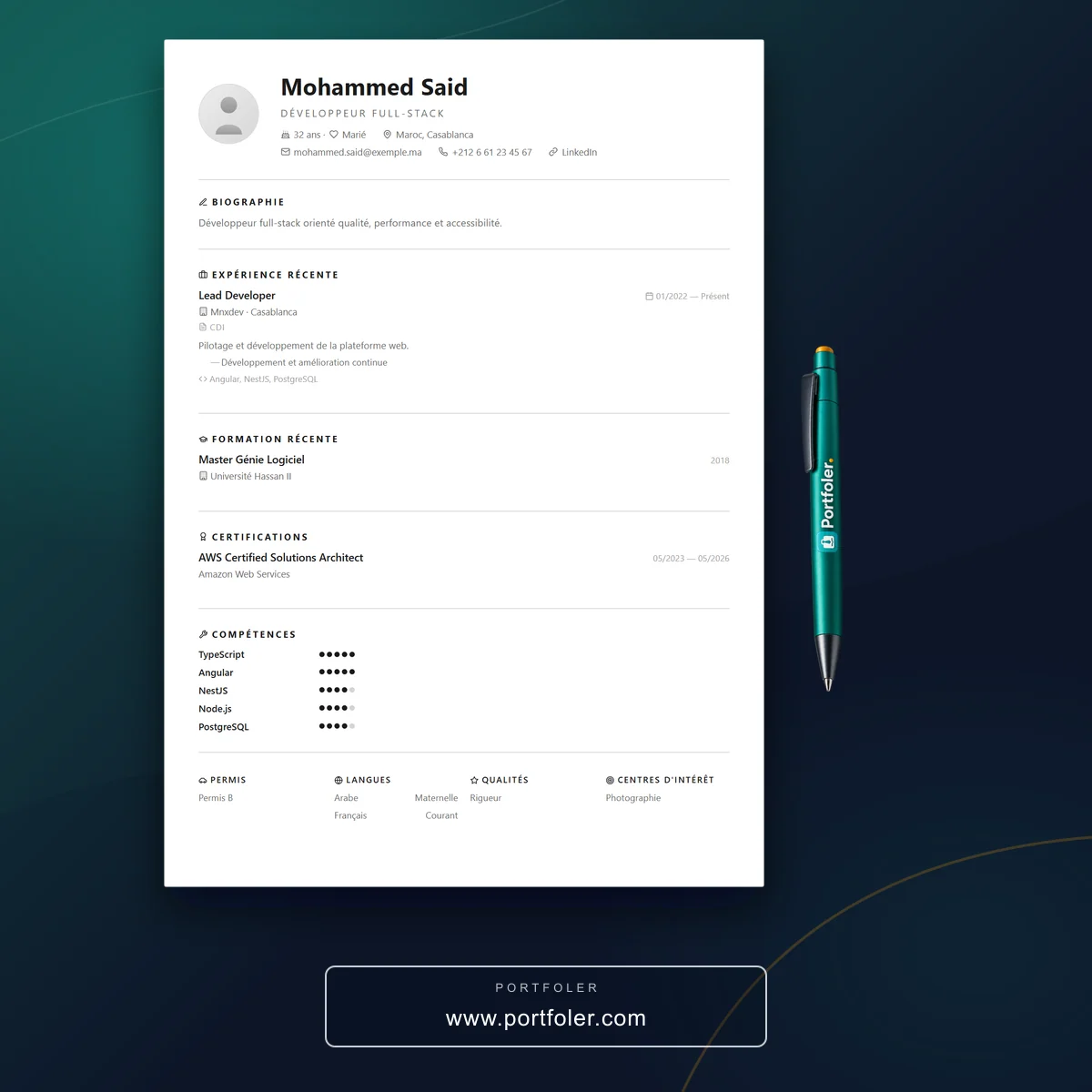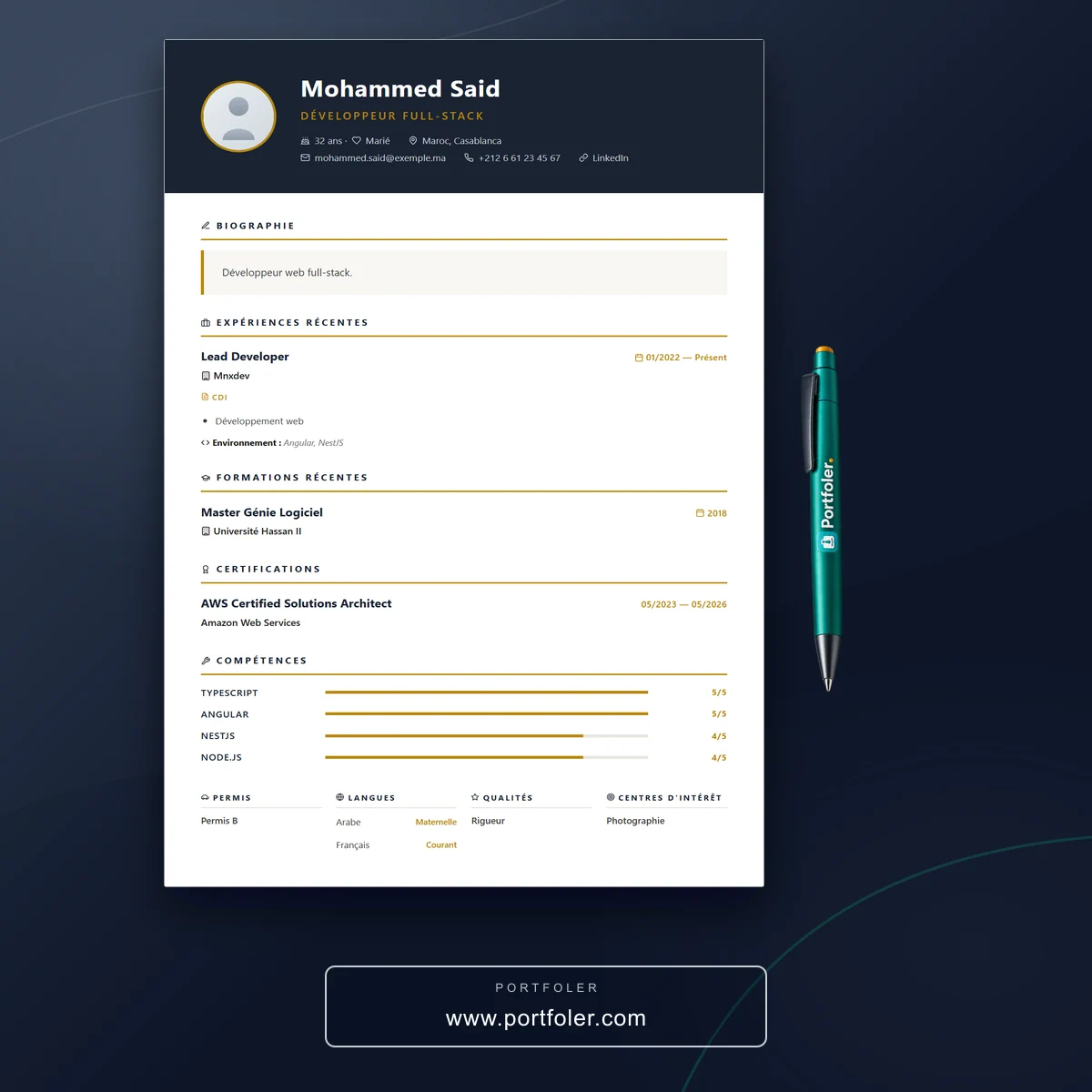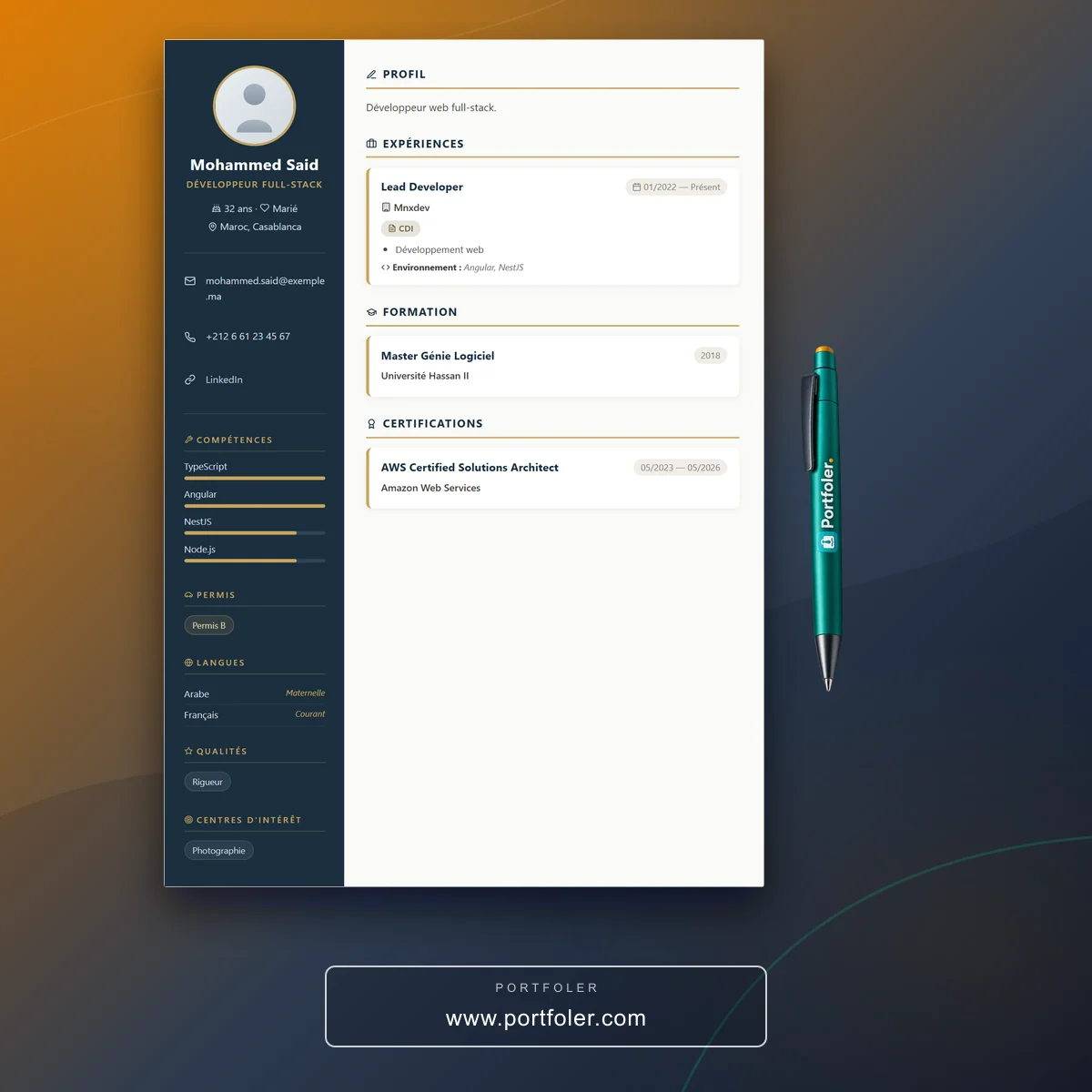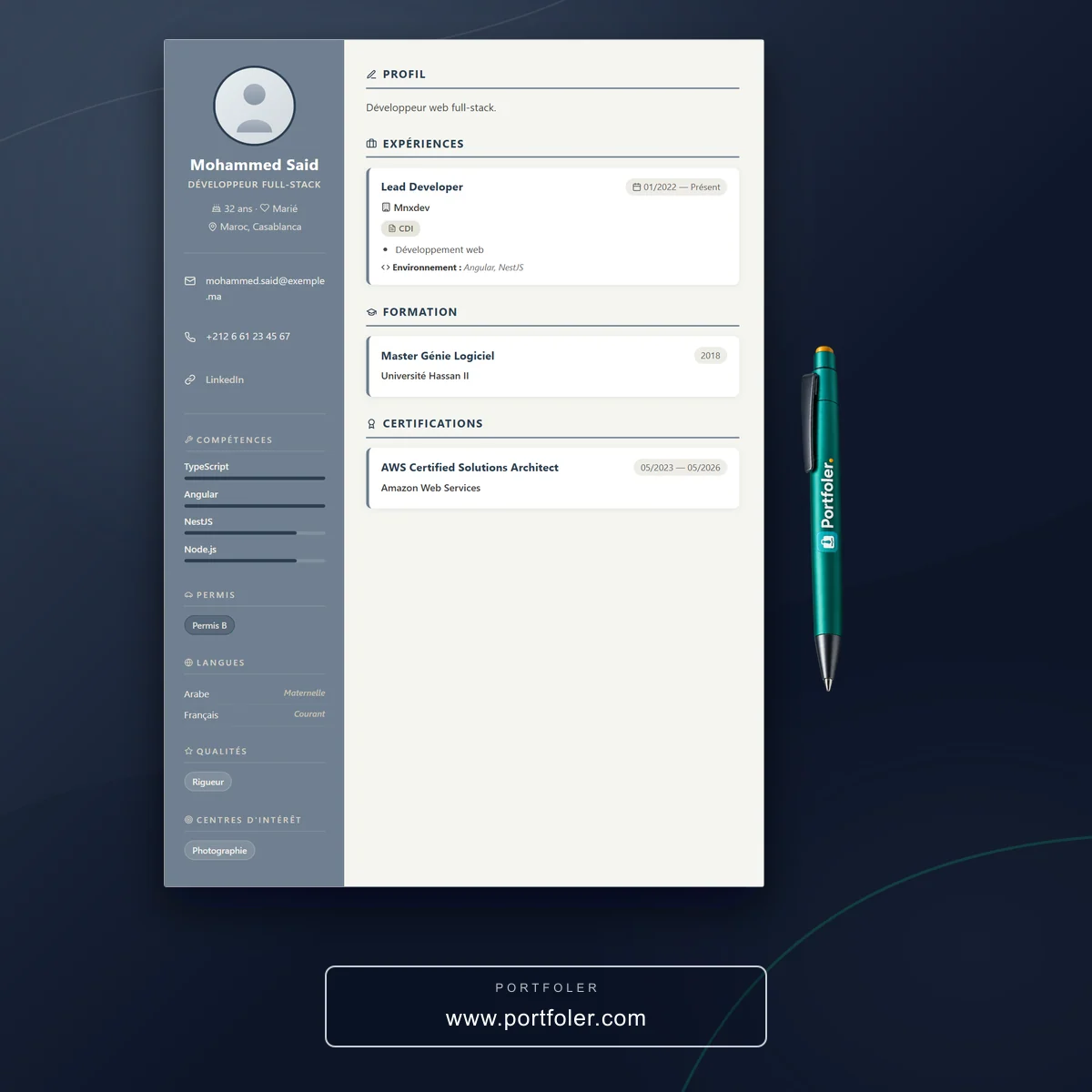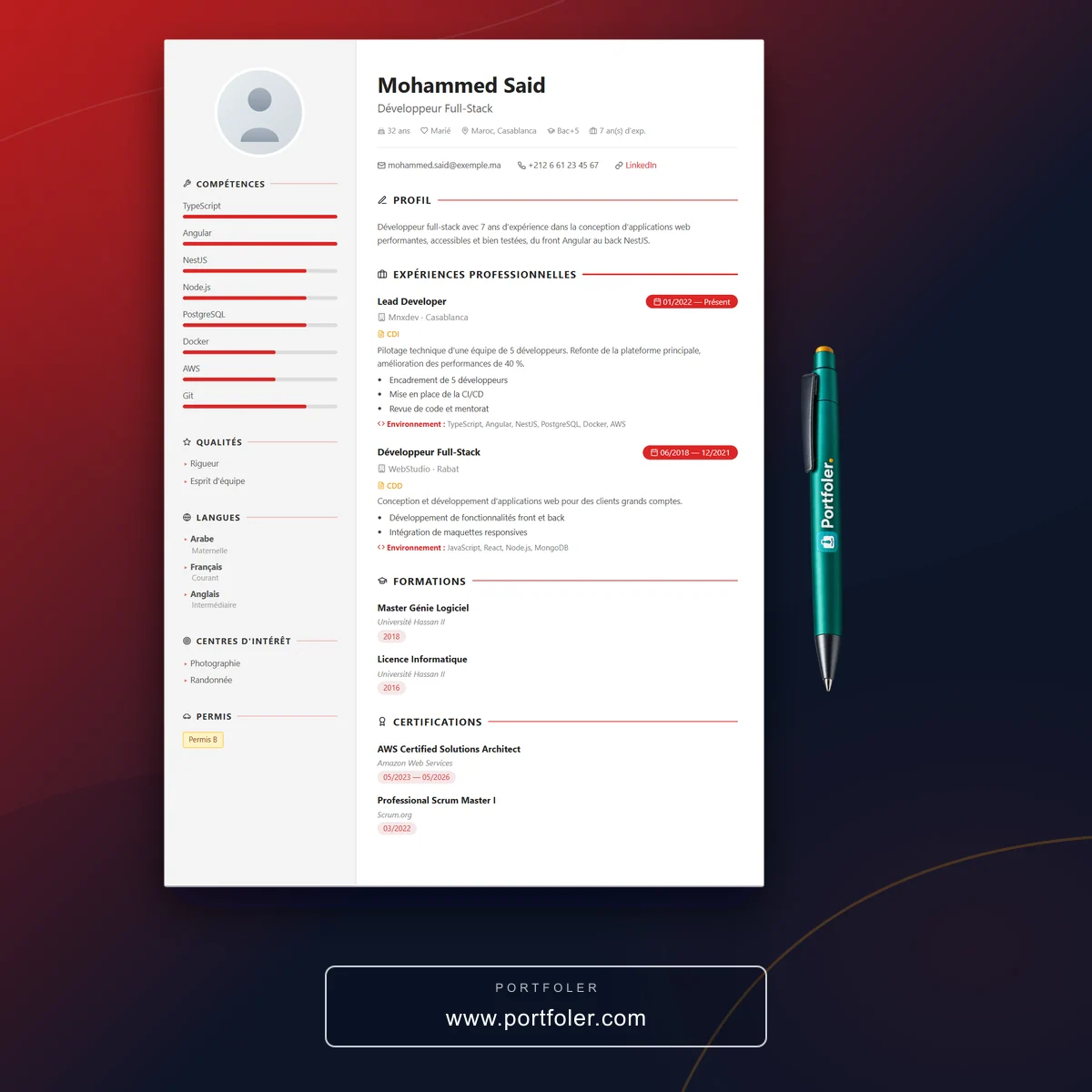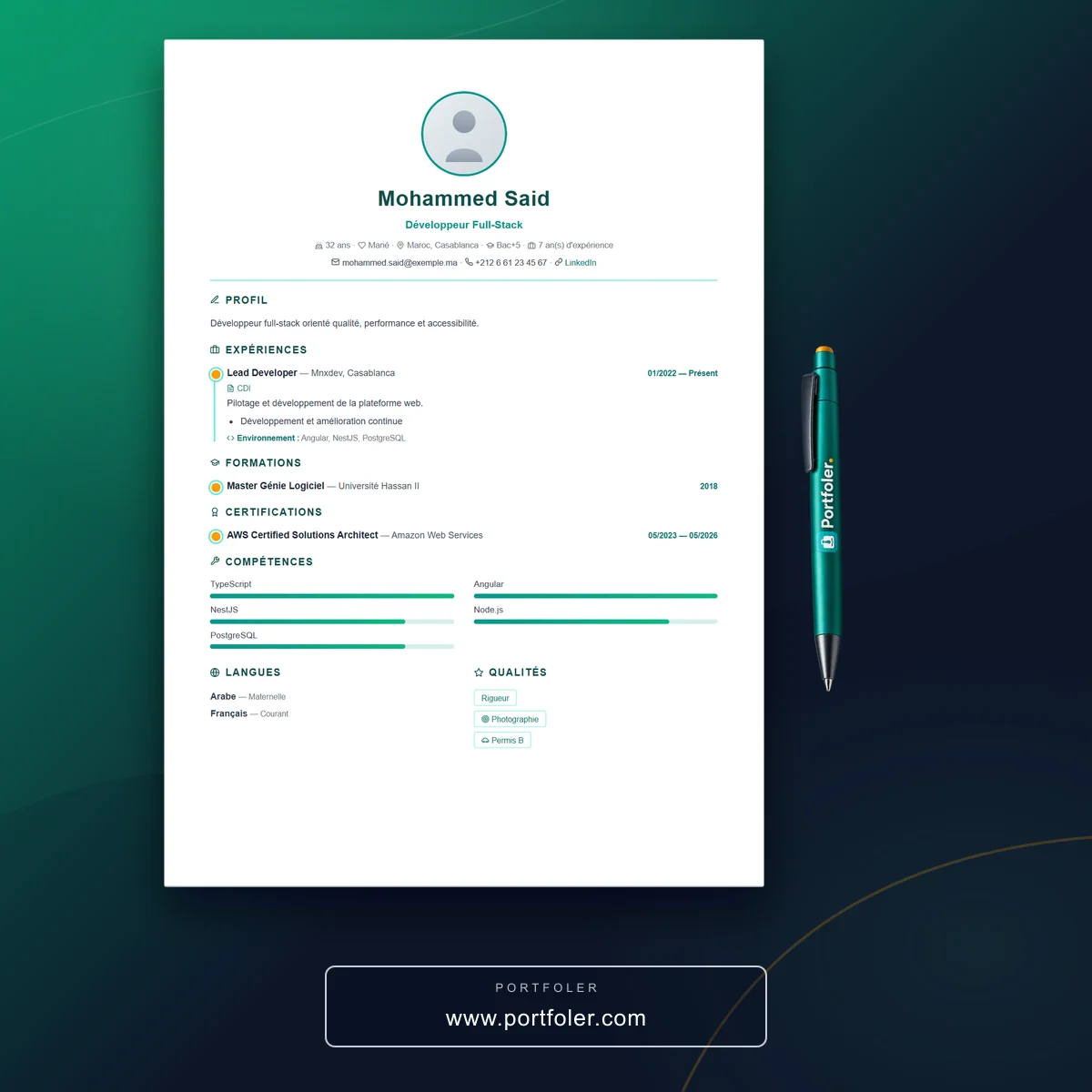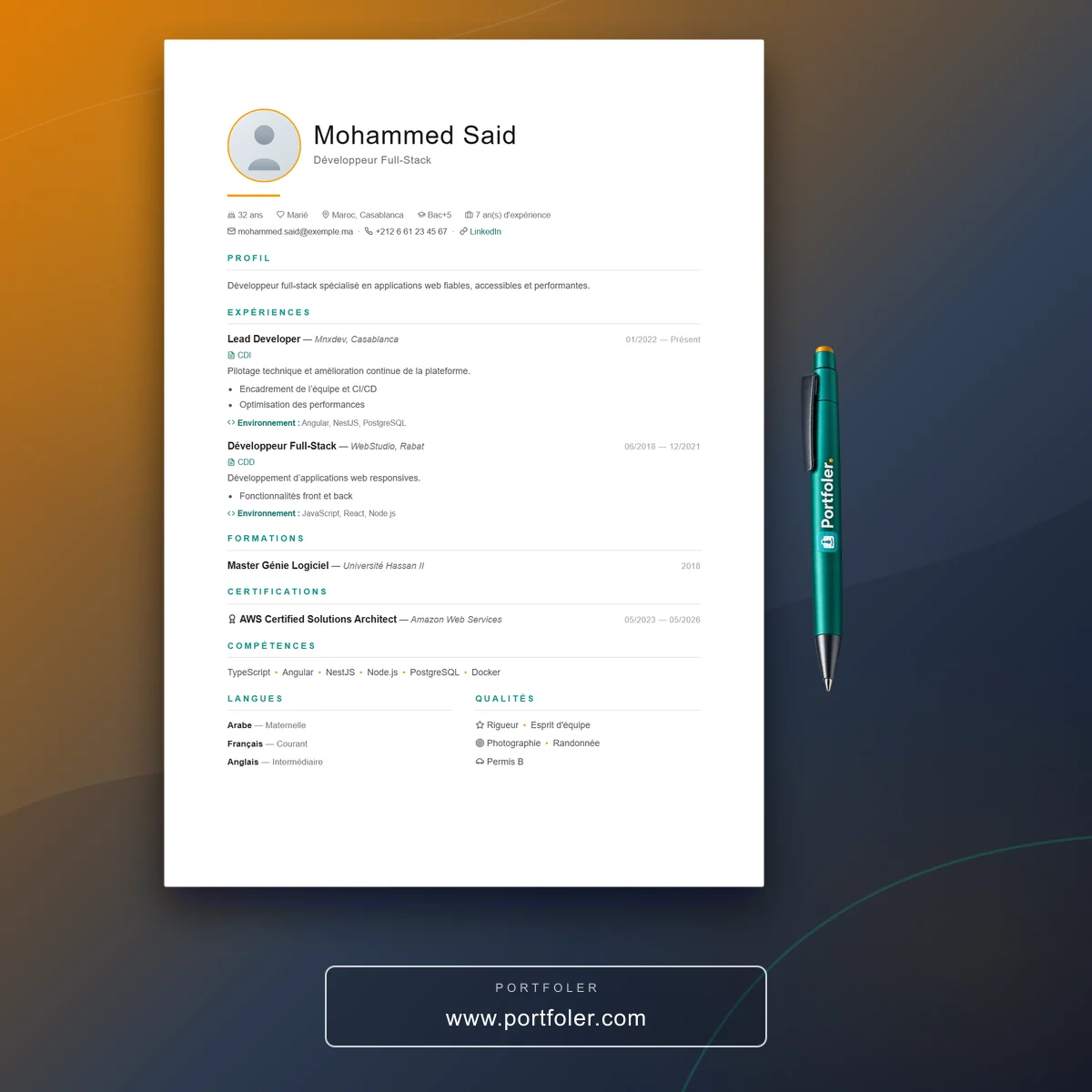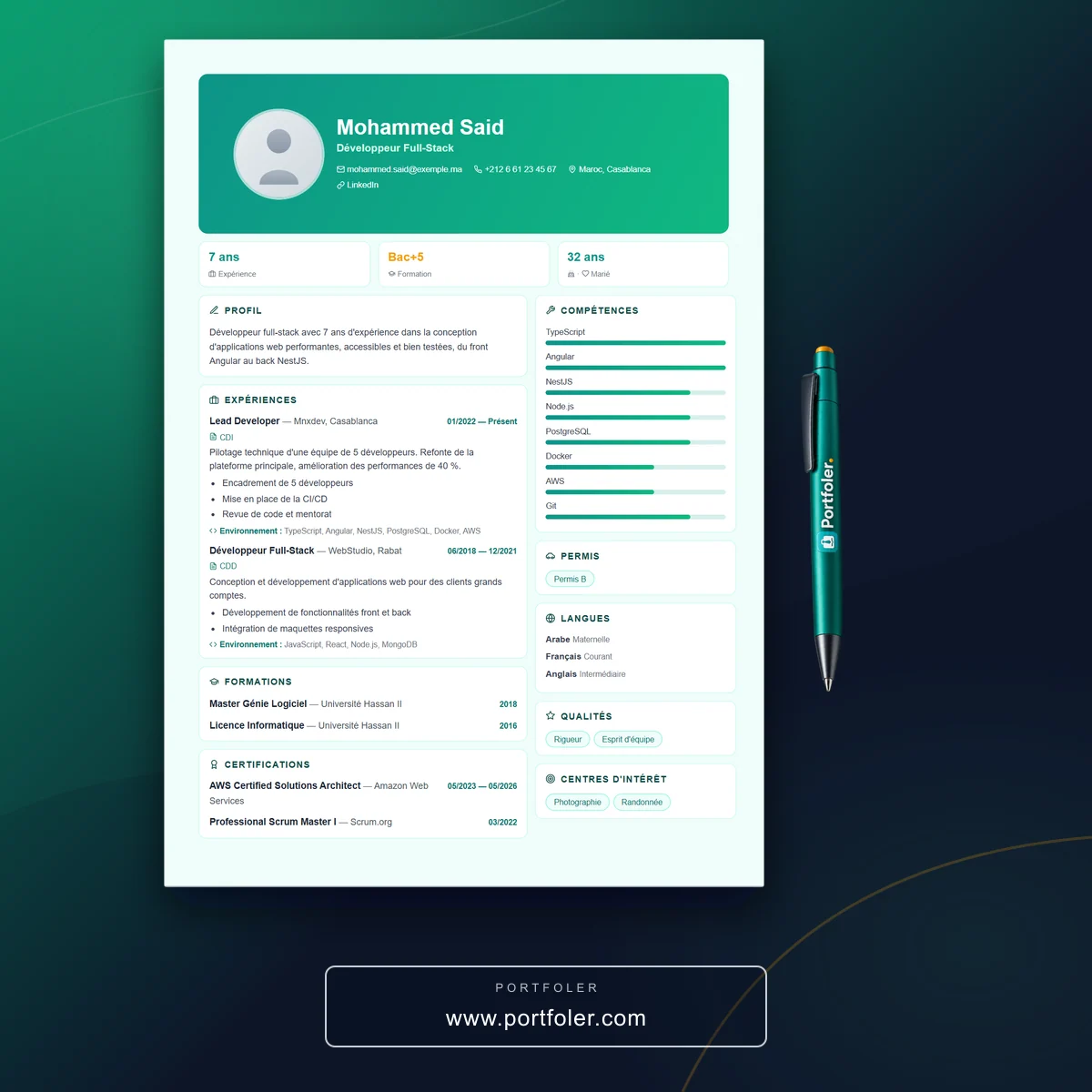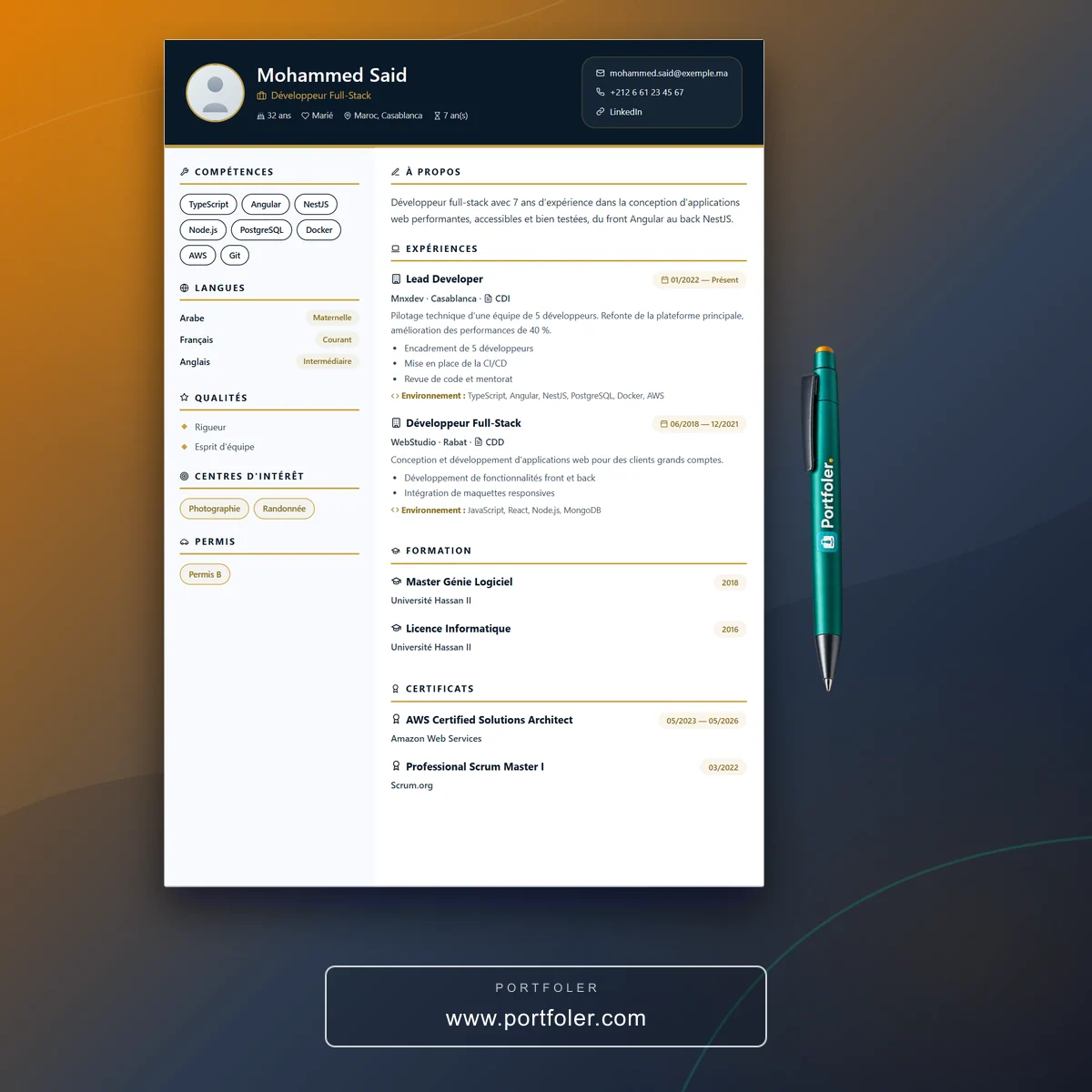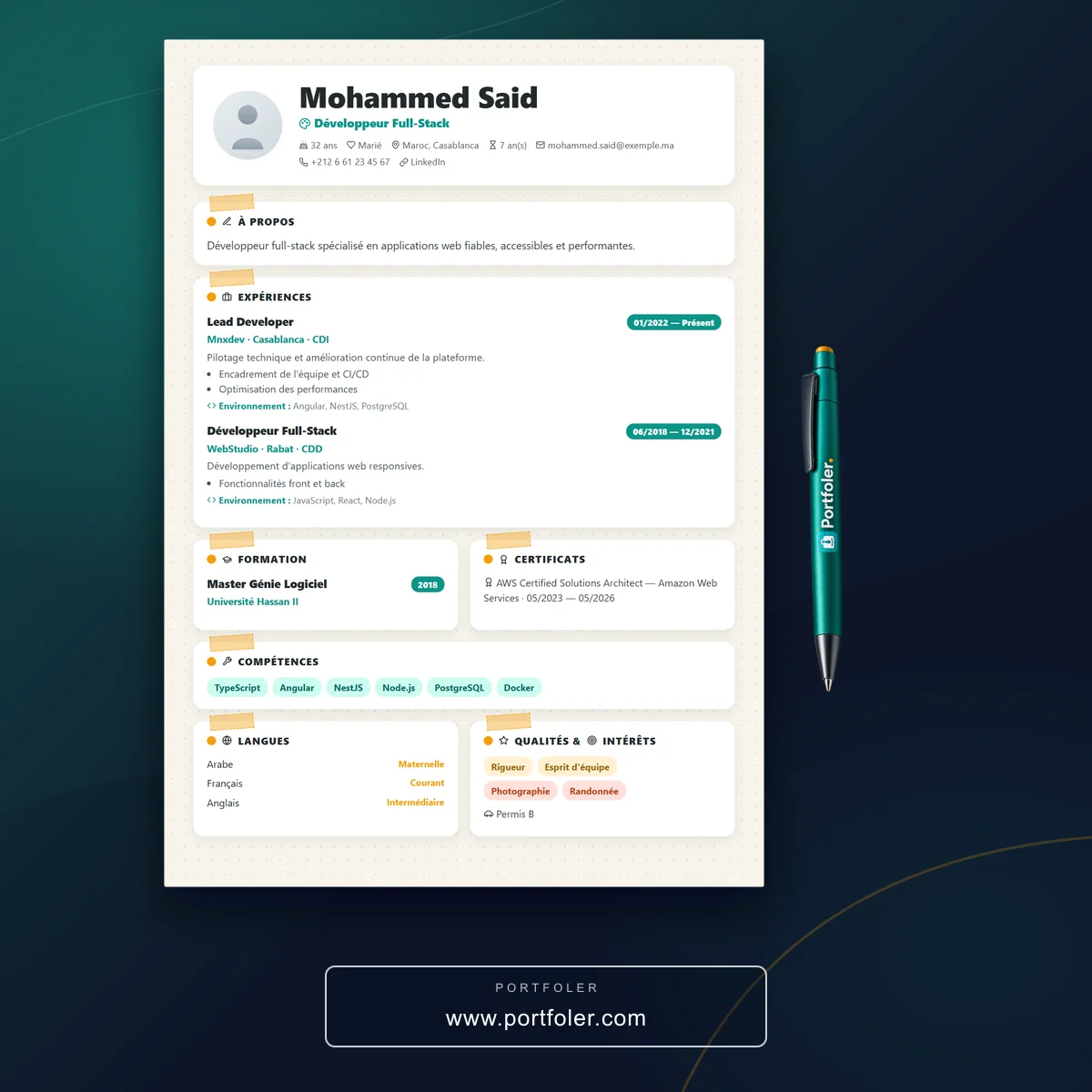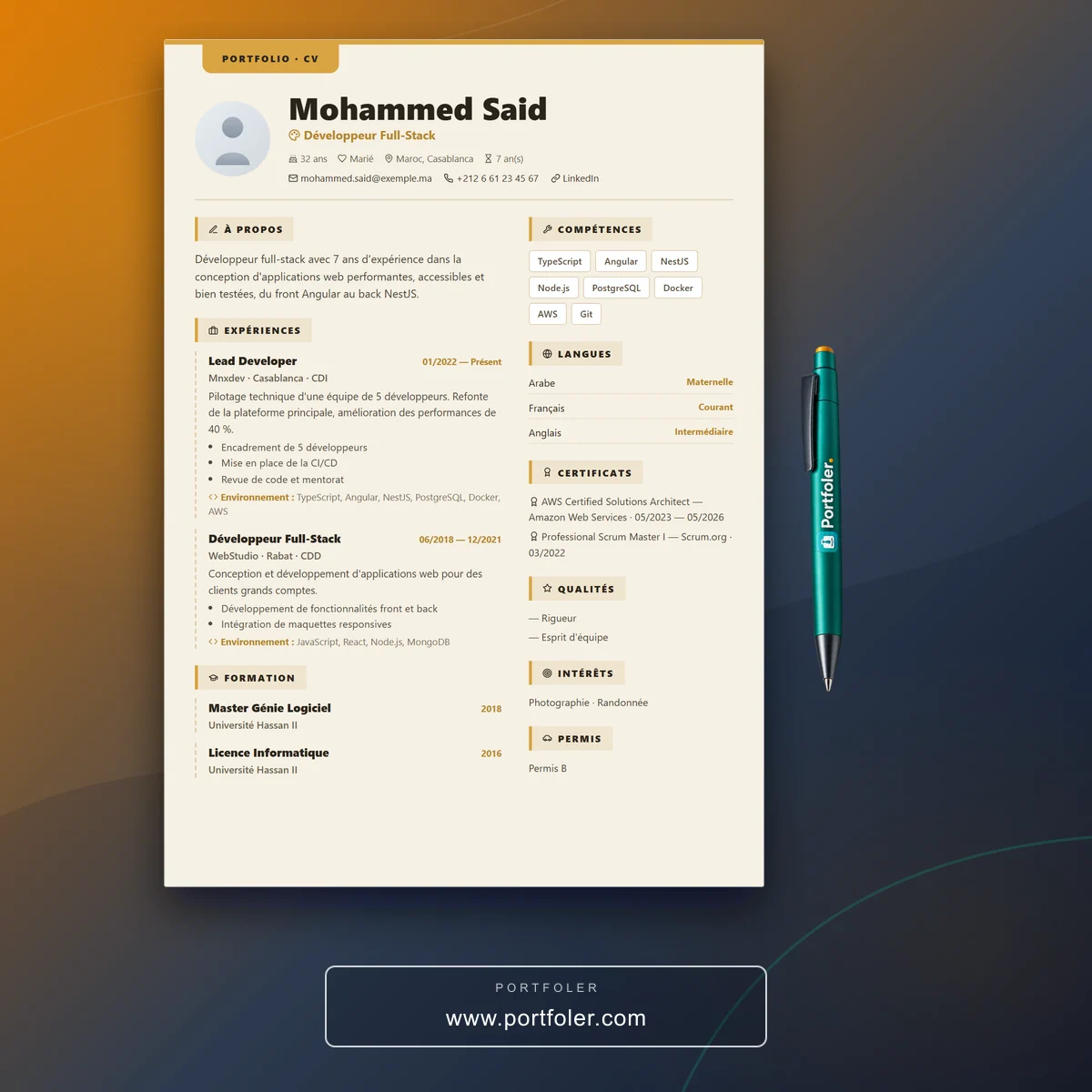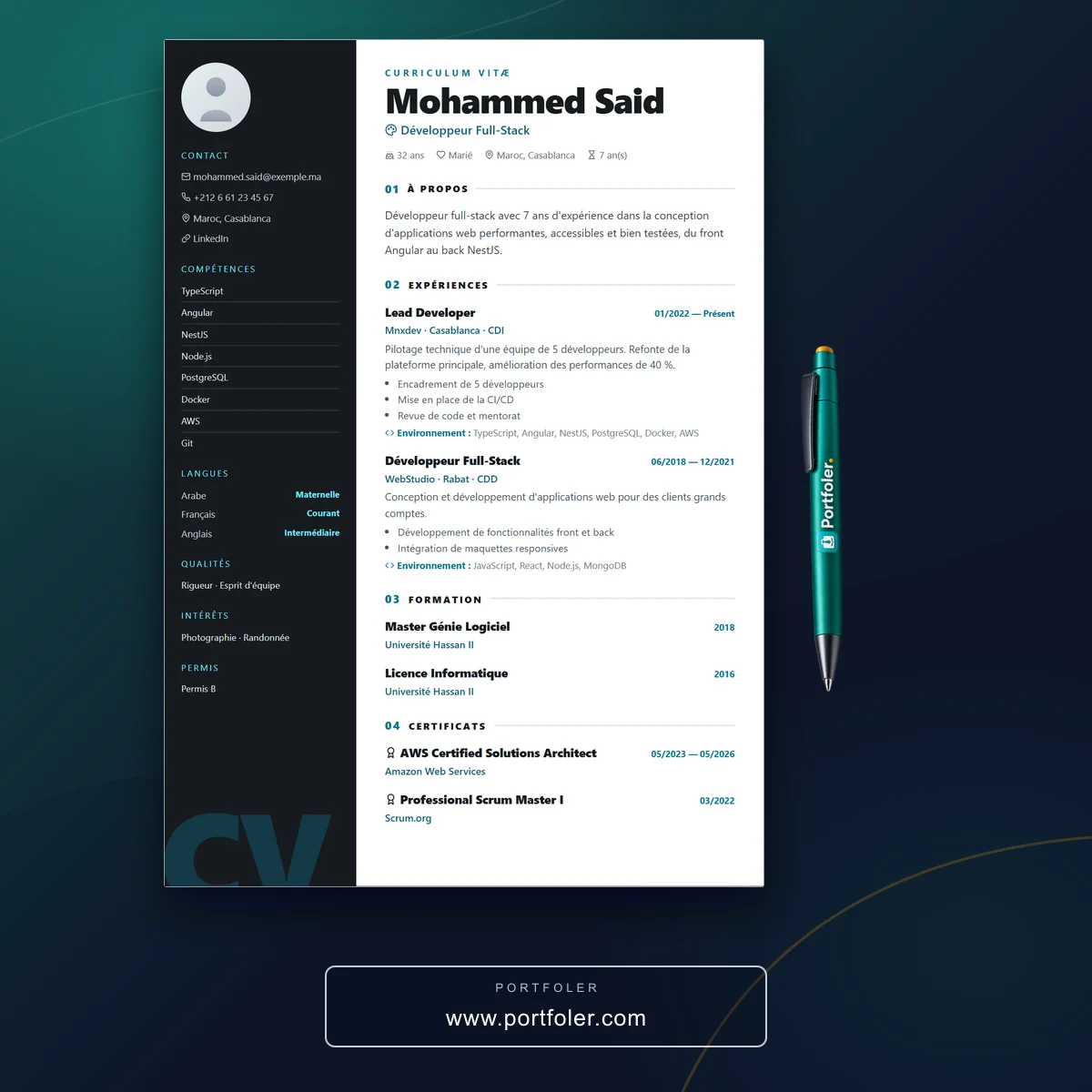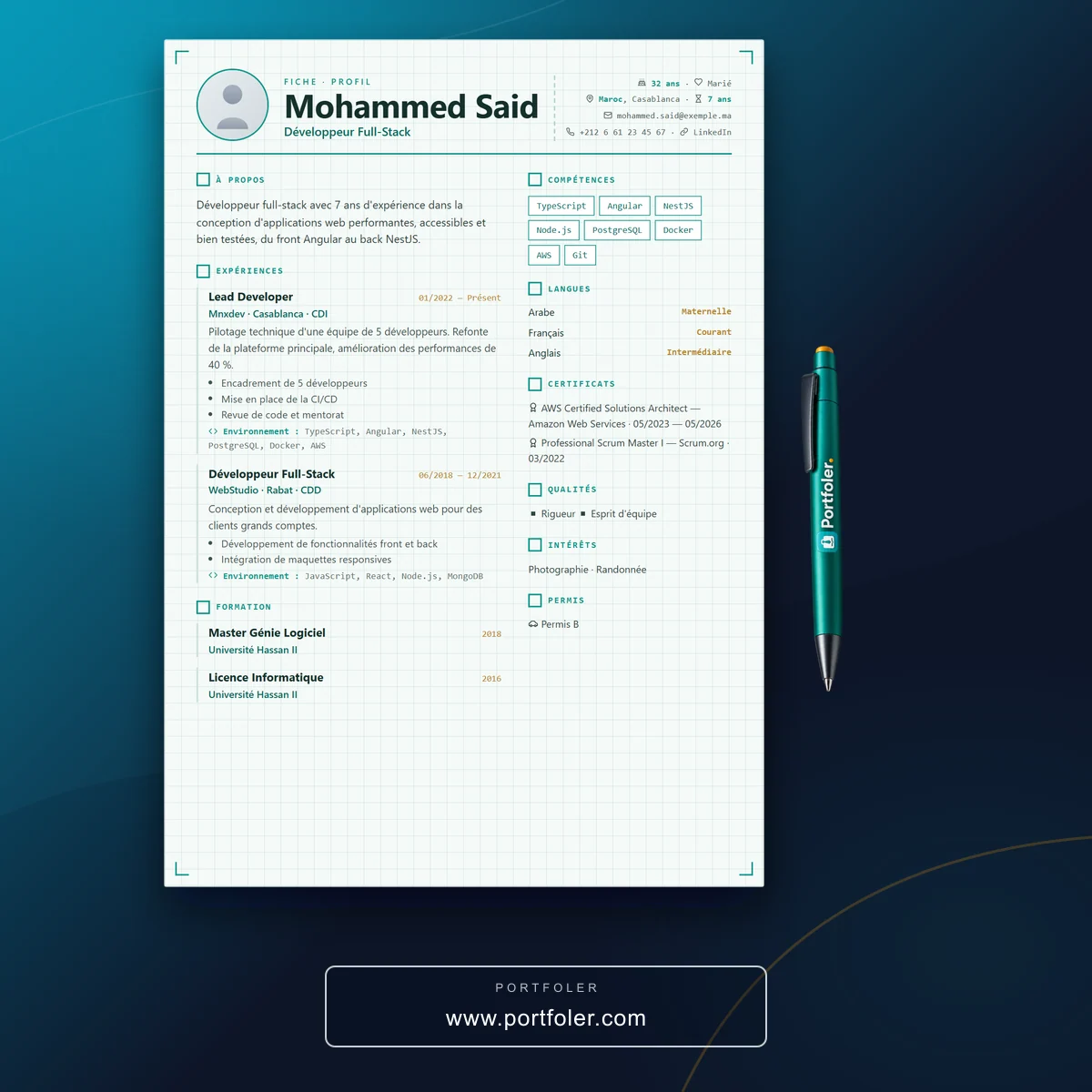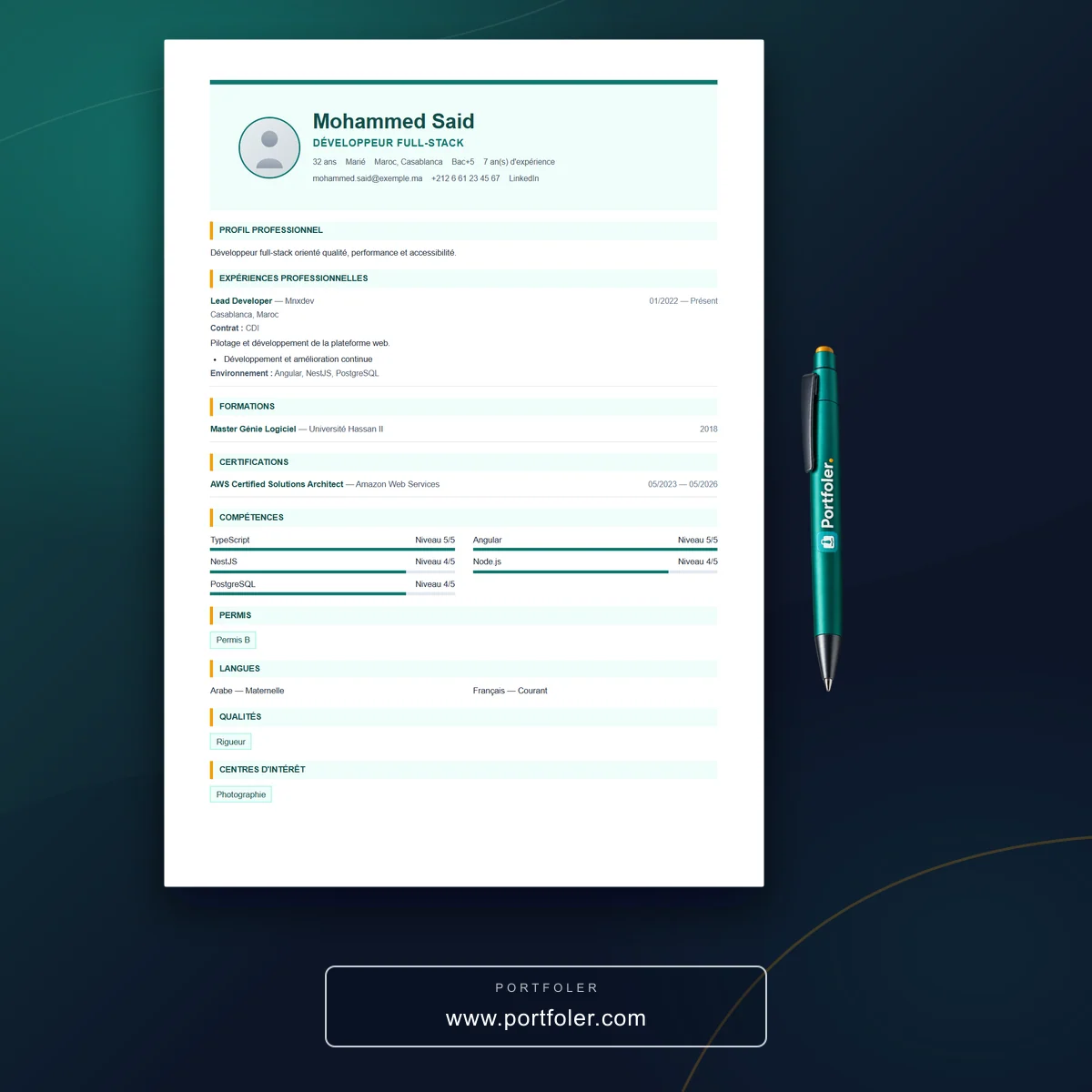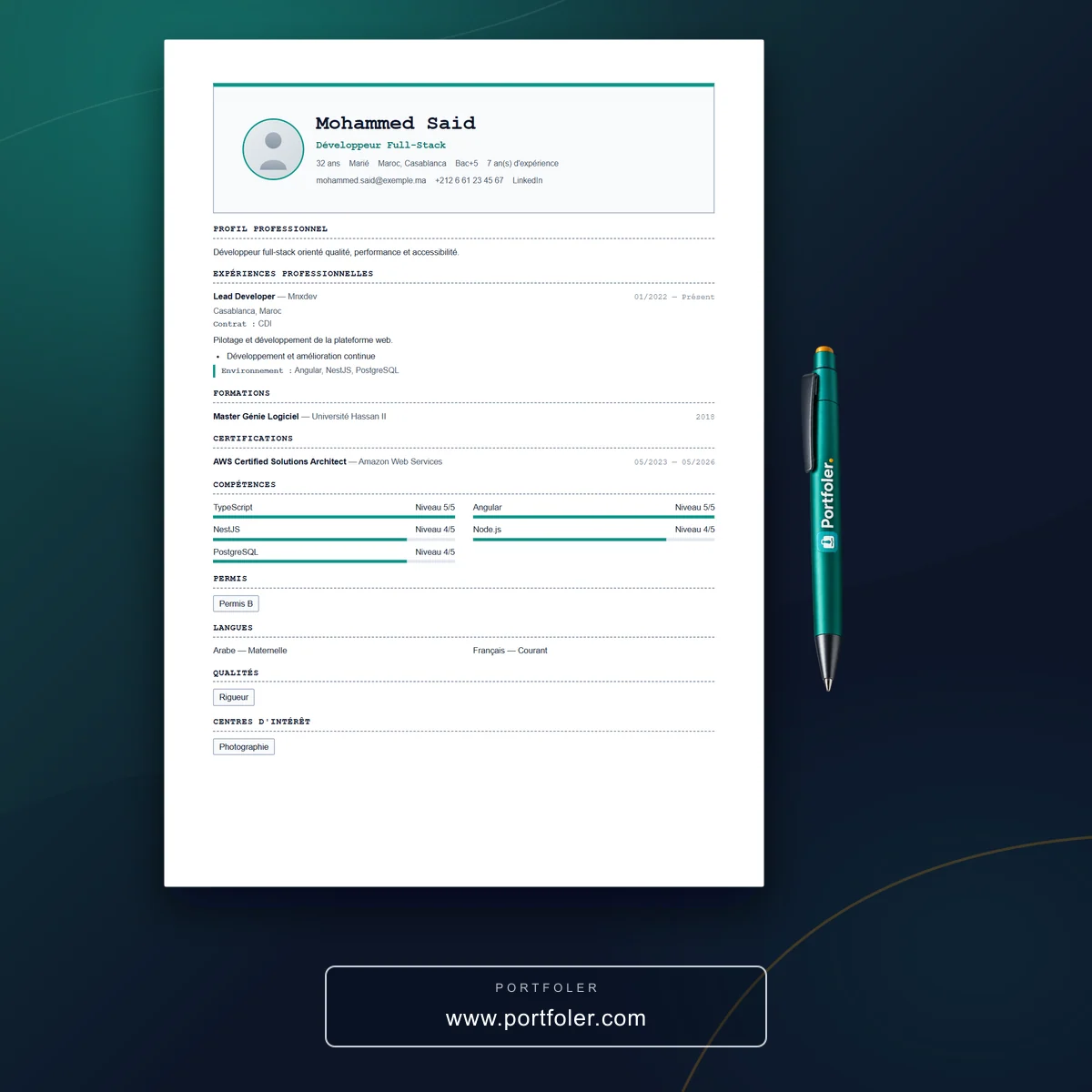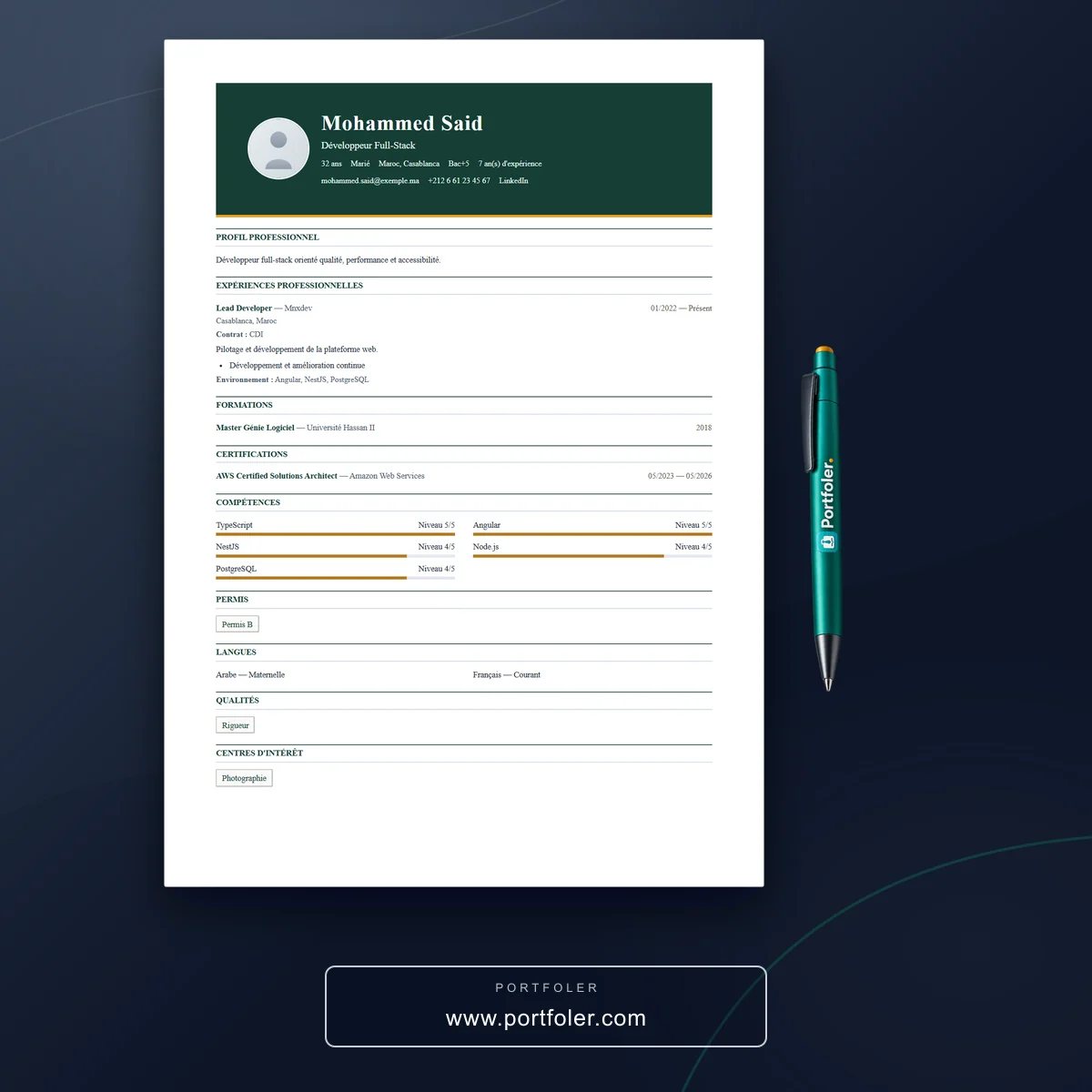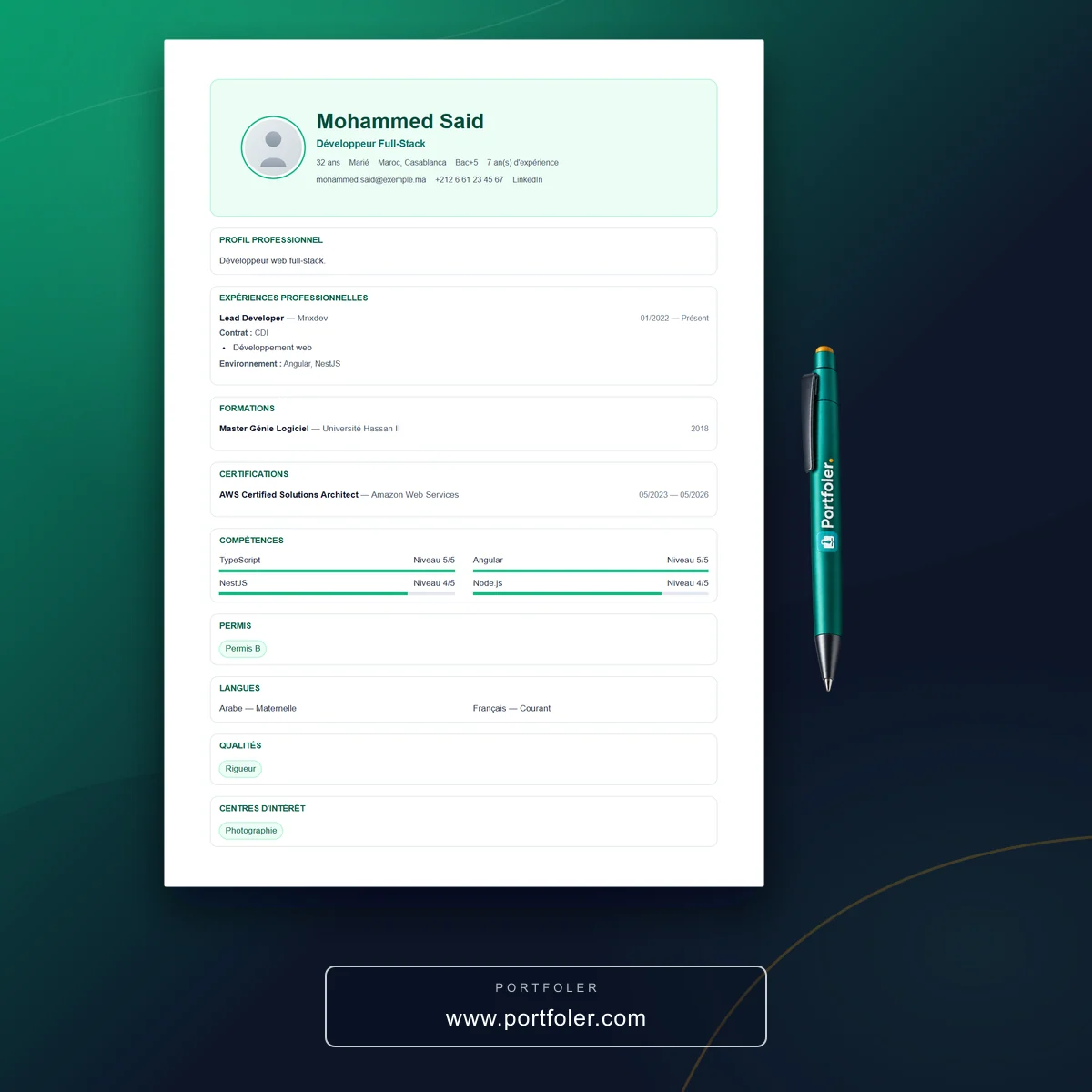
The HR assistant is the gateway into human resources careers. Versatile by nature, they support the HR team with personnel administration, recruitment and everyday employee matters. It is a formative, highly sought-after role that lets you discover the whole HR function before specialising.
Job description
The HR assistant (or human resources assistant) handles the administrative and operational tasks involved in managing employees: employment contracts, personnel files, absences, leave, medical check-ups and training. They prepare variable payroll data and make sure mandatory registers are properly kept.
They also contribute to recruitment (posting job ads, screening applications, scheduling interviews) and to the onboarding of new hires. As a close contact for employees and managers, they act as the link between teams and the HR manager.
Key responsibilities
- Draft employment contracts, amendments, certificates and HR letters.
- Keep personnel files and the HRIS up to date.
- Track absences, leave, sick leave and medical check-ups.
- Collect and forward variable payroll data.
- Post job ads, pre-screen applications and schedule interviews.
- Organise the welcome and onboarding of new employees.
- Help organise training sessions and annual reviews.
- Produce HR dashboards (headcount, turnover, absenteeism).
- Answer everyday questions from employees and managers.
Required skills
Hard skills: personnel administration, solid grounding in employment law, drafting HR documents, payroll preparation, HRIS proficiency, sourcing and screening techniques, Excel reporting.
Soft skills: discretion and confidentiality, rigour, organisation, interpersonal skills, active listening, responsiveness and the ability to handle several files at once.
Salaries around the world
An HR assistant's pay depends on the country, the cost of living, the size of the company and the scope of the role (administration only, or administration plus recruitment). The salaries by country table below shows indicative gross annual ranges, in local currency, for entry-level to experienced profiles. Large companies and international environments where English is required generally pay more.
Career path
The HR assistant role opens many doors within the HR function:
- HR Assistant (0 – 3 years): personnel administration and recruitment support.
- HR Officer / HR Generalist (3 – 5 years): autonomous management of an employee group.
- Specialisation (5+ years): recruiter, payroll specialist, training officer, employee relations officer.
- HR Manager / HR Business Partner (7+ years): leading the HR policy of a site or business unit.
The versatility gained as an HR assistant is a major asset for choosing a specialisation later on.
Education & training
Hired profiles most often hold:
- A two- or three-year degree in human resources management, business administration or office management.
- A professional bachelor's in HR or a vocational HR assistant qualification.
- Work-study or internship experience in an HR department, which is highly valued.
Knowledge of an HRIS and the basics of employment law often make the difference at hiring.
Opportunities and sectors
HR assistants work in every organisation with a personnel department: SMEs, large groups, recruitment firms, temp agencies, healthcare facilities, local authorities and non-profits. It is a stable, in-demand role that evolves with the digitalisation of HR (HRIS, e-signature, recruitment tools).
In summary
A versatile, people-focused role, ideal for starting a career in human resources. If you have a knack for organisation and people, create your profile on Portfoler.com and showcase your HR skills to recruiters.
 United States
 United Kingdom
 Germany
 France
 Canada
 United Arab Emirates
 Morocco
 India
 Spain
 Australia
 Netherlands
 Brazil