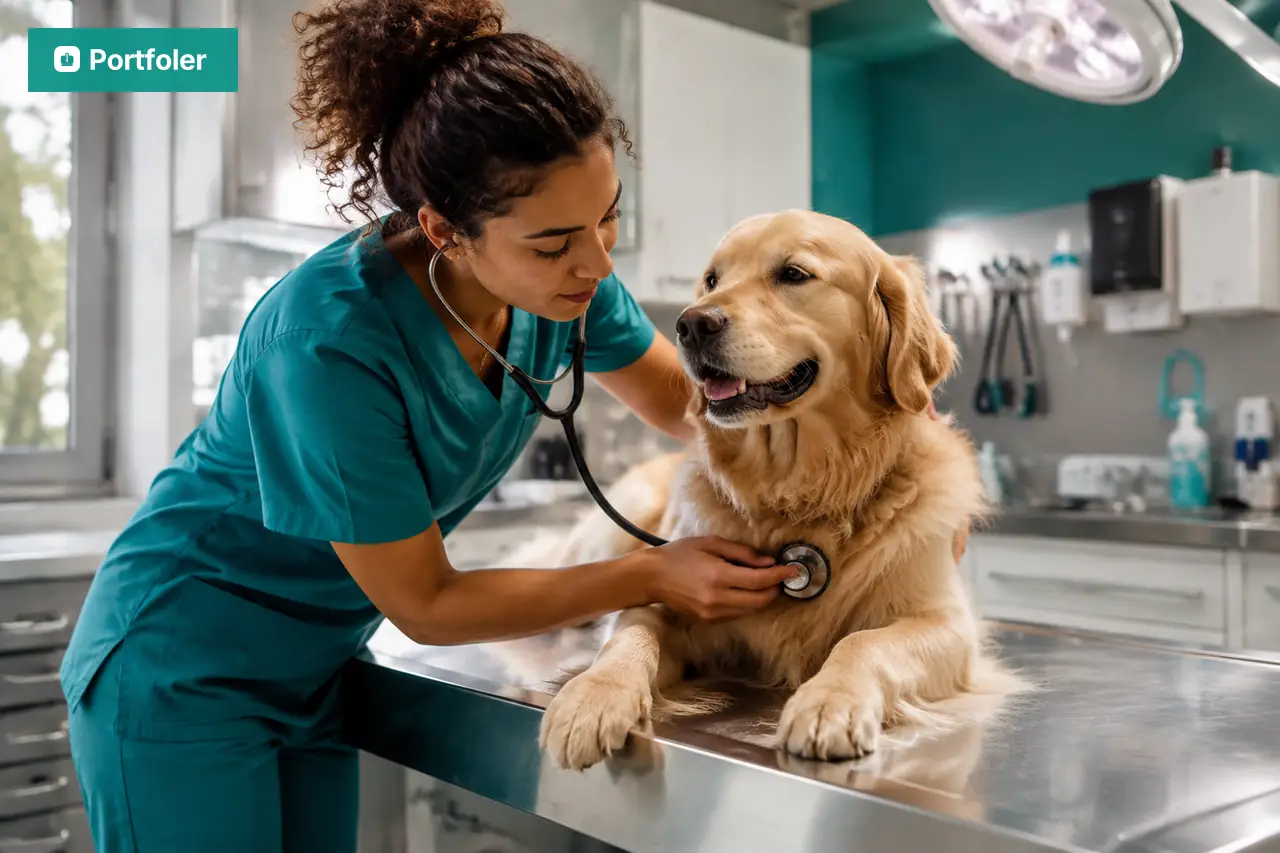
Veterinarians safeguard animal health through prevention, diagnosis and treatment of disease and injury, whether the patient is a household pet, livestock or a wild animal. As guardians of animal welfare and, by extension, public health, they work across a wide range of settings — private practice, rural clinics, laboratories, public agencies. The profession blends medical expertise, surgical skill and strong client communication.
Job description
Veterinarians examine animals, establish diagnoses from clinical signs and complementary tests (imaging, blood work, biopsies), and then deliver the appropriate medical or surgical treatment. They also play a central preventive role: vaccination, deworming, sterilization, nutritional advice and growth monitoring. Beyond individual care, they contribute to epidemiological surveillance and the control of zoonotic diseases — those transmissible from animals to humans.
The way the role is practiced varies significantly by specialization. Small-animal (canine and feline) practice, common in urban areas, accounts for most day-to-day clinical activity. Rural or equine practice involves frequent travel to farms and greater availability, particularly for birthing emergencies. Exotic pet medicine — reptiles, small mammals, birds — demands specific, highly focused expertise. Finally, public health and the agri-food industry employ veterinarians for sanitary inspection, pharmaceutical research and quality control across animal production chains.
Key responsibilities
- Examine animals and establish an accurate clinical diagnosis
- Perform surgical procedures (sterilizations, emergency interventions, orthopedic surgery)
- Prescribe and administer appropriate medical treatments
- Ensure prevention through vaccination and early disease screening
- Advise owners and farmers on nutrition, hygiene and animal welfare
- Contribute to epidemiological surveillance and zoonotic disease prevention
- Manage administrative follow-up: medical records, prescriptions, health certificates
Required skills
Hard skills: solid grounding in general veterinary medicine and specialty areas (surgery, dermatology, animal cardiology), clinical diagnostic skill and medical imaging interpretation, expertise in pharmacology and species-specific dosing, surgical technique and anesthesia, knowledge of vaccination and biosecurity protocols, proficiency with laboratory and imaging equipment.
Soft skills: empathy and clear communication with often anxious owners, composure and quick decision-making in emergencies, physical and mental resilience for long, unpredictable days, sharp observation and methodical rigor, ability to work closely with veterinary assistants, capacity to manage the emotional weight of difficult diagnoses.
Salaries around the world
Veterinarian compensation varies considerably by country, mode of practice (employed, partner, self-employed) and specialization. The salary table by country below, expressed in local currency, offers an indicative benchmark for comparing pay ranges across markets.
Career path
- Veterinary student and new graduate (0-2 years): clinical placements, first locum assignments
- General practitioner (2-7 years): building experience in practice or clinic, growing autonomy
- Specialist or partner veterinarian (7-15 years): specialization (surgery, imaging, exotics) or partnership in a practice
- Clinic director or referral expert (15+ years): practice management, mentoring junior vets, recognized expertise
Education & training
Entry into the profession requires a Doctor of Veterinary Medicine degree awarded after a long, selective course of study. The typical path includes a preparatory or entrance-exam stage after secondary school, followed by five to six years at a veterinary school combining theoretical coursework, practical training and mandatory clinical placements. Further specialization (internship, residency) then allows deeper focus on a specific field such as surgery or imaging.
Career opportunities & sectors
Veterinarians find opportunities in private clinics and practices, specialized veterinary hospitals, farms and agricultural operations, research laboratories and the animal pharmaceutical industry, public veterinary and sanitary control services, as well as zoos, wildlife parks and wildlife rehabilitation centers.
In summary
A vocation dedicated to living beings, the veterinary profession combines demanding medical expertise with strong human connection. To showcase this career path and connect with opportunities in the sector, create your profile on Portfoler.com.
 United States
 United Kingdom
 Germany
 France
 Canada
 United Arab Emirates
 Morocco
 India
 Spain
 Australia
 Netherlands
 Brazil