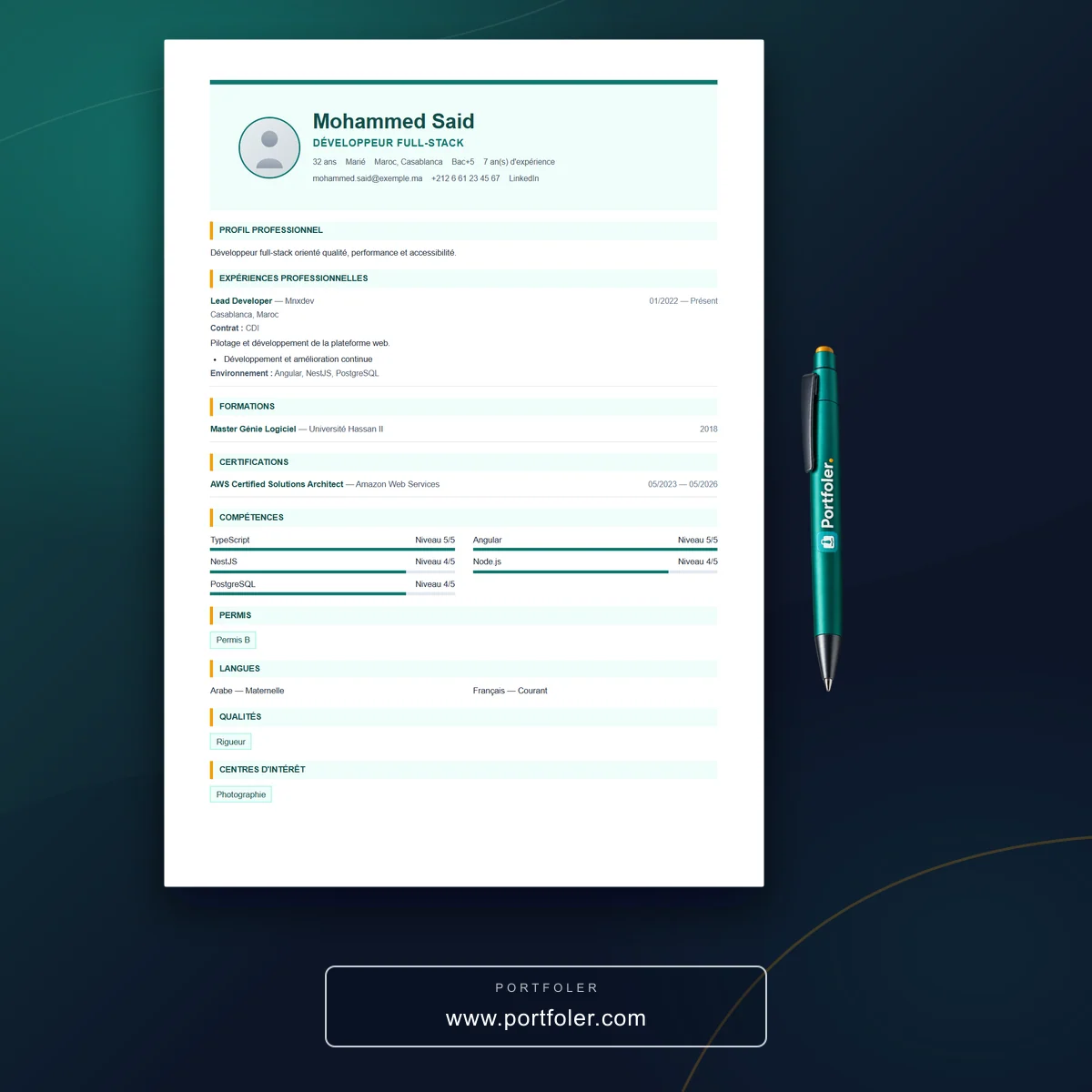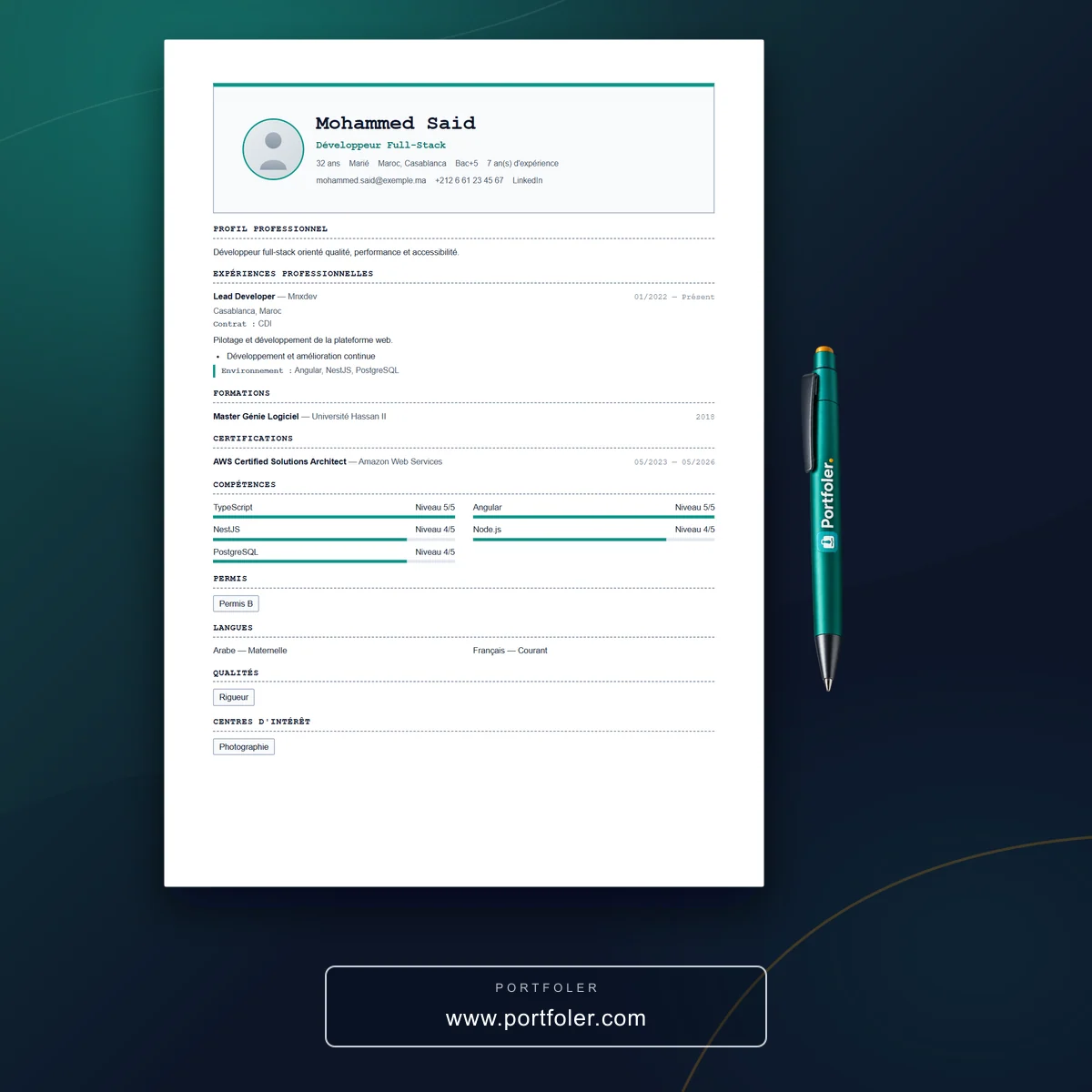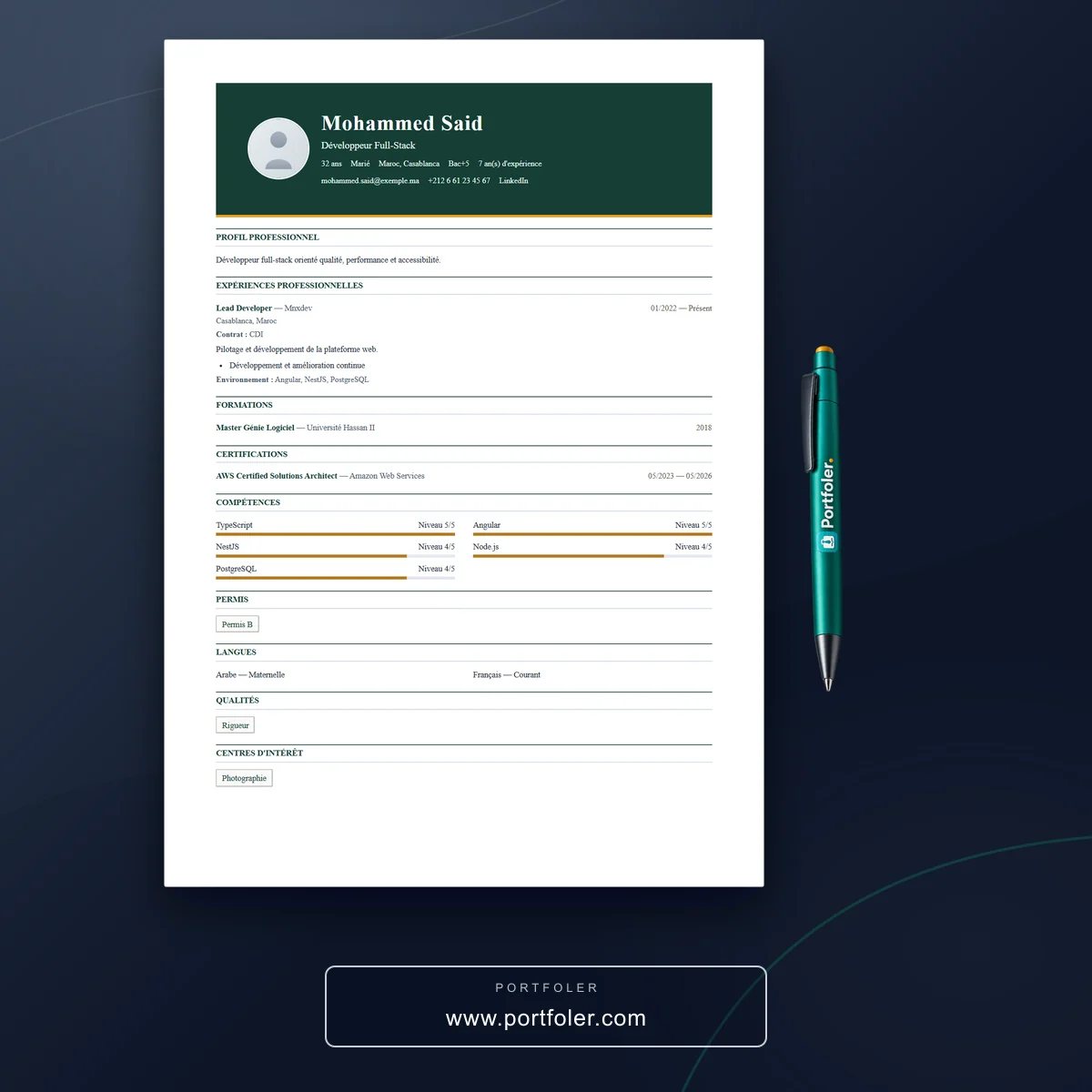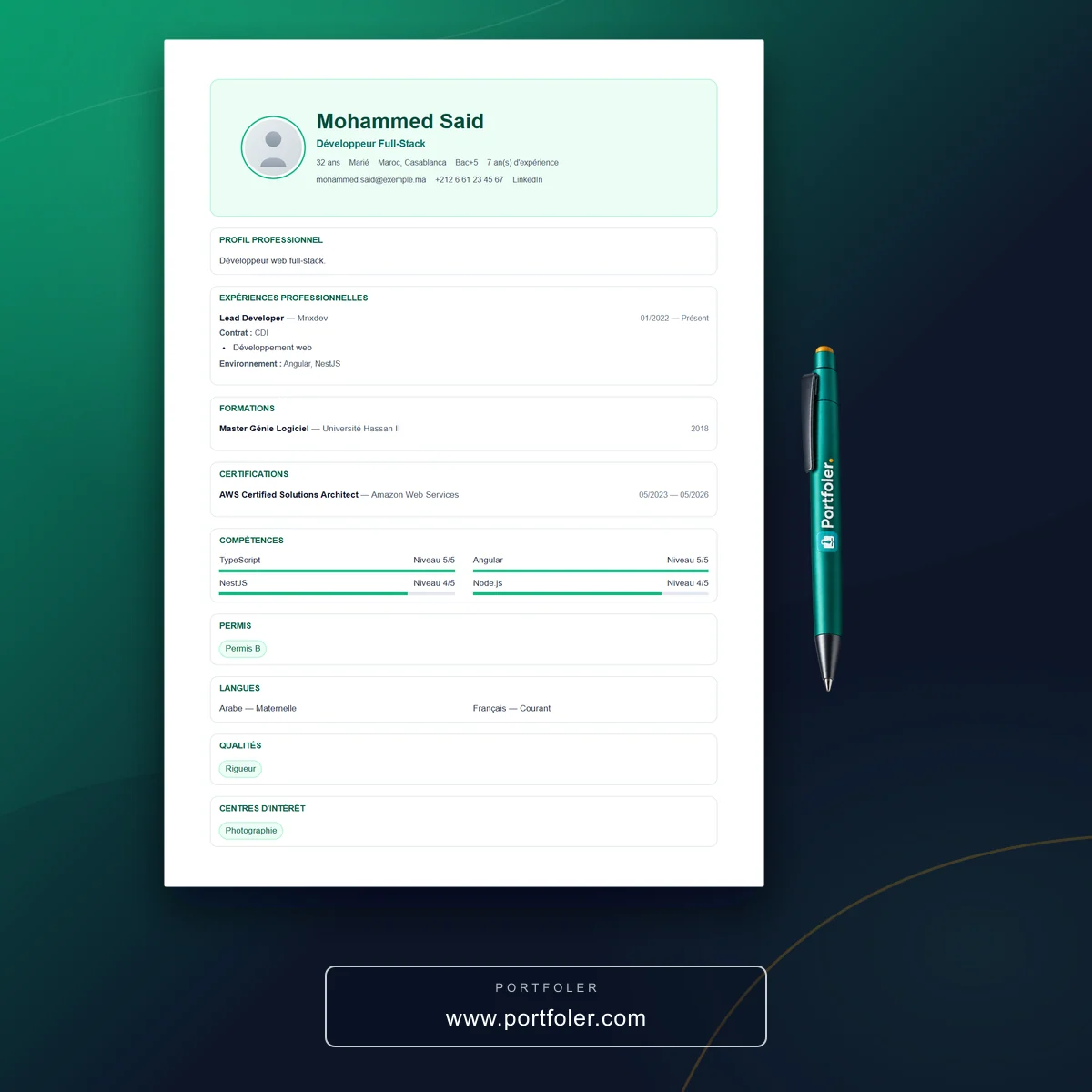
The cloud infrastructure administrator keeps the servers, networks and cloud platforms that run a company's applications available, secure and fast. They bridge development teams and the hardware or hosted services behind them, working on on-premise estates as well as on Amazon Web Services, Microsoft Azure or Google Cloud environments.
Job description
The cloud infrastructure administrator installs, configures and monitors every technical layer of an information system: operating systems, directories, networks, storage, virtualisation and cloud resources. In organisations that have moved to the cloud, they also manage accounts, access rights and consumption costs.
Depending on company size, the role can be generalist (a small team that owns the whole scope) or specialised (cloud, virtualisation, storage, backup). In large organisations, the role works closely with DevOps, security and support teams.
Core responsibilities
- Install, configure and maintain Linux and Windows servers, including security updates.
- Run the cloud infrastructure: virtual machines, virtual networks, storage and managed databases.
- Manage identities and access (Active Directory, privileged accounts, IAM policies).
- Monitor availability and performance with monitoring and alerting tools.
- Set up and test backups and disaster recovery plans.
- Automate repetitive tasks with scripts and infrastructure as code tools.
- Track and optimise cloud costs, and document architectures and procedures.
- Provide level 2 and 3 support to user and development teams.
Required skills
Hard skills: Linux and Windows Server administration, Active Directory, TCP/IP networking (routing, DNS, DHCP, VPN), virtualisation (VMware, Hyper-V), public cloud (AWS, Azure or Google Cloud), infrastructure as code (Terraform), containers (Docker), monitoring, scripting (Bash, PowerShell), system security.
Soft skills: rigour, sound prioritisation during incidents, clear communication with non-technical stakeholders, a documentation mindset, teamwork with developers.
Salaries around the world
Pay for a cloud infrastructure administrator depends on cloud expertise, company size and the local market. The salary table by country below (fed by `salaires_json`) gives indicative gross annual ranges, in local currency, for an experienced profile. Cloud certifications (AWS, Azure) and automation skills usually raise pay.
Career path
- Junior (0 – 2 years): operations and support, server and directory administration under supervision.
- Mid-level (2 – 5 years): owns the infrastructure, runs cloud administration, takes part in migration projects.
- Senior (5 – 10 years): designs platforms, hardens security, automates end to end, leads technical work.
- Expert / Lead (10+ years): cloud architect, head of infrastructure or IT director (CIO).
Education & training
- Two to three years after the baccalaureate: technical degree in IT or systems and networks administration.
- Master's level: systems and networks, cybersecurity or cloud computing.
- Certifications: AWS Certified SysOps Administrator, Microsoft Azure Administrator, LPIC or RHCSA. Recruiters value them highly.
Sectors and career opportunities
The role is hired by banks, insurers, telecom operators, industry, the public sector, hosting providers and IT services companies. It can lead to cloud architect, DevOps engineer or infrastructure manager roles, or to freelance missions for several clients.
In short
A technical role that keeps digital services running, with strong demand driven by cloud migration. If you master systems, networks and at least one cloud platform, create your profile on Portfoler.com to be found by recruiters and companies looking for these skills.
 United States
 United Kingdom
 Germany
 France
 Spain
 Netherlands
 Canada
 Australia
 United Arab Emirates
 Brazil
 India
 Morocco