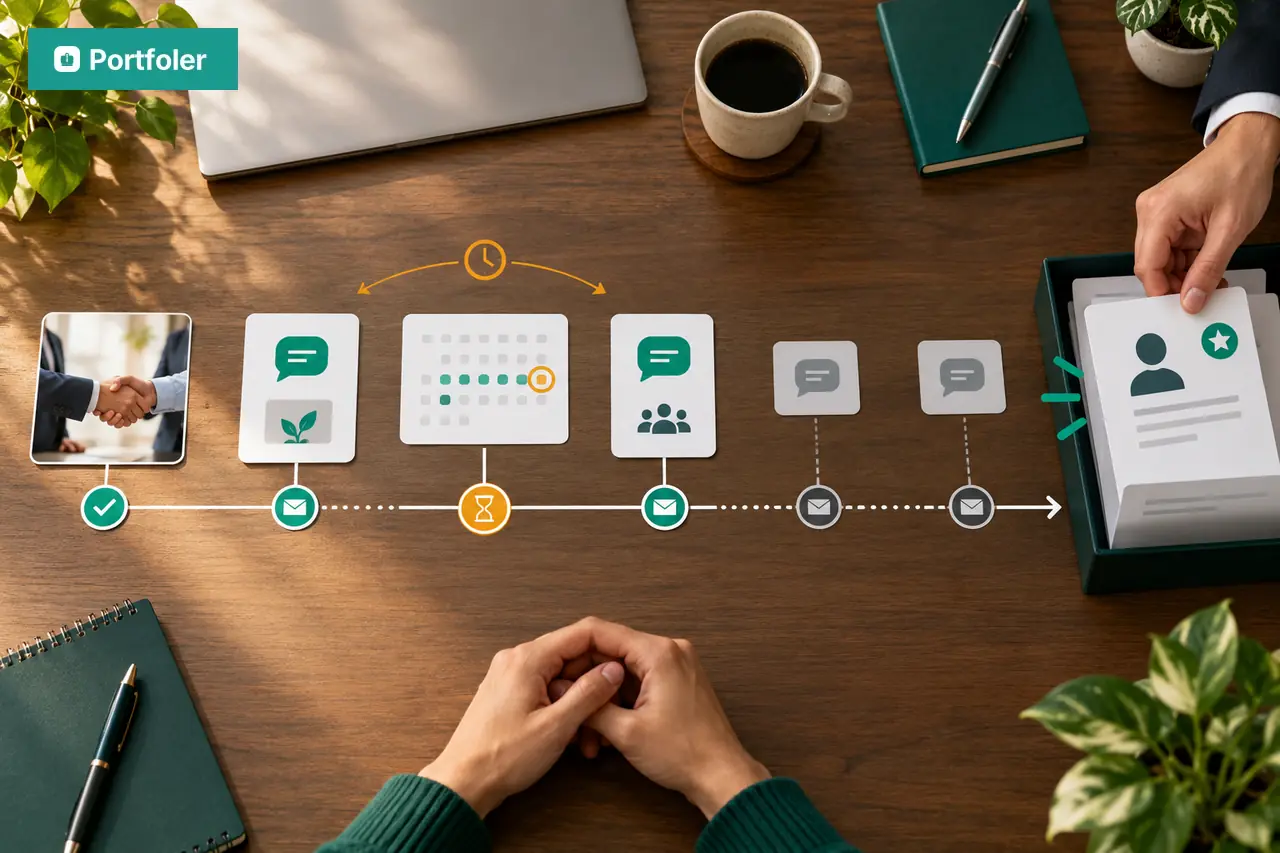
You apply, you wait, and nothing happens. No reply, not even a rejection. The scenario is so common that you start doubting your own background. Yet the problem usually isn't your profile — it's that no human ever saw it. Between your click on "Apply" and the recruiter's desk stands an invisible gatekeeper: the ATS. Understanding how it thinks is how you take back control of your applications.
What exactly is an ATS?
ATS stands for *Applicant Tracking System*. It's the software that receives, organizes, parses and sorts resumes before a recruiter ever opens a single one. Almost all large companies rely on it, and the tool is now spreading to small businesses and recruitment agencies alike.
In practice, the ATS is the first reader of your resume — and that first reader isn't human. It isn't won over by a beautiful layout: it reads text, spots keywords and computes a score. If your resume isn't built for it, your application can end right there, regardless of your real worth.
How the sorting works
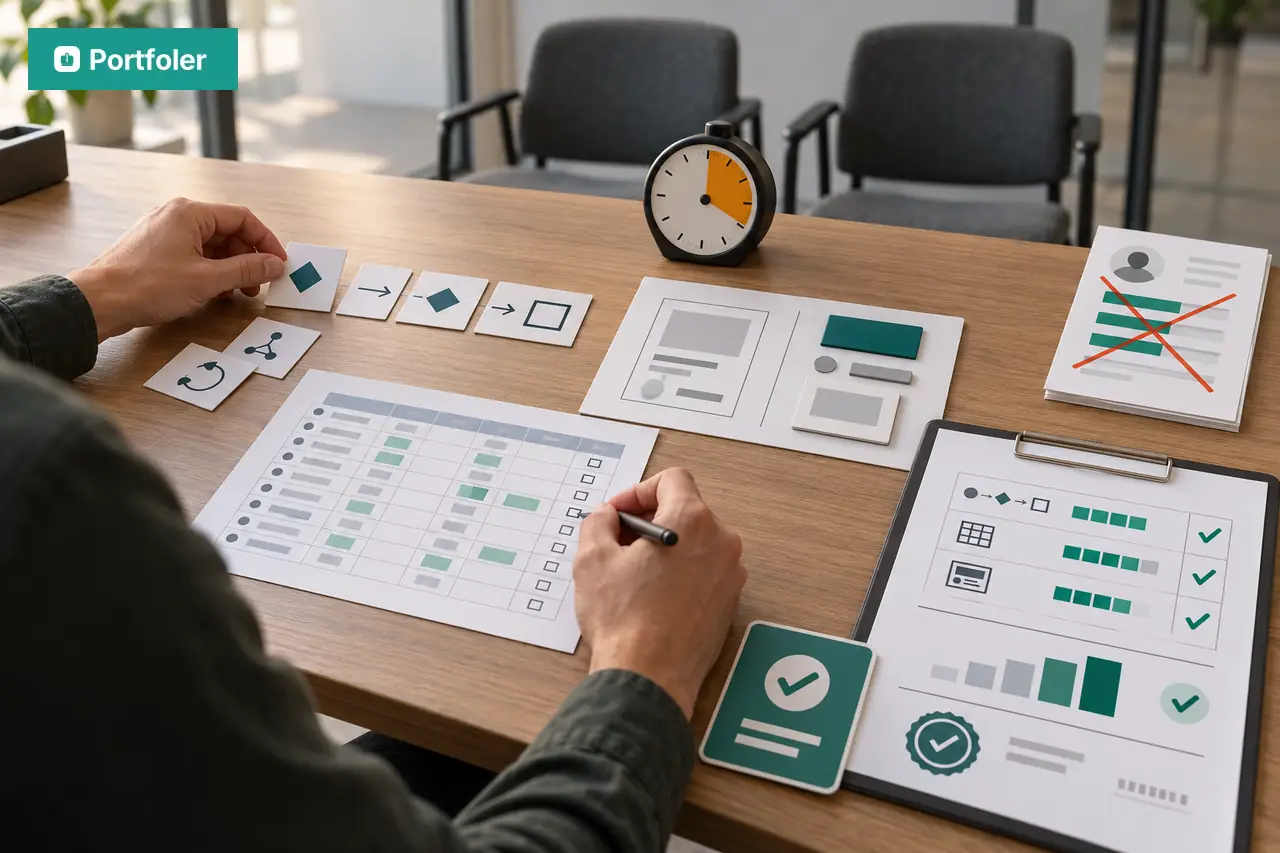
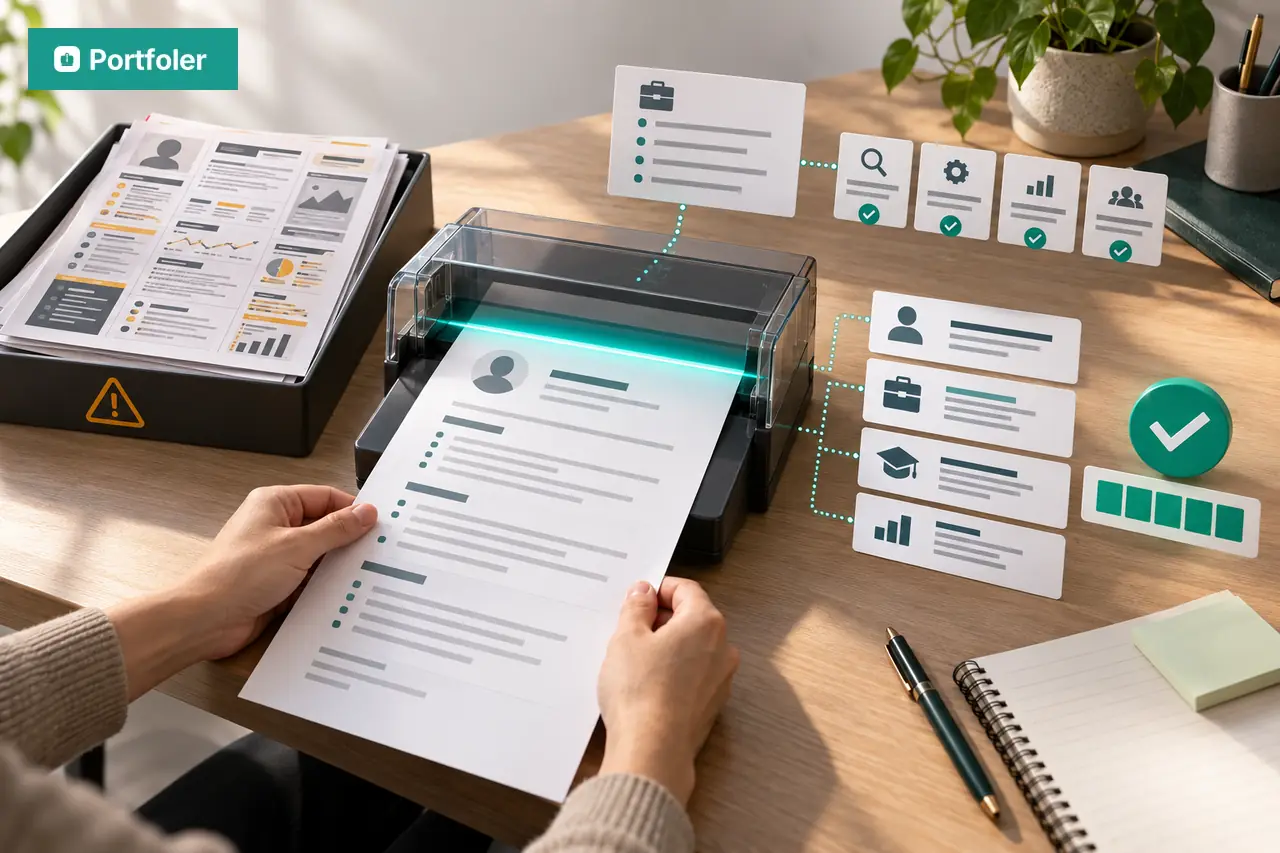
An ATS does its job in a few automated steps:
- Extraction: it breaks down your resume to pull out the key data — skills, job titles, years of experience, degrees.
- Comparison: it matches that content against the required and preferred keywords in the job posting.
- Scoring: it assigns a relevance score between your profile and the stated expectations.
- Ranking: it orders the applications and surfaces only the top-scoring ones to the recruiter.
The critical point fits in one sentence: if the right keywords are missing, you're filtered out — even if you're the ideal candidate. The ATS doesn't guess your potential; it measures a match.
Why your layout can betray you
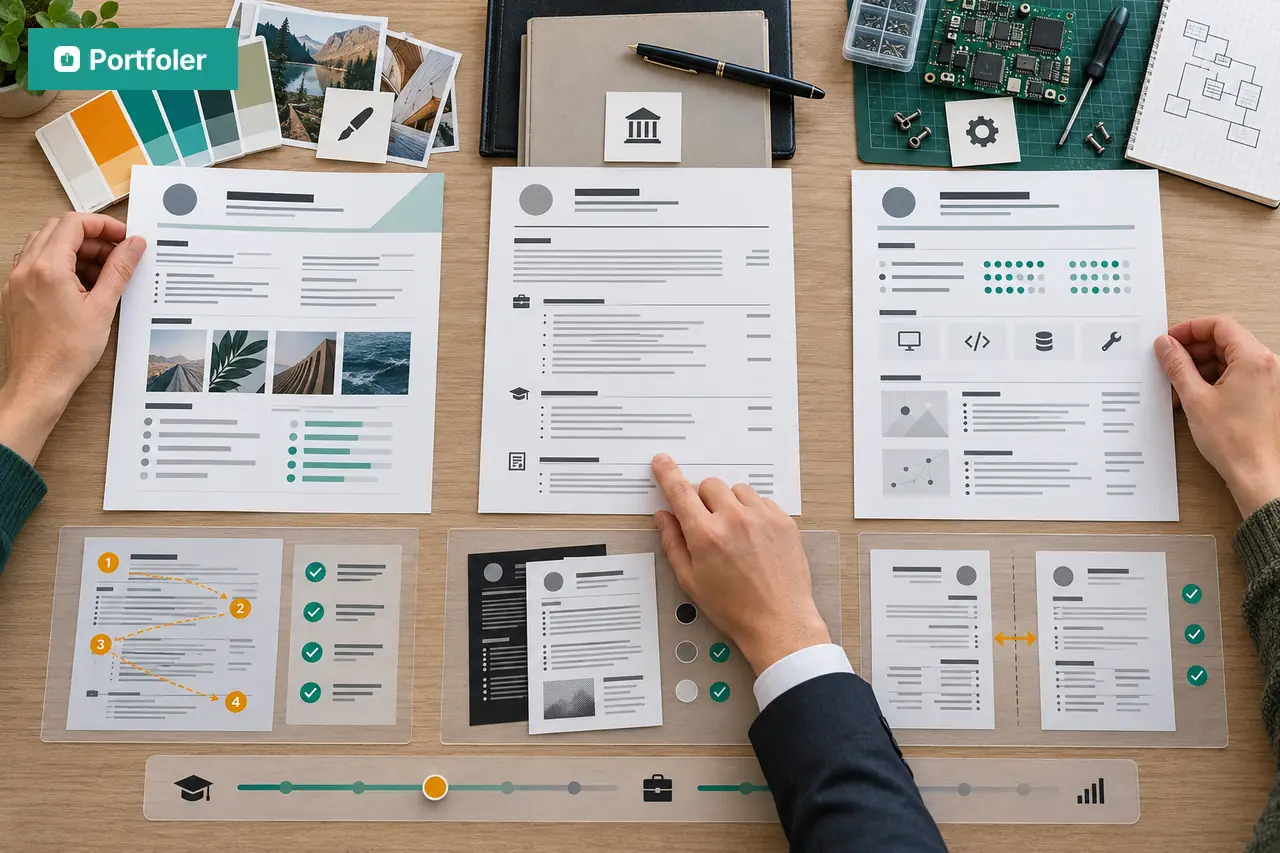
ATS tools are powerful at reading plain text, yet surprisingly fragile when faced with sophisticated design. A resume that looks stunning on screen can score zero with the machine, simply because it couldn't read it.
The formatting traps that sabotage parsing:
- Multiple columns: the parser reads left to right and scrambles your content.
- Tables and text boxes: their content is often ignored entirely.
- Graphics, icons and logos: invisible to the machine.
- Non-standard section titles: "My journey" won't be recognized as work experience.
- Headers and footers: contact details hidden there are frequently lost.
The golden rule: a simple, single-column layout with standard headings — *Work Experience*, *Education*, *Skills*.
The method to beat the filter
Optimizing for an ATS isn't magic. Five reflexes make the difference.
- Mirror the wording of the posting. Use the exact phrases from the ad. If it says "cross-functional collaboration," don't paraphrase it as "teamwork": the machine looks for precise words.
- Use standard section titles. *Work Experience*, *Education*, *Skills* — keep originality for the content, not the labels.
- Spell out acronyms at least once. Write "Application Programming Interface (API)" before using the abbreviation alone.
- Pick the right format. PDF passes most modern ATS; some legacy systems prefer `.docx`. When in doubt, submit both.
- Quantify your results. Numbers give both the machine and the recruiter something concrete. "Cut latency by 40% for 2M daily users" beats "improved performance" every time.
Never forget the human
Beating the ATS is only a door. Behind it, a flesh-and-blood recruiter finally reads your resume — and they don't want a cold, impersonal document stuffed with keywords. They expect clear writing, concrete proof, and a thread that tells the story of your value.
So the goal isn't to choose between the machine and the human, but to satisfy both: text the ATS can read and that convinces the person who decides. These two demands are far less incompatible than they seem — all it takes is a clean structure and an honest message.
Build a resume that beats the machine
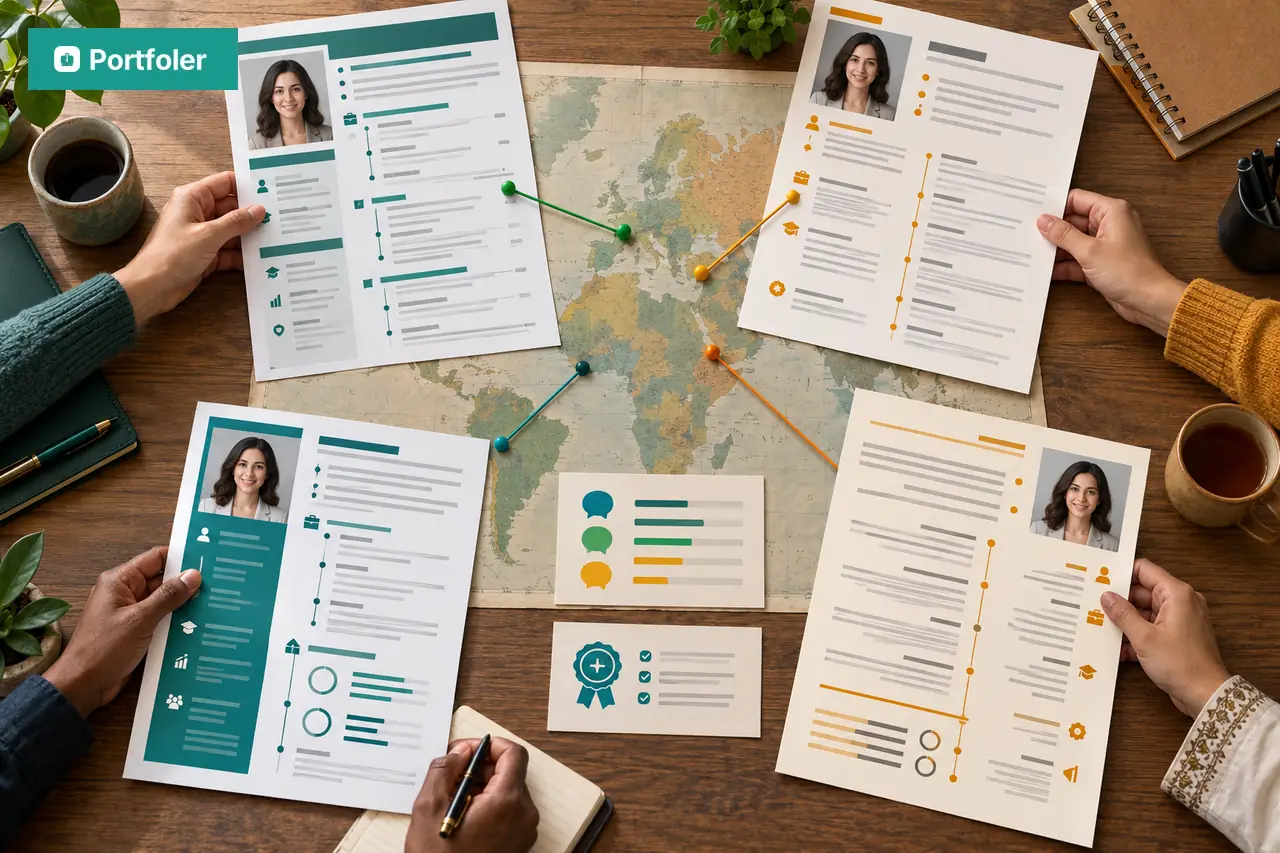
You don't have to choose between an elegant resume and an ATS-readable one. On Portfoler.com, our resume templates are designed to stay clear to the recruiter's eye and perfectly parsable by sorting software: simple structure, standard headings, selectable text. Build yours in minutes, tailor it to each posting, and give your application every chance of reaching a real reader.