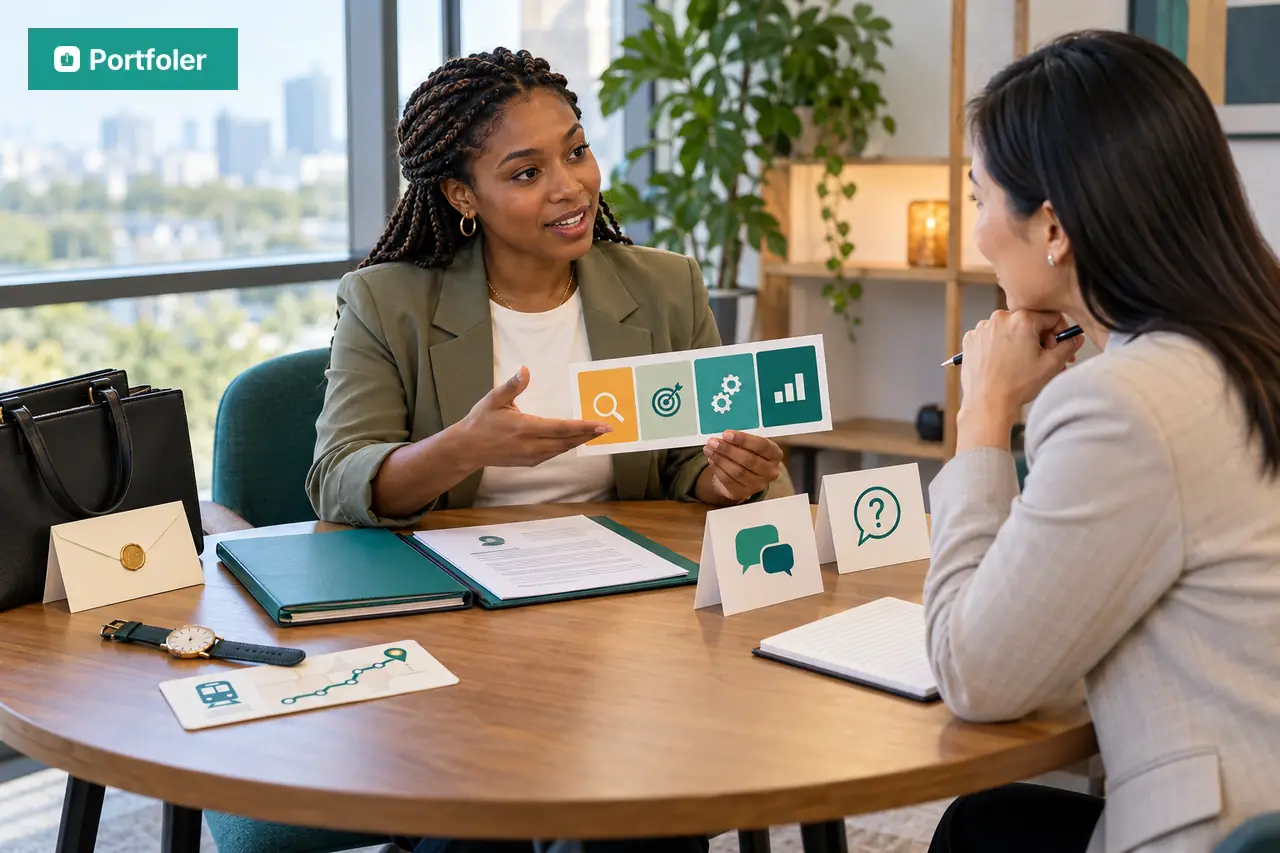
In everyday life, when something truly matters to us, we put in all the energy needed to succeed. A job interview is no exception. In an increasingly competitive job market, you need to bring together all the key ingredients to start your professional journey the right way. At its core, an interview is simply a two-way conversation: the employer learns more about you and your background, while you highlight your skills and everything you can bring to the role. Here are the essential steps to prepare methodically and walk into your interview with confidence.
Know Your Resume Inside Out and Anticipate Questions
Preparation begins well before the big day. Read your resume carefully: there is nothing more embarrassing than stumbling over a question about information you mentioned yourself. For each line of your background, be ready to tell a concrete story: a project you led, a result you achieved, a skill you gained.
Also anticipate the classic interview questions:
- «Tell me about yourself» — prepare a clear summary of your background in one to two minutes.
- «What are your strengths and weaknesses?» — choose authentic examples and show how you keep improving.
- «Why this role, why this company?» — research the organization's activity, culture and recent news beforehand.
- «Where do you see yourself in five years?» — connect your goals to those of the company.
You may bring brief notes to jog your memory if you get stuck, as long as they stay short and relevant. And remember: it is perfectly acceptable to ask your interviewer to clarify or rephrase a question, or even to take a few seconds to think before answering.
Make a Strong Arrival and Be Punctual
The first impression is made within the first few seconds. Arriving late and then searching for excuses to justify it will not get you off on the right foot, especially on what could be your first day with the organization.
A few simple habits will spare you last-minute stress:
- Scout the route in advance and identify the building, floor and room.
- Allow a comfortable margin to absorb the unexpected: traffic jams, transport delays or other emergencies.
- If possible, do a trial run a few days earlier to estimate exactly how much time you need.
- Aim to arrive about ten minutes before the scheduled time: neither too early nor at the very last minute.
Prepare Your Documents and Appearance
Good practical preparation is always the key to success. Bring every document your interviewer requested: the originals of some, copies of others, plus several copies of your resume.
When it comes to attire, opt for a neat, fairly formal look that fits the company's industry and culture. It is better to be slightly overdressed than too casual. The goal is simple: your appearance should never be a distraction, so that all the attention stays on your skills.
Master Your Body Language
Long before your answers, it is your attitude that speaks first. Positive body language reinforces your credibility and signals your confidence:
- Offer a firm handshake and a genuine smile on arrival.
- Maintain natural eye contact with your interviewer or interviewers.
- Sit up straight, without stiffness, and avoid crossing your arms.
- Limit fidgeting (tapping, playing with a pen) that betrays nervousness.
- Listen actively: nod and show that you are following the conversation.
Handle the Heart of the Interview
Once the conversation gets going, several questions await you: your previous job, your education and qualifications, your goals and how you plan to reach them. This is where your preparation pays off. Under pressure, some candidates freeze and fall silent, while others ramble into tangents they later regret. Avoid both of these traps.
To structure your answers, lean on the STAR method: describe the Situation, the Task at hand, the Action you took and the Result you achieved. This framework turns a vague anecdote into a concrete demonstration of your skills. Stay honest: if you do not know an answer, it is better to admit it and explain how you would find the information than to improvise.
Ask the Recruiter Your Own Questions
An interview is an exchange: at the end, you will almost always be asked whether you have any questions. Answering «no» gives the impression of a lack of interest. Prepare two or three relevant questions:
- What would a typical day in this role look like?
- What are the first objectives expected during the first few months?
- How would you describe the team's culture and spirit?
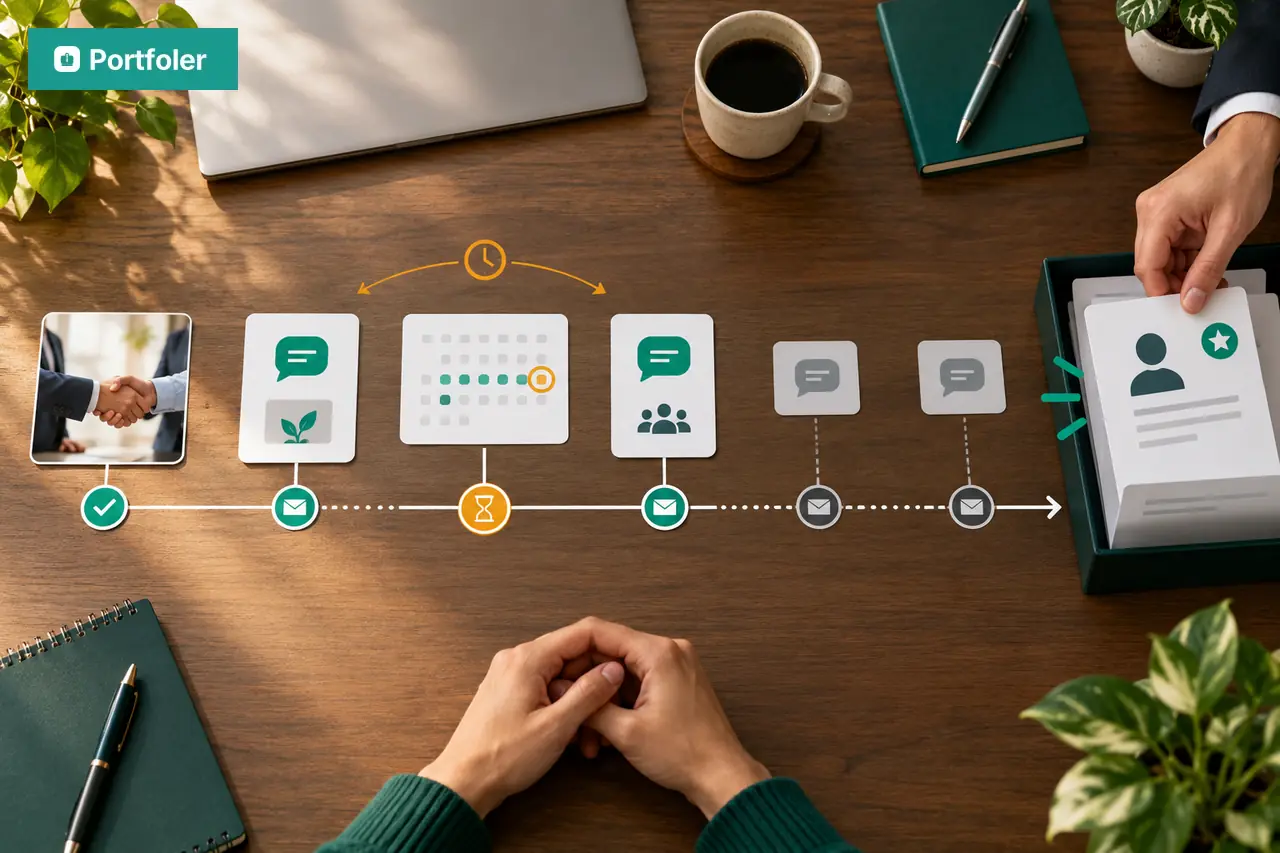
- What are the next steps in the recruitment process?
These questions show your motivation and also help you confirm that the role is a good fit for you. Finally, remember to send a short thank-you message within the twenty-four hours following the interview.
In Summary
Succeeding in a job interview is not about luck, but about rigorous preparation. Know your resume inside out, anticipate the questions, take care of your punctuality and appearance, adopt positive body language, structure your answers with the STAR method and prepare your own questions. By bringing together all these ingredients, you approach the conversation with peace of mind and give yourself every chance of landing the role.