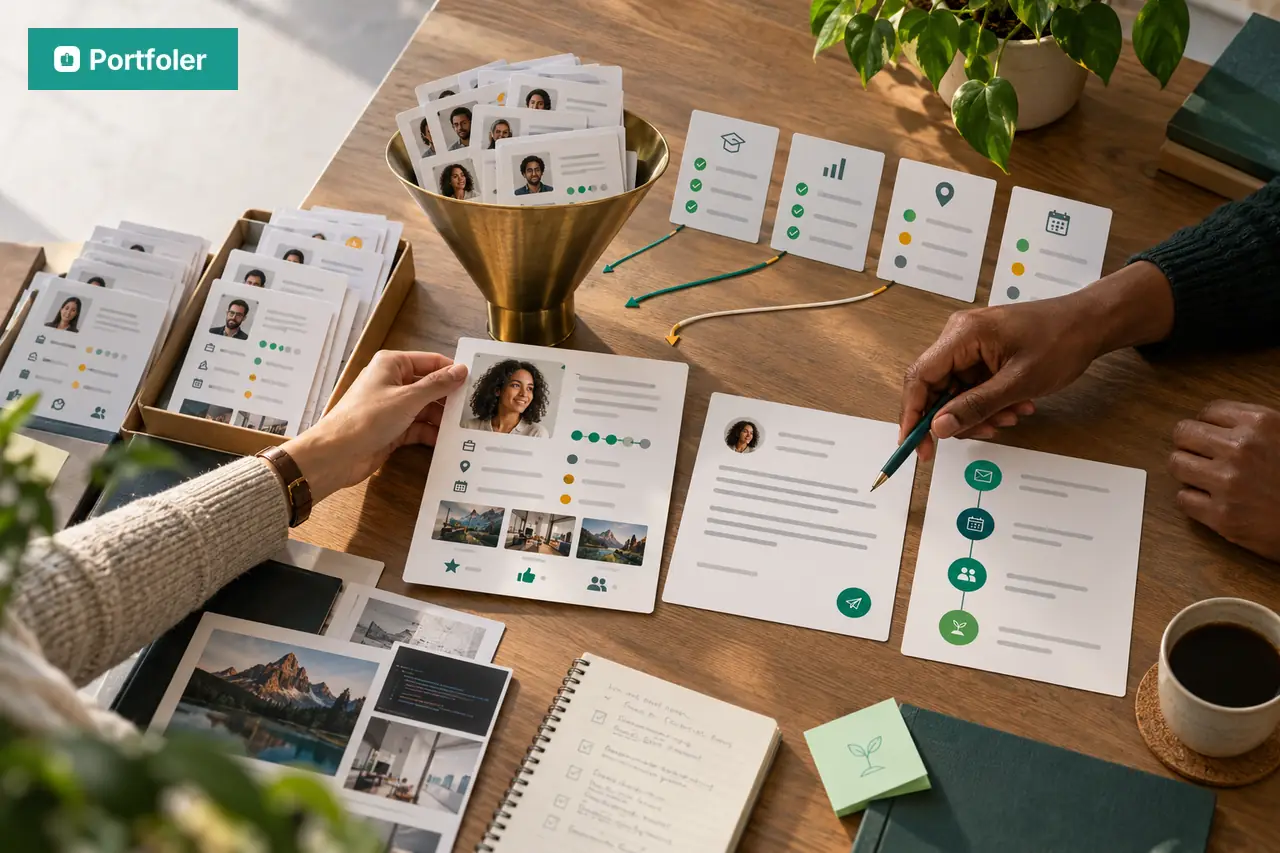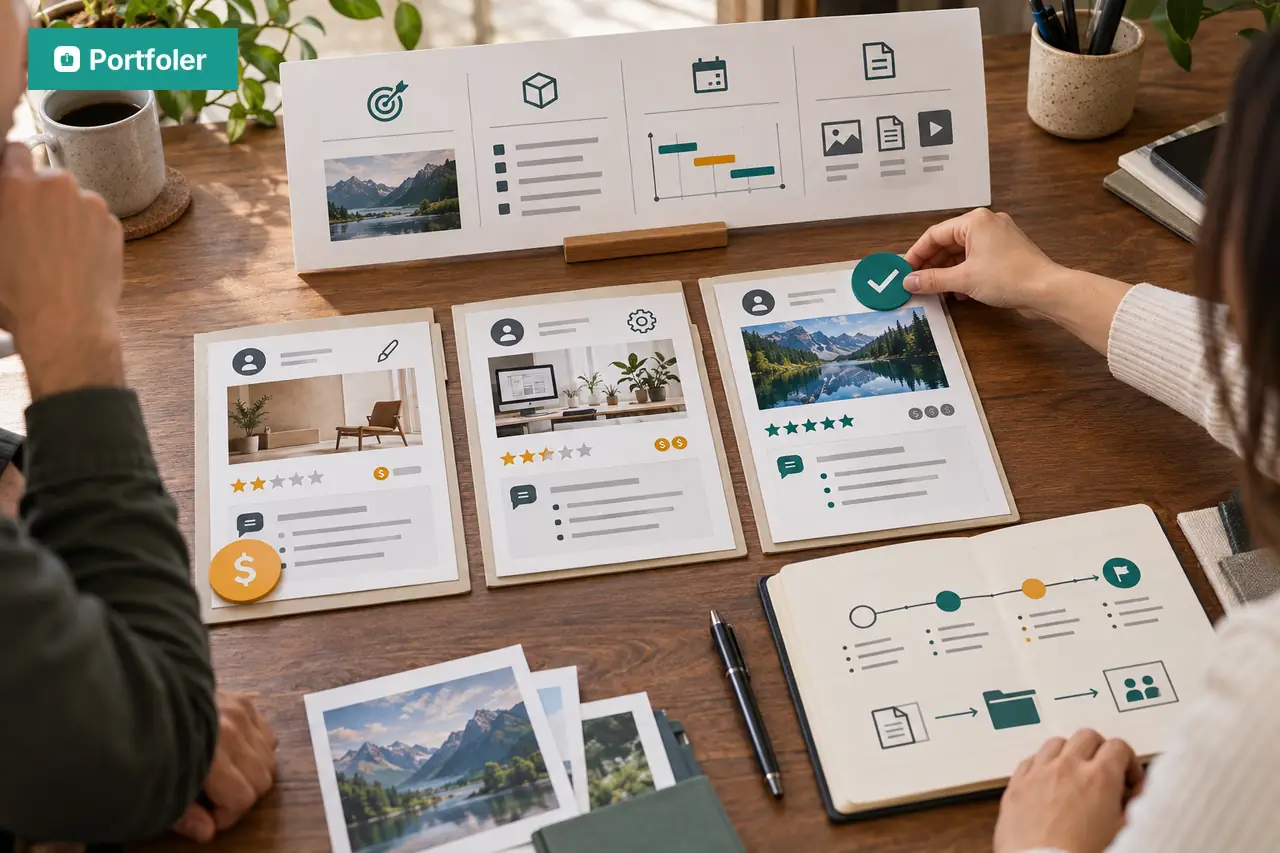
Handing a project to a freelancer can save you precious time and give you access to expertise you don't have in-house. But a bad choice is expensive: slipping deadlines, deliverables to redo, budget gone. The good news is that picking the right person isn't down to luck. It's a method. Here is how to scope your need, compare candidates and secure a collaboration that truly delivers.
Scope your need before you search
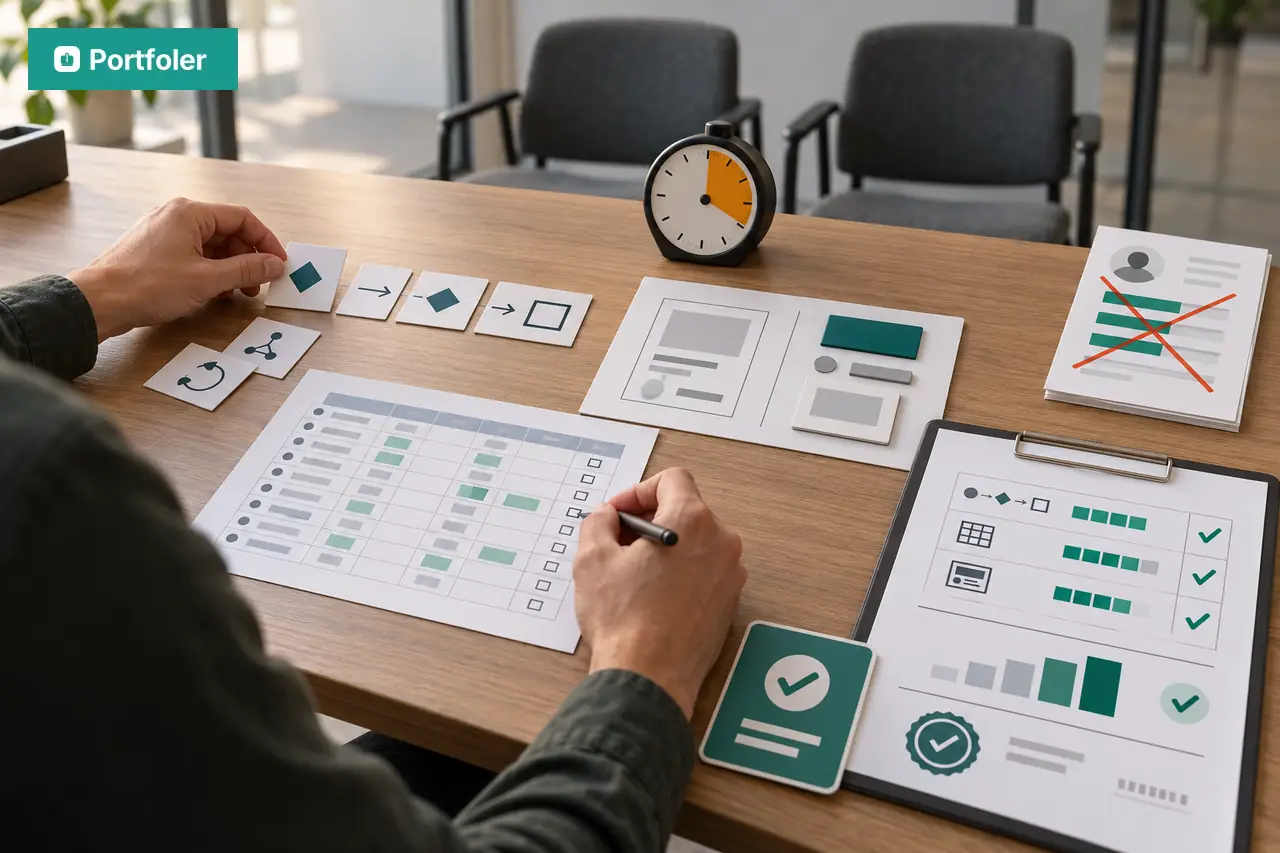
Most collaborations that fail start with a vague brief. Before you even look at a single profile, take the time to write down exactly what you expect. A clear need attracts clear proposals.
- The objective: what concrete result do you want, and what does a successful project look like?
- The scope: what's included, and above all what isn't.
- Budget and timeline: a realistic range, even rough, saves everyone time.
- The deliverables: source files, formats, expected level of polish.
The sharper your brief, the more you filter out unsuitable profiles upfront.
Assess skills beyond the rate
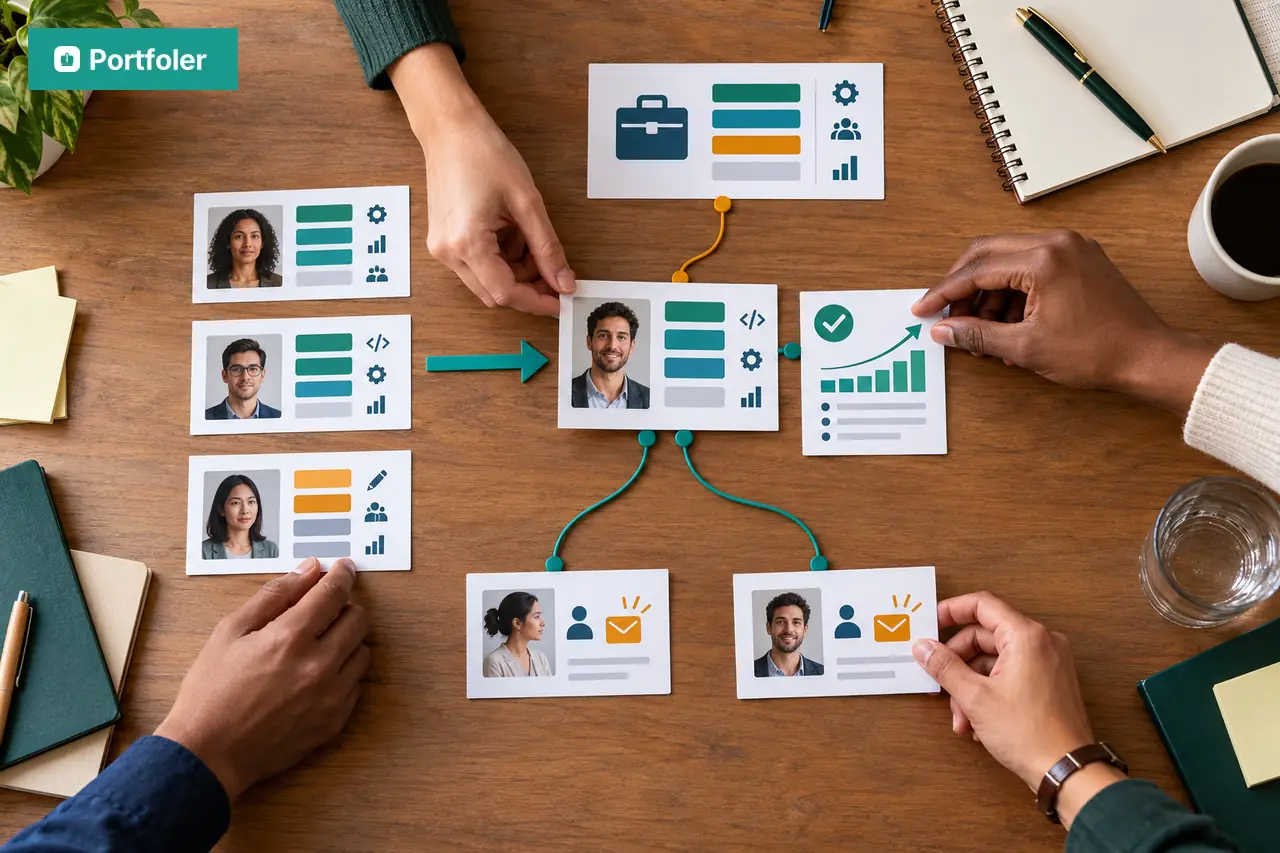
The lowest price is rarely the best math. A freelancer who costs slightly more but is autonomous, reliable and fast will cost you less than a cheap profile you constantly have to rework. Focus on proof of skill:
- The portfolio: look for projects close to yours, not just nice but irrelevant work.
- The results: a strong profile talks about impact (traffic, conversions, time saved), not just tasks.
- Recommendations: reviews from past clients reveal reliability and respect for deadlines.
- Specialization: a domain expert often beats a generalist for a sharp, specific need.
Test communication from the first exchange
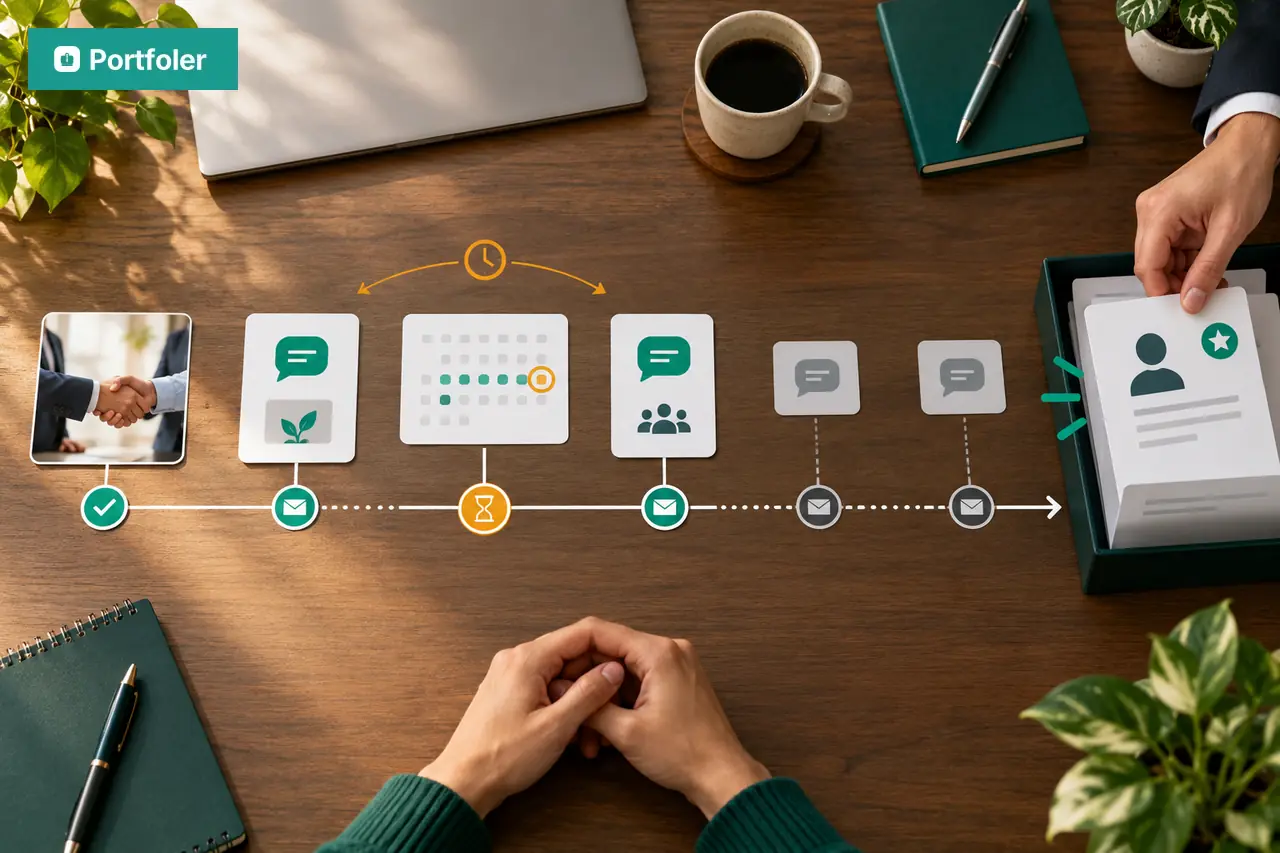
The quality of a collaboration largely comes down to communication. The first contact is already a real-world test.
- Does the freelancer ask relevant questions about your project, or accept everything without thinking?
- Are their answers clear, structured and quick?
- Do they rephrase your need to make sure they understood it?
A professional who scopes, challenges and clarifies from the start will spare you plenty of misunderstandings once the project is underway.
Secure the collaboration
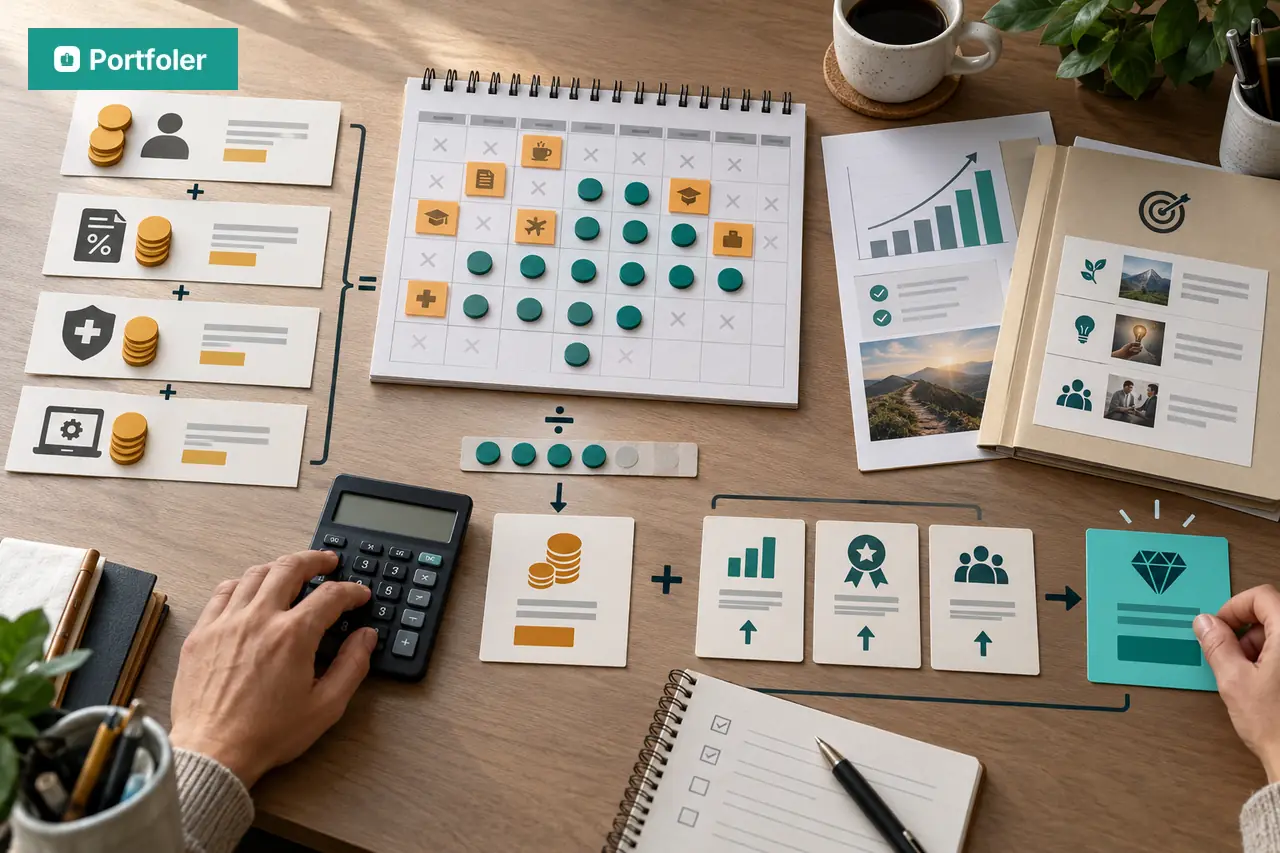
Once you've found the right profile, set a simple framework that protects both sides. Trust doesn't rule out clarity.
- A written agreement: scope, price, deadlines and revision terms.
- Milestones: break large projects into stages validated one by one rather than a single delivery at the end.
- A follow-up channel: a regular check-in avoids nasty surprises and keeps things on track.
- Rights and source files: clarify ownership of the final deliverable from the start.
In summary
Choosing the right freelancer means first clarifying your need, then assessing skills on concrete proof rather than rate alone, testing communication from the first exchange, and setting a clear framework before you start. Follow this method and you turn a risky bet into a controlled collaboration.
On Portfoler.com, browse profiles, check portfolios and recommendations, then contact the freelancer who fits your project directly — no middleman.