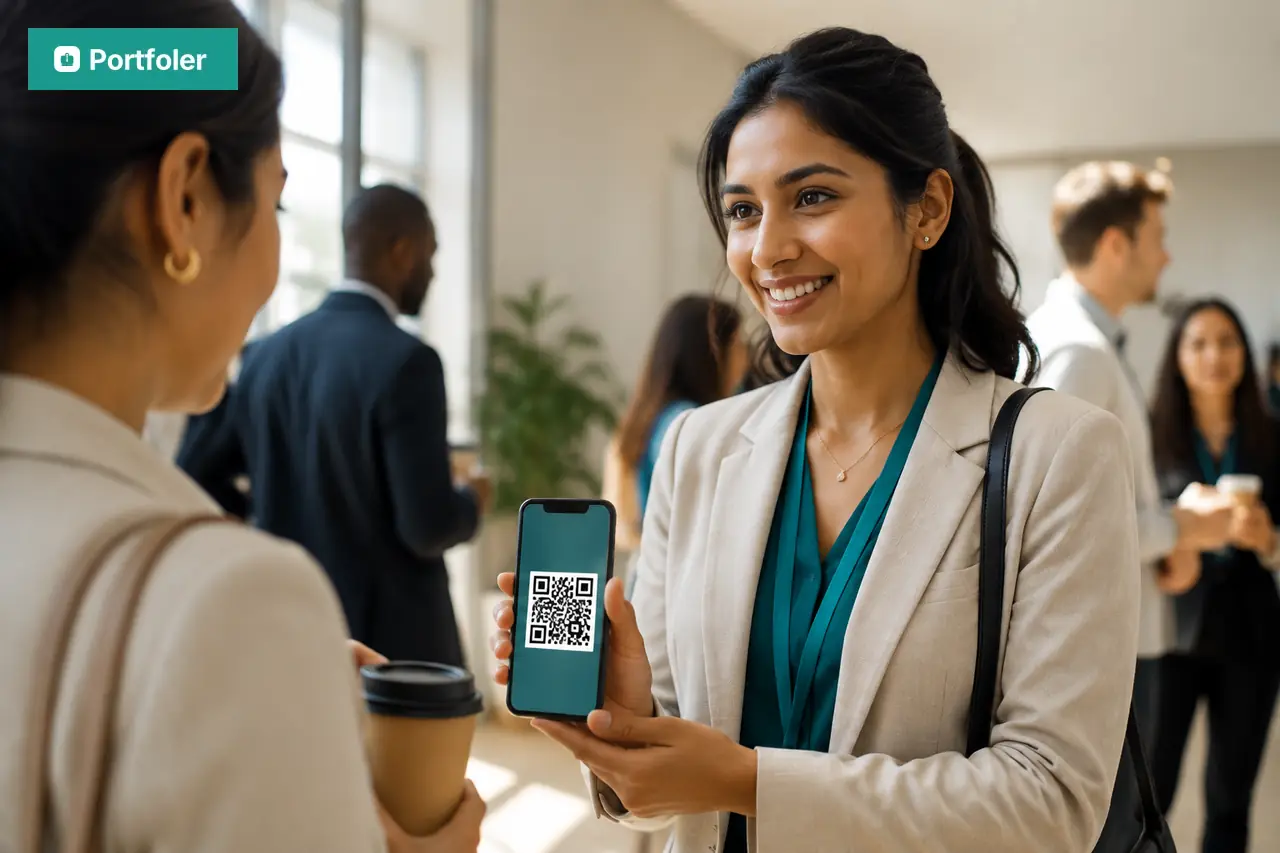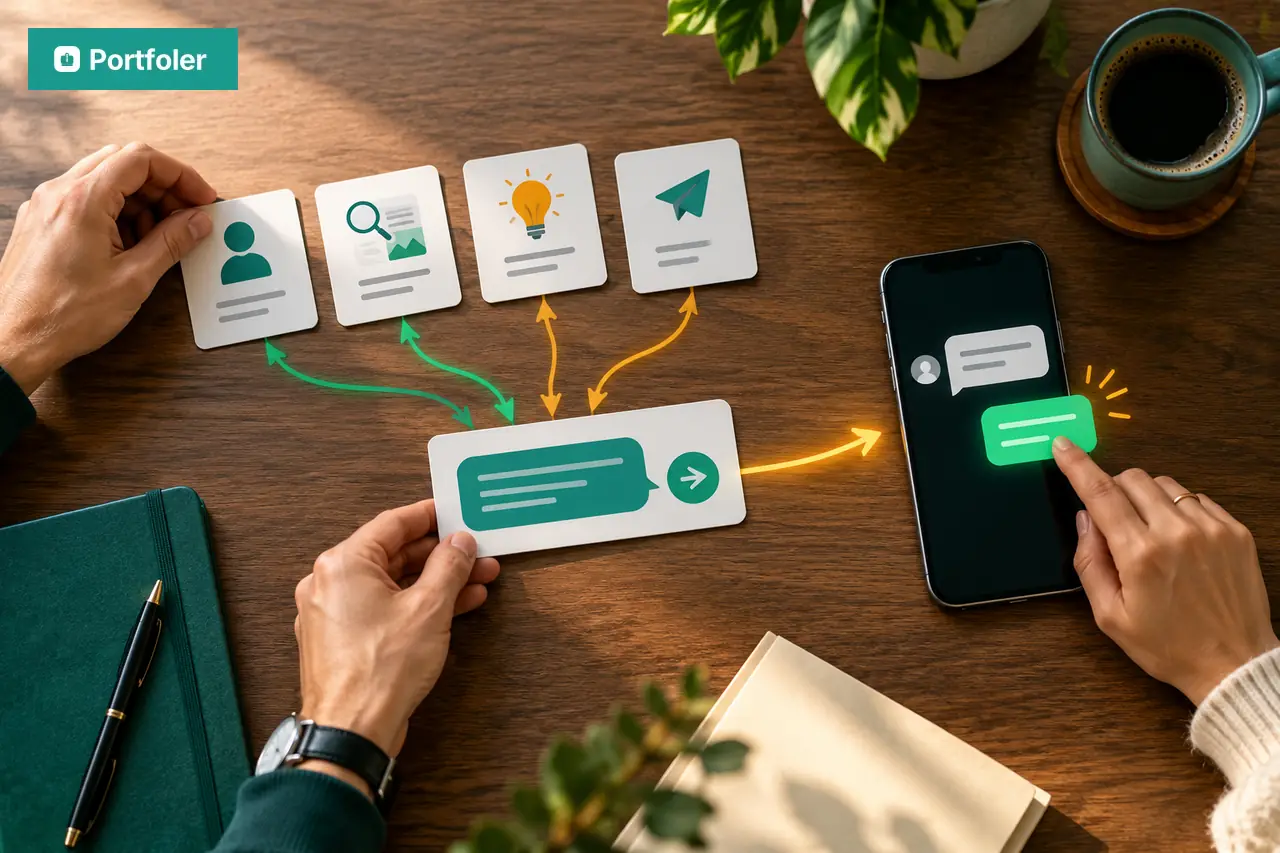
A good first message can open a door that ten follow-ups never will. On most platforms, the person doesn't know you: they decide in seconds whether to reply or ignore. And often, you only get one message until they answer. Better make it count. Here's how to write an opener that makes someone want to reply.
One message to make your case
Many professional inboxes apply a simple rule: until the other person replies, you can send only one message. That's healthy discipline.
- No more annoying follow-ups: everything rides on the first send.
- The constraint forces you to get to the point.
- Treat every first contact as precious — because it is.
Nail the subject and the first line
People decide whether to read on from the very first words.
- Say right away who you are and why you're writing.
- Drop the "Hi, I hope you're doing well" that says nothing.
- A personalized hook — a project, an offer, a shared point — proves you're not copy-pasting.
Give a reason to reply
A message about you invites no answer; a message about them does.
- Make one clear, single request: a call, a piece of information, a quote.
- Show what you bring, not only what you want.
- Make replying easy: a closed question beats a vague "what do you think?".
Stay short, precise and human
- Three to five sentences are enough: nobody reads a wall of text from a stranger.
- Proofread yourself: a typo in a first message is costly.
- End with a simple call to action and a warm sign-off.
In short
An effective first message fits in a few words: who you are, why this person specifically, what you're asking, what you bring. Since you often get one shot, every sentence must earn its place.
On Portfoler.com, contact a talent, a recruiter, a company or an offer owner directly from their page. A well-crafted message, sent to the right place, and the conversation begins.